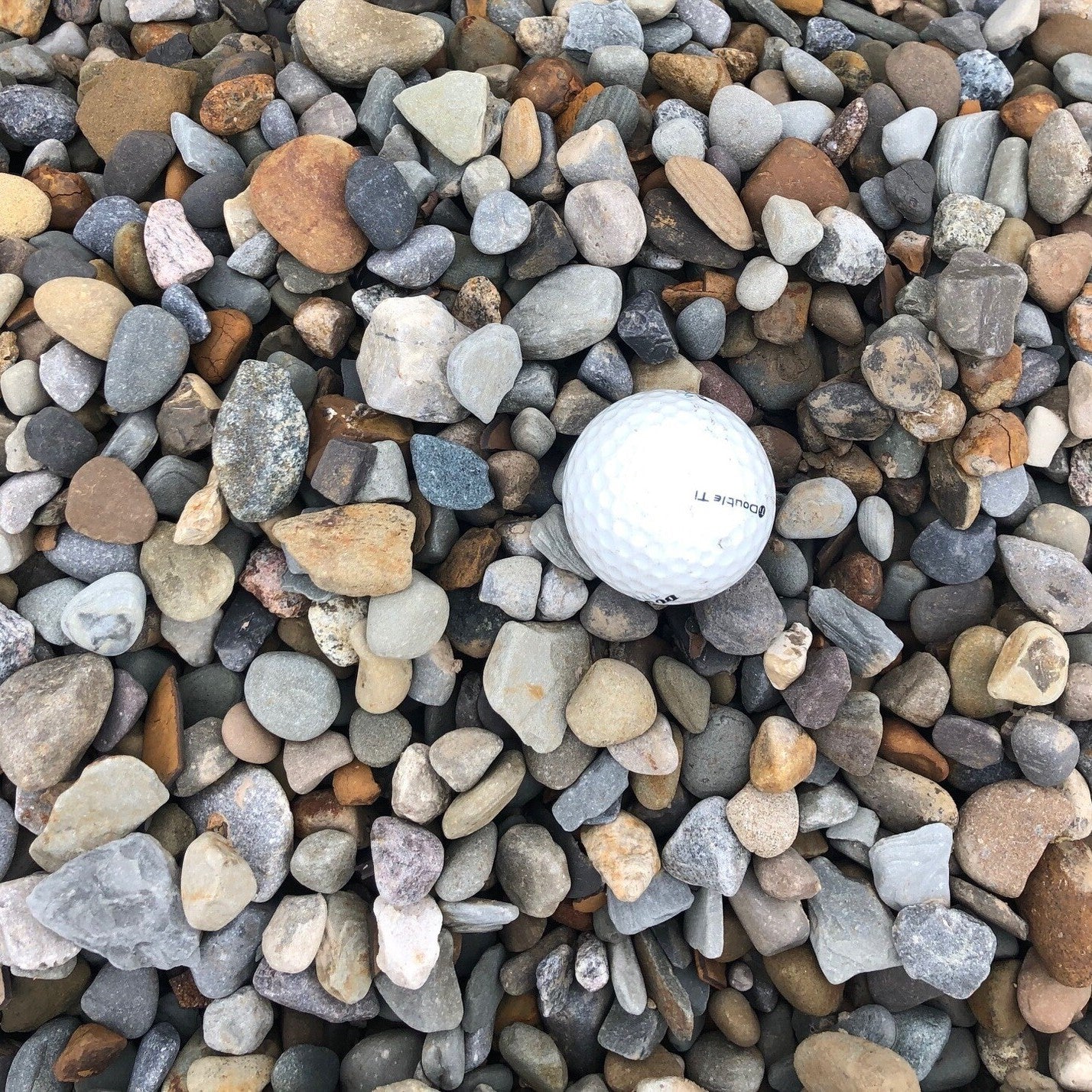
Number 57 crushed stone, angular limestone graded to about three quarters of an inch. The standard driveway, base and drainage gravel, it locks together under traffic and drains fast.
I used Mulch Mound to have 3 cubic yards of garden soil delivered. The process was easy and I love that I didn't have to call anyone. I placed my order online, picked my delivery date, laid out my tarp and the dirt was delivered. My delivery had to be pushed back, but I was ke...
Tell us what you're looking for
Thanks! We received your request.
Something went wrong. Please try again.
How Much Material Do I Need?
For decorative stone beds in Morristown, a 2 to 3 inch depth is usually enough to suppress weeds and create a clean finished appearance, while pathways and functional drainage areas need 3 to 4 inches of compacted stone to stay stable through the freeze-thaw cycles that Morristown experiences between October and April. Always round up slightly on stone orders since it is difficult to add a small matching amount after initial installation.
Use our free gravel calculator
What is a yard?
A yard is approximately 27 cubic feet. As a general guideline, one yard of material can cover an area of about 100-160 square feet at a 2-3 inch depth.
We can't take orders for this right now. Tell us what you need and we'll get back to you.
What do you need?
Thanks! We received your request.
Something went wrong. Please try again.
Hand-picked local yards
4,000+ regional deliveries
Dedicated support
Why order through Mulch Mound
The best local stone, without the guesswork.
We hand-pick and partner with the best yards in your region, keep only the ones our buyers rate well, and back each load with our guarantee.
Mulch Mound Guarantee
If your stone isn't the quantity or quality you ordered, we'll make it right.
About this stone
Number 57 crushed stone, angular limestone graded to about three quarters of an inch. The standard driveway, base and drainage gravel, it locks together under traffic and drains fast.
I used Mulch Mound to have 3 cubic yards of garden soil delivered. The process was easy and I love that I didn't have to call anyone. I placed my order online, picked my delivery date, laid out my tarp and the dirt was delivered. My delivery had to be pushed back, but I was ke...
How Much Material Do I Need?
For decorative stone beds in Morristown, a 2 to 3 inch depth is usually enough to suppress weeds and create a clean finished appearance, while pathways and functional drainage areas need 3 to 4 inches of compacted stone to stay stable through the freeze-thaw cycles that Morristown experiences between October and April. Always round up slightly on stone orders since it is difficult to add a small matching amount after initial installation.
Use our free gravel calculator
What is a yard?
A yard is approximately 27 cubic feet. As a general guideline, one yard of material can cover an area of about 100-160 square feet at a 2-3 inch depth.
I used Mulch Mound to have 3 cubic yards of garden soil delivered. The process was easy and I love that I didn't have to call anyone. I placed my o...
Read full review
I used Mulch Mound to have 3 cubic yards of garden soil delivered. The process was easy and I love that I didn't have to call anyone. I placed my order online, picked my delivery date, laid out my tarp and the dirt was delivered. My delivery had to be pushed back, but I was kept informed via text, which was great. So why not 5 stars? The description of garden soil on the website is "A balanced mix of topsoil and organic amendments ready for raised beds, flower gardens, and new planting areas. Good drainage, solid nutrients, easy to work with." What I got was more like fill dirt. It had a lot of gravel, a lot of clay, and random trash mixed in. I didn't test the soil to see if it actually had "amendments" because I already have compost and alpaca manure ready to add, but if I'd known the quality of the dirt was going to be the same as the bagged dirt I bought last year, I probably would have gotten 2 yards of top soil and a yard of leaf compost for better quality, especially since the leaf compost is cheaper. Photo of my mountain of dirt and just some of the trash I found in it.
To estimate stone for a flat area, multiply length by width in feet to get square footage, then plan for 1 cubic yard to cover about 80 square feet at a 4-inch depth for pathways or about 160 square feet at a 2-inch depth for decorative beds. For drainage channels and swales in Morristown, measuring the length and width of the channel and planning for a 6-inch depth will give you a more accurate volume estimate for the heavier rainfall events this area receives.
Stone Types We Deliver in Morristown
Mulch Mound delivers bulk stone by the cubic yard straight to your property in Morristown, making it easy to tackle any landscaping project without multiple trips to a supplier. Whether you are searching for bulk gravel by the yard in Morristown or need a reliable source for decorative ground cover, we load and haul exactly what you need. Our deliveries are sized to fit residential and commercial jobs across this part of East Tennessee.
Pea Gravel
Pea gravel is one of the most popular choices for Morristown homeowners looking to dress up patios, line garden paths, or improve drainage around foundations. Its smooth, rounded edges and warm earth tones complement the natural surroundings common to this region of Tennessee, and it stays comfortable underfoot even in summer heat.
Complete Your Outdoor Stone Project
Pair your stone delivery with bulk mulch for the garden beds surrounding your stone features, and add quality topsoil if you need to build up grade around new stone borders to direct water flow away from your home. Together, stone, soil, and mulch create a complete Morristown landscape that handles the 45 inches of annual rainfall with minimal ongoing maintenance.
Morristown's silt loam soil can shift slightly over the course of a wet winter, which can cause stone pathways and borders to settle unevenly by spring. Before you lay stone in any functional area, compact the native soil base firmly and add a 1-inch layer of coarse sand or stone dust as a leveling bed beneath your stone. This extra preparation step dramatically improves the long-term stability of your installation and reduces the need for re-leveling after the heavy spring rains that are common across East Tennessee.
Mulch Mound Pro Tip
In Zone 7b Morristown, lighter-colored stones like white marble chips or tan pea gravel can reflect enough summer heat to raise soil temperatures in adjacent plant beds. If you are placing stone near perennials or shrubs that prefer cooler root zones, choose a darker stone variety or keep the stone several inches away from plant crowns. This small detail makes a real difference in plant health during Morristown's hot July and August afternoons when ground-level temperatures can climb well above the air temperature.
Mulch Mound Pro Tip
Stone is one of the best investments you can make for Morristown's downspout and gutter discharge zones, where 45 inches of annual rainfall concentrates into high-velocity flows that quickly erode silt loam soil. Place a generous pad of river rock or 1.5-inch decorative stone beneath each downspout extending at least 3 feet in the direction of flow. This simple addition absorbs the water energy before it hits bare soil, protects your lawn grade, and keeps eroded silt from washing into your garden beds and hardscape areas.
The Unique Landscape of Morristown
In Morristown, where 45 inches of annual rainfall and silt loam soil create persistent erosion and drainage challenges, decorative and functional stone is one of the most durable landscaping solutions available. Stone does not break down in Tennessee's humid summers the way organic materials do, making it a permanent investment in areas where you need reliable ground cover year after year. At 1,309 feet of elevation, Morristown landscapes face real drainage pressure on slopes and along property edges, and a well-placed stone border or dry creek bed can redirect runoff before it erodes valuable topsoil. From driveways and pathways to foundation borders and decorative beds, stone gives homeowners a low-maintenance alternative to mulch and grass in areas that are difficult to maintain through the long Zone 7b growing season. Stone also absorbs and slowly releases heat, which can moderate soil temperature around plants in Morristown's transitional spring and fall periods when overnight lows still dip near freezing after mild afternoons. Choosing the right type and quantity of stone for your specific Morristown project means your landscape stays functional and attractive through everything from spring flooding to summer drought.
Frequently Asked Questions
Click a question to see the answer
Answer
What type of stone works best for drainage in a Morristown yard with silt loam soil?
For drainage applications in Morristown, a clean crushed stone in the 3/4 inch size range is generally the most effective choice because the angular pieces interlock to create stable channels while allowing water to flow freely through the gaps. Silt loam soil does not drain as quickly as sandy soils, so placing a layer of landscape fabric beneath the stone before filling a dry creek bed or drainage swale helps prevent fine silt particles from migrating up into the stone and clogging it over time.
Answer
Can stone help with the erosion problem on the sloped part of my Morristown yard?
Stone is one of the most effective erosion control tools for Morristown slopes, particularly in Zone 7b where heavy spring rains can move a surprising amount of silt loam downhill in a single storm. A layer of river rock or larger decorative stone laid over landscape fabric on a slope dissipates the energy of falling rain, slows surface water movement, and holds the underlying soil in place without requiring mowing or seasonal maintenance.
Answer
How deep should I lay gravel for a pathway in Morristown?
For a functional and durable pathway in Morristown, plan for 3 to 4 inches of compacted gravel over a prepared base. The silt loam soil in this area can shift slightly with freeze-thaw cycles in late fall and early spring, so a deeper stone base helps the pathway stay level and resist heaving between October and April. Compact the first 2 inches before adding the top layer for a firm walking surface that holds up through wet East Tennessee winters.
Answer
Will stone around my foundation cause any drainage issues in a wet Morristown spring?
Stone around the foundation is actually a smart drainage strategy for Morristown homes, as long as the grade slopes away from the house. A 12 to 18 inch band of 3/4 inch crushed stone along the foundation keeps organic material away from siding and sills, allows splash water from the roof to drain quickly through the stone layer, and reduces the moisture that tends to pool against foundations during Morristown's heaviest spring rain weeks.
Answer
Is decorative stone a good low-maintenance option for hard-to-mow areas of my Morristown yard?
Yes, and it is one of the most popular uses for stone in East Tennessee landscapes. Areas under low-hanging trees, along fence lines, and on steep banks where mowing is difficult can be converted to permanent stone beds with a one-time installation. Once in place, stone requires only occasional raking to remove leaves and debris, and unlike mulch it does not need to be replaced each season in Morristown's wet and humid climate.
Answer
How do I keep weeds from growing up through my stone beds in Morristown?
Weed control under stone starts with a quality landscape fabric installed before you lay the stone. In Morristown, where Zone 7b warm temperatures and 45 inches of rainfall create strong weed pressure from spring through fall, a woven geotextile fabric is more durable than paper-based options. Over time some windblown soil will accumulate on top of the stone and weeds may try to root there, so a light annual inspection and spot treatment keeps stone beds looking clean without major labor.
Answer
What is the difference between river rock and crushed stone, and which is better for my Morristown yard?
River rock has smooth and rounded edges from natural water erosion and is most commonly used for decorative beds, dry creek beds, and areas where appearance is the priority. Crushed stone has angular edges that lock together tightly, making it better for driveways, pathways, and drainage applications where stability under foot traffic and the force of Morristown's rainfall runoff matter more than looks. Many Morristown homeowners use river rock in visible decorative areas and crushed stone in functional drainage and pathway applications.
Answer
Is crush and run the same as crusher run?
Crush and run refers to crushed stone blended with stone dust that compacts tight for driveway bases and paver foundations. With Morristown's silt loam soil and heavy annual rainfall creating real drainage challenges, our Crushed Stone #57 is often the better choice, since its washed, clean structure lets water pass through instead of trapping moisture against your home.