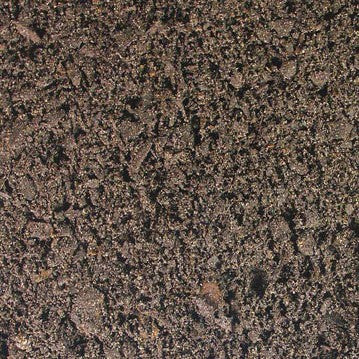
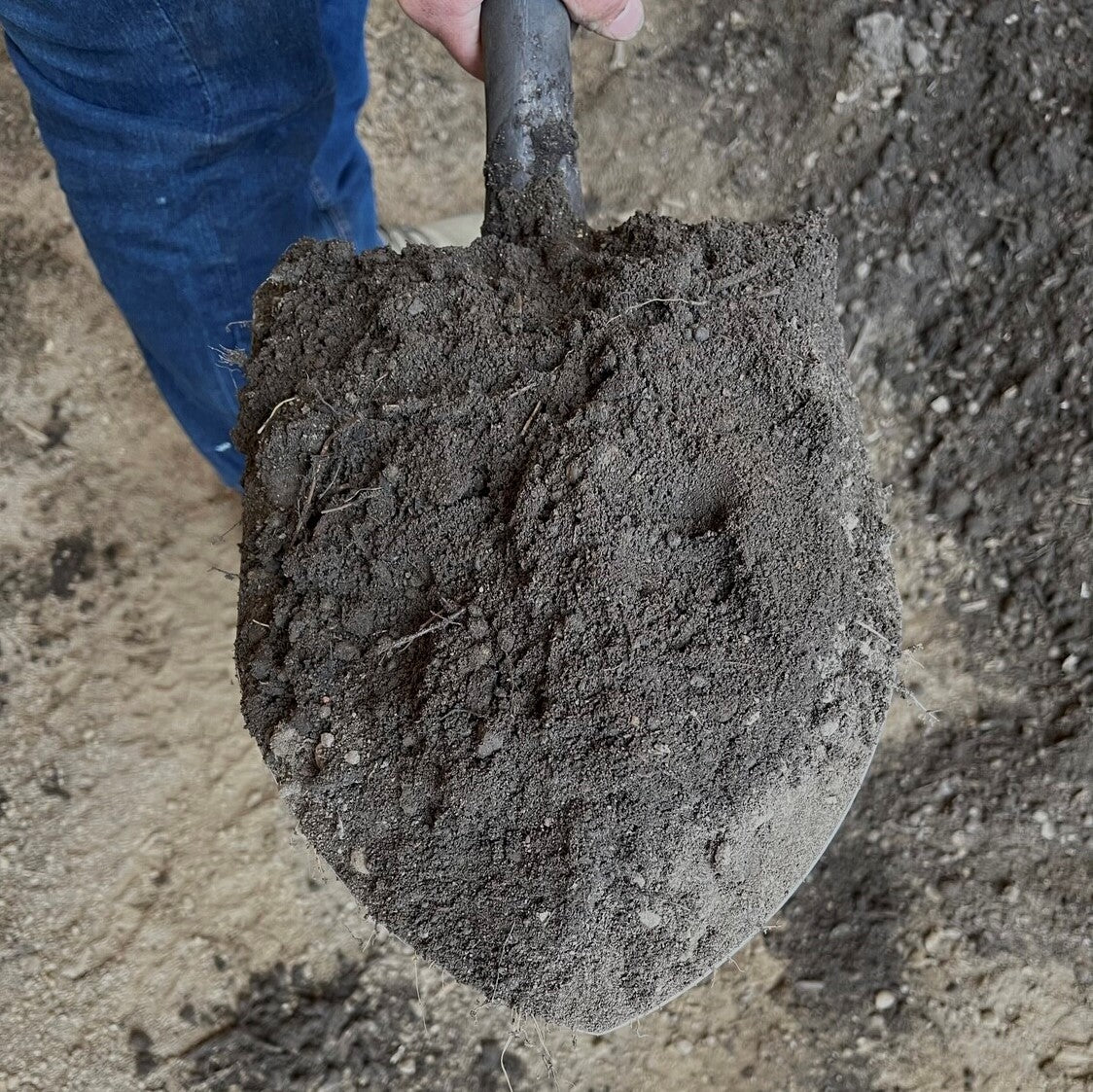
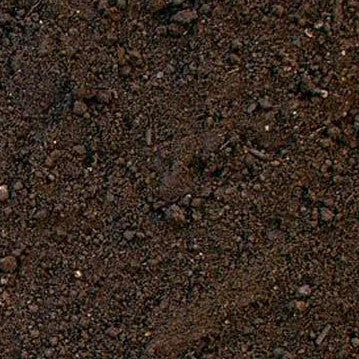
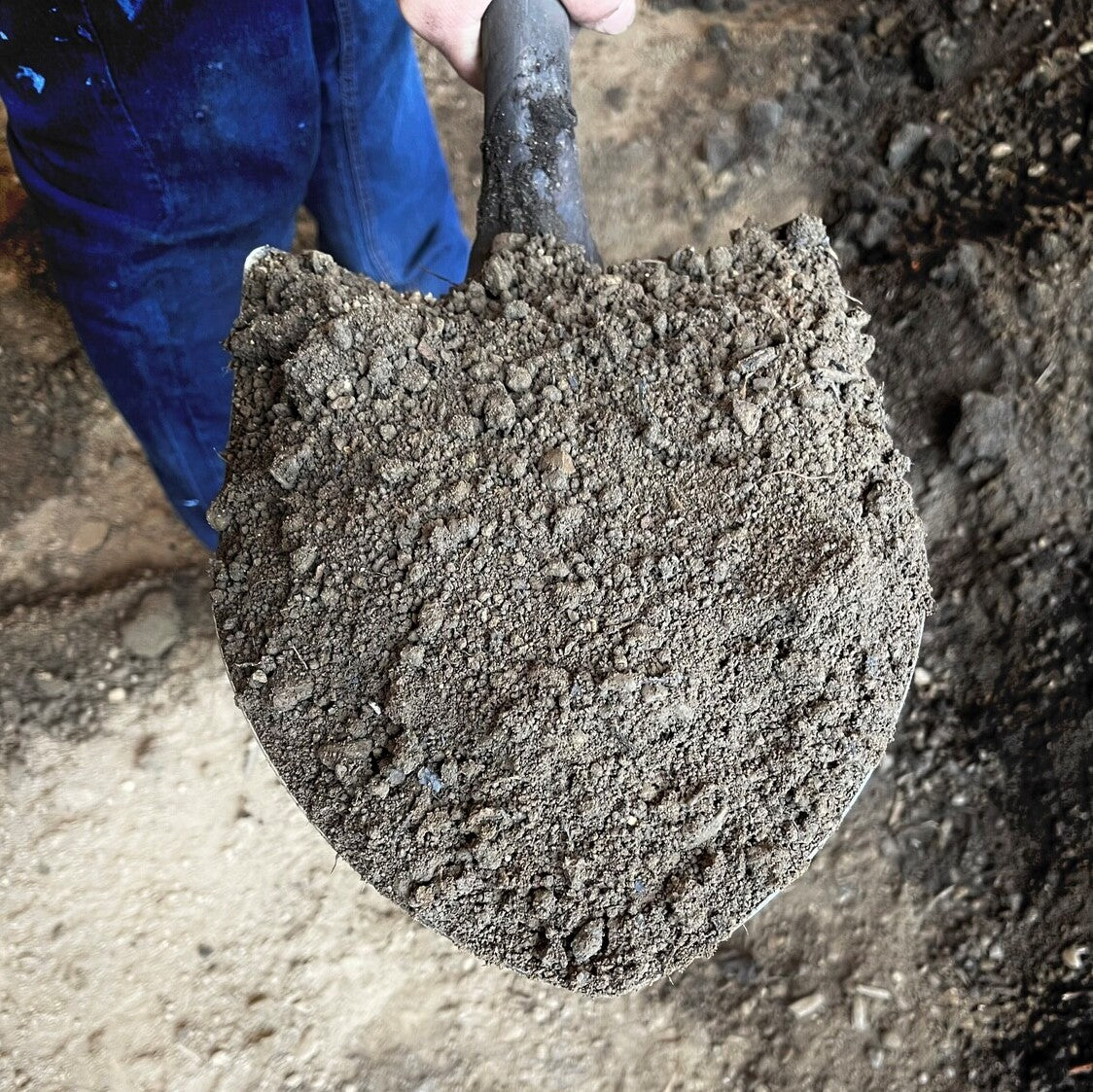
A balanced mix of topsoil and organic amendments ready for raised beds, flower gardens, and new planting areas. Good drainage, solid nutrients, easy to work with.
I used Mulch Mound to have 3 cubic yards of garden soil delivered. The process was easy and I love that I didn't have to call anyone. I placed my order online, picked my delivery date, laid out my tarp and the dirt was delivered. My delivery had to be pushed back, but I was ke...
Tell us what you're looking for
Thanks! We received your request.
Something went wrong. Please try again.
How Much Material Do I Need?
For lawn topdressing in Muncie, a quarter to half inch of screened topsoil is usually sufficient over existing grass, while new garden beds or grade correction projects in Muncie's compaction-prone silt loam typically need four to six inches of quality soil to make a lasting and meaningful difference.
Use our free soil calculator
What is a yard?
A yard is approximately 27 cubic feet. As a general guideline, one yard of material can cover an area of about 100-160 square feet at a 2-3 inch depth.
We can't take orders for this right now. Tell us what you need and we'll get back to you.
What do you need?
Thanks! We received your request.
Something went wrong. Please try again.
Hand-picked local yards
4,000+ regional deliveries
Dedicated support
Why order through Mulch Mound
The best local soil, without the guesswork.
We hand-pick and partner with the best yards in your region, keep only the ones our buyers rate well, and back each load with our guarantee.
Mulch Mound Guarantee
If your soil isn't the quantity or quality you ordered, we'll make it right.
About this soil
A balanced mix of topsoil and organic amendments ready for raised beds, flower gardens, and new planting areas. Good drainage, solid nutrients, easy to work with.
I used Mulch Mound to have 3 cubic yards of garden soil delivered. The process was easy and I love that I didn't have to call anyone. I placed my order online, picked my delivery date, laid out my tarp and the dirt was delivered. My delivery had to be pushed back, but I was ke...
How Much Material Do I Need?
For lawn topdressing in Muncie, a quarter to half inch of screened topsoil is usually sufficient over existing grass, while new garden beds or grade correction projects in Muncie's compaction-prone silt loam typically need four to six inches of quality soil to make a lasting and meaningful difference.
Use our free soil calculator
What is a yard?
A yard is approximately 27 cubic feet. As a general guideline, one yard of material can cover an area of about 100-160 square feet at a 2-3 inch depth.
I used Mulch Mound to have 3 cubic yards of garden soil delivered. The process was easy and I love that I didn't have to call anyone. I placed my o...
Read full review
I used Mulch Mound to have 3 cubic yards of garden soil delivered. The process was easy and I love that I didn't have to call anyone. I placed my order online, picked my delivery date, laid out my tarp and the dirt was delivered. My delivery had to be pushed back, but I was kept informed via text, which was great. So why not 5 stars? The description of garden soil on the website is "A balanced mix of topsoil and organic amendments ready for raised beds, flower gardens, and new planting areas. Good drainage, solid nutrients, easy to work with." What I got was more like fill dirt. It had a lot of gravel, a lot of clay, and random trash mixed in. I didn't test the soil to see if it actually had "amendments" because I already have compost and alpaca manure ready to add, but if I'd known the quality of the dirt was going to be the same as the bagged dirt I bought last year, I probably would have gotten 2 yards of top soil and a yard of leaf compost for better quality, especially since the leaf compost is cheaper. Photo of my mountain of dirt and just some of the trash I found in it.
Measure your project area in feet and multiply length by width to get square footage, then decide on your target depth to calculate cubic yards needed. For lawn leveling in Muncie, even small grade changes add up quickly over a large yard, so measuring carefully before ordering saves you both money and extra delivery trips. Our calculator does the math once you plug in your dimensions and desired depth.
Soil Types We Deliver in Muncie
Getting the right soil delivered by the yard in Muncie makes a real difference when you are working with the heavy clay that underlies most east-central Indiana yards. Mulch Mound brings screened topsoil, rich compost, and ready-to-use blends straight to your driveway, measured by the cubic yard so you only pay for what you need. Whether you are leveling a lawn, building raised beds, or refreshing planting areas, we have a soil to match the job.
Screened Top Soil
Our screened top soil arrives with rocks and debris removed, leaving a fine, workable surface that is easy to spread across new lawn areas, garden borders, or low spots in the yard. It is a dependable base layer for Muncie homeowners dealing with compacted or clay-heavy ground that needs rebuilding from the top down.
Garden Compost
Finished and rich with organic matter, this standard garden compost works into east-central Indiana beds to improve nutrient levels and help soil hold moisture through hot summers. It is especially useful for Muncie gardeners who grow vegetables or perennials in ground that tends to drain poorly or bake hard.
Gardening Blend
This standard blend combines topsoil and organic amendments into a ready-to-use mix that performs well in raised beds, flower gardens, and new planting areas. Good drainage and a balanced nutrient profile make it a practical choice for Indiana homeowners who want to skip the guesswork and start planting right away.
Complete Your Outdoor Soil Project
Pair your bulk soil order with mulch to protect your newly built beds from Muncie's spring rains and summer heat, or add decorative stone borders to define raised bed edges and keep soil contained and tidy through the growing season.
What is wrong with the native soil in my Muncie yard and why do I need to bring in topsoil?
Muncie's native silt loam is a middle-of-the-road soil, not as sandy as some regions and not as heavy as pure clay. But it compacts readily under lawn equipment, foot traffic, and rain impact, which leads to poor drainage, patchy grass, and shallow-rooted plants. Over time, urban soils in Muncie also lose organic matter, making them less productive and harder to work. Bringing in quality bulk topsoil is the most direct way to correct those limitations and give your yard a better growing foundation.
Answer
How much topsoil do I need to level my bumpy Muncie lawn?
For light lawn leveling in Muncie, a quarter to half inch of screened topsoil spread across low spots is usually enough to even things out without smothering existing grass. For more significant grading work, you may need two to four inches or more in depressed areas. Muncie lawns that have gone through several freeze-thaw cycles often have more unevenness than they appear at first glance, so walk the yard carefully before ordering and measure the depth of your low spots to get an accurate estimate.
Answer
Can I use bulk topsoil to build raised vegetable beds in my Muncie backyard?
Bulk topsoil is a great base for raised beds, but for vegetable production in Muncie most gardeners get better results blending topsoil with compost or a raised bed mix to boost nutrient content and drainage. Muncie's last frost around April 22 gives you a solid growing window through September, and starting your vegetables in a rich, well-drained root zone helps them make the most of that season. A blend of roughly half topsoil and half compost-enriched mix is a popular and effective approach.
Answer
Will adding topsoil help with the drainage problems in my Muncie backyard?
It depends on the source of the problem. If your backyard holds water because the grade slopes toward the house or sits in a natural low area, adding topsoil to build up the grade can redirect runoff and reduce pooling significantly. Muncie's silt loam can seal up at the surface and shed water rather than absorbing it, so regrading with quality topsoil that has better organic content can improve infiltration over time. For severe drainage issues, topsoil grading is often the smart first step before installing French drains or other solutions.
Answer
When is the best time of year to add topsoil to my Muncie lawn or garden?
Spring is ideal in Muncie, once the ground has thawed and dried out enough to work without compacting the existing soil. Aim for after the last frost around April 22 for garden bed projects. Fall is also a great time for lawn leveling work, giving newly spread soil time to settle before winter and allowing overseeded grass to establish before the October 1 first frost shuts things down. Avoid working wet soil in either season, as Muncie's silt loam is especially prone to compaction when it is saturated.
Answer
What is the difference between topsoil and garden soil for my Muncie project?
The difference matters a lot depending on what you are trying to do. Bulk topsoil is typically screened native soil used for grading, filling, and building volume. Garden soil or planting mix is enriched with compost, perlite, or other amendments and is designed specifically for plant nutrition and root growth. For large volume projects like lawn leveling or fill work in Muncie, topsoil is the practical and economical choice. For planting beds or vegetable gardens, a blended garden soil or a topsoil-compost mix will give you noticeably better plant performance.
Answer
How do I keep newly added topsoil from washing away during Muncie's spring rains?
Muncie averages 39 inches of rain per year, and spring can deliver heavy downpours that move loose topsoil quickly on any unprotected surface. The best approach is to seed or plant as soon as possible after spreading so root growth begins to anchor the soil. For areas where planting will be delayed, a light layer of straw mulch or erosion control fabric over freshly spread soil can prevent washout during a storm. Try to avoid spreading topsoil right before a forecasted heavy rain if you can time your project around the forecast.
Mulch Mound Pro Tip
When topdressing your Muncie lawn with bulk topsoil, work in thin layers of a quarter inch or less if you are spreading over existing turf. Muncie's silt loam base means the native soil and added topsoil need time to integrate, and thick single layers can smother your grass rather than improve it. Apply, rake smooth, and water in gently to help the new soil settle into low spots and make solid contact with the existing lawn before the next Indiana rain handles it for you.
Mulch Mound Pro Tip
If you are using bulk topsoil for new landscaping beds around your Muncie home, take a moment to check your grade before spreading. Beds that slope toward the foundation can channel Muncie's spring rainfall directly against your home's footings, causing long-term moisture problems. Grade your soil so it falls away from the house at roughly one inch per foot for the first six feet, then plant and mulch to lock that grade in place over time.
Mulch Mound Pro Tip
Muncie's growing season runs from roughly late April to early October, and timing your soil projects around that window maximizes your investment. Soil laid down after the April 22 last frost gives you the full summer to establish new plantings and let roots develop before fall. A project finished by mid-September still gives roots several weeks to anchor before the October 1 first frost arrives, so either window works well in Muncie's zone 6a climate.
The Unique Landscape of Muncie
Muncie's native silt loam is a workable soil, but it comes with real limitations for homeowners trying to grow healthy lawns and gardens. It compacts easily under foot traffic and heavy rain, which reduces drainage and can leave low spots waterlogged for days after a storm. With 39 inches of annual rainfall spread across the year, poor drainage is one of the most common landscaping complaints in the area. Adding quality bulk topsoil lets you build up grade, improve drainage, and give new plantings the loose, nutrient-rich root zone they need to thrive in Muncie's zone 6a growing season. Whether you are leveling a lumpy lawn, building raised vegetable beds, or establishing new landscaping after construction, bulk soil gives you the foundation for lasting results. Muncie's growing season runs from late April through early October, long enough to reward the investment when you start plants off in truly good soil.