




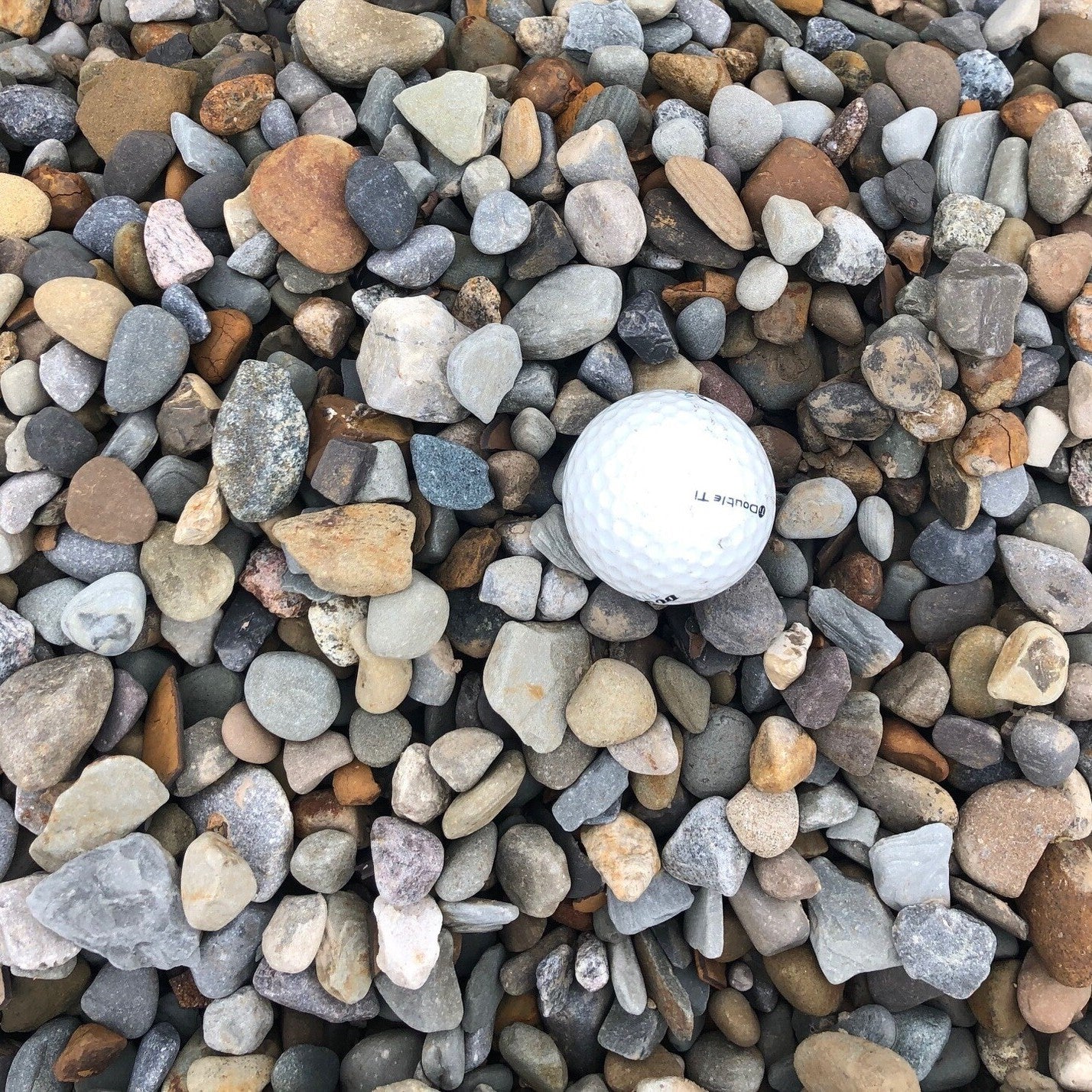

The driver nailed it on putting the gravel I ordered in front of my trailer and between the sidewalk. Very satisfied with how my flowerbeds look now.
About this stone
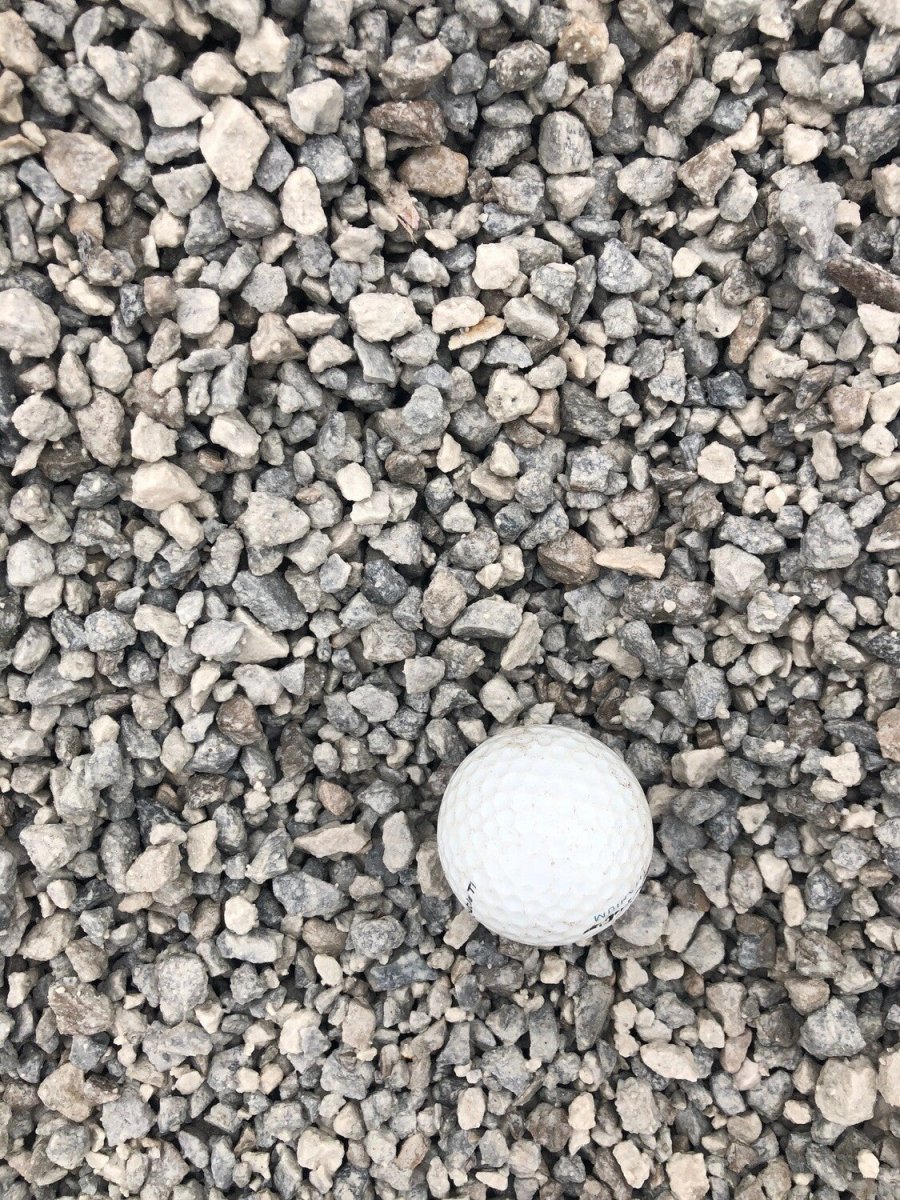
Compact limestone at 3/8 to 1/2 inch for fine grading, fills, and bedding. The precise sizing makes it ideal for detailed work and compacted surfaces.
The driver nailed it on putting the gravel I ordered in front of my trailer and between the sidewalk. Very satisfied with how my flowerbeds look now.
Tell us what you're looking for
Thanks! We received your request.
Something went wrong. Please try again.
How Much Material Do I Need?
How Much Material Do I Need?
For most decorative and pathway applications in Muncie, two to three inches of stone provides good coverage and stable footing. Drainage and erosion control projects in Muncie's rainfall-heavy climate typically call for three to four inches to handle water volume during the heavy spring and summer storms that move through central Indiana.
Use our free gravel calculator
What is a yard?
What is a yard?
FAQs
FAQs
Muncie Gravel Delivery
Muncie Gravel Delivery
Regular price
$78.00
per
yard
Regular price
Sale price
$78.00
Unit price
per
Shipping calculated at checkout.
Minimum of 3 yard
Couldn't load pickup availability
Not currently available
We can't take orders for this right now. Tell us what you need and we'll get back to you.
Hand-picked local yards
4,000+ regional deliveries
Dedicated support
Why order through Mulch Mound
The best local stone, without the guesswork.
We hand-pick and partner with the best yards in your region, keep only the ones our buyers rate well, and back each load with our guarantee.
Mulch Mound Guarantee
If your stone isn't the quantity or quality you ordered, we'll make it right.
About this stone
Compact limestone at 3/8 to 1/2 inch for fine grading, fills, and bedding. The precise sizing makes it ideal for detailed work and compacted surfaces.
The driver nailed it on putting the gravel I ordered in front of my trailer and between the sidewalk. Very satisfied with how my flowerbeds look now.
How Much Material Do I Need?
How Much Material Do I Need?
For most decorative and pathway applications in Muncie, two to three inches of stone provides good coverage and stable footing. Drainage and erosion control projects in Muncie's rainfall-heavy climate typically call for three to four inches to handle water volume during the heavy spring and summer storms that move through central Indiana.
Use our free gravel calculator
What is a yard?
What is a yard?
FAQs
FAQs
Tell us what you're looking for
Thanks! We received your request.
Something went wrong. Please try again.
How It Works
Getting started is easy — just follow these simple steps
1
Choose your stone
Make sure you adjust the quantity to your home's needs. You can use our calculator to estimate how much you'll need.
2
Select your delivery date
Select a delivery date you'd like for the product to be dropped off at your home
3
Sit back and wait
Sit back, wait, and let us work our magic to make sure the highest quality product is delivered to your driveway.


Need Help Calculating How Much Gravel You Need?
Use our NEW Trace from Satellite tool to get an estimate for your project based on an aerial view of your property
Try Our CalculatorMeasure your project area in feet and multiply length by width to get total square footage, then factor in your target depth to estimate cubic yards. For pathways in Muncie, a two inch depth works well for most stone types, while drainage and erosion control applications typically call for three to four inches given the rainfall volume our area sees each year. Our calculator converts your dimensions directly into a cubic yard total so you know exactly what to order.
Stone Types We Deliver in Muncie
Mulch Mound delivers bulk stone by the cubic yard straight to your driveway or job site, serving homeowners and contractors throughout the area. If you have been searching for bulk gravel by the yard in Muncie, we stock a full range of sizes and grades ready for same-week delivery. East-central Indiana's clay-heavy soil and hard winters make properly chosen stone essential for drainage, stable surfaces, and lasting landscape beds.
Pea Gravel
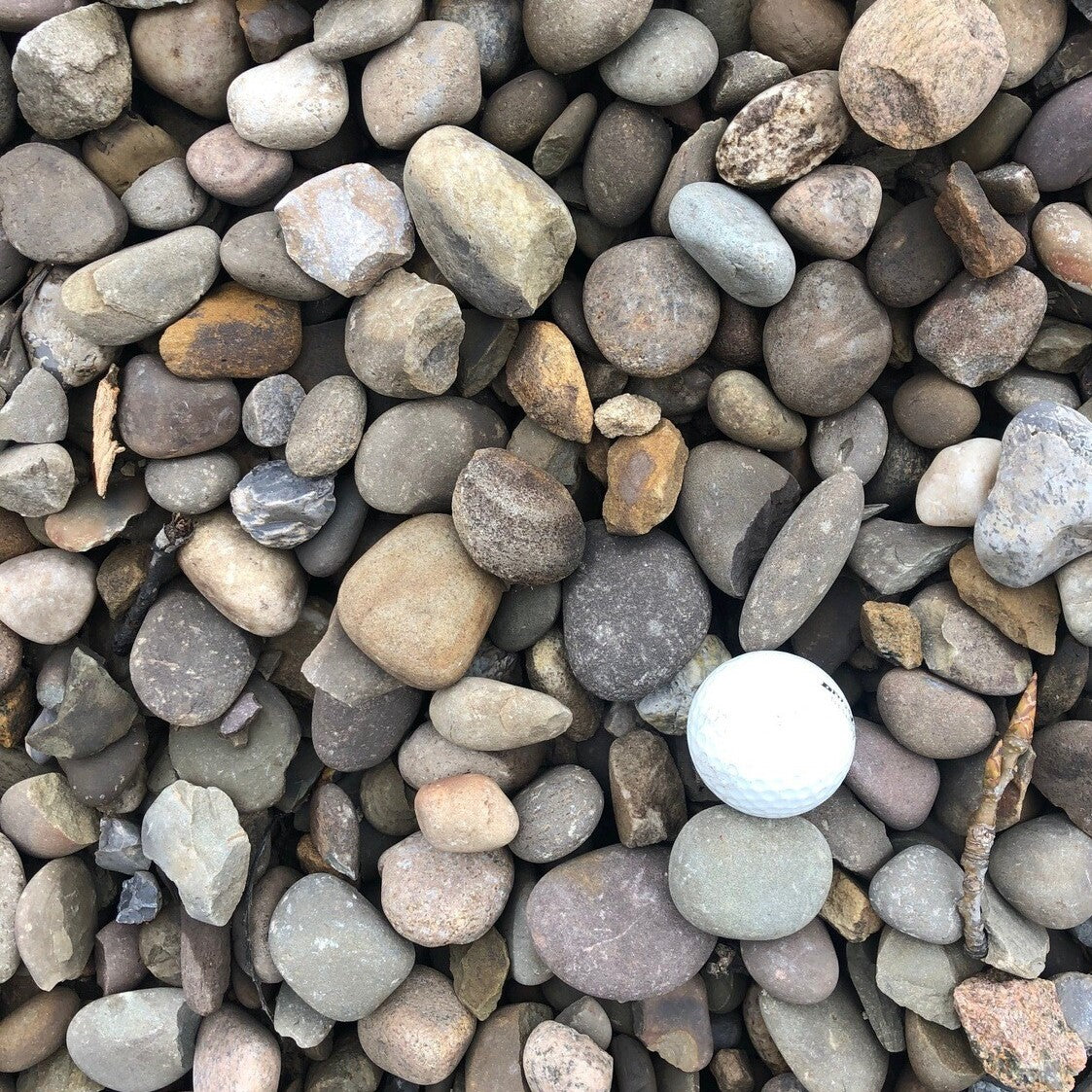
Smooth, rounded, and naturally earth-toned, pea gravel is the top choice for backyard pathways, garden bed topping, and foundation drainage in this part of Indiana. It settles well over clay soil and holds its look through the region's freeze and thaw cycles season after season.
#57 Limestone
Half inch to one inch crushed limestone handles drainage trenches, gravel driveways, and base layers under patios with equal reliability. Its clean gray tone and firm compaction over time make it a proven utility stone for Indiana's wet springs and hard winters.
#57 Decorative Gravel
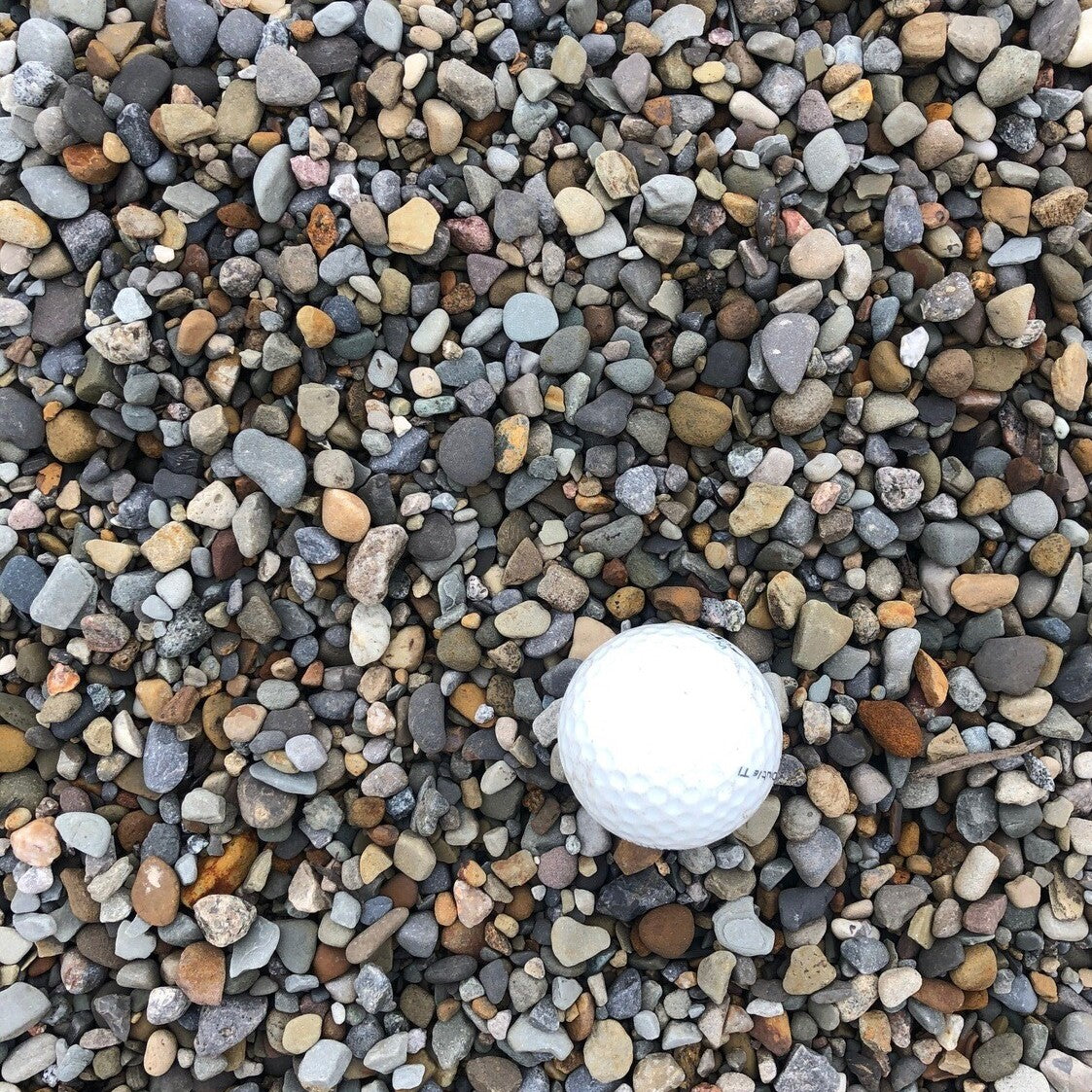
At half inch to one inch, this decorative gravel brings warm earth tones to pathways, raised beds, and border edging. It suits homeowners who want the drainage performance of a utility stone with a more varied, natural look around brick and wood homes.
#8 Decorative Gravel
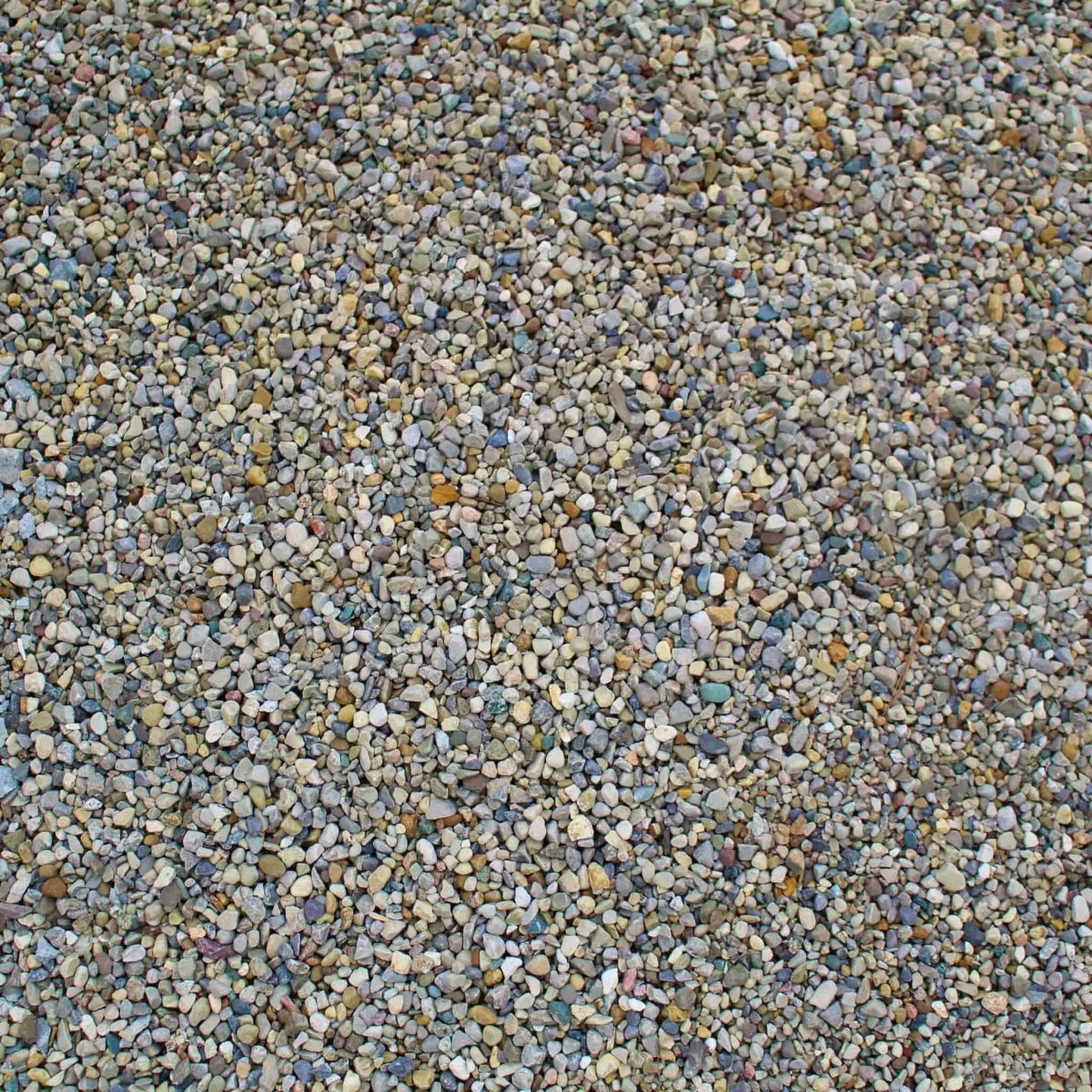
This compact 3/8 to 1/2 inch stone lays down smoothly for walkways and bed topping where fine coverage matters. The small sizing suits perennial gardens and foundation plantings, giving a polished finish that holds through Midwestern rain.
Complete Your Outdoor Stone Project
Stone pairs naturally with bulk mulch for defining bed edges and creating clean transitions in your Muncie landscape, and adding topsoil to properly grade your site before laying stone ensures good drainage and a level, stable surface that holds up through Indiana's freeze-thaw winters.



Service area
Areas we deliver stone and gravel in Muncie, Indiana
Mulch Mound Pro Tip
Before spreading stone in any Muncie planting area or pathway, invest in quality landscape fabric underneath. Muncie's silt loam is fine-textured and will migrate up into your stone layer over time without a barrier, causing the stone to sink and mix with soil after just a few seasons of freeze-thaw cycles. A heavy-duty, non-woven fabric pinned securely before stone is laid will keep your installation looking clean and save you from having to redo the project in just a few years.
Mulch Mound Pro Tip
If you are installing a gravel path in your Muncie backyard, consider building a slight crown into the surface when you spread and grade the stone. A gentle center rise of an inch or two allows rainwater to shed off to the sides of the path rather than pooling in the center after Muncie's frequent spring showers. This small detail makes the path more walkable after rain and extends the life of your stone installation by reducing the standing water that leads to soil heaving and rutting over time.
Mulch Mound Pro Tip
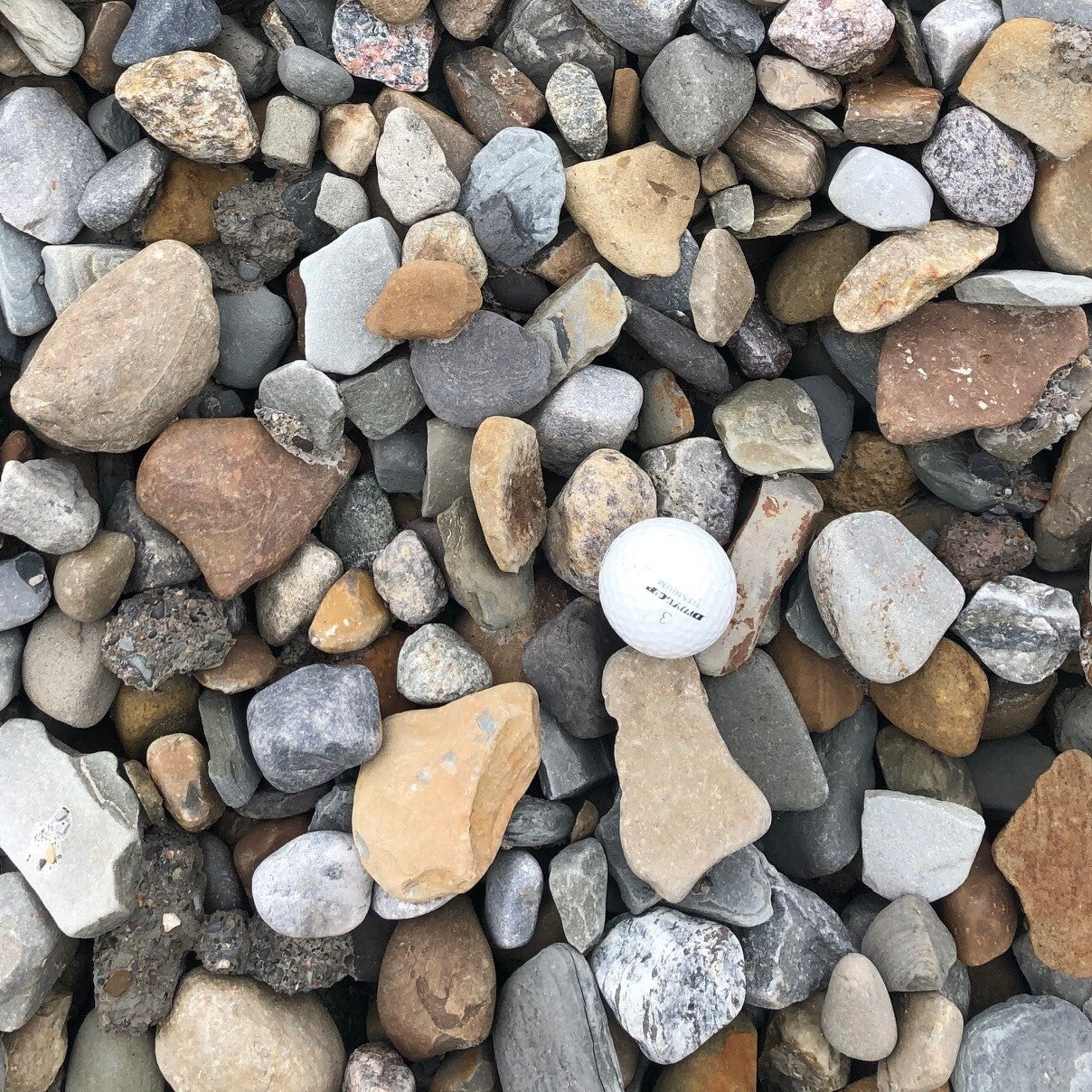
Muncie's 39 inches of annual rainfall makes stone an especially smart choice for slopes and transition zones where mulch or bare soil would erode and wash away over time. Larger river rock or natural fieldstone in two to four inch sizes handles high-flow runoff far better than fine gravel and resists displacement even during the heavy rain events that central Indiana sees in April and May. If a slope has given you repeated erosion problems in the past, switching to a heavier stone grade rather than simply increasing depth is often the more effective and lasting fix.
The Unique Landscape of Muncie
Decorative and functional stone is one of the smartest investments a Muncie homeowner can make because it handles our climate's extremes without constant upkeep or seasonal replacement. Muncie's freeze-thaw cycles from November through March can heave and crack less durable surface materials, but quality landscape stone holds its structure year after year regardless of what winter throws at it. With 39 inches of annual rainfall, drainage is a persistent concern in Muncie, and gravel or crushed stone pathways and borders can move water away from problem areas far more effectively than grass or bare soil. Stone also eliminates the mulch and mowing maintenance that comes with planted areas, which is a real advantage for busy homeowners who want lasting curb appeal through Muncie's long growing season. Whether you are building a dry creek bed to handle runoff, lining a foundation border, or installing a gravel path through your backyard, bulk stone gives you durable results in central Indiana's variable weather. The right stone can define your outdoor space while solving real drainage and erosion challenges specific to Muncie properties.