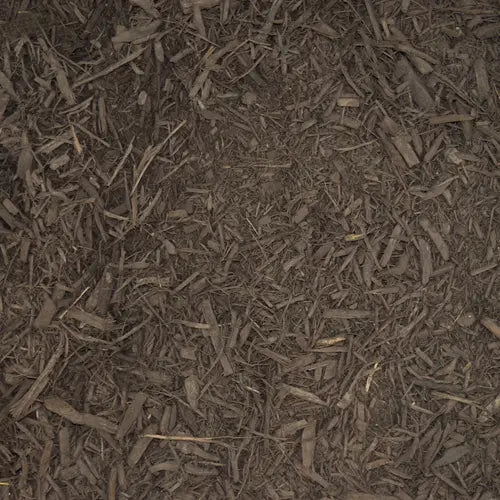
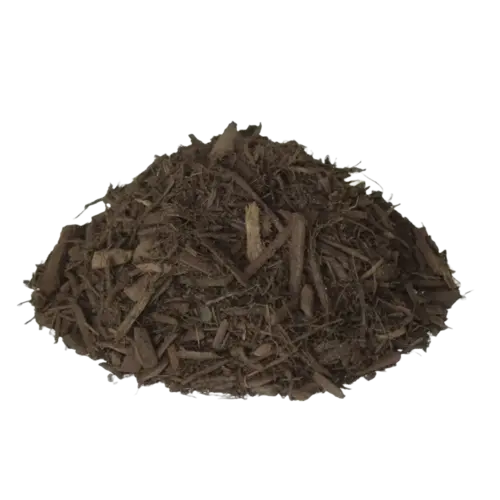
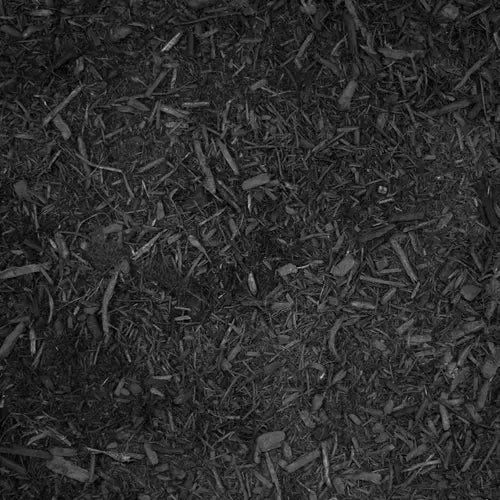
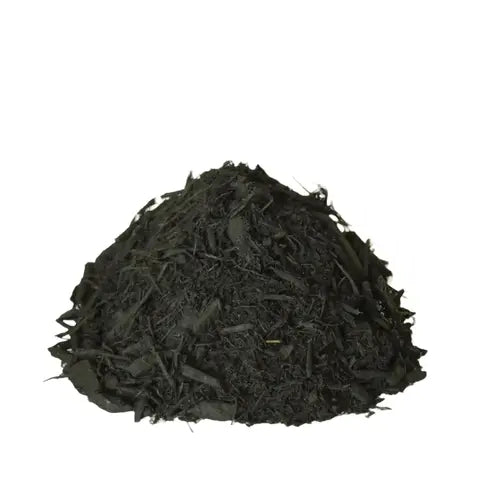
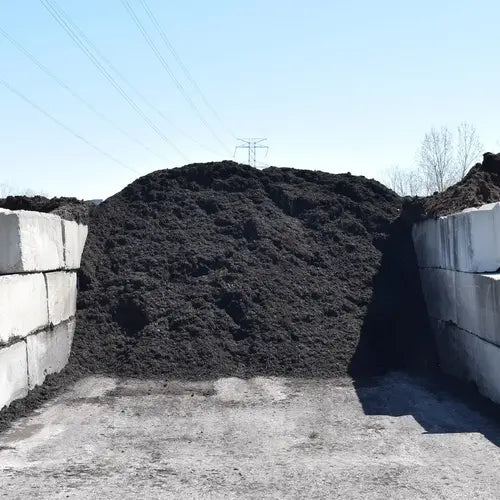
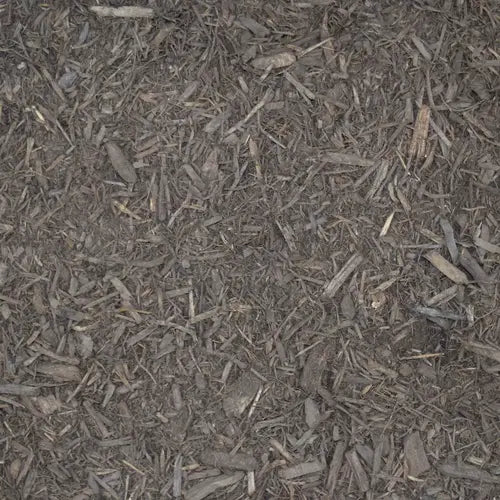
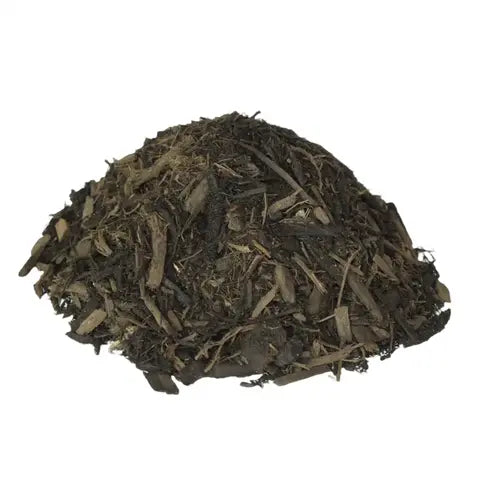
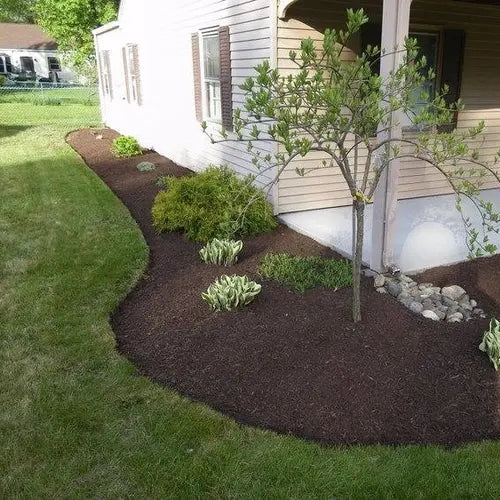
Warm brown double shredded mulch with lasting color that looks freshly applied for weeks. Spreads smooth, stays put, and gives beds a natural, polished appearance.
Good quality, great price, fast delivery. All online - no submitting forms and waiting for days for quotes. Getting mulch should be this easy from everyone. Only Mulch Mound is ACTUALLY this simple.
Tell us what you're looking for
Thanks! We received your request.
Something went wrong. Please try again.
How Much Material Do I Need?
For most planting beds in Myers Corner, a 3-inch application is the sweet spot, providing enough coverage to retain moisture and suppress weeds without overwhelming silt loam soil that already holds moisture reasonably well. Thin applications of less than 2 inches break down quickly under the area's rainfall and summer heat, requiring more frequent refreshing to maintain any meaningful benefit.
Use our free mulch calculator
What is a yard?
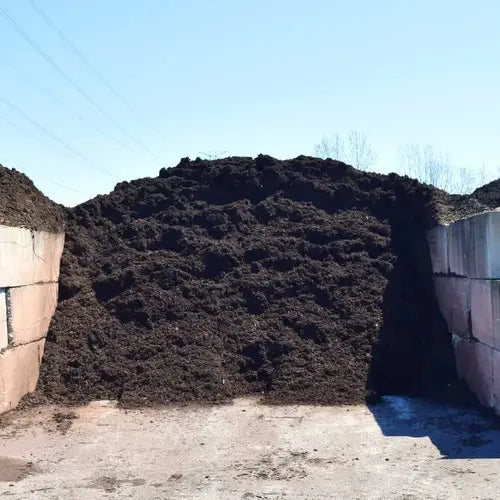
A yard is approximately 27 cubic feet. As a general guideline, one yard of material can cover an area of about 100-160 square feet at a 2-3 inch depth.
We can't take orders for this right now. Tell us what you need and we'll get back to you.
What do you need?
Thanks! We received your request.
Something went wrong. Please try again.
Hand-picked local yards
4,000+ regional deliveries
Dedicated support
Why order through Mulch Mound
The best local mulch, without the guesswork.
We hand-pick and partner with the best yards in your region, keep only the ones our buyers rate well, and back each load with our guarantee.
Mulch Mound Guarantee
If your mulch isn't the quantity or quality you ordered, we'll make it right.
About this mulch
Warm brown double shredded mulch with lasting color that looks freshly applied for weeks. Spreads smooth, stays put, and gives beds a natural, polished appearance.
Good quality, great price, fast delivery. All online - no submitting forms and waiting for days for quotes. Getting mulch should be this easy from everyone. Only Mulch Mound is ACTUALLY this simple.
How Much Material Do I Need?
For most planting beds in Myers Corner, a 3-inch application is the sweet spot, providing enough coverage to retain moisture and suppress weeds without overwhelming silt loam soil that already holds moisture reasonably well. Thin applications of less than 2 inches break down quickly under the area's rainfall and summer heat, requiring more frequent refreshing to maintain any meaningful benefit.
Use our free mulch calculator
What is a yard?
A yard is approximately 27 cubic feet. As a general guideline, one yard of material can cover an area of about 100-160 square feet at a 2-3 inch depth.
Good quality, great price, fast delivery. All online - no submitting forms and waiting for days for quotes. Getting mulch should be this easy fr...
Read full review
Good quality, great price, fast delivery. All online - no submitting forms and waiting for days for quotes. Getting mulch should be this easy from everyone. Only Mulch Mound is ACTUALLY this simple.
I highly recommend Mulch Mound. The quality of the mulch is very good. The ordering system on their website makes it very easy. The delivery driver...
Read full review
I highly recommend Mulch Mound. The quality of the mulch is very good. The ordering system on their website makes it very easy. The delivery driver did a great job placing the mulch on the driveway. To finish off, the pricing was very reasonable as well.
They offered a quick turnaround and delivered high quality mulch at a reasonable price. They also dropped it off exactly where I told them to put i...
Read full review
They offered a quick turnaround and delivered high quality mulch at a reasonable price. They also dropped it off exactly where I told them to put it. Good service!
To estimate your mulch needs in Myers Corner, measure the length and width of each bed in feet and multiply those numbers together to get square footage. Divide that total by 12 and then multiply by your desired depth in inches to get cubic feet, then divide by 27 to convert to cubic yards. Keep in mind that Myers Corner's silt loam tends to settle under rainfall, so rounding up slightly on your estimate ensures you reach the full 3-inch protective depth after the material compresses into place.
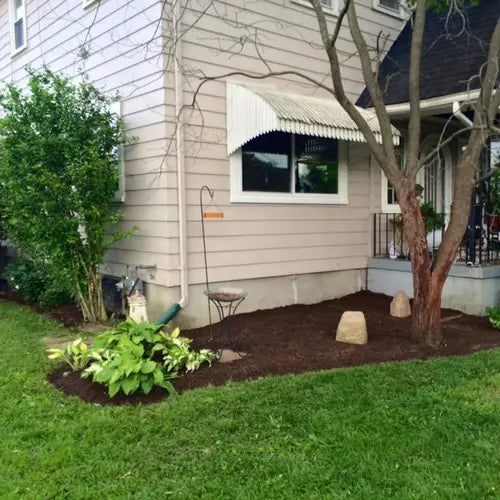
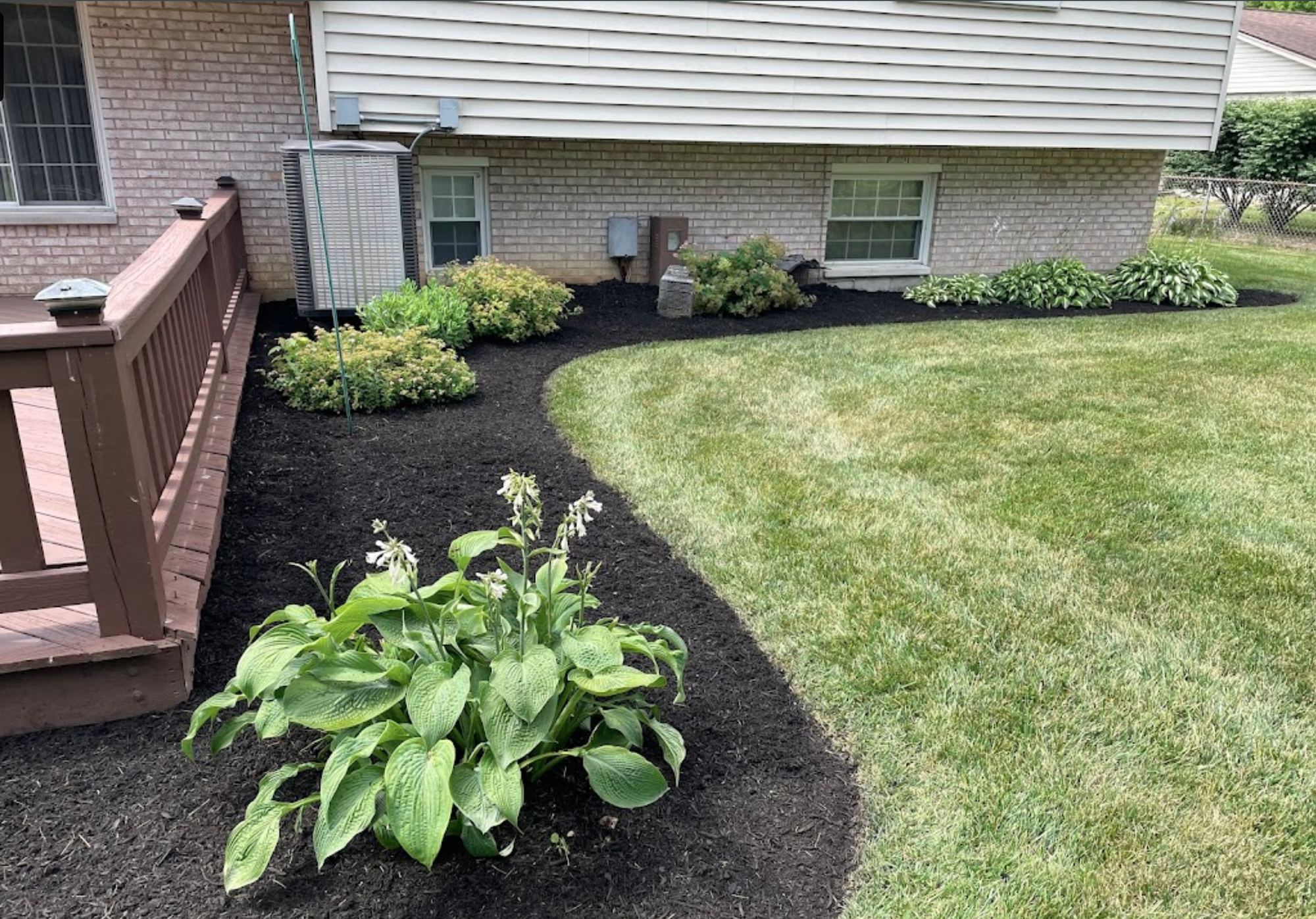
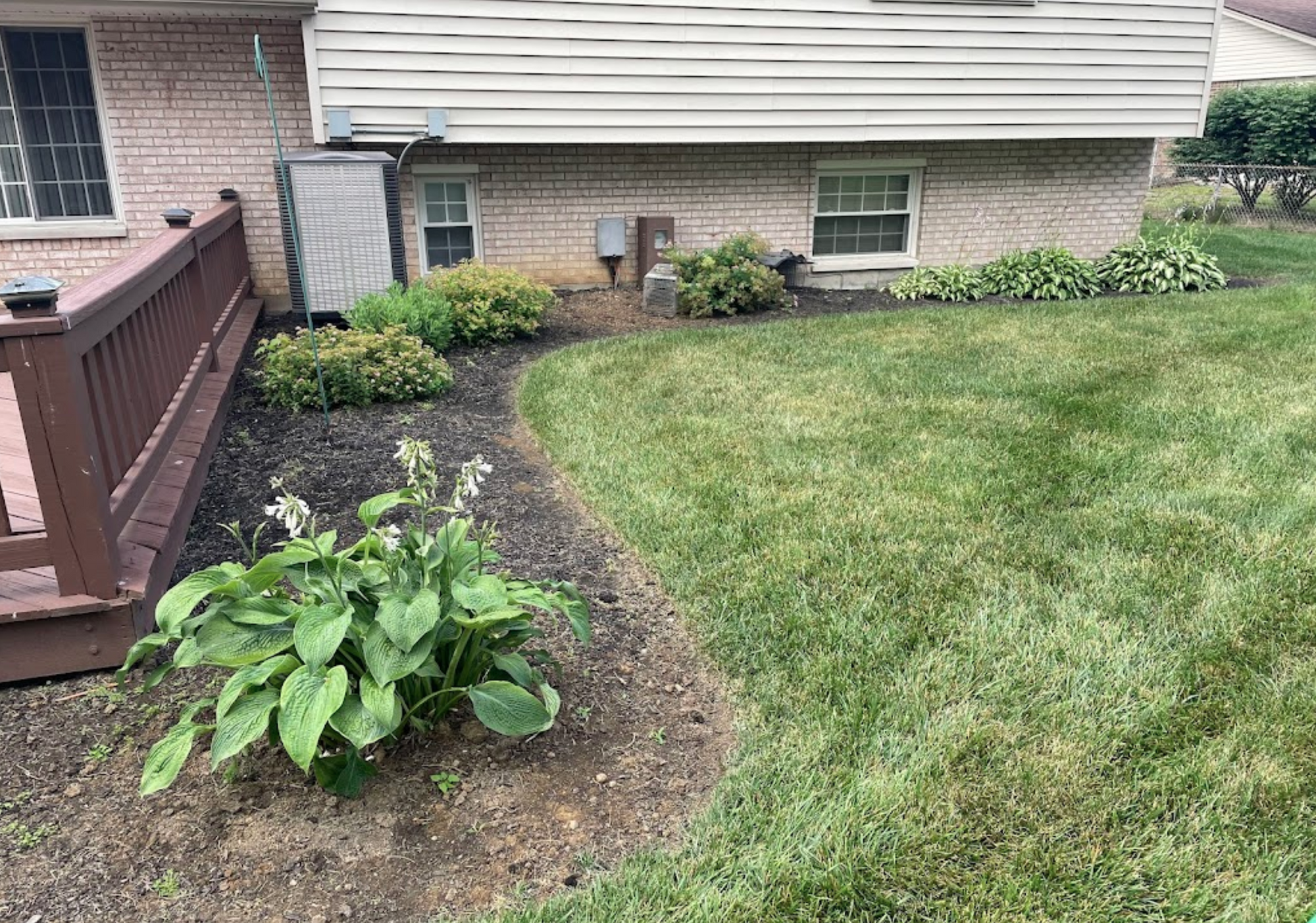
Mulch vs. No Mulch: The Difference
Myers Corner's combination of humid summers, frequent rainfall, and a six-month growing season means organic mulches break down faster here than in cooler or drier climates. Natural hardwood mulch decomposes into the silt loam soil and adds organic matter over time, which genuinely improves soil structure in this area. Dyed or color-enhanced mulches typically use a denser wood fiber base that resists breakdown longer, making them a better choice for homeowners who want consistent color through the full growing season without a mid-summer refresh.
Before
After
Best Mulch Choice for Myers Corner Lawns
Most yards in the Myers Corner area sit on Silt Loam type of soil. Myers Corner's silt loam soil is prone to surface crusting and compaction, especially in beds that receive direct rain impact without any protective ground cover. This makes choosing the right mulch particularly important, as a quality layer shields the soil surface and keeps the fine particles from sealing together into a hard crust that restricts water and air movement.
Hardwood Mulch
Hardwood mulch is especially well-matched to Myers Corner's silt loam because as it breaks down it contributes organic matter that improves the soil's drainage capacity and makes the fine particles more resistant to compaction over time. The gradual decomposition also feeds soil biology that helps maintain the open, aerated structure that plant roots in Zone 6a depend on through both the wet spring season and the drier stretches of late summer.
Mulch Types We Deliver in Myers Corner
Mulch Mound offers bulk mulch delivery in Myers Corner by the cubic yard, dropped right at your curb and ready to spread. The Hudson Valley's clay-heavy soils and cold winters make a consistent mulch layer essential for protecting roots and keeping beds healthy through every season. We carry several locally popular varieties so you can choose the right look and performance for your landscape.
Dyed Black Mulch
Dyed black mulch is the most striking option we carry, offering deep contrast against the light-colored siding and stone details typical of homes in this part of New York. Available in double shredded and triple shredded, it spreads smoothly around beds and borders and holds its bold color through the full growing season.
Dyed Brown Mulch
Warm and versatile, dyed brown mulch is a natural fit for the wooded lots and established landscaping common to this region. It comes in double shredded and triple shredded, both spreading cleanly across garden beds and staying put after heavy rain. The lasting color keeps beds looking freshly maintained all season long.
Natural Brown Mulch
For homeowners who prefer a completely undyed look, natural brown mulch brings a warm earthy tone straight from the wood. Available in double shredded and triple shredded, it works well in naturalistic garden beds where a clean, honest appearance fits the landscape. A practical choice for the varied soil types common in this area.
Complete Your Outdoor Mulch Project
If you are building new beds alongside your mulching project, pairing mulch with a quality garden soil or topsoil gives your plants both the nutrient-rich base and the surface protection they need to thrive through Myers Corner's growing season. For pathways or borders where you want a low-maintenance alternative to organic mulch, decorative stone is a natural complement that handles Myers Corner's annual rainfall without breaking down or requiring seasonal refresh.
In Myers Corner, pull mulch back at least 2 to 3 inches from the base of shrubs and tree trunks before applying. Silt loam holds moisture well, and when mulch is piled against woody stems in a climate with 47 inches of annual rainfall, the combination creates prolonged wet conditions that invite fungal rot and pest damage. A donut-shaped application around plants rather than a volcano mound keeps stems dry and well-ventilated all season long.
Mulch Mound Pro Tip
Before laying mulch in spring, take a few minutes to check your beds for any perennial weeds that pushed through over winter. Myers Corner's silt loam is fine-textured and weeds root easily in it, so pulling them before mulching rather than covering them gives you a far cleaner result through the growing season. A pre-emergent weed treatment applied directly before mulch is placed can also significantly reduce the hand-weeding you need to do between April and September.
Mulch Mound Pro Tip
With 47 inches of annual rainfall in Myers Corner, mulch does real moisture management work during the summer months. A proper mulch layer can reduce soil moisture evaporation by 25 to 50 percent, which translates to noticeably less irrigation during the dry stretches that often hit the Hudson Valley region in late July and August. Maintaining that layer consistently from spring through fall is one of the most cost-effective ways to keep water bills manageable and plants healthy between rain events.
Frequently Asked Questions
Click a question to see the answer
Answer
How thick should I apply mulch in my Myers Corner garden beds?
For most beds in Myers Corner, a depth of 3 inches is ideal. The silt loam soil here compacts under heavy rainfall, so a full 3-inch layer keeps the soil surface protected, slows moisture loss during dry stretches in July and August, and prevents weed seeds from finding bare soil to germinate. Going much thicker than 4 inches can hold too much moisture against plant crowns, especially with 47 inches of annual rain already keeping soil on the wetter side for much of the season.
Answer
Will mulch help protect my plants from the first frost around mid-October?
Yes, mulch provides meaningful insulation as soil temperatures drop heading into the October 15 first frost. A fresh layer applied in late September or early October slows the rate at which soil loses heat, giving perennial roots a bit more time to harden off before the ground freezes. It also keeps soil temperatures more stable during the freeze-thaw cycles that are common in Myers Corner through late fall and early spring, reducing the heaving stress on shallow root systems.
Answer
Does all the rain we get here in Myers Corner wash mulch out of sloped beds?
It can, especially on slopes steeper than about 15 degrees. With 47 inches of annual rainfall, heavy downpours do move lighter shredded mulch. For sloped beds, a shredded hardwood mulch with interlocking fiber tends to stay in place better than nugget-style products. You can also install a simple edging border at the downhill edge of beds to catch material during the intense rain events that are common here from spring through early fall.
Answer
How often should I plan to refresh mulch given the climate in Myers Corner?
In Myers Corner's Zone 6a climate, most homeowners top off mulch once a year, typically in spring after the last frost around April 15. The combination of warm summers and 47 inches of annual rainfall accelerates the breakdown of organic mulch, so by the following spring you are usually working with about half your original depth. An annual top-dress of 1 to 2 inches keeps beds looking fresh and maintains the protective benefits throughout the growing season without over-applying.
Answer
Is dyed mulch safe to use near the vegetable garden I grow in my backyard?
Most dyed mulches on the market today use iron oxide or carbon-based colorants that are considered safe around food gardens. That said, many Myers Corner vegetable gardeners prefer natural hardwood or bark mulch around edibles simply for peace of mind. The more important consideration is avoiding mulches made from recycled pallet wood, which can contain contaminants. For vegetable beds, a natural double-shredded hardwood is a reliable and safe choice that also breaks down to benefit the silt loam soil over time.
Answer
My soil is silt loam. Does that change how I should approach mulching?
Silt loam is a functional base, but it compacts more easily than sandy or loamy soils and it forms a surface crust after repeated rain and drying cycles. Mulch helps by preventing direct raindrop impact on the soil surface, which is the main driver of crusting. Keeping a consistent mulch layer in Myers Corner also reduces the runoff that carries silt off your property during heavy spring and summer storms, protecting both your beds and the surrounding turf from erosion.
Answer
What is the best time of year to mulch in Myers Corner?
Spring is the most popular and practical time, ideally after the last frost around April 15 when soil has started to warm. Applying mulch too early in spring can slow soil warming and delay planting, especially in Zone 6a where those first few degrees of soil warmth matter for germination. A second application or light refresh in early fall, around mid-September, is also beneficial in Myers Corner to protect root systems heading into the October 15 first frost window and through the winter months.
The Unique Landscape of Myers Corner
Myers Corner sits in Zone 6a with native silt loam soil that compacts readily under the weight of 47 inches of annual rainfall, leaving bare garden beds crusted and difficult to work between storms. A consistent mulch layer acts as a buffer, absorbing rain impact and preserving the loose texture that plant roots depend on throughout the growing season. The frost window here runs from roughly April 15 to October 15, and mulch plays a real role at both ends, insulating soil from late cold snaps in spring and slowing the hard freeze-down heading into fall. Without coverage, silt loam loses moisture quickly on warm summer days, forcing more frequent watering and stressing plants during peak growing months. Keeping a proper mulch depth across your beds is one of the most reliable ways to support healthy plant growth while keeping Myers Corner landscapes looking well-maintained from season to season.