















Prompt, accommodating, lovely mulch.
About this mulch
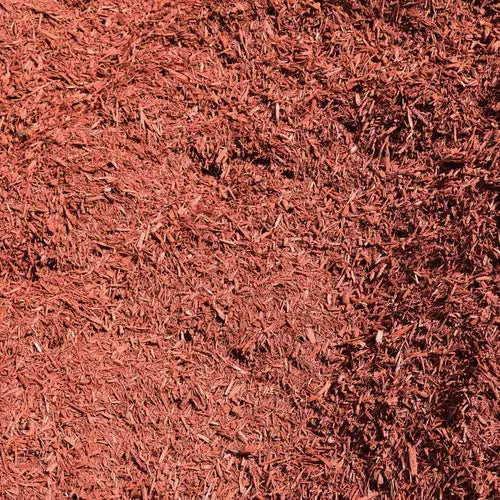
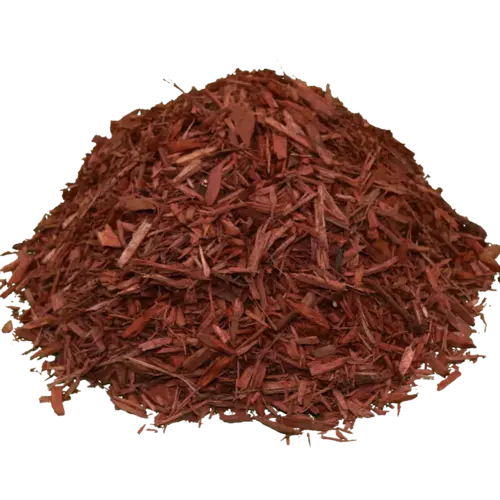
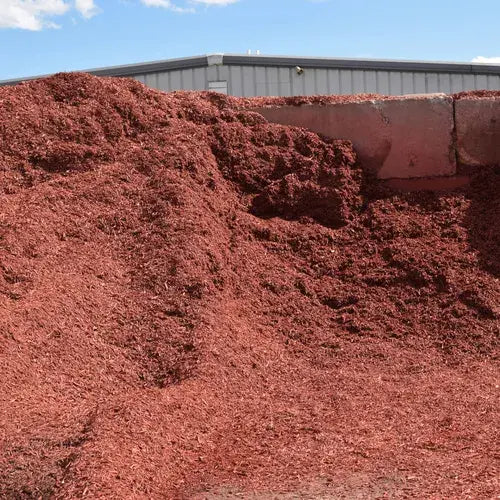
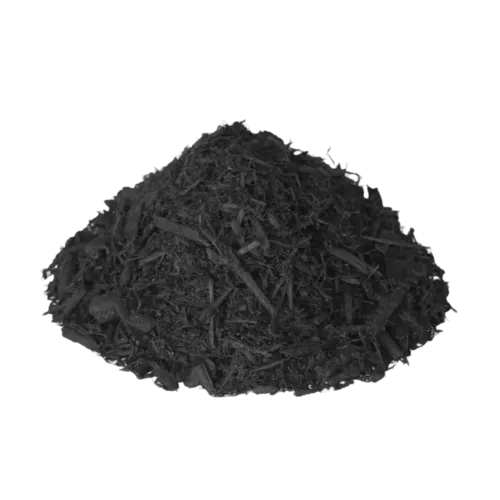
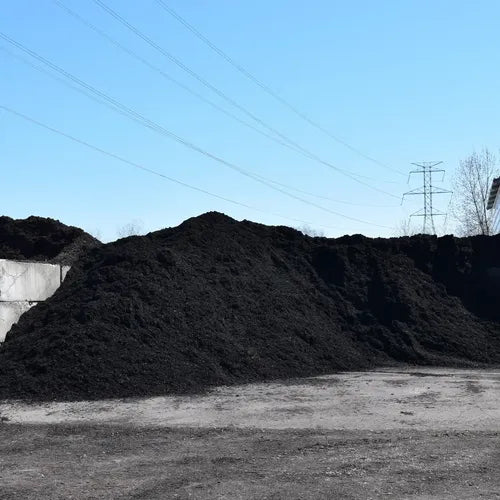
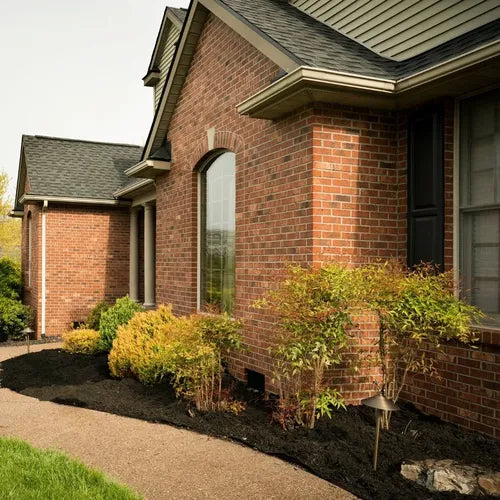
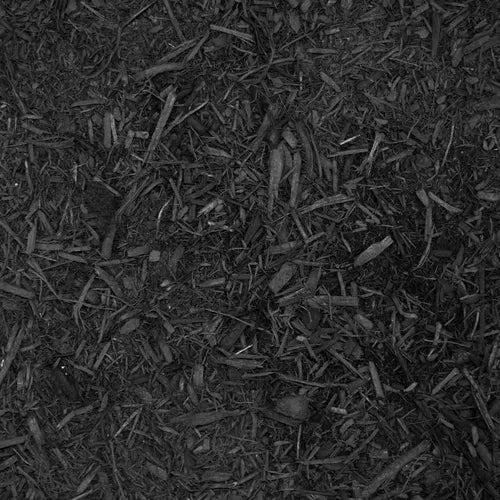
Warm brown double shredded mulch with lasting color that looks freshly applied for weeks. Spreads smooth, stays put, and gives beds a natural, polished appearance.
Prompt, accommodating, lovely mulch.
Tell us what you're looking for
Thanks! We received your request.
Something went wrong. Please try again.
Myrtle Beach Mulch Delivery
Myrtle Beach Mulch Delivery
Regular price
$55.00
per
yard
Regular price
Sale price
$55.00
Unit price
per
Minimum of 3 yard
Couldn't load pickup availability
1 tree planted for every order
About this mulch
Warm brown double shredded mulch with lasting color that looks freshly applied for weeks. Spreads smooth, stays put, and gives beds a natural, polished appearance.
Prompt, accommodating, lovely mulch.
How Much Material Do I Need?
How Much Material Do I Need?
For Myrtle Beach's sandy soil, apply mulch at a minimum depth of 3 inches in partially shaded beds and a full 4 inches in sunny, wind-exposed areas where heat and coastal breezes accelerate evaporation from the soil surface. Keep mulch pulled back 2 to 3 inches from plant stems and tree trunks to prevent the fungal issues that Myrtle Beach's high ambient humidity can promote when organic material stays in constant contact with plant tissue.
Use our free mulch calculator
What is a yard?
What is a yard?
FAQs
FAQs
Tell us what you're looking for
Thanks! We received your request.
Something went wrong. Please try again.
How It Works
Getting started is easy — just follow these simple steps
1
Choose your Mulch
Make sure you adjust the quantity to your home's needs. You can use our calculator to estimate how much you'll need.
2
Select your delivery date
Select a delivery date you'd like for the product to be dropped off at your home
3
Sit back and wait
Sit back, wait, and let us work our magic to make sure the highest quality product is delivered to your driveway.

I am very happy with Mulch Mound service and with the triple shredded mulch. It looks great, and I would use them again.

Mulch Mound is an excellent supplier. My online ordering process was quick and easy and they stuck to their delivery date. Highly recommend!
Calculate mulch for your Myrtle Beach project
For Myrtle Beach's Sandy type of soil, we recommend 2-3 inches for best weed suppression and moisture retention
Try Our CalculatorTo estimate mulch for a Myrtle Beach planting bed, measure length and width in feet and multiply to get square footage, then plan for at least 3 inches of depth to adequately buffer the sandy soil — more than you'd need in a loamy or clay-based soil region. Because sandy soil dries out faster than any other soil type, erring toward 4 inches in full-sun, exposed beds is worth the extra material and will reduce how frequently you need to water. Use our online calculator to convert your square footage and target depth into cubic yards, and don't forget to account for irregular bed shapes by breaking them into rectangular sections.



Best Mulch Choice for Myrtle Beach Lawns
Most yards in the Myrtle Beach area sit on Sandy type of soil. Myrtle Beach's sandy soil has almost no native capacity to hold moisture or nutrients — water moves through it quickly, and the planting bed surface can be dry and hot to the touch within hours of a rain event.
Hardwood Mulch
Hardwood mulch is particularly well-suited to Myrtle Beach's sandy soil because as it decomposes in the warm, humid climate, it converts into rich humus that directly addresses sandy soil's core weakness — slowly building the organic fraction that holds water, feeds soil microbes, and gives roots something meaningful to grip between watering cycles.
Complete Your Outdoor Mulch Project
If your sandy beds need more than surface coverage, pair your mulch delivery with a bulk topsoil or premium garden soil order to build genuine nutrient content before you mulch — sandy Myrtle Beach soil often benefits dramatically from having both layers working together. Add a decorative stone border or pea gravel edging to define bed lines and prevent mulch from migrating onto driveways and walkways during the heavy summer rain events that are a regular feature of Grand Strand weather.


Mulch Mound Pro Tip
In zone 8b, Myrtle Beach gardens face weed pressure almost year-round — common invaders like chamberbitter, tropical signalgrass, and Virginia buttonweed don't die back the way northern weeds do when temperatures drop. Laying a 3- to 4-inch mulch layer in early March, just after the last frost risk passes around February 25th, smothers germinating weed seeds before the long growing season builds momentum. Refreshing that layer each October before December extends your weed-free window right through the mild Myrtle Beach winter months.
Mulch Mound Pro Tip
Sandy soil has almost no capillary action — it cannot wick moisture upward the way loamy or clay soils do, so surface evaporation hits shallow-rooted plants hard during the dry stretches between Myrtle Beach's summer rain events. A consistent 3 to 4 inch mulch layer can cut soil moisture evaporation by up to 70%, giving ornamentals and newly planted shrubs a far better chance of establishing without daily irrigation. This moisture-banking effect is especially critical in the first summer after planting, when root systems are still too limited to reach deeper reserves in the sandy profile.
Mulch Mound Pro Tip
With 52 inches of annual rainfall, Myrtle Beach gets more precipitation than most of the Southeast — but all that rain speeds up organic mulch decomposition, meaning beds need refreshing more often than in drier climates inland. Budget for at least one full replenishment per year, ideally in early spring before growth takes off. On the positive side, that faster breakdown means hardwood and natural mulches are constantly contributing organic matter to sandy soil that has very little of its own, gradually improving the root environment season after season in a way that synthetic mulches simply cannot.
The Unique Landscape of Myrtle Beach
Myrtle Beach's sandy coastal soil is notoriously poor at holding moisture — even the heavy summer downpours that roll in off the Atlantic can drain away before shallow plant roots get a chance to absorb them. A thick layer of mulch acts as a critical buffer between that thirsty sand and the open sky, slowing evaporation and giving rainfall time to penetrate deeper into the soil profile. With summer temperatures regularly climbing into the low 90s and a humidity level that encourages fungal growth at the soil surface, the right mulch also moderates ground temperature and improves airflow around plant crowns. Myrtle Beach's unusually long growing season — stretching from roughly February 25th all the way to December 1st — means planting beds are under active biological demand for nearly nine months of the year, putting constant stress on whatever nutrients and moisture the sandy soil can hold. Organic mulches break down considerably faster here than they would in cooler inland regions, which is ultimately a benefit because the decomposing material steadily builds the organic layer that sandy coastal soil almost entirely lacks. Keeping beds properly mulched is one of the highest-impact maintenance habits a Myrtle Beach homeowner can develop.
Explore other options for landscape supply delivery in Myrtle beach, South carolina