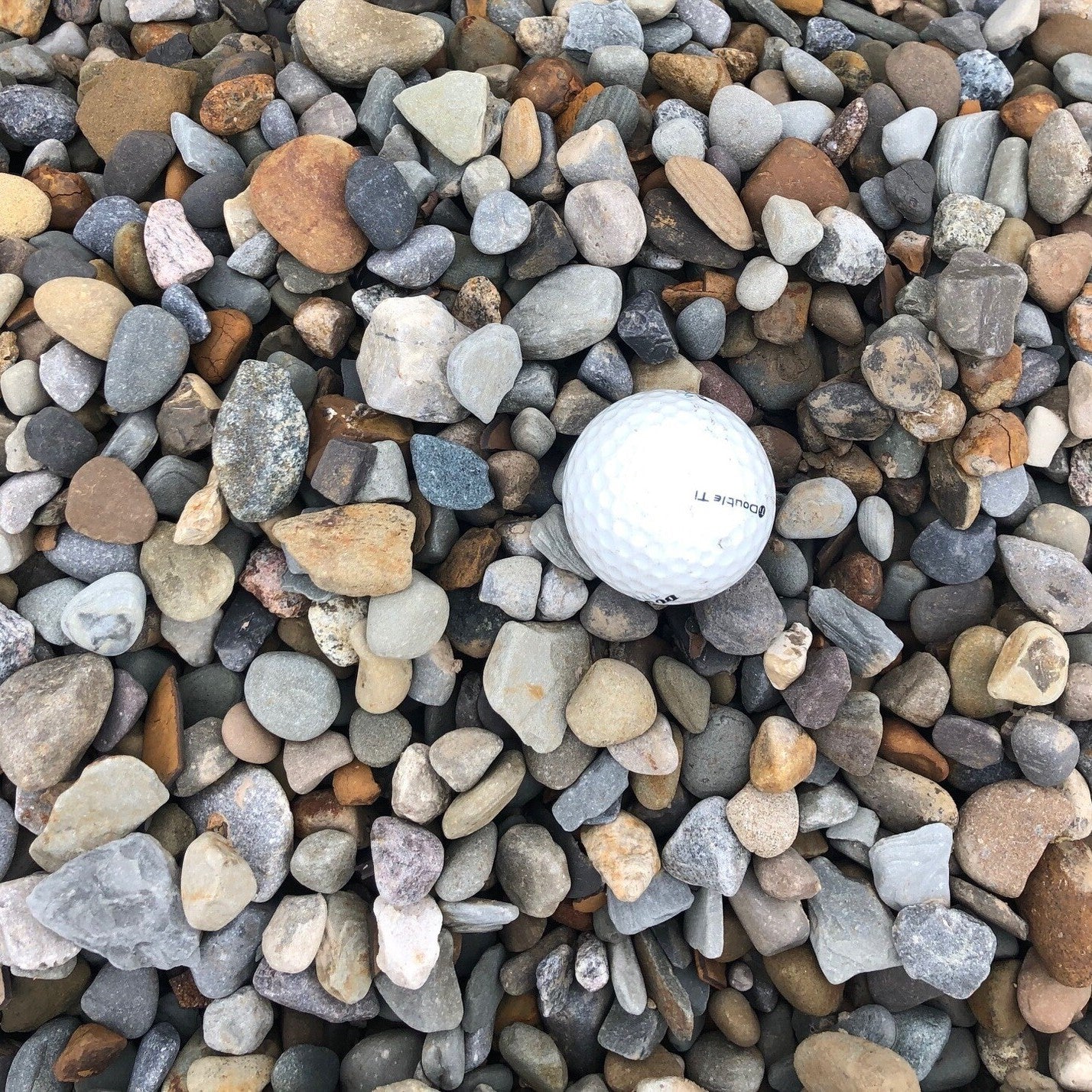
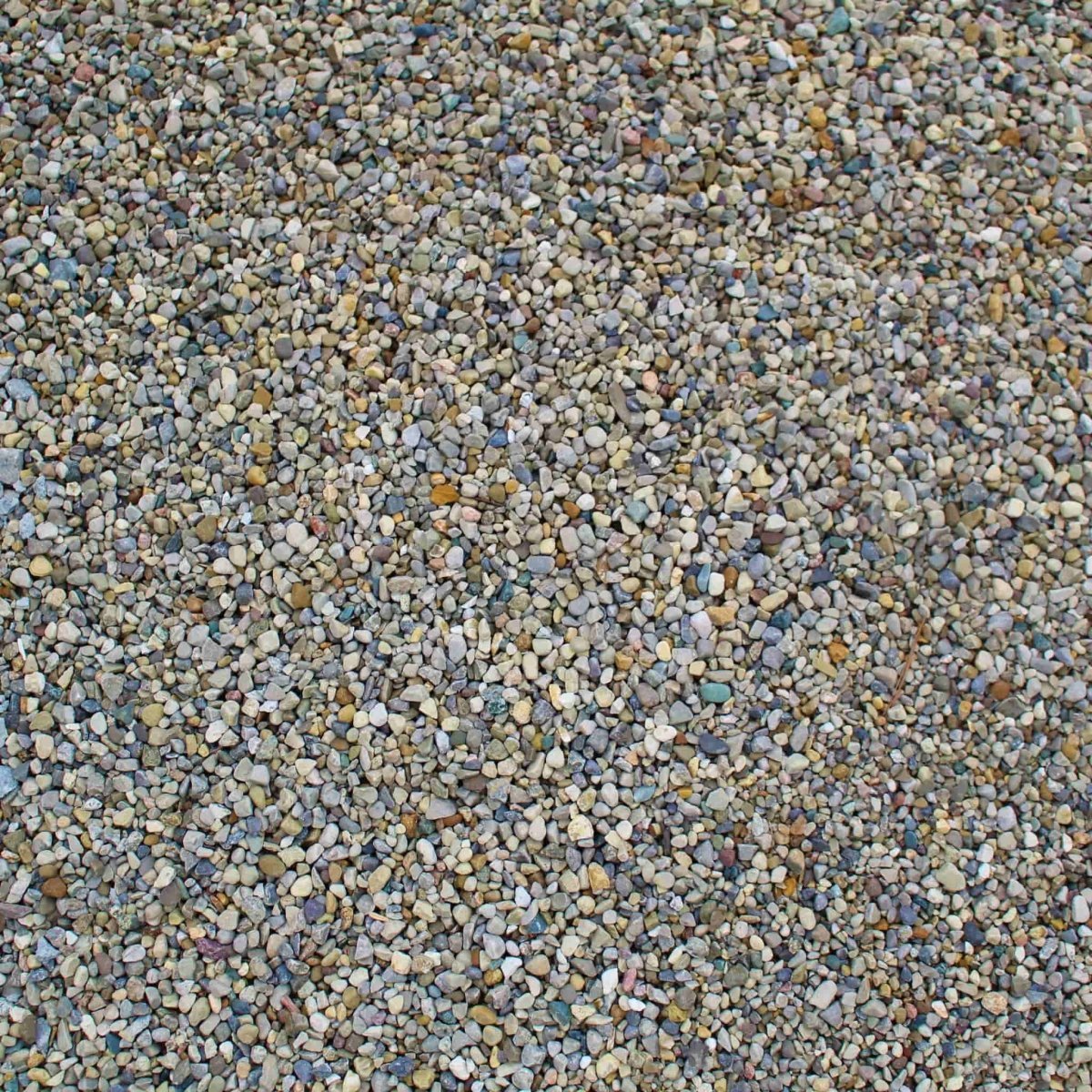
Number 57 crushed stone, angular limestone graded to about three quarters of an inch. The standard driveway, base and drainage gravel, it locks together under traffic and drains fast.
I contacted Mulch Mound for #57 river rocks and it was easy and fast to get a delivery right before the holiday weekend. Stone was delivered as promised and place exactly where I asked. Excellent service! I will be ordering mulch next!
Tell us what you're looking for
Thanks! We received your request.
Something went wrong. Please try again.
How Much Material Do I Need?
For decorative ground cover beds in Myrtle Beach, a 2 inch stone layer provides solid weed suppression over landscape fabric; for walkways and drainage features installed on sandy soil, use 3 to 4 inches to prevent settling and lateral migration under use and rainfall. When covering larger areas like foundation perimeters or full-yard conversions common in vacation-home landscapes, ordering in bulk ensures color consistency and reduces per-unit cost significantly compared to pallet or bag quantities.
Use our free gravel calculator
What is a yard?
A yard is approximately 27 cubic feet. As a general guideline, one yard of material can cover an area of about 100-160 square feet at a 2-3 inch depth.
We can't take orders for this right now. Tell us what you need and we'll get back to you.
What do you need?
Thanks! We received your request.
Something went wrong. Please try again.
Hand-picked local yards
4,000+ regional deliveries
Dedicated support
Why order through Mulch Mound
The best local stone, without the guesswork.
We hand-pick and partner with the best yards in your region, keep only the ones our buyers rate well, and back each load with our guarantee.
Mulch Mound Guarantee
If your stone isn't the quantity or quality you ordered, we'll make it right.
About this stone
Number 57 crushed stone, angular limestone graded to about three quarters of an inch. The standard driveway, base and drainage gravel, it locks together under traffic and drains fast.
I contacted Mulch Mound for #57 river rocks and it was easy and fast to get a delivery right before the holiday weekend. Stone was delivered as promised and place exactly where I asked. Excellent service! I will be ordering mulch next!
How Much Material Do I Need?
For decorative ground cover beds in Myrtle Beach, a 2 inch stone layer provides solid weed suppression over landscape fabric; for walkways and drainage features installed on sandy soil, use 3 to 4 inches to prevent settling and lateral migration under use and rainfall. When covering larger areas like foundation perimeters or full-yard conversions common in vacation-home landscapes, ordering in bulk ensures color consistency and reduces per-unit cost significantly compared to pallet or bag quantities.
Use our free gravel calculator
What is a yard?
A yard is approximately 27 cubic feet. As a general guideline, one yard of material can cover an area of about 100-160 square feet at a 2-3 inch depth.
I contacted Mulch Mound for #57 river rocks and it was easy and fast to get a delivery right before the holiday weekend. Stone was delivered as pro...
Read full review
I contacted Mulch Mound for #57 river rocks and it was easy and fast to get a delivery right before the holiday weekend. Stone was delivered as promised and place exactly where I asked. Excellent service! I will be ordering mulch next!
To calculate stone for a Myrtle Beach project, measure the coverage area in square feet and determine the depth — 2 inches for decorative top-dressing, 3 to 4 inches for walkways on sandy soil where foot traffic will shift a thinner base, and 4 to 6 inches in drainage channels sized for summer storm flow. Stone is considerably denser than mulch, so our calculator converts your measurements directly to tons or cubic yards depending on stone type. Order in a single bulk delivery whenever possible — stone lot color and texture can vary slightly between separate loads, and consistency across the entire project matters for decorative applications.
Stone Types We Deliver in Myrtle Beach
Mulch Mound makes it simple to get bulk gravel by the yard in Myrtle Beach, delivering stone straight to your property with no hauling required. Sandy coastal soils and the region's humid summers call for materials that drain freely and hold their look season after season. We measure and price by the cubic yard so you get exactly what your project needs.
Pea Gravel
Pea gravel is the top pick for homeowners along the South Carolina coast who want a low-maintenance ground cover that handles heavy seasonal rains without washing out. Its smooth, rounded edges and warm earth tones complement the relaxed outdoor living styles common in this part of the state. Use it for patios, walkways, or decorative borders.
2" River Stone
The 2 inch river stone brings a polished, natural look that pairs well with the tropical garden styles popular in coastal South Carolina. Its smooth surface sheds moisture cleanly in the humid climate and works beautifully in dry creek beds, around ornamental palms, and as a bold decorative accent in planting beds.
Complete Your Outdoor Stone Project
Combine your stone order with bulk mulch for a layered landscape design — decorative gravel near foundations and hardscape edges paired with organic mulch in planting beds is a classic and highly functional combination in Myrtle Beach's coastal cottage and resort-style yards. Add quality topsoil to any planting pockets within your stone design so ornamental grasses, sabal palmettos, or tropical perennials have the root medium they need to establish and thrive through zone 8b's long, demanding growing season.
Myrtle Beach sits at just 26 feet of elevation on a nearly flat coastal plain, and while sandy soil drains fast, it offers almost no resistance to the channeling and spreading of water across yard surfaces during intense summer thunderstorms. A properly graded stone drainage swale — running from the yard's low points toward the street, a dry well, or a retention area — can redirect thousands of gallons of water safely away from foundations and low-lying beds. Use 1.5 to 3 inch washed river rock in the channel itself to handle flow velocity without washing out the way mulch or bare soil would under heavy storm conditions.
Mulch Mound Pro Tip
For vacation properties and second homes along the Grand Strand, stone is the undisputed choice for low-maintenance curb appeal that holds up during extended periods without attention. It doesn't decompose in the humid coastal climate, won't scatter in Atlantic breezes the way lightweight mulch can, and maintains its appearance through a full Myrtle Beach summer without seasonal refreshing. Replacing mulched foundation borders with a 3 inch layer of river pebble or crushed granite over woven landscape fabric delivers a clean, polished look that survives months unattended and still looks intentional when you return.
Mulch Mound Pro Tip
Sandy soil along Myrtle Beach's coastal lots is highly vulnerable to surface erosion — both from the raindrop impact that dislodges loose sand particles and from the sheet flow that builds up quickly when Myrtle Beach's 52 inches of annual rainfall falls in concentrated storm bursts rather than gentle soaking rains. Installing a 3 to 4 inch stone apron along bed edges, driveways, and the base of any graded slope creates a physical armor layer that absorbs impact energy and slows water velocity before it can pick up and transport sandy soil. This erosion-control benefit is permanent and requires zero maintenance, making it one of the highest-return improvements a Myrtle Beach property owner can make.
The Unique Landscape of Myrtle Beach
In Myrtle Beach's sandy, low-lying coastal landscape, decorative and functional stone fills roles that no other material can replicate — from anchoring erosion-prone sandy beds to creating permeable pathways that handle the city's 52 inches of annual rainfall without washing out or becoming muddy. Because native sandy soil provides almost no natural erosion resistance on its own, stone is uniquely effective along foundation borders, drainage swales, and slope transitions where the water velocity from summer thunderstorms would otherwise carry soil away in sheets. Low-maintenance landscaping is a high priority for Myrtle Beach's large vacation-home and second-home market, and stone installations require virtually no seasonal upkeep compared to mulched areas that decompose rapidly in the warm, humid coastal climate. River rock, pea gravel, and crushed stone each offer distinct aesthetics that pair naturally with the coastal cottage, resort-style, and Lowcountry architectural styles found across the Grand Strand. With a growing season that stretches nearly nine months, stone also serves as thermal mass — absorbing daytime heat in late winter and radiating it back into the root zone, extending the warmth that zone 8b subtropical plants love during February and March's transitional weeks. Whether you're solving a persistent drainage problem or designing a resort-worthy front landscape, bulk stone gives Myrtle Beach properties lasting durability that organic materials simply cannot match.
Frequently Asked Questions
Click a question to see the answer
Answer
What size and type of stone works best for a drainage swale in a typical Myrtle Beach yard?
For a drainage swale on a flat Myrtle Beach lot, a washed river rock in the 1.5 to 3 inch diameter range is the standard choice — it's large enough that it won't migrate under the water velocity of a summer storm surge, but small enough to pack and interlock into a stable channel surface. Avoid pea gravel in active drainage applications; it floats and redistributes in heavy flow. Line the swale with landscape fabric before placing stone to prevent sandy native soil from working upward through the rock layer over time, which is a common issue in Myrtle Beach's loose coastal substrate.
Answer
Will pea gravel wash away in heavy rain given how much Myrtle Beach gets — 50-plus inches a year?
Pea gravel can migrate during intense rainfall if it's placed in a sloped area without proper containment or if it's installed too shallowly. In Myrtle Beach, the combination of 52 inches of annual rainfall and frequent intense summer storms means containment is non-negotiable — install solid or steel edging around any pea gravel area and maintain a minimum 3 inch depth so the upper stones can move slightly without exposing the fabric or soil below. On flat ground with good edging, pea gravel performs very well and its permeability is actually an advantage, allowing water to drain through rather than run off across the surface.
Answer
How deep should I lay stone for a backyard walkway, given that the ground underneath is basically sand?
On Myrtle Beach's sandy substrate, a walkway stone layer should be at least 3 to 4 inches deep to resist the settling and lateral migration that happens when foot traffic compresses loose sand beneath the stone. For heavier-use paths, adding a 2 inch compacted base of crushed limestone screenings or road base beneath the decorative stone gives the entire system much better stability. Sandy soil shifts more than most homeowners expect under repeated foot traffic — a thin 1 to 2 inch layer looks fine initially but develops ruts and bare spots within one or two seasons.
Answer
Can decorative stone help with the erosion problems I have along the sandy edges of my property?
Stone is one of the most effective tools for controlling surface erosion on sandy Myrtle Beach properties. A 3 to 4 inch layer of river rock or crushed stone along bed edges, driveways, and foundation lines dissipates the raindrop impact energy that dislodges sand particles and slows the surface sheet flow that carries them away. Unlike mulch, which floats and repositions in heavy rain, stone stays put and creates a stable armored surface. This is particularly valuable along the northeast-facing sides of properties where the most intense Atlantic storm rain events tend to drive water across exposed yard surfaces.
Answer
Does stone get too hot for plants in a Myrtle Beach summer — I've heard it can superheat the ground?
Light-colored stones like white marble chip or tan pea gravel reflect more solar radiation and stay significantly cooler than dark river rock or black lava stone in Myrtle Beach's intense summer sun. Dark stone in direct southern exposure can reach surface temperatures that damage shallow roots and stem bases of heat-sensitive plants. If you're integrating stone around plantings rather than in purely hardscape areas, stick with lighter-colored materials and keep stone pulled back a few inches from trunks and stems. In purely decorative or walkway applications away from plant crowns, most standard stone choices perform fine throughout the Myrtle Beach summer.
Answer
Do I need landscape fabric under stone in Myrtle Beach, or can I just lay it directly on the sand?
Landscape fabric is strongly recommended under stone installations in Myrtle Beach — without it, the sandy native soil works its way up through the stone layer surprisingly quickly, creating a muddy mixture that's difficult to restore and accelerates weed growth right through the stone surface. This 'sand pumping' effect is driven partly by rainfall impact and partly by foot traffic vibration, and it's more pronounced in sandy coastal soil than in heavier soils further inland. Use a woven geotextile fabric rated for stone applications, not standard plastic sheeting, which traps water and breaks down quickly in the humid coastal climate.
Answer
For my beach house that I'm away from most of the year, which is better — stone or mulch for the front beds?
For a vacation or second home along the Grand Strand, stone is the clear practical winner. Mulch requires annual refreshing, can wash or blow out of beds during summer storms, and looks tired and faded by the time you return from a winter away. A properly installed stone bed with landscape fabric underneath holds its appearance for years without attention, doesn't decompose in Myrtle Beach's humid climate, and won't harbor the fire ant colonies that can establish quickly in warm, moist mulch. The upfront cost is higher, but for an unattended property, stone pays for itself almost immediately in saved maintenance and avoided re-application costs.
Answer
Is crush and run the same as crusher run?
Crush and run gets its name from crushed stone blended with stone dust, a combo that compacts hard for driveways and base layers. With Myrtle Beach's sandy soil and heavy rainfall, our clean Crushed Stone #57 drains freely and resists washout better for pathways, drainage swales, and foundation borders.