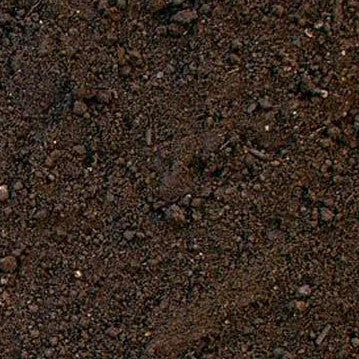
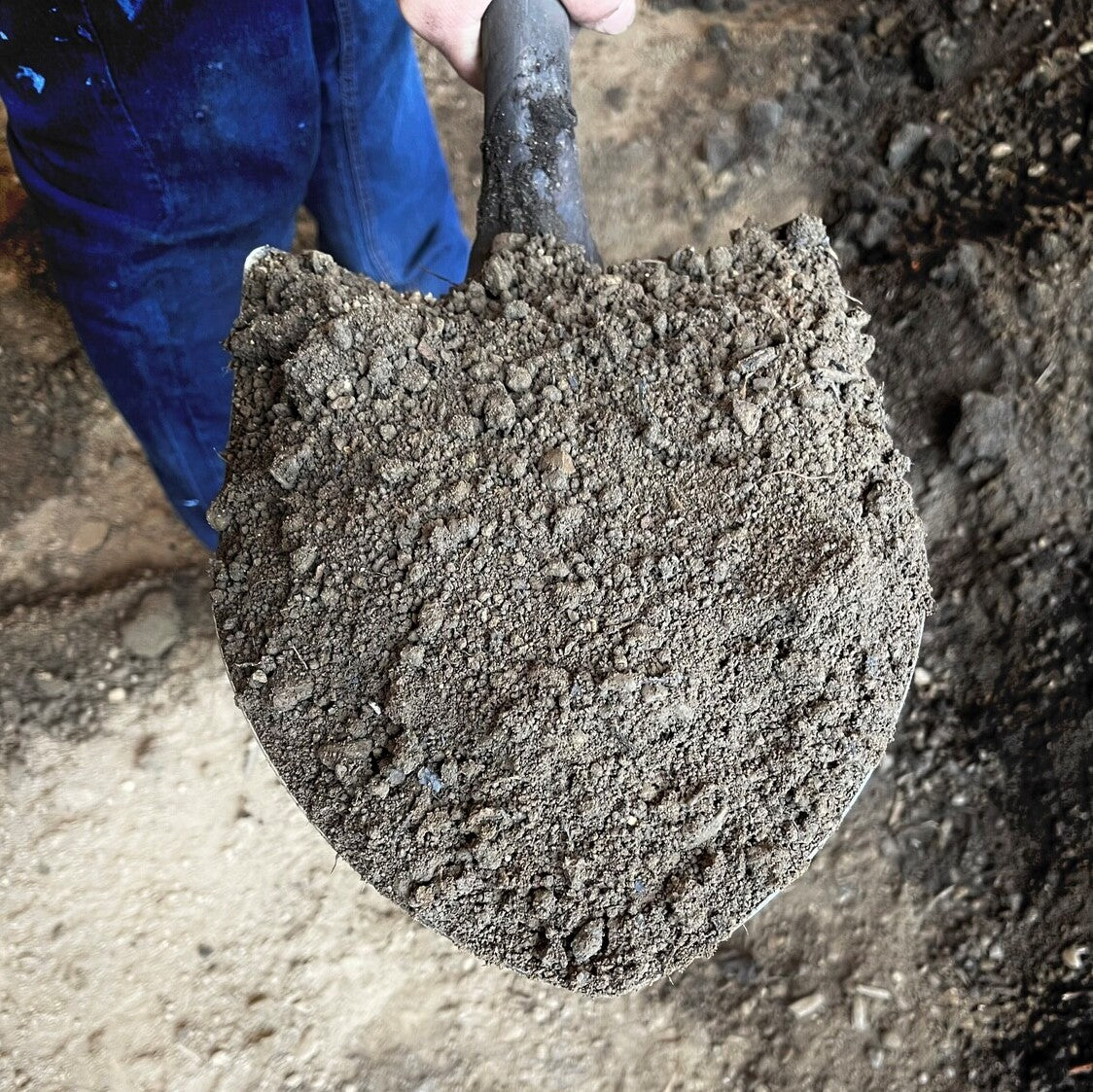
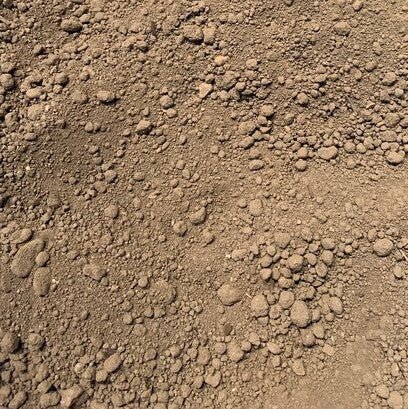
Quality topsoil for lawns, gardens, and landscape projects. Nutrient rich and ready to support strong root development and healthy plant establishment.
I used Mulch Mound to have 3 cubic yards of garden soil delivered. The process was easy and I love that I didn't have to call anyone. I placed my order online, picked my delivery date, laid out my tarp and the dirt was delivered. My delivery had to be pushed back, but I was ke...
Tell us what you're looking for
Thanks! We received your request.
Something went wrong. Please try again.
How Much Material Do I Need?
For lawn leveling and top-dressing on Myrtle Beach's sandy lots, a 1 to 2 inch layer corrects minor grade issues and improves surface drainage without stressing existing turf; for new garden beds and raised planting areas, target 8 to 12 inches of quality soil over the native sandy substrate to create a root environment that can hold moisture reliably through the long growing season. Always order slightly more than your measurements suggest — sandy subsoil compresses under the weight of added material faster than most other soil types, and running short mid-project means a second delivery trip.
Use our free soil calculator
What is a yard?
A yard is approximately 27 cubic feet. As a general guideline, one yard of material can cover an area of about 100-160 square feet at a 2-3 inch depth.
What is a yards?
A yard is approximately 27 cubic feet. As a general guideline, one yard of material can cover an area of about 10 feet by 10 feet at a few inches deep.
We can't take orders for this right now. Tell us what you need and we'll get back to you.
What do you need?
Thanks! We received your request.
Something went wrong. Please try again.
Hand-picked local yards
4,000+ regional deliveries
Dedicated support
Why order through Mulch Mound
The best local soil, without the guesswork.
We hand-pick and partner with the best yards in your region, keep only the ones our buyers rate well, and back each load with our guarantee.
Mulch Mound Guarantee
If your soil isn't the quantity or quality you ordered, we'll make it right.
About this soil
Quality topsoil for lawns, gardens, and landscape projects. Nutrient rich and ready to support strong root development and healthy plant establishment.
I used Mulch Mound to have 3 cubic yards of garden soil delivered. The process was easy and I love that I didn't have to call anyone. I placed my order online, picked my delivery date, laid out my tarp and the dirt was delivered. My delivery had to be pushed back, but I was ke...
How Much Material Do I Need?
For lawn leveling and top-dressing on Myrtle Beach's sandy lots, a 1 to 2 inch layer corrects minor grade issues and improves surface drainage without stressing existing turf; for new garden beds and raised planting areas, target 8 to 12 inches of quality soil over the native sandy substrate to create a root environment that can hold moisture reliably through the long growing season. Always order slightly more than your measurements suggest — sandy subsoil compresses under the weight of added material faster than most other soil types, and running short mid-project means a second delivery trip.
Use our free soil calculator
What is a yard?
A yard is approximately 27 cubic feet. As a general guideline, one yard of material can cover an area of about 100-160 square feet at a 2-3 inch depth.
What is a yards?
A yard is approximately 27 cubic feet. As a general guideline, one yard of material can cover an area of about 10 feet by 10 feet at a few inches deep.
I used Mulch Mound to have 3 cubic yards of garden soil delivered. The process was easy and I love that I didn't have to call anyone. I placed my o...
Read full review
I used Mulch Mound to have 3 cubic yards of garden soil delivered. The process was easy and I love that I didn't have to call anyone. I placed my order online, picked my delivery date, laid out my tarp and the dirt was delivered. My delivery had to be pushed back, but I was kept informed via text, which was great. So why not 5 stars? The description of garden soil on the website is "A balanced mix of topsoil and organic amendments ready for raised beds, flower gardens, and new planting areas. Good drainage, solid nutrients, easy to work with." What I got was more like fill dirt. It had a lot of gravel, a lot of clay, and random trash mixed in. I didn't test the soil to see if it actually had "amendments" because I already have compost and alpaca manure ready to add, but if I'd known the quality of the dirt was going to be the same as the bagged dirt I bought last year, I probably would have gotten 2 yards of top soil and a yard of leaf compost for better quality, especially since the leaf compost is cheaper. Photo of my mountain of dirt and just some of the trash I found in it.
To estimate soil quantity for a Myrtle Beach project, measure the length and width of the area in feet and decide on your fill depth — even a 2-inch top-dress across a large coastal lot adds up to more cubic yards than most homeowners initially expect. For raised beds, a standard 10 to 12 inch depth is worth targeting in Myrtle Beach's heat, since deeper beds retain moisture longer above the sandy subsoil and give roots room to stay in the cooler, moister zone during summer. Use our calculator to get an accurate cubic yard figure before ordering, and add roughly 10 to 15 percent extra to account for the settling that happens quickly when new soil compresses against a sandy subgrade.
Soil Types We Deliver in Myrtle Beach
Mulch Mound delivers bulk topsoil by the yard in Myrtle Beach and the surrounding coastal communities. The sandy, naturally draining soils common throughout this part of South Carolina often need supplementing to support healthy lawns, gardens, and new landscape installations. We deliver every order by the cubic yard, so you get exactly the volume your project requires.
Screened Top Soil
Our screened topsoil is a nutrient-rich, finely textured blend ideal for lawn repairs, raised beds, and new plantings. Screened to remove roots and debris, it creates a clean, workable surface that encourages strong root development. It suits homeowners across the coastal plain who want reliable results in sandy, nutrient-poor native ground.
Standard Fill Dirt
This unscreened sandy loam moves well in large volumes, making it a practical choice for leveling low spots, building up grades, and preparing sites before final landscaping. Its natural drainage characteristics suit the wet, storm-prone conditions common along the South Carolina coast, reducing ponding on residential and commercial properties alike.
Premium Organic Compost
Our premium organic compost is a rich amendment that improves soil structure, water retention, and nutrient availability in planting beds. The long, warm growing season typical of this part of South Carolina rewards well-amended soil, and this material is a popular upgrade for vegetable gardens, flower beds, and newly planted trees or shrubs.
Complete Your Outdoor Soil Project
Once your soil is graded and settled, top any planting beds with a 3 to 4 inch layer of bulk mulch to lock in moisture and prevent the sandy subsoil from wicking away your new growing medium — the two products work together far better than either does alone in Myrtle Beach's conditions. Consider adding a stone border or gravel edging along bed perimeters to physically contain fresh topsoil during the heavy summer downpours that are a regular feature of life on the Grand Strand.
How much topsoil do I actually need to improve a sandy Myrtle Beach lawn that won't hold water?
For a top-dressing application designed to improve moisture retention in an existing lawn, 1 to 2 inches spread across the surface is the standard starting point — enough to introduce organic matter and slow drainage without smothering the turf. For more significant soil-building, especially in severely sandy areas with almost no organic content, a 3 to 4 inch layer tilled into the top 6 inches of native sand makes a more lasting difference. Because Myrtle Beach's sandy soil is so porous, even a modest topdress dramatically changes how long water lingers in the root zone after our summer thunderstorms roll through.
Answer
Can I use bulk topsoil to fix the low spots in my yard where rainwater pools after a storm?
Yes, filling and grading low spots is one of the most common soil projects on Myrtle Beach's flat coastal lots, and bulk topsoil handles it well. The key is to grade so water moves consistently away from the house foundation — even a 1 to 2 percent slope is enough on flat sandy ground to redirect flow. Fill low spots in layers, tamping between applications, and seed or sod promptly so the new soil doesn't erode during the next heavy rain. Given the frequency of intense summer storms here, you want roots anchoring that topsoil as quickly as possible.
Answer
What's the difference between topsoil and garden mix, and which one should I use for a vegetable garden in Myrtle Beach?
Standard screened topsoil is mineral soil with some organic content — great for lawn leveling, grading, and filling — while a premium garden mix typically blends topsoil with compost, aged bark, or other organic amendments for higher nutrient density and better water retention. For a vegetable garden in Myrtle Beach, garden mix is the better choice because the high organic content directly counters the nutrient-leaching effect of sandy native soil. Even a raised bed built entirely with garden mix will lose nutrients faster here than it would in a cooler climate, so refreshing with compost each season is still important.
Answer
Will the soil I add wash away during Myrtle Beach's heavy summer rain events?
Unprotected soil on bare ground is vulnerable to erosion in any heavy rainstorm, and Myrtle Beach's summer thunderstorms can deliver an inch or more of rain in under an hour. The best defense is immediate ground cover — seed bare lawn areas promptly after grading, and top any garden beds with 3 to 4 inches of mulch as soon as the soil is placed. Installing landscape edging or stone borders around fresh garden beds also physically intercepts water flow before it can carry surface soil away. Sandy subsoil beneath new topsoil means the erosion risk is mostly at the surface, so surface coverage is your most important protection.
Answer
My native soil is basically nutrient-free sand — should I mix in topsoil or just use a soil amendment?
For planting beds and garden areas, using a quality bulk topsoil or garden mix as a several-inch deep layer over the native sand gives roots an actual growing medium to work in — amendments added directly to deep sandy soil tend to disperse quickly and lose their effect within one or two growing seasons. Think of it as building a new soil profile rather than fixing the existing one. In Myrtle Beach's long growing season, plants in a properly built topsoil layer outperform those in amended sand almost from the first month, particularly when it comes to holding the moisture and nutrients that our frequent heavy rains would otherwise push straight through.
Answer
Is it safe to build a raised garden bed with bulk soil in Myrtle Beach given how humid it gets?
Absolutely — raised beds are actually a very smart approach in Myrtle Beach because they let you create an ideal growing medium completely independent of the sandy native soil below. The key in our humid coastal climate is choosing a well-draining soil mix that won't become waterlogged and anaerobic during wet periods. Look for a blend with visible coarse texture and good air pockets — it should crumble freely rather than clump in your hand. Position beds where they receive morning sun to dry the surface quickly, and avoid solid-sided beds without drainage holes that could trap excess water during summer rain events.
Answer
What time of year is best for lawn leveling and soil work in Myrtle Beach?
Late winter to early spring — specifically February through April — is the ideal window for soil work on Myrtle Beach lawns. The last frost average of February 25th means the ground stays workable almost year-round, and completing grading and leveling before the warm-season grasses (Bermuda, Zoysia, Centipede) break dormancy allows the soil to settle and the turf to grow up through it naturally. Fall is a secondary good window, roughly September through November, when temperatures moderate and rainfall is more predictable — soil placed and seeded in fall can establish root systems before December 1st's first frost risk arrives.
Mulch Mound Pro Tip
Myrtle Beach's flat, low-lying lots collect water in low spots after heavy storms — something that's especially noticeable at just 26 feet of elevation with minimal natural drainage relief. When top-dressing to level an existing lawn, apply no more than 1 inch of topsoil at a time over living turf, then give the grass two to three weeks to grow through before adding another layer. This gradual approach corrects the grade over two or three seasonal passes without smothering your warm-season turf, which can suffocate quickly under a deep sudden covering even in Myrtle Beach's generous growing conditions.
Mulch Mound Pro Tip
Myrtle Beach's native sandy soil typically has a low cation exchange capacity, meaning it holds almost no nutrients against the leaching pressure of rainfall — fertilizer applied in spring can be largely gone by midsummer. When building a new garden bed, blend bulk topsoil into the native sand at a rough 60/40 ratio in the top 8 inches rather than simply laying it on top: this improves drainage while still boosting organic matter enough to support heavy-feeding vegetables, tropical ornamentals, and the lush subtropical plants that thrive in zone 8b. Top the finished bed with compost before planting to add the biological layer that jump-starts nutrient cycling.
Mulch Mound Pro Tip
High humidity in Myrtle Beach can make poorly draining raised beds a breeding ground for root rot and fungal pathogens, particularly during the long warm season when soil temperatures stay elevated for months at a stretch. When selecting a garden mix for a raised bed, look for a blend with visible coarse texture and chunky organic material — it should crumble apart readily when squeezed rather than forming a dense clump. Avoid mounding soil higher than the drainage holes or weep gaps in bed walls, and position raised beds where they receive direct morning sun to help the surface dry between rain events.
The Unique Landscape of Myrtle Beach
Myrtle Beach sits on a coastal plain dominated by sandy, low-organic-matter soil that drains so rapidly it can leave new lawn areas, garden beds, and raised planters moisture-starved within hours of a rain event. For grading and leveling work — a common need on the flat, low-lying lots throughout the Grand Strand — quality fill and topsoil is essential to establish the proper slope away from foundations while still supporting healthy turf and root development. At just 26 feet of elevation on a nearly level plain, poorly graded Myrtle Beach yards are prone to pooling water after storms, but the same sandy base means that small topographical corrections with good soil can resolve drainage issues relatively quickly. With a growing season running from late February to December 1st, improving soil quality pays dividends almost immediately — better soil means faster establishment and less watering from spring all the way through late fall. Organic-enriched topsoil layered over native sandy ground creates a far more hospitable root environment for the warm-season grasses, sabal palmettos, and subtropical ornamentals that define classic Grand Strand landscaping. Bulk soil is the true foundation of any serious landscape project in this coastal environment, and getting it right makes every other investment — plants, mulch, irrigation — perform better.