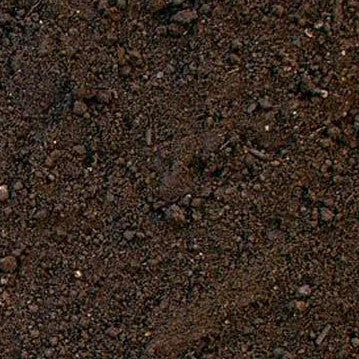
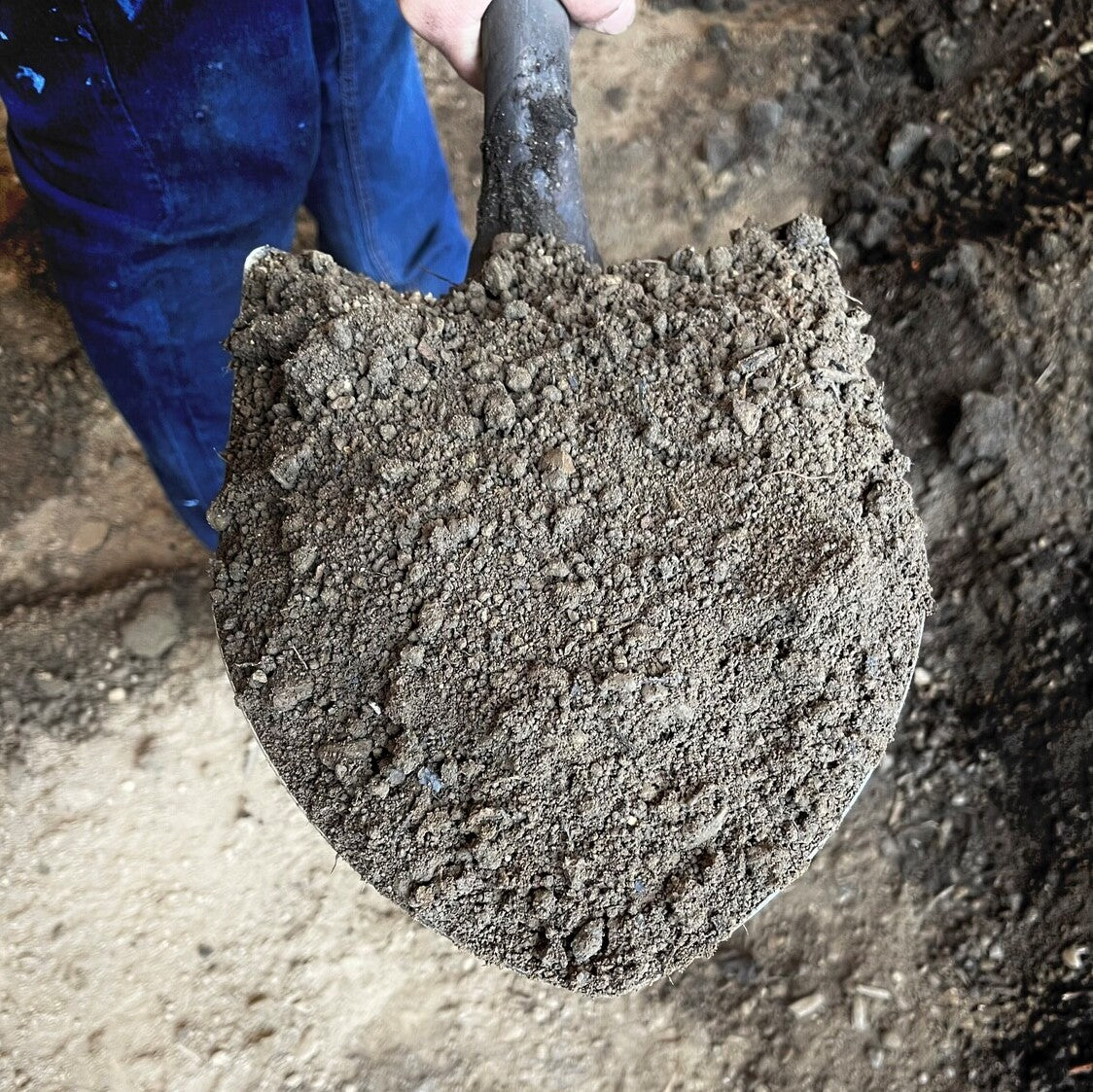
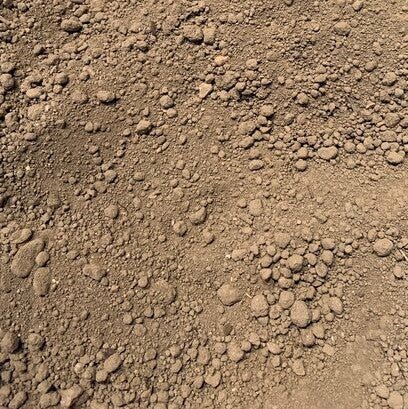
Quality topsoil for lawns, gardens, and landscape projects. Nutrient rich and ready to support strong root development and healthy plant establishment.
I got 3 yards of dirt to create a garden bed on the side of my house and to help fill my new raised garden beds. We had enough dirt to do all of this and fill some holes in the yard! Thanks 😃
Quality topsoil for lawns, gardens, and landscape projects. Nutrient rich and ready to support strong root development and healthy plant establishment.
I got 3 yards of dirt to create a garden bed on the side of my house and to help fill my new raised garden beds. We had enough dirt to do all of this and fill some holes in the yard! Thanks 😃
How Much Material Do I Need?
For new garden beds over Newnan red clay, plan for at least 6 inches of quality soil to give roots an improved zone to establish before they reach the native clay. For lawn leveling, 1 to 2 inches of topdressing soil is enough to fill most shallow low spots without smothering existing grass.
Use our free soil calculator
What is a yard?
A yard is approximately 27 cubic feet. As a general guideline, one yard of material can cover an area of about 100-160 square feet at a 2-3 inch depth.
I got 3 yards of dirt to create a garden bed on the side of my house and to help fill my new raised garden beds. We had enough dirt to do all of th...
Read full review
I got 3 yards of dirt to create a garden bed on the side of my house and to help fill my new raised garden beds. We had enough dirt to do all of this and fill some holes in the yard! Thanks 😃
Placing an order online was so easy. Delivery was on time. When the driver realized we had a newly poured driveway they erred on the side of cautio...
Read full review
Placing an order online was so easy. Delivery was on time. When the driver realized we had a newly poured driveway they erred on the side of caution and opted not ti drive in it. The company even sent me a message explaining that call. Would recommend!
To calculate soil for a garden bed, multiply the bed length by the width by the desired depth all in feet, then divide by 27 to convert cubic feet to cubic yards. For lawn leveling, estimate the average fill depth across all low spots and apply that same formula across the total square footage of the affected area. Newnan yards often have more low spots than homeowners initially count, so walk the full lawn after a rain to find every depression before placing your order.
Complete Your Outdoor Soil Project
After grading with fresh soil, a layer of mulch over your garden beds locks in moisture and slows weed pressure through Newnan's long growing season. Adding a crushed stone or gravel layer beneath soil in low-lying areas can also improve the drainage that red clay naturally restricts.
Can I just mix delivered topsoil into my existing Newnan red clay or do I need to replace it entirely?
In most cases, mixing is the right approach. Tilling 4 to 6 inches of quality topsoil into Newnan's red clay improves drainage and nutrient availability without the expense or disruption of full soil replacement. For raised beds, layering topsoil directly on top of the clay works well since roots will stay in the improved layer through most of the growing season.
Answer
How much soil do I need to level out low spots in my Newnan lawn?
Most lawn leveling in Newnan requires between 0.5 and 1.5 inches of fill in low spots depending on how pronounced the depressions are. For spots smaller than 10 square feet, a cubic yard typically covers more area than you need, so it helps to map all your low areas first and order based on total square footage. Multiply the total square footage by the fill depth in feet and divide by 27 to get the cubic yards you need.
Answer
Will regular topsoil work for a vegetable garden or do I need something different?
For a vegetable garden in Newnan, a blended garden soil or topsoil mixed with compost gives better results than straight topsoil. Native red clay drains so poorly that even improved topsoil without amendment can become waterlogged during Newnan's heavy spring and summer rains, which can rot roots and invite disease in vegetable crops that need consistent moisture but not standing water.
Answer
My backyard slopes toward my house and water pools near the foundation. Can adding soil fix that?
Yes, regrading with fill soil is one of the most effective ways to redirect surface water away from a Newnan home's foundation. The goal is a grade that falls at least 6 inches over the first 10 feet away from the foundation. Newnan's clay soil does not self-correct drainage problems over time, so adding and compacting fill to reshape the grade is a lasting solution rather than a surface-level fix.
Answer
When is the best time to add soil and reseed after grading work in Newnan?
Fall is the strongest window for overseeding after grading, ideally from late September through mid-October, giving grass roots several weeks to establish before the November 4 first frost arrives. For warm-season sod like Bermuda or Zoysia, late spring after the April 16 last frost is the right timing. Grading and soil work can be done any time the ground is not frozen or deeply waterlogged, which in Newnan is almost year-round.
Answer
Does the soil I buy need to match Newnan's native red clay or is a different texture okay?
Delivered topsoil does not need to match the native clay exactly, and in most cases a slightly loamier mix is actually preferable because it improves the overall drainage and workability of the planting environment. The key is avoiding extreme differences in texture between the delivered soil and the native clay below, which can create a layering effect that traps water at the interface and defeats the purpose of the improvement.
Answer
How do I keep my new soil from washing away during Newnan's heavy summer storms?
Seeding or mulching over fresh soil as quickly as possible is the most effective protection against erosion in Newnan's rainy season. Bare soil on any slope, even a gentle one, loses significant material during the intense thunderstorms that are common from May through August. Straw erosion blankets or a heavy mulch layer hold the soil in place until vegetation establishes and root systems anchor the grade you worked to create.
Mulch Mound Pro Tip
Before grading or adding soil, flag your irrigation heads, buried utilities, and any drainage lines in your Newnan yard. Red clay is unforgiving when you discover a buried line mid-grade because it does not move or compact back easily. A five-minute walk with marking flags before you start saves significant repair time and keeps the project on track from the first shovel forward.
Mulch Mound Pro Tip
If you are building a new raised vegetable bed in Newnan, consider lining the bottom with a layer of coarse gravel before adding your soil. The native red clay below will hold water against any soil layer placed directly on top, and even a 2-inch gravel buffer creates a drainage break that keeps roots from sitting in standing water after the heavy rains that move through from May through August.
Mulch Mound Pro Tip
Newnan's 52 inches of annual rainfall means fresh soil is under constant erosion pressure from the moment it is delivered and spread. Cover bare soil with seed or mulch within 48 hours of delivery, especially on any area with a slope. Soil left bare through even a single thunderstorm can lose the fine particles that carry the most nutrient value, leaving a coarser and less productive layer behind for whatever you plant next.
The Unique Landscape of Newnan
Newnan is built on red clay that frustrates gardeners and landscapers alike, compacting under foot traffic and equipment, draining poorly after rain, and cracking during the dry stretches between summer storms. Bringing in quality topsoil or garden soil lets homeowners build productive growing environments on top of or mixed into that native clay rather than fighting it year after year. With 52 inches of annual rainfall, Newnan's soil is regularly saturated, making proper drainage built into any new soil layer essential for plant health and lawn longevity. The Zone 8a growing season stretches from late April after the last frost through early November before the first frost, giving plants a long window to establish if the soil they are rooted in provides the right nutrients and structure. Grade work with quality fill soil also manages how water moves across Newnan yards, directing runoff away from foundations and low spots where clay tends to pool. Whether you are raising a garden bed, leveling a lawn, or preparing a new planting area, starting with the right soil is the step that determines how every plant on your property performs.
