


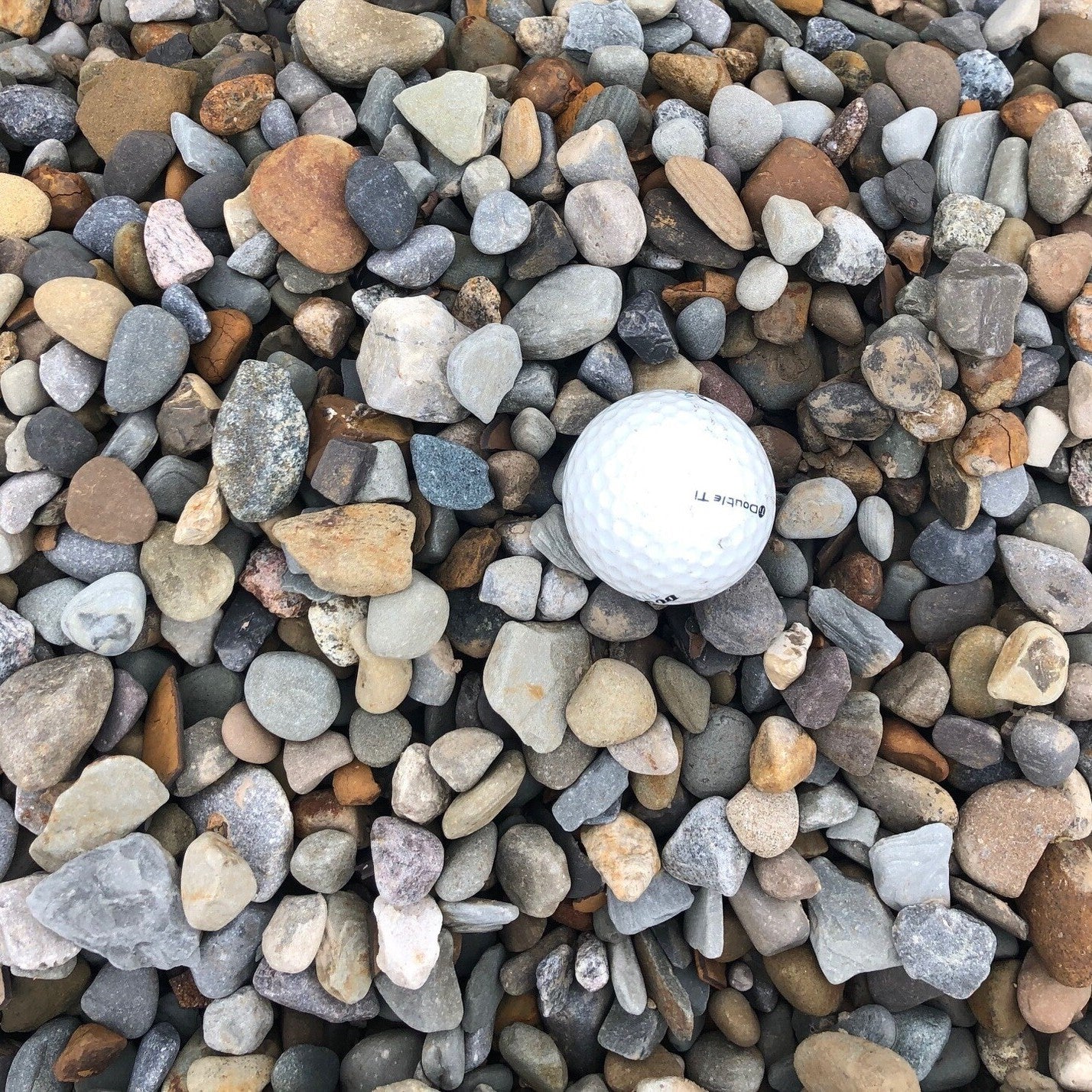

The driver nailed it on putting the gravel I ordered in front of my trailer and between the sidewalk. Very satisfied with how my flowerbeds look now.
About this stone
Number 57 crushed stone, angular limestone graded to about three quarters of an inch. The standard driveway, base and drainage gravel, it locks together under traffic and drains fast.
The driver nailed it on putting the gravel I ordered in front of my trailer and between the sidewalk. Very satisfied with how my flowerbeds look now.
Tell us what you're looking for
Thanks! We received your request.
Something went wrong. Please try again.
How Much Material Do I Need?
How Much Material Do I Need?
For decorative coverage in Newnan beds and borders, 2 to 3 inches of stone is the standard depth. For drainage applications in areas with red clay, increase that to 4 to 6 inches to ensure the stone layer is thick enough to move water before clay compaction reduces the flow path over time.
Use our free gravel calculator
What is a yard?
What is a yard?
FAQs
FAQs
Newnan Gravel Delivery
Newnan Gravel Delivery
Regular price
$133.00
per
yard
Regular price
Sale price
$133.00
Unit price
per
Shipping calculated at checkout.
Minimum of 3 yard
Couldn't load pickup availability
Not currently available
We can't take orders for this right now. Tell us what you need and we'll get back to you.
Hand-picked local yards
4,000+ regional deliveries
Dedicated support
Why order through Mulch Mound
The best local stone, without the guesswork.
We hand-pick and partner with the best yards in your region, keep only the ones our buyers rate well, and back each load with our guarantee.
Mulch Mound Guarantee
If your stone isn't the quantity or quality you ordered, we'll make it right.
About this stone
Number 57 crushed stone, angular limestone graded to about three quarters of an inch. The standard driveway, base and drainage gravel, it locks together under traffic and drains fast.
The driver nailed it on putting the gravel I ordered in front of my trailer and between the sidewalk. Very satisfied with how my flowerbeds look now.
How Much Material Do I Need?
How Much Material Do I Need?
For decorative coverage in Newnan beds and borders, 2 to 3 inches of stone is the standard depth. For drainage applications in areas with red clay, increase that to 4 to 6 inches to ensure the stone layer is thick enough to move water before clay compaction reduces the flow path over time.
Use our free gravel calculator
What is a yard?
What is a yard?
FAQs
FAQs
Tell us what you're looking for
Thanks! We received your request.
Something went wrong. Please try again.
How It Works
Getting started is easy — just follow these simple steps
1
Choose your stone
Make sure you adjust the quantity to your home's needs. You can use our calculator to estimate how much you'll need.
2
Select your delivery date
Select a delivery date you'd like for the product to be dropped off at your home
3
Sit back and wait
Sit back, wait, and let us work our magic to make sure the highest quality product is delivered to your driveway.


Need Help Calculating How Much Gravel You Need?
Use our NEW Trace from Satellite tool to get an estimate for your project based on an aerial view of your property
Try Our CalculatorMeasure your stone area by length times width in feet, multiply by your desired depth in feet to get cubic feet, and divide by 27 for cubic yards. Stone is heavier and denser than mulch, so a little goes a longer way by volume than most homeowners expect. In Newnan's low-lying areas where drainage is the primary goal, depth matters more than surface coverage, so err on the side of ordering slightly more for drainage trenches and stone beds than the basic calculation suggests.
Stone Types We Deliver in Newnan
Mulch Mound makes it easy to order bulk gravel by the yard in Newnan, delivering stone directly to your property so you can skip the store runs and heavy bag hauling. We sell by the cubic yard and serve properties of all sizes, from small backyard refreshes to full landscape overhauls. Our team places the load right where you need it, ready for you to get to work.
Pea Gravel
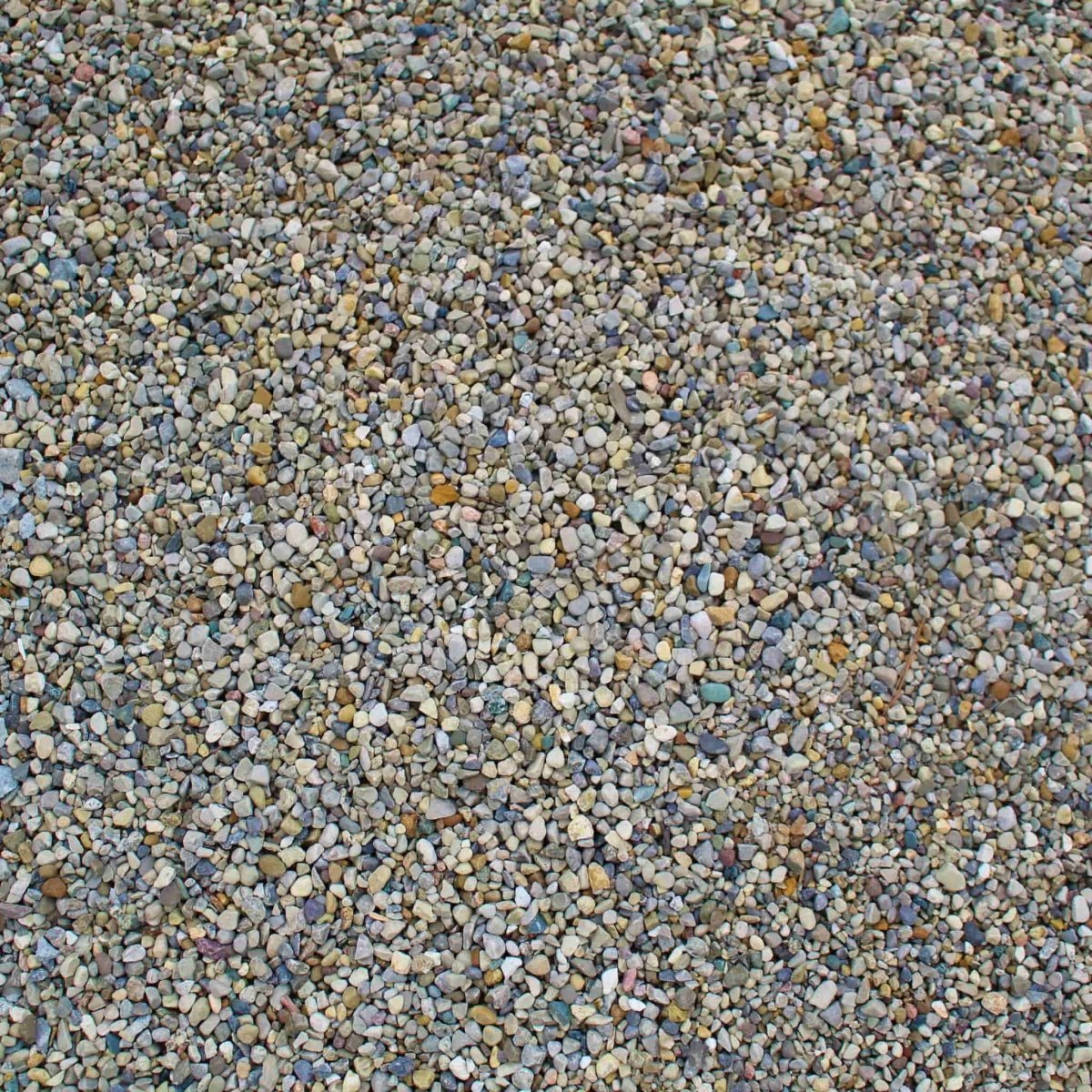
Pea gravel is a popular choice for Georgia homeowners who want clean, easy ground cover that holds up through hot, humid summers. Its smooth, rounded stones allow water to drain freely, which matters in areas with heavy red clay soil, and its warm earth tones complement the wooded, traditional yard styles common in this region.
Complete Your Outdoor Stone Project
Pair stone borders and pathways with mulched planting beds to create visual contrast and keep Newnan's heavy rains from washing soil onto your stone surfaces. If you are reshaping a yard area before laying stone, a base layer of quality fill soil creates the even, sloped foundation that makes stone installations drain properly and stay level through every wet season.



Service area
Areas we deliver stone and gravel in Newnan, Georgia
Mulch Mound Pro Tip
Before spreading stone along any Newnan foundation border, confirm the grade drops at least 6 inches over the first 10 feet away from the house. Red clay under a stone layer will not absorb water quickly, so if the grade is flat or tilts toward the foundation, the stone border will pool water right where you least want it. Correct the grade with fill soil first and then place your stone over the properly sloped surface.
Mulch Mound Pro Tip
In Newnan's Zone 8a climate, stone retains heat effectively, which can be an asset or a problem depending on placement. Stone installed on the south or west side of beds absorbs afternoon heat and radiates it back at night, which can extend the growing season slightly into fall after the first frost threat arrives around November 4. The same heat retention in summer can stress shallow-rooted plants if stone is placed directly against their stems, so maintain a gap between stone and plant bases.
Mulch Mound Pro Tip
Newnan's 52 inches of annual rainfall means every stone pathway and border will experience significant water pressure throughout the year, and the most common long-term failure is clay migrating up through the stone and turning a clean decorative surface into a muddy, uneven mess after a few seasons. Installing your stone over landscape fabric pinned tightly at the edges prevents that migration and dramatically extends the useful life of any stone installation with minimal added cost upfront.
The Unique Landscape of Newnan
Decorative and functional stone is one of the most durable investments a Newnan homeowner can make, and it directly addresses several problems that the city's specific conditions create. Red clay soil erodes and washes across driveways and patios during the 52 inches of annual rain Newnan receives each year, and stone barriers, borders, and pathways stop that movement before it starts. Drainage is a recurring challenge in Newnan's dense clay neighborhoods, and gravel or crushed stone layers placed strategically in low areas and along foundation borders move water away from structures far more effectively than clay alone ever will. Zone 8a's long growing season means outdoor spaces get used hard from late April through early November, and stone pathways and bed borders hold up to that traffic without the seasonal maintenance that mulch or groundcover requires. Newnan's rolling terrain also creates natural erosion channels where heavy thunderstorm runoff carves paths through bare soil, and stone-lined swales redirect and slow that water without ongoing upkeep year after year. Whether used decoratively around beds or functionally in drainage applications, stone is the low-maintenance backbone that makes Newnan landscapes resilient across years rather than just seasons.