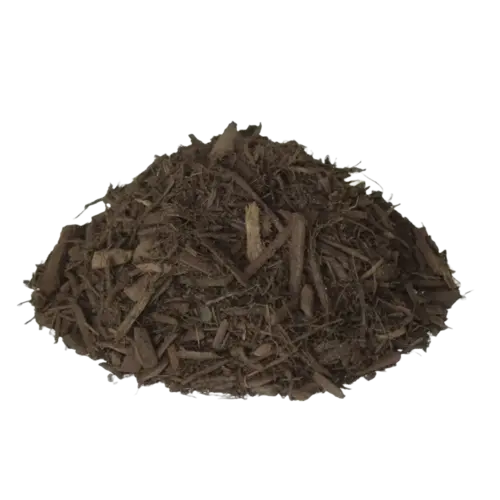
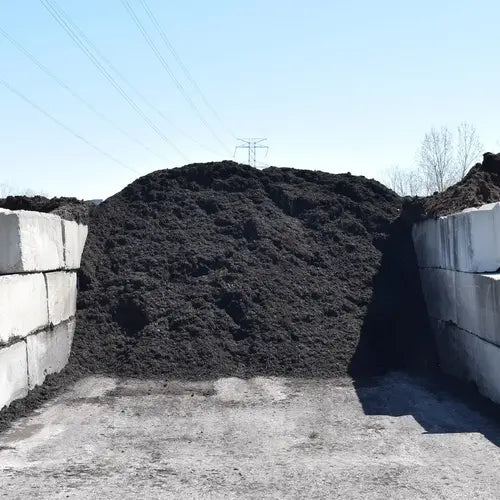
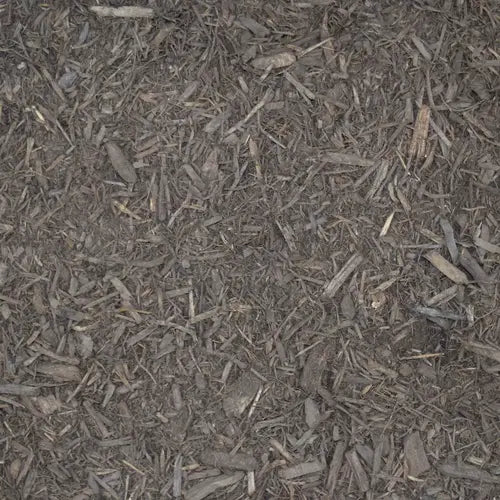
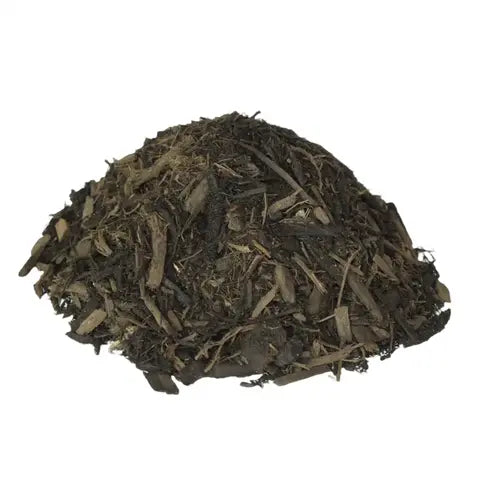
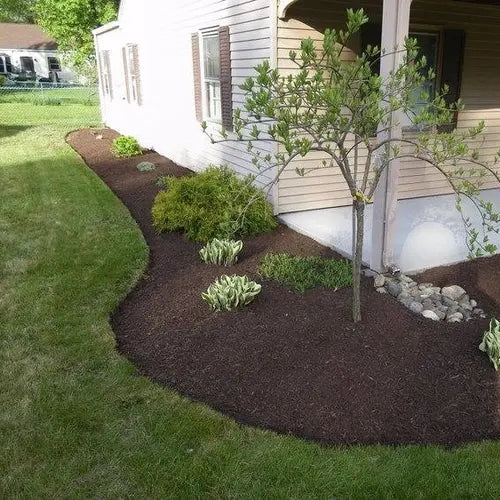
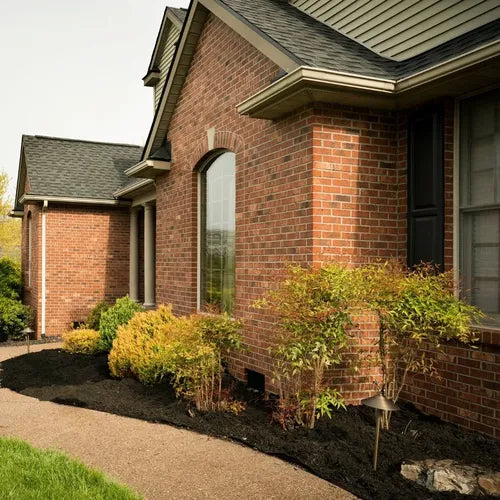
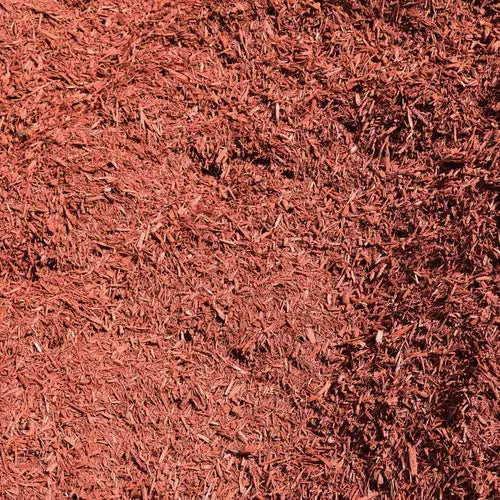
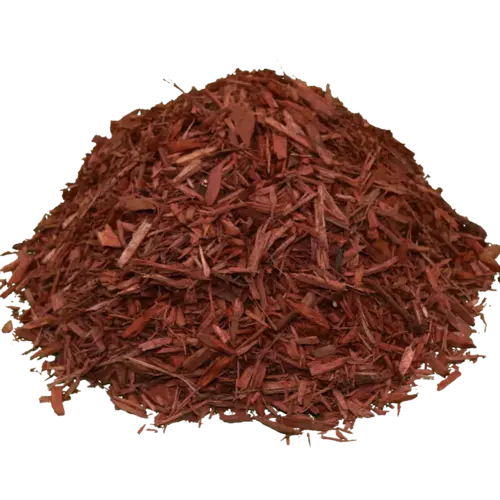
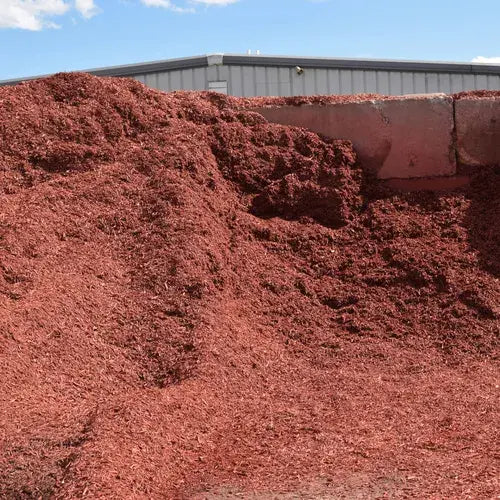
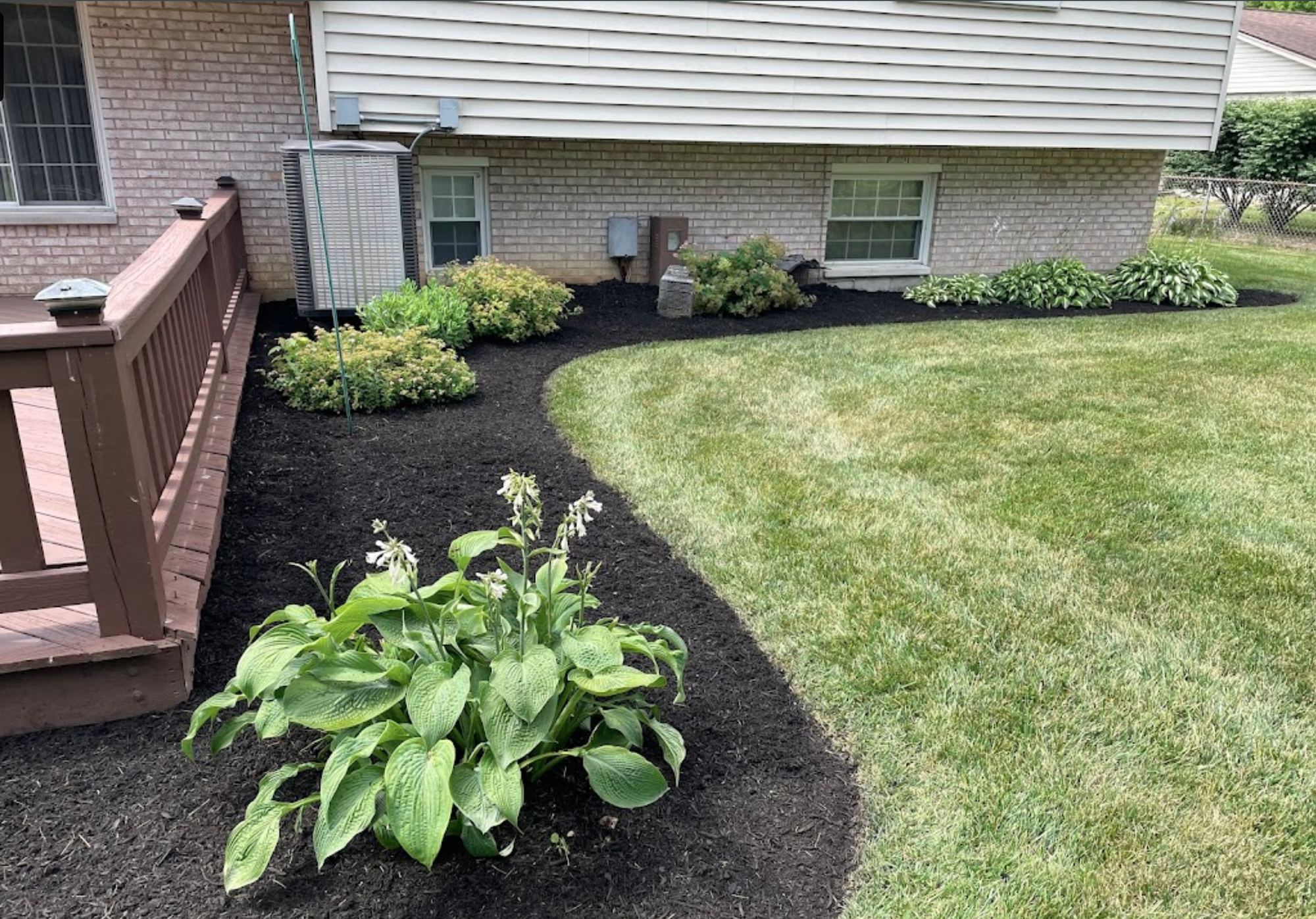
Warm brown double shredded mulch with lasting color that looks freshly applied for weeks. Spreads smooth, stays put, and gives beds a natural, polished appearance.
I highly recommend Mulch Mound. The quality of the mulch is very good. The ordering system on their website makes it very easy. The delivery driver did a great job placing the mulch on the driveway. To finish off, the pricing was very reasonable as well.
Tell us what you're looking for
Thanks! We received your request.
Something went wrong. Please try again.
How Much Material Do I Need?
For Norton Shores sandy loam beds, aim for two to three inches of mulch depth to adequately retain moisture through dry stretches between rain events. Beds against the house or in high-traffic areas can use a slightly lighter two-inch application to avoid holding moisture against structures.
Use our free mulch calculator
What is a yard?
A yard is approximately 27 cubic feet. As a general guideline, one yard of material can cover an area of about 100-160 square feet at a 2-3 inch depth.
We can't take orders for this right now. Tell us what you need and we'll get back to you.
What do you need?
Thanks! We received your request.
Something went wrong. Please try again.
Hand-picked local yards
4,000+ regional deliveries
Dedicated support
Why order through Mulch Mound
The best local mulch, without the guesswork.
We hand-pick and partner with the best yards in your region, keep only the ones our buyers rate well, and back each load with our guarantee.
Mulch Mound Guarantee
If your mulch isn't the quantity or quality you ordered, we'll make it right.
About this mulch
Warm brown double shredded mulch with lasting color that looks freshly applied for weeks. Spreads smooth, stays put, and gives beds a natural, polished appearance.
I highly recommend Mulch Mound. The quality of the mulch is very good. The ordering system on their website makes it very easy. The delivery driver did a great job placing the mulch on the driveway. To finish off, the pricing was very reasonable as well.
How Much Material Do I Need?
For Norton Shores sandy loam beds, aim for two to three inches of mulch depth to adequately retain moisture through dry stretches between rain events. Beds against the house or in high-traffic areas can use a slightly lighter two-inch application to avoid holding moisture against structures.
Use our free mulch calculator
What is a yard?
A yard is approximately 27 cubic feet. As a general guideline, one yard of material can cover an area of about 100-160 square feet at a 2-3 inch depth.
I highly recommend Mulch Mound. The quality of the mulch is very good. The ordering system on their website makes it very easy. The delivery driver...
Read full review
I highly recommend Mulch Mound. The quality of the mulch is very good. The ordering system on their website makes it very easy. The delivery driver did a great job placing the mulch on the driveway. To finish off, the pricing was very reasonable as well.
They offered a quick turnaround and delivered high quality mulch at a reasonable price. They also dropped it off exactly where I told them to put i...
Read full review
They offered a quick turnaround and delivered high quality mulch at a reasonable price. They also dropped it off exactly where I told them to put it. Good service!
Measure each bed area in feet and multiply length by width to get square footage, then use our calculator to convert that to cubic yards at your chosen depth. Norton Shores sandy loam benefits most from a three-inch application, so err on the slightly deeper side rather than running short. Ordering a small amount extra ensures you can fill in low spots after the first good rainfall settles the material.
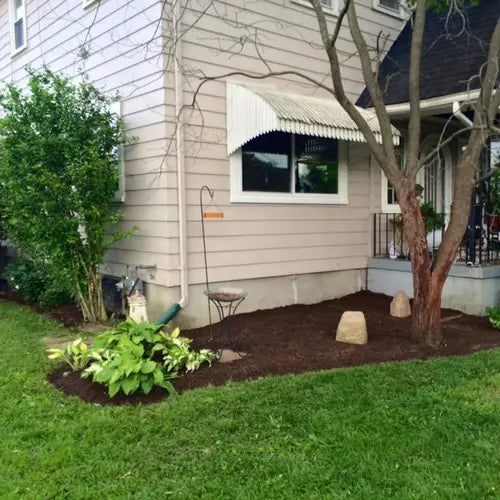
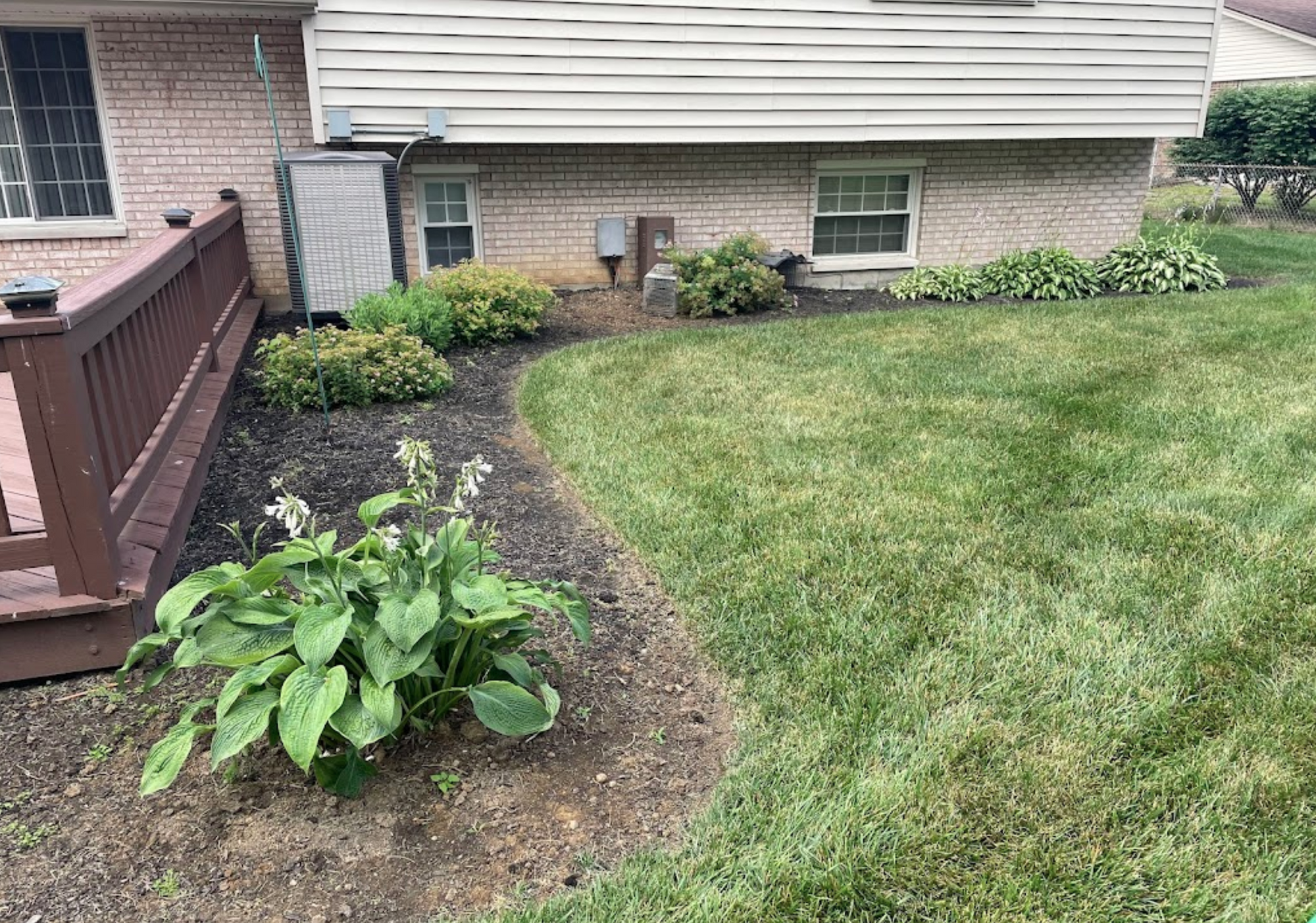
Mulch vs. No Mulch: The Difference
Norton Shores experiences a real swing between its humid lake-influenced periods and the dry late-summer stretches that stress sandy loam beds. Natural hardwood mulch breaks down faster in this climate, gradually adding the organic matter that sandy loam so desperately needs, while dyed mulches hold their color longer but contribute less to long-term soil improvement. Choosing between them often comes down to whether you prioritize immediate curb appeal or the gradual soil-building benefit that Zone 6b perennials appreciate across multiple growing seasons.
Before
After
Best Mulch Choice for Norton Shores Lawns
Most yards in the Norton Shores area sit on Sandy Loam type of soil. Sandy loam soil in Norton Shores holds nutrients poorly and dries out quickly between rain events, making it hard for plant beds to stay consistently productive without a protective cover layer. Bare sandy loam exposed to sun and wind loses surface moisture within hours of a rain event.
Hardwood Mulch
Hardwood mulch breaks down over one to two seasons in Norton Shores's Zone 6b climate, gradually feeding organic matter into the sandy loam below and improving its capacity to hold both moisture and nutrients over time.
Mulch Types We Deliver in Norton Shores
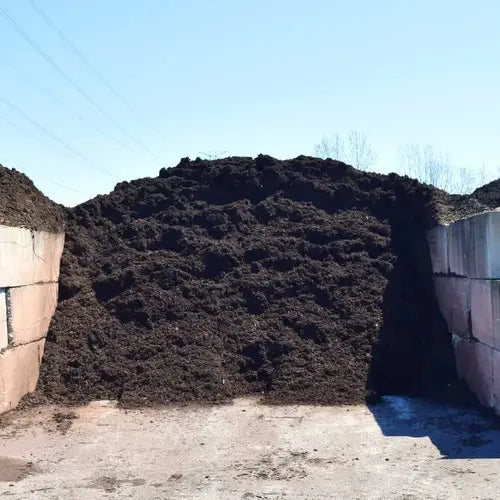
Mulch Mound delivers bulk mulch by the cubic yard directly to homes and properties throughout the area, making bulk mulch delivery in Norton Shores easy from order to arrival. Our varieties suit the sandy lakeshore soils and residential landscape styles found in this part of Michigan.
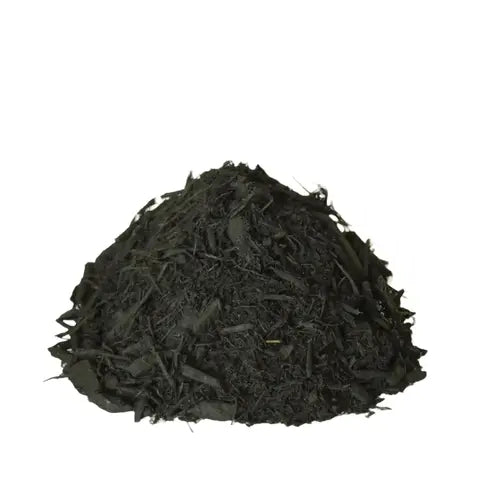
Dyed Black Mulch
A bold choice for homeowners wanting strong contrast against lighter siding or flowering plants. The double shredded texture spreads evenly and the rich black color holds through Michigan's rainy springs and humid summers, keeping beds looking clean and fresh for weeks.
Dyed Brown Mulch
A warm tone that blends naturally with the earthy surroundings common to lakeshore landscaping. Available in double shredded and triple shredded styles, so you can choose the texture that suits your beds best. The color holds for weeks and the mulch stays put through wet Michigan weather.
Natural Brown Mulch
A good fit for homeowners who prefer an undyed look that complements the natural surroundings of the lakeshore region. The double shredded texture is smooth and easy to spread, and the earthy brown color comes straight from the wood itself with no added dye.
Cedar Mulch
Aromatic cedar appeals to homeowners who want natural insect resistance built into their ground cover. The double shredded cut spreads easily and holds well in the sandy soils common to this part of Michigan, making it a practical and pleasant addition to beds and borders.
Complete Your Outdoor Mulch Project
Pairing mulch with a quality garden soil amendment improves the organic content of your sandy loam beds before you mulch over them, giving roots a richer growing medium from the start. Decorative stone works well for edging borders and pathway transitions that frame your mulched beds and give the whole landscape a finished, polished look.
Norton Shores sandy loam warms up quickly in spring but also dries out fast once temperatures rise. Pull your mulch a few inches away from plant stems and tree trunks when you first apply it in late May, letting the soil breathe as temperatures climb. Once June heat sets in and the soil is fully warm, push the mulch back closer to create a continuous moisture-retaining layer that carries roots through the summer dry spells without stress.
Mulch Mound Pro Tip
The leaf drop in Norton Shores can be heavy through October, and many homeowners make the mistake of letting fallen leaves accumulate on top of fresh mulch. Matted leaves form an impermeable layer that prevents water from reaching roots and invites mold during the damp weeks before the ground freezes. Rake leaves off your mulched beds and compost them separately to keep your mulch layer functioning properly all the way through the fall frost window.
Mulch Mound Pro Tip
With 34 inches of annual rainfall in Norton Shores concentrated heavily in spring and early summer, your mulch layer takes on extra importance during the drier stretches of August and September when the rain slows. Check your beds in late July and add a half-inch top-up if the mulch has compacted or decomposed noticeably since spring application. That mid-season refresh extends moisture retention through the rest of the growing season and gives roots a better chance heading into the October frost window.
Frequently Asked Questions
Click a question to see the answer
Answer
How thick should I apply mulch over my Norton Shores sandy loam beds?
Two to three inches is the sweet spot for sandy loam soil in Norton Shores. Sandy loam sheds water quickly, so that depth gives you enough of a moisture-retaining layer without smothering roots. Going beyond four inches can trap excess humidity against stems during the humid stretches that roll in off Lake Michigan in summer.
Answer
Will mulch actually help my plants survive the freeze-thaw cycles we get here in fall?
Yes, and it matters a great deal in Norton Shores. The first frost typically arrives around October 15, but temperatures often dip and rebound several times before the ground locks up. A two to three inch mulch layer insulates roots against those swings and prevents the repeated heaving that can expose and damage root systems in sandy soils.
Answer
Does the 34 inches of annual rainfall we get in Norton Shores mean I need less mulch than somewhere drier?
Not necessarily, because Norton Shores sandy loam drains so freely that much of that rainfall moves through the soil before roots can fully use it. Mulch slows that surface drainage, giving the soil beneath time to absorb moisture. During dry stretches between storms, especially in late summer, that retained moisture makes a real difference in plant health.
Answer
Should I choose natural or dyed mulch for my foundation plantings here in Norton Shores?
Either option works well for foundation beds in Norton Shores, but consider how much direct sun your beds receive. Dyed mulches hold their color longer in shaded north-facing beds, while natural hardwood mulch on sunny south and west exposures fades faster but breaks down into organic matter that your sandy loam soil can actually use over time.
Answer
When is the best time of year to mulch in Norton Shores?
Late May is ideal, right after the last frost date of May 12 when the soil has warmed and new growth has emerged. Applying too early can keep cold soil cold longer and slow plant establishment. A second top-up in early October, before the first frost around October 15, helps insulate roots heading into winter.
Answer
How do I keep mulch from washing away during heavy spring rain events in Norton Shores?
Keeping your mulch depth at two to three inches rather than piling it too deeply helps it stay in place during intense spring rains. For sloped beds, a coarser shredded hardwood mulch interlocks better than fine material and resists displacement more effectively. Edging your beds with stone or metal border creates a physical barrier that holds mulch where you want it.
Answer
How do I estimate how much mulch I need for my Norton Shores yard?
Measure the length and width of each bed in feet and multiply them together to get square footage. Divide by 100 for a two-inch depth or by 80 for a three-inch depth to get the number of cubic yards needed. Most Norton Shores residential beds run between two and five cubic yards per project, but larger corner lots or wraparound foundation plantings can easily reach eight to ten cubic yards.
The Unique Landscape of Norton Shores
Norton Shores sits in Zone 6b with sandy loam soil that drains moisture quickly, leaving plant beds vulnerable to dry spells between rain events. With only 34 inches of annual rainfall spread unevenly across the season, mulch is one of the most effective tools for keeping roots hydrated without constant supplemental watering. The proximity to Lake Michigan creates temperature swings in spring and fall that stress shallow-rooted plants, and a proper mulch layer buffers soil temperature through those transitions. Winters in Norton Shores push the ground through repeated freeze-thaw cycles before the final frost around October 15, heaving roots and exposing bare soil to erosion. Mulch holds everything in place through those cycles and breaks down over time to add the organic matter that sandy loam naturally lacks.