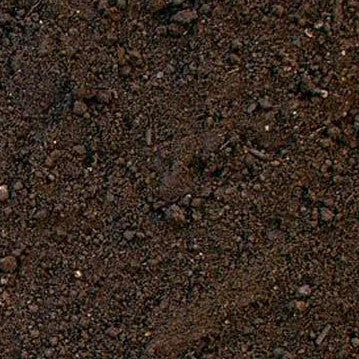
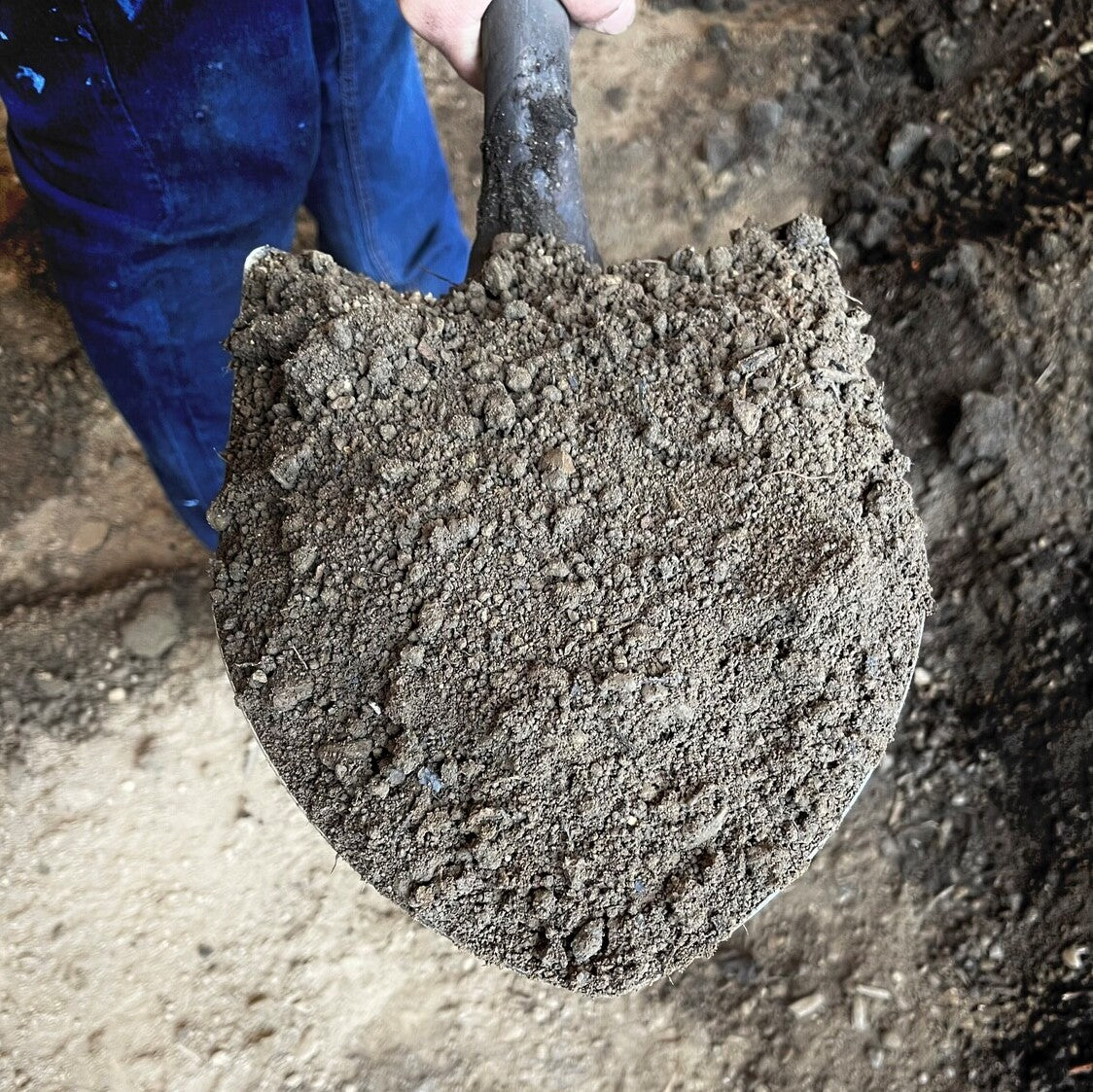
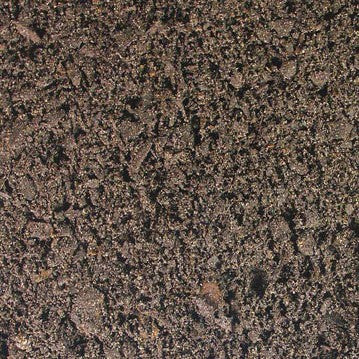
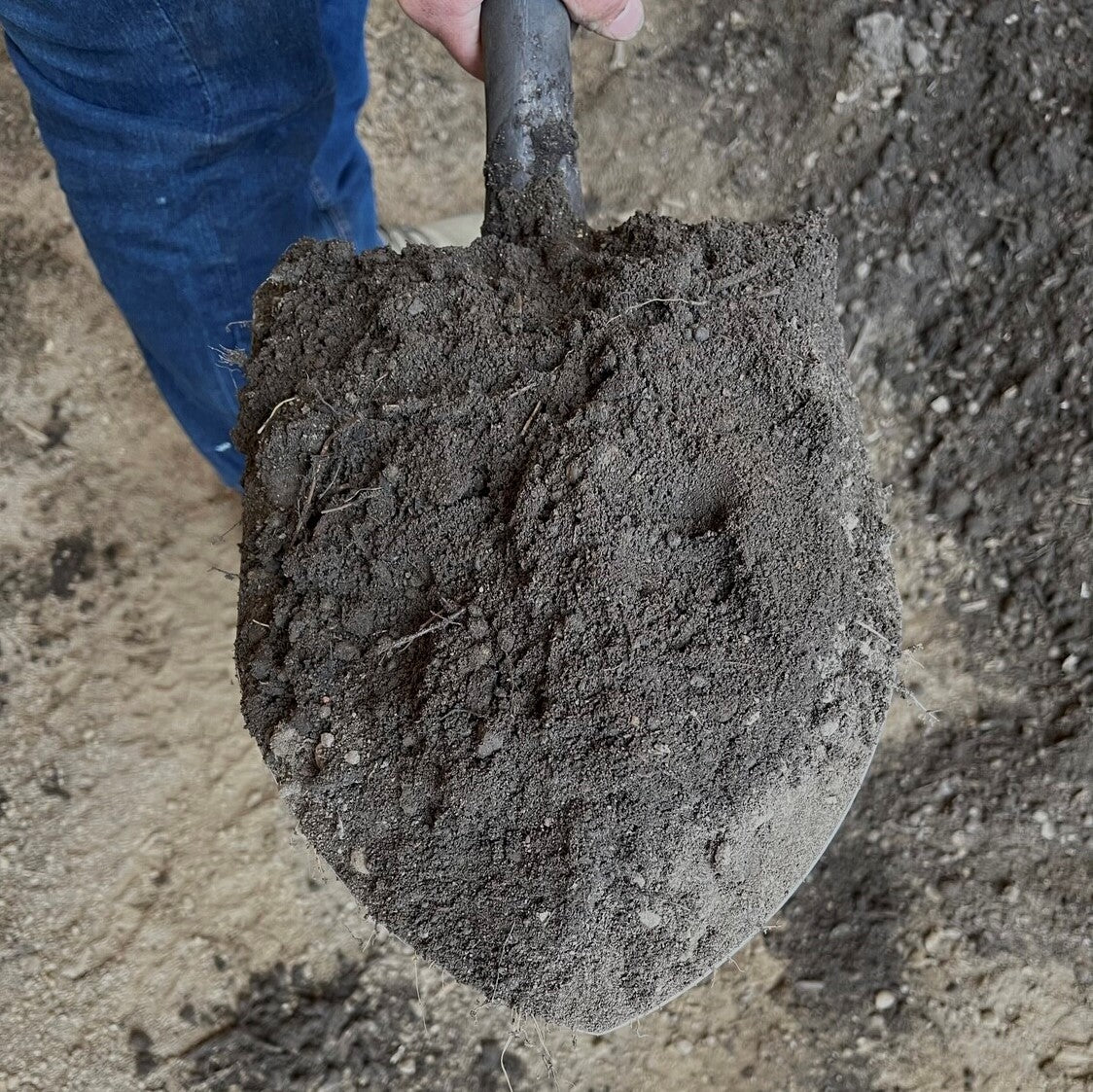
Quality topsoil for lawns, gardens, and landscape projects. Nutrient rich and ready to support strong root development and healthy plant establishment.
We ordered 3 yards of the garden soil, delivered mext day. We used in raised beds 6x3x2. It was more than needed for both but the soil looked good! I added some perlite to add some drainage since this is a little dense.
Tell us what you're looking for
Thanks! We received your request.
Something went wrong. Please try again.
How Much Material Do I Need?
For raised vegetable beds in Norton Shores, fill to at least twelve inches for vegetables and eight inches for perennial flower beds to give roots the depth they need above the sandy loam below. Lawn leveling typically requires a half-inch to two-inch layer over affected areas, which should be calculated individually for each low zone rather than averaged across the whole yard.
Use our free soil calculator
What is a yard?
A yard is approximately 27 cubic feet. As a general guideline, one yard of material can cover an area of about 100-160 square feet at a 2-3 inch depth.
What is a yards?
A yard is approximately 27 cubic feet. As a general guideline, one yard of material can cover an area of about 10 feet by 10 feet at a few inches deep.
We can't take orders for this right now. Tell us what you need and we'll get back to you.
What do you need?
Thanks! We received your request.
Something went wrong. Please try again.
Hand-picked local yards
4,000+ regional deliveries
Dedicated support
Why order through Mulch Mound
The best local soil, without the guesswork.
We hand-pick and partner with the best yards in your region, keep only the ones our buyers rate well, and back each load with our guarantee.
Mulch Mound Guarantee
If your soil isn't the quantity or quality you ordered, we'll make it right.
About this soil
Quality topsoil for lawns, gardens, and landscape projects. Nutrient rich and ready to support strong root development and healthy plant establishment.
We ordered 3 yards of the garden soil, delivered mext day. We used in raised beds 6x3x2. It was more than needed for both but the soil looked good! I added some perlite to add some drainage since this is a little dense.
How Much Material Do I Need?
For raised vegetable beds in Norton Shores, fill to at least twelve inches for vegetables and eight inches for perennial flower beds to give roots the depth they need above the sandy loam below. Lawn leveling typically requires a half-inch to two-inch layer over affected areas, which should be calculated individually for each low zone rather than averaged across the whole yard.
Use our free soil calculator
What is a yard?
A yard is approximately 27 cubic feet. As a general guideline, one yard of material can cover an area of about 100-160 square feet at a 2-3 inch depth.
What is a yards?
A yard is approximately 27 cubic feet. As a general guideline, one yard of material can cover an area of about 10 feet by 10 feet at a few inches deep.
We ordered 3 yards of the garden soil, delivered mext day. We used in raised beds 6x3x2. It was more than needed for both but the soil looked good!...
Read full review
We ordered 3 yards of the garden soil, delivered mext day. We used in raised beds 6x3x2. It was more than needed for both but the soil looked good! I added some perlite to add some drainage since this is a little dense.
For raised beds, multiply the length, width, and depth in feet and divide by 27 to get cubic yards needed. For lawn leveling in Norton Shores, walk your yard and estimate the square footage of areas that are more than a half-inch low, then calculate based on a one-inch fill depth as a starting point. Because sandy loam compacts differently than clay, Norton Shores projects tend to need a little less compaction allowance than heavier soil types require.
Soil Types We Deliver in Norton Shores
Ordering bulk soil delivery in Norton Shores is simple with our cubic yard pricing and direct-to-property drop-off. The sandy, well-drained soils common in this part of western Michigan often benefit from fresh fill or organic amendment to build up nutrient levels and support healthy plant growth. We carry a focused selection of topsoil, compost, and blended mixes to cover lawns, raised beds, and new garden projects of any size.
Top Soil
Top Soil is the go-to choice for filling low spots, establishing new lawn areas, and topping off raised planters around western Michigan properties. Available in screened or unscreened styles, screened topsoil delivers a finer, smoother texture ideal for seed beds, while unscreened works well for bulk grading and fill work.
Garden Compost
Garden Compost is a nutrient-rich organic amendment that works especially well in this region, where native soils can be low in organic matter. Mixed into planting areas or spread as a top dressing, it builds soil structure, encourages beneficial microbial activity, and helps plants establish strong, healthy roots.
Premium Gardening Blend
Premium Gardening Blend combines topsoil and compost in a ready-to-plant mix suited for raised beds, new gardens, and in-ground planting areas. This blended soil saves the guesswork of mixing amendments and works well for homeowners building on the sandy native soils common in this part of Michigan.
Complete Your Outdoor Soil Project
Topping your new soil with a quality mulch layer locks in moisture and prevents the sandy loam below from mixing up into your fresh fill during Norton Shores spring rain events. Adding decorative stone borders around new beds gives them clean edges that keep both soil and mulch contained through the wet and active growing season.
My Norton Shores yard is already sandy loam everywhere. Do I really need to bring in soil or can I just amend what I have?
For small garden beds, amending in place with compost can work reasonably well. But for raised beds, lawn leveling, or any grading project, bringing in a quality loam or topsoil blend is far more efficient and delivers faster results. Norton Shores sandy loam improves slowly over years of organic matter addition, and for projects that need immediate results, imported soil saves a great deal of time and effort.
Answer
How much soil do I need to level out the low spots in my lawn after this past winter?
Most Norton Shores lawns need between a half-inch and two inches of topdressing soil to fill frost-heave depressions and low spots that develop over winter. Measure the approximate area of your low zones and use a depth of one inch as a starting point for your estimate. A cubic yard covers roughly 300 square feet at one inch deep, and most residential leveling jobs in this area run one to three cubic yards total.
Answer
What depth of soil should I fill my raised beds to if I want to grow vegetables in Norton Shores?
Aim for at least ten to twelve inches of quality soil in raised beds for vegetables in Norton Shores. Root crops like carrots and beets appreciate even deeper fills of fourteen to sixteen inches. The Zone 6b growing season starting after the last frost of May 12 is plenty long for most crops, but shallow soil that dries out or compacts quickly will cut your yields significantly even in a favorable year.
Answer
Will the bulk soil I order settle a lot after it is spread and watered in?
Yes, expect roughly ten to fifteen percent settling after your first watering and the first significant rain event. Norton Shores gets periodic heavy rains in spring that accelerate initial settling. When filling raised beds or topping lawn areas, overfill slightly to account for this, especially before your first significant rainfall of the season.
Answer
Can I use bulk soil to help repair and reseed my lawn after a rough Norton Shores winter?
Absolutely. Spreading a thin layer of quality topsoil over thin or bare lawn areas before overseeding in late April or early May is one of the most effective lawn renovation techniques for Norton Shores yards. It gives the seed direct contact with a nutrient-rich medium rather than the leaching sandy loam below, which improves germination rates significantly before the last frost date of May 12.
Answer
Is bulk soil actually better than buying bags at a hardware store for my garden beds?
For any bed larger than about 20 square feet, bulk soil is far more economical and typically of higher quality than bagged products. Norton Shores gardeners starting new beds often need two to four cubic yards per project, which would be an impractical number of bags to haul and mix. Bulk delivery lets you build deep, rich growing beds without the cost and physical effort of bagged material.
Answer
When is the best time of year to bring in soil for a new planting project in Norton Shores?
Early May, just before the last frost date of May 12, is ideal for getting soil in place ahead of the main planting season. You can also do major soil work in September and October before the first frost around October 15, which lets the soil settle and integrate organically over the winter. Avoid working soil when it is frozen or waterlogged, which in Norton Shores typically means staying out of the beds from mid-December through mid-March.
Mulch Mound Pro Tip
Norton Shores sandy loam has good drainage but that same drainage means nutrients leach away faster than in heavier soils. When you bring in quality topsoil for new beds, mix the top two or three inches of your native sandy loam into the bottom of your fill before completing the top layer. That transition zone helps roots move between the two soil types naturally rather than hitting a hard interface that slows deep penetration.
Mulch Mound Pro Tip
Spring soil deliveries in Norton Shores should be timed to coincide with a stretch of dry weather rather than immediately after a rain event. Sandy loam-based soils can become compacted and cloddy when moved and spread while wet, forming dense chunks that take weeks to break apart and integrate. Schedule your delivery for a dry window in late April or early May and spread the soil the same day it arrives for the best workability and smoothest finish.
Mulch Mound Pro Tip
If you are using bulk soil to level your lawn before the growing season, apply it in layers no deeper than half an inch at a time over existing grass. Norton Shores lawns with established turf can handle thin topdressing applications without smothering the grass, but a thick application of two inches or more all at once will kill the turf below. Multiple thin passes over two or three weeks in May give the grass time to grow through each layer naturally.
The Unique Landscape of Norton Shores
Norton Shores sits on sandy loam that drains freely but struggles to retain nutrients and support dense lawn or garden growth without amendment or supplemental organic matter. Garden beds started directly in native soil often produce lackluster results because the sandy texture allows nitrogen and phosphorus to leach away before plants can fully use them. Grade work around foundations and along driveways is common in Norton Shores neighborhoods, and fill soil that compacts and holds its shape makes a significant difference in long-term settling and drainage performance. Raised beds have become popular with Norton Shores gardeners precisely because building a quality growing medium above the native sandy loam gives vegetables and perennials a controlled root environment from day one. Whether you are leveling a lawn after winter frost heave or building out entirely new planting areas, bringing in the right soil sets the foundation for everything that grows above it.