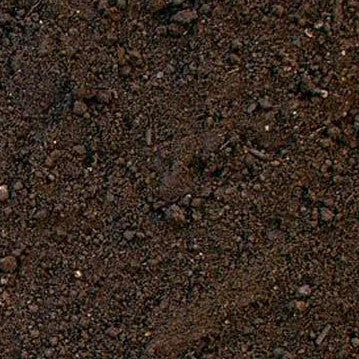
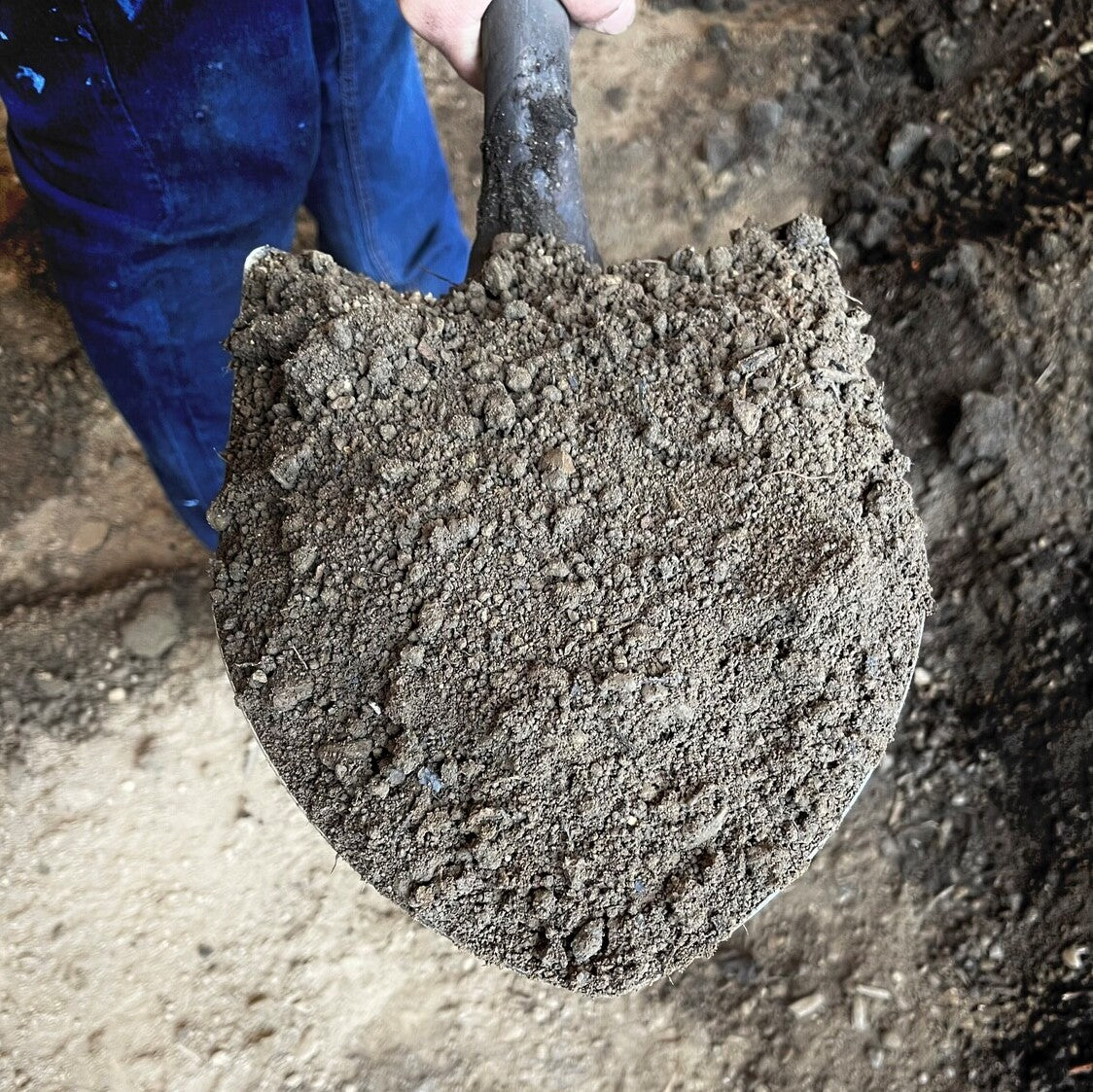
Quality topsoil for lawns, gardens, and landscape projects. Nutrient rich and ready to support strong root development and healthy plant establishment.
Ordered the planting mix with an early Saturday delivery. Super easy ordering experience. Dirt was delivered on time and delivery driver was kind enough to let us know I would take up more room than we though so we could pull cars out of the garage. Will be ordering again
Tell us what you're looking for
Thanks! We received your request.
Something went wrong. Please try again.
How Much Material Do I Need?
For lawn leveling in Norwalk, a quarter to half inch of topsoil is typical for minor grade corrections over silt loam turf. For new garden beds or raised planters, plan for eight to twelve inches of imported soil to give roots adequate room above the compaction-prone native subsoil.
Use our free soil calculator
What is a yard?
A yard is approximately 27 cubic feet. As a general guideline, one yard of material can cover an area of about 100-160 square feet at a 2-3 inch depth.
We can't take orders for this right now. Tell us what you need and we'll get back to you.
What do you need?
Thanks! We received your request.
Something went wrong. Please try again.
Hand-picked local yards
4,000+ regional deliveries
Dedicated support
Why order through Mulch Mound
The best local soil, without the guesswork.
We hand-pick and partner with the best yards in your region, keep only the ones our buyers rate well, and back each load with our guarantee.
Mulch Mound Guarantee
If your soil isn't the quantity or quality you ordered, we'll make it right.
About this soil
Quality topsoil for lawns, gardens, and landscape projects. Nutrient rich and ready to support strong root development and healthy plant establishment.
Ordered the planting mix with an early Saturday delivery. Super easy ordering experience. Dirt was delivered on time and delivery driver was kind enough to let us know I would take up more room than we though so we could pull cars out of the garage. Will be ordering again
How Much Material Do I Need?
For lawn leveling in Norwalk, a quarter to half inch of topsoil is typical for minor grade corrections over silt loam turf. For new garden beds or raised planters, plan for eight to twelve inches of imported soil to give roots adequate room above the compaction-prone native subsoil.
Use our free soil calculator
What is a yard?
A yard is approximately 27 cubic feet. As a general guideline, one yard of material can cover an area of about 100-160 square feet at a 2-3 inch depth.
Ordered the planting mix with an early Saturday delivery. Super easy ordering experience. Dirt was delivered on time and delivery driver was kind e...
Read full review
Ordered the planting mix with an early Saturday delivery. Super easy ordering experience. Dirt was delivered on time and delivery driver was kind enough to let us know I would take up more room than we though so we could pull cars out of the garage. Will be ordering again
To calculate how much soil you need, measure the length and width of each area in feet and multiply to get square footage. Then multiply by the depth you need in feet, where six inches equals 0.5 feet, and divide by 27 to convert to cubic yards. In Norwalk, frost heaving through winter often creates low spots that are larger than they appear, so walk your yard after the spring thaw and measure generously before ordering.
Soil Types We Deliver in Norwalk
Norwalk homeowners and landscapers count on us for bulk topsoil by the yard in Norwalk, delivered straight to their driveway or job site. Whether you are filling raised beds, leveling a lawn, or starting a new garden, having the right soil makes all the difference in this part of north-central Ohio. We deliver by the cubic yard so you get exactly what your project needs, nothing more and nothing less.
Screened Top Soil
Our screened topsoil is run through a fine mesh to remove rocks, roots, and clumps, leaving a clean and workable product ideal for lawns, garden beds, and landscape grading. It is nutrient rich and supports strong root development, making it a great fit for the heavier clay-influenced soils common across Huron County.
Complete Your Outdoor Soil Project
After filling and grading with bulk soil, top your new beds with a layer of mulch to protect the fresh soil surface from Norwalk's heavy spring rains and reduce the crust formation that silt loam is prone to. Decorative stone works well alongside soil projects for border edging and pathway installation that keeps foot traffic off newly graded areas while they establish.
How much topsoil do I need to level my lawn after a Norwalk winter?
Norwalk's repeated freeze-thaw cycles through November, December, and March can shift lawn grades noticeably from year to year. For light leveling of a typical suburban lot, one to two cubic yards spread at a quarter-inch depth covers a significant area. Measure the low spots in your yard after the ground fully thaws in early April, then calculate square footage and multiply by your target depth in feet to get cubic feet, and divide by 27 for cubic yards.
Answer
Is Norwalk's native silt loam good enough for raised vegetable beds?
Silt loam is a reasonable base soil, but for raised beds most Norwalk gardeners are better served by importing a blended garden soil. The native silt loam warms slowly in spring, staying below 50 degrees into mid-April in many years, and it can compact in the confined walls of a raised bed more quickly than a looser blended mix. A quality imported soil will drain better, warm earlier, and stay more workable through the full growing season from April through October.
Answer
When should I add topsoil to my Norwalk yard?
The best window in Norwalk is from mid-April through early May, after the last frost has passed and the ground has dried out from spring rains. Avoid working soil when it is saturated, which in Norwalk can persist into late April after heavy spring rainfall. Fall applications in late September and early October also work well for lawn leveling, giving fresh soil time to settle before the first frost around October 30.
Answer
Can I mix bulk topsoil directly into my existing Norwalk silt loam beds?
Yes, and it is one of the better ways to improve Norwalk's native silt loam. Tilling a few inches of quality topsoil into existing beds adds organic matter and loosens the compacted structure that develops over time. The key is to work when the native soil is moist but not saturated, typically in mid-May in Norwalk after spring rains have slowed. Mixing when the silt loam is too wet creates a sticky, cloddy mess that takes the whole summer to break down.
Answer
What soil depth do I need for a new garden bed in Norwalk?
For annual vegetables and flowers in Norwalk, eight to twelve inches of quality soil gives roots the room they need to develop fully before summer heat arrives. Perennial beds can manage with six to eight inches over native silt loam because the roots will eventually penetrate deeper on their own. In a raised bed with a wood or stone frame, aim for at least ten inches of imported soil so the bed does not dry out too quickly during Norwalk's July and August dry spells.
Answer
Will bulk soil help with the drainage problems in my Norwalk backyard?
Bulk soil can help significantly if it is used to regrade the yard so water flows away from the house and low spots. Norwalk's silt loam subsoil has moderate drainage on its own, but years of compaction from lawn traffic and frost heaving create pockets that hold water after the 36-inch annual rainfall. Regrading with quality topsoil, combined with a proper slope toward yard drainage points, is one of the most effective ways to permanently reduce standing water problems in Norwalk backyards.
Answer
How do I keep new topsoil from washing away after delivery?
Norwalk's spring rains can be heavy enough to erode freshly spread topsoil before grass or plants establish. After spreading, seed bare soil areas immediately and apply a light straw cover to hold the surface in place. If rain is in the forecast within 48 hours of delivery, prioritize spreading and seeding the most exposed areas first. Established plant roots or a thin layer of mulch over bed areas will hold soil in place through Norwalk's wetter spring months.
Mulch Mound Pro Tip
Before spreading bulk topsoil in a Norwalk lawn, core aerate the existing silt loam if it is compacted. Silt loam packs tightly under lawn traffic, and spreading fresh soil over a sealed surface just creates a layer that does not integrate well with what is below. A single pass with a rental aerator in mid-April opens channels that let the new soil settle into the existing ground and give grass roots a clear path downward for stronger establishment.
Mulch Mound Pro Tip
When building raised vegetable beds in Norwalk, consider that a deeper raised bed of ten inches or more warms faster than shallow beds because the soil mass retains solar heat more efficiently. This can push your safe planting date earlier by a week or two compared to in-ground silt loam beds, giving Norwalk gardeners a meaningful head start on warm-season crops like tomatoes and peppers before summer heat fully arrives.
Mulch Mound Pro Tip
Norwalk's 36 inches of annual rainfall means that yard drainage is a recurring issue for many homeowners. When using bulk topsoil to regrade problem areas, create a consistent slope of at least one inch per foot away from your foundation and toward yard drainage points. Even a modest slope makes a large difference in how quickly water moves off silt loam after heavy spring rains, reducing the saturated conditions that invite fungal problems in lawns and garden beds.
The Unique Landscape of Norwalk
Norwalk's native silt loam soil is workable and moderately fertile, but years of lawn traffic, heavy spring rains, and freeze-thaw cycles leave many yards with compacted, uneven ground that drains poorly and struggles to support healthy turf or garden growth. Bulk topsoil is essential for filling low spots that collect standing water after Norwalk's wet April and May rains, as well as for building raised garden beds that stay productive despite the region's dense subsoil. The area's frost heaving between November and March regularly shifts grades in established yards, creating dips and ridges that only fresh soil and regrading can correct. Building raised vegetable beds with quality imported soil is especially valuable in Norwalk because the native silt loam warms slowly in spring and can remain too cold for planting well past the April 15 last frost date. Quality garden soil also supports better drainage, reducing the risk of root rot in a region where spring rainfall consistently totals several inches per month. Whether you are leveling a lawn, establishing new planting beds, or filling raised planters, bulk soil gives Norwalk homeowners a controlled growing medium that outperforms the native ground.