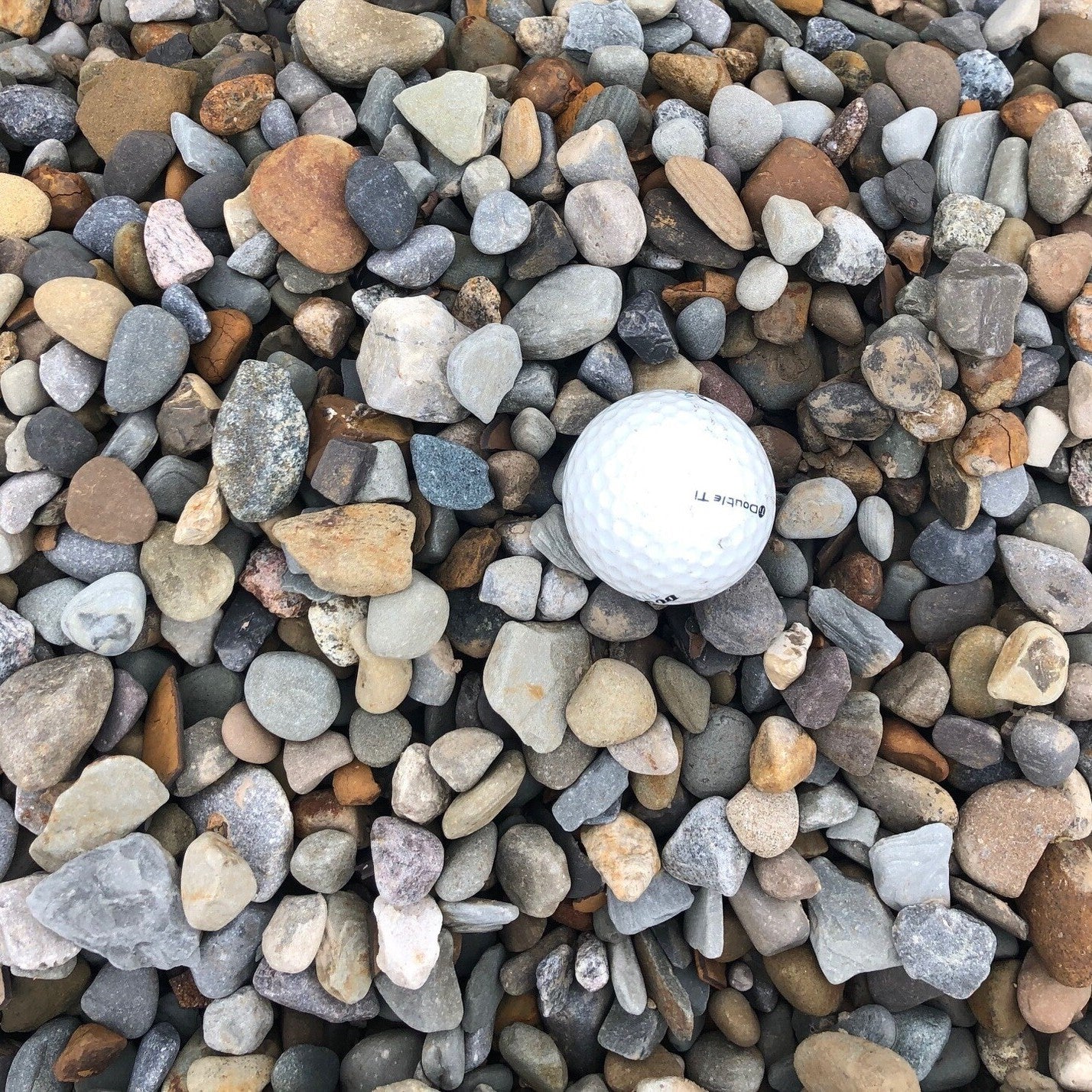
About this stone

Classic pea gravel with smooth, rounded edges and natural earth tones. A versatile favorite for pathways, patios, drainage, and decorative ground cover.

I contacted Mulch Mound for #57 river rocks and it was easy and fast to get a delivery right before the holiday weekend. Stone was delivered as promised and place exactly where I asked. Excellent service! I will be ordering mulch next!

Norwalk Stone Delivery

Norwalk Stone Delivery

4.7
137 reviews
Regular price $87.00 per yard
Regular price Sale price $87.00
Sale Sold out
Type
Size
Minimum of 3
1 tree planted for every order

About this stone

Classic pea gravel with smooth, rounded edges and natural earth tones. A versatile favorite for pathways, patios, drainage, and decorative ground cover.

I contacted Mulch Mound for #57 river rocks and it was easy and fast to get a delivery right before the holiday weekend. Stone was delivered as promised and place exactly where I asked. Excellent service! I will be ordering mulch next!

For decorative beds and borders in Norwalk, three inches of stone is the working minimum over landscape fabric on silt loam soil. Pathway applications should reach four inches with a compacted base layer to resist the soft, mobile nature of silt loam after spring rains.
Use our free stone calculator

A yard is approximately 27 cubic feet. As a general guideline, one yard of material can cover an area of about 100-160 square feet at a 2-3 inch depth.

View full details

How It Works

Getting started is easy — just follow these simple steps

1

Choose your stone

Make sure you adjust the quantity to your home's needs. You can use our calculator to estimate how much you'll need.

2

Select your delivery date

Select a delivery date you'd like for the product to be dropped off at your home

3

Sit back and wait

Sit back, wait, and let us work our magic to make sure the highest quality product is delivered to your driveway.

From The Mouths of Norwalk Folks

4.7
out of 5 based on 137 reviews
Google Reviews

Need Help Calculating How Much Stone & Gravel You Need?

Use our NEW Trace from Satellite tool to get an estimate for your project based on an aerial view of your property

Try Our Calculator
📍

To estimate stone coverage, multiply your area length by width in feet to get square footage, then divide by 100 for a three-inch depth to get approximate cubic yards. Norwalk's silt loam settles and shifts more than clay-heavy soils, so check your base layer depth after the first winter and plan to top off stone pathways and beds in the second spring. Frost heaving can work small stones upward slightly each winter, making a small annual top-off part of normal Norwalk maintenance.

Complete Your Outdoor Stone Project

Stone projects pair naturally with a bulk topsoil delivery for any regrading needed to direct water toward your new drainage borders before stone goes in. Adding mulched planting beds alongside stone borders creates a finished, layered Norwalk landscape that handles both the wet springs and the drier stretches of July and August with minimal upkeep.

Map of Norwalk, Ohio

Areas We Deliver Stone & Gravel in Norwalk, Ohio

No cities found for this region.

See All Locations
Mulch Mound Pro Tip

In Norwalk, installing landscape fabric under any stone bed or pathway is worth the extra step. The region's fine-textured silt loam is exactly the particle size that migrates into stone over time, gradually filling the air spaces that make gravel drain well and give pathways their firm footing. A quality woven fabric acts as a permanent barrier between the soil and stone layers, keeping the drainage function of your stone installation working through many seasons of Norwalk rain and frost.

Mulch Mound Pro Tip

If you are using stone for a foundation drainage border in Norwalk, slope the stone bed slightly away from your house at about one inch per foot. The heavy spring rains that Norwalk sees in April and May can overwhelm flat stone borders and push water toward the foundation rather than away from it. Setting the grade before you lay stone takes only a few minutes with a rake but protects your basement or crawlspace from the worst of Norwalk's spring moisture load.

Mulch Mound Pro Tip

Norwalk's 36 inches of annual rainfall means that any stone path or bed near a downspout outlet will see concentrated water flow several times per year. Use larger stone, two inches or bigger, in the immediate splash zone around downspout outlets to prevent the erosion and displacement that smaller pea gravel suffers under that kind of water volume. Larger stone locks together under flow pressure and stays in place even during the heaviest spring and summer rain events Norwalk typically sees.

The Unique Landscape of Norwalk

Decorative and functional stone is one of the most practical investments a Norwalk homeowner can make given the region's drainage challenges and wet spring weather patterns. Norwalk's 36 inches of annual rainfall, concentrated heavily in spring, creates persistent drainage problems along foundations, in low-lying yards, and on slopes where silt loam sheds water rather than absorbing it. Stone pathways, drainage borders, and gravel beds provide permeable surfaces that manage that water load without the erosion and compaction that bare silt loam suffers. The freeze-thaw cycle between November and March in zone 6b is especially hard on traditional landscaping materials, but natural stone holds up through repeated temperature swings without heaving or degrading. Stone also requires far less seasonal maintenance than mulch or grass in the narrow pathways and tight borders that are common in Norwalk residential yards. Whether used for a front-foundation border, a backyard pathway, or a drainage swale, bulk stone delivers lasting function that handles every season the Norwalk climate can produce.

Frequently Asked Questions

Click a question to see the answer

Answer

What type of stone works best for drainage along a Norwalk foundation?

A clean washed gravel in the three-eighths to three-quarter inch range is the most effective choice for foundation drainage borders in Norwalk. The fine particles in silt loam can migrate into stone over time and clog the air pockets that make gravel drain efficiently. Using a landscape fabric under the stone layer helps prevent this problem in Norwalk's fine-textured soil. Keep the stone layer four to six inches deep along foundation beds to handle the heavy April and May rain events the area sees each year.

Answer

Will decorative stone stay in place through Norwalk's winter freeze-thaw cycles?

Yes. Stone is one of the most freeze-thaw-resistant landscaping materials available, which makes it particularly well-suited to Norwalk's zone 6b winters. Unlike mulch, which can shift and thin through repeated freeze-thaw cycles from November through March, stone holds its position year after year. Larger stone sizes such as one-and-a-half-inch river rock are especially stable and resist migration even after heavy rain or foot traffic on softened ground.

Answer

How deep should I lay stone for a backyard pathway in Norwalk?

For a functional pathway over Norwalk's silt loam, lay three to four inches of stone over a compacted gravel base. Silt loam is soft enough that a shallow stone layer will sink and shift under regular foot traffic, especially after spring rains soften the ground. Adding a two-inch base layer of compacted crusher run beneath your decorative stone creates a stable foundation that stays level even after Norwalk's frost heaving season.

Answer

Can I use stone to fix the low wet spots in my Norwalk backyard?

Stone can help manage low wet spots but works best as part of a drainage solution rather than a simple fill. In Norwalk, low areas collect water because the silt loam grade directs runoff toward those points. Filling a low spot with gravel improves local drainage by giving water a permeable medium to pass through, but if the underlying grade does not redirect the flow the area will remain soggy. Combining stone fill with a slight regrade using bulk topsoil gives you the most complete solution for Norwalk's wet yard problems.

Answer

How much stone do I need for a Norwalk decorative bed?

For a decorative bed at three inches deep, divide your square footage by 100 to get an approximate cubic yard estimate for most stone types. A 150-square-foot foundation border in Norwalk would need roughly one and a half cubic yards at three inches. Add ten percent if the bed has any low spots from frost heaving or soil settlement over the winter.

Answer

Does stone help with erosion on slopes in Norwalk yards?

Stone is one of the best erosion control materials for Norwalk slopes. The region's concentrated spring rainfall, sometimes two or more inches in a single event, carries topsoil quickly off unprotected silt loam slopes. A four-inch layer of one-and-a-half-inch river rock or landscape stone locks the soil surface in place and dissipates the energy of falling rain before it can move soil particles. Stone riprap along drainage channels and slope toes is particularly effective on the rolling terrain found in many Norwalk residential areas.

Answer

Is stone a good replacement for mulch in Norwalk planting beds?

Stone works well as a mulch replacement in beds with drought-tolerant ornamentals, foundation plantings, and areas where you want a permanent low-maintenance surface. The tradeoff in Norwalk is that stone does not add organic matter back to the silt loam the way mulch does, so plant beds converted to stone may need occasional soil amendment to stay productive. Stone is ideal for beds that are primarily decorative or planted with species that prefer lean, well-drained conditions rather than the nutrient-rich environment that mulched beds provide.