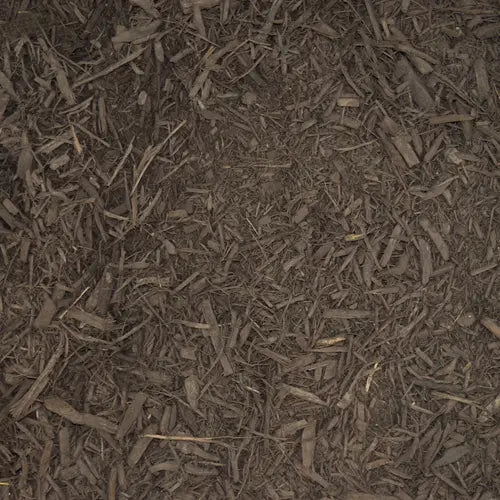
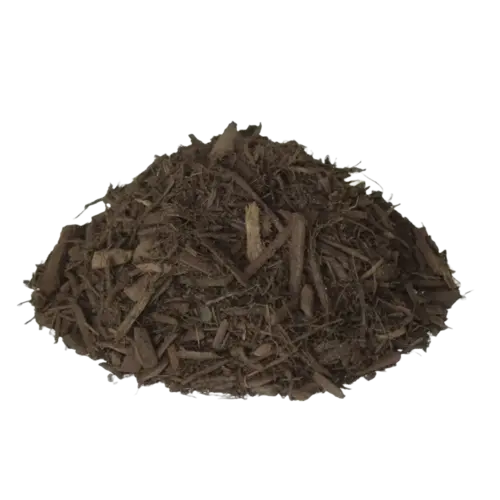
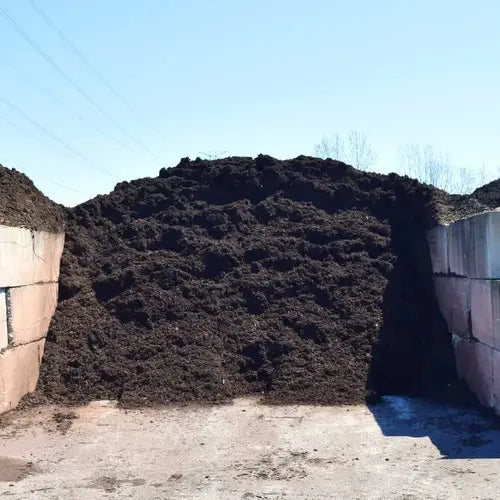
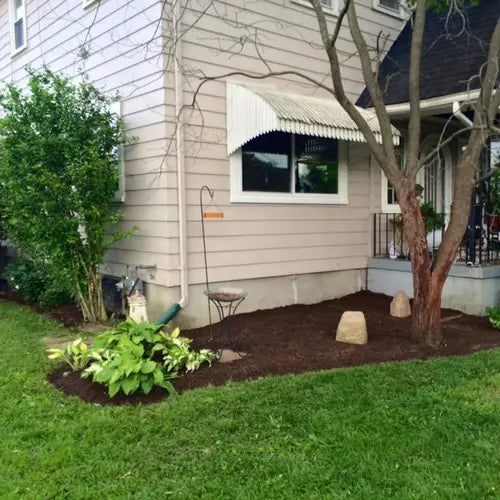
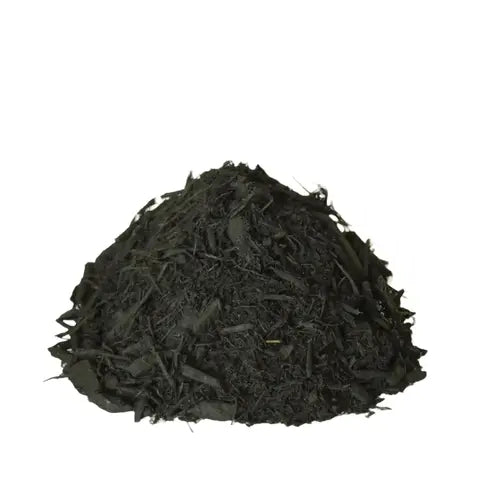
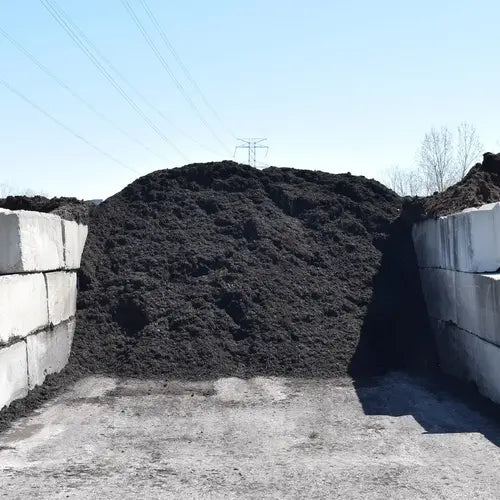
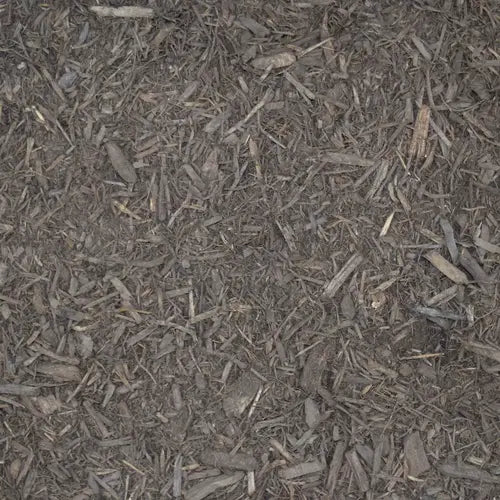
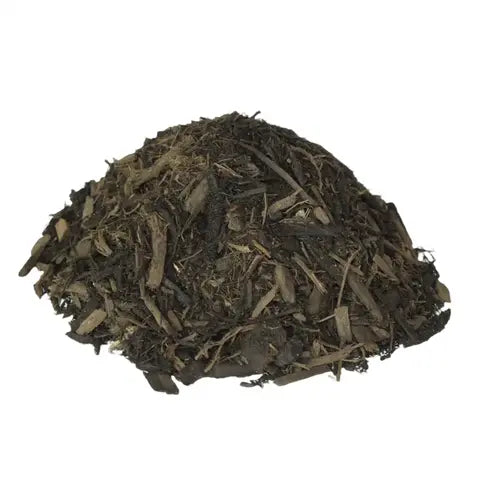
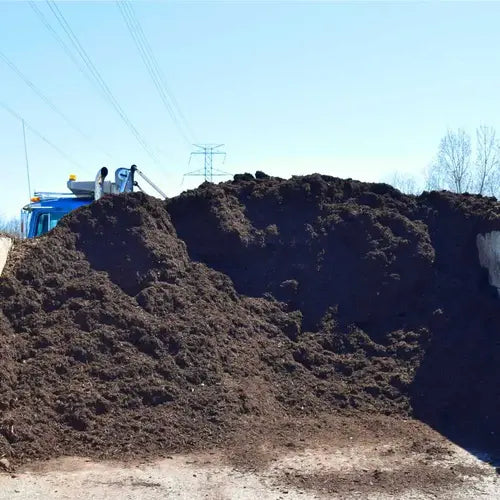
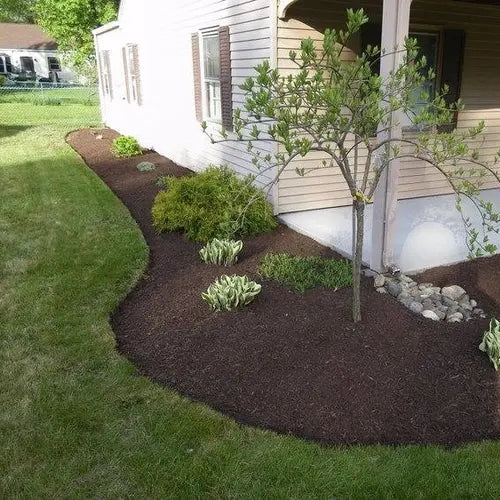
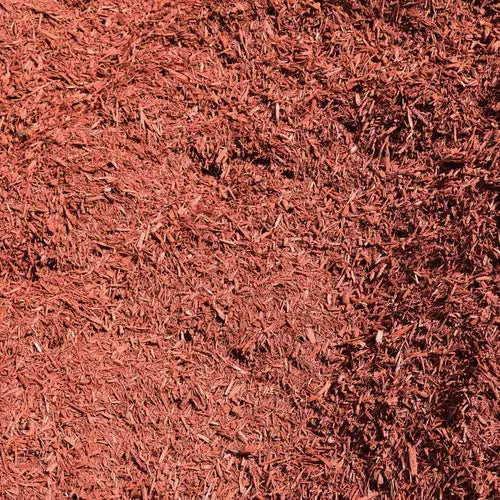
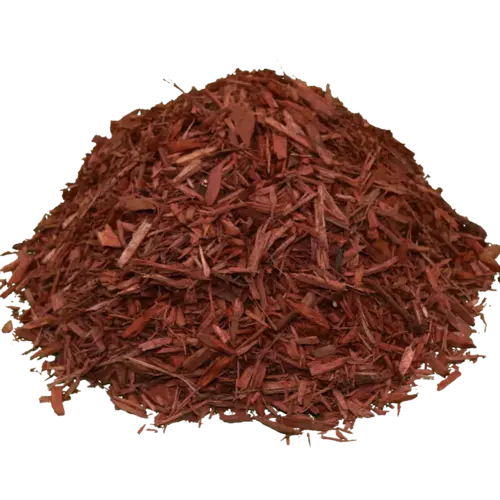
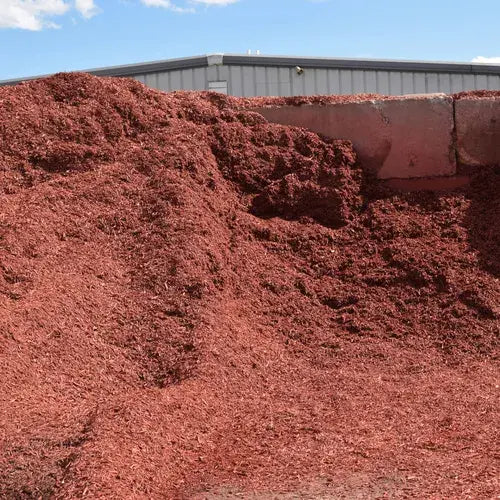
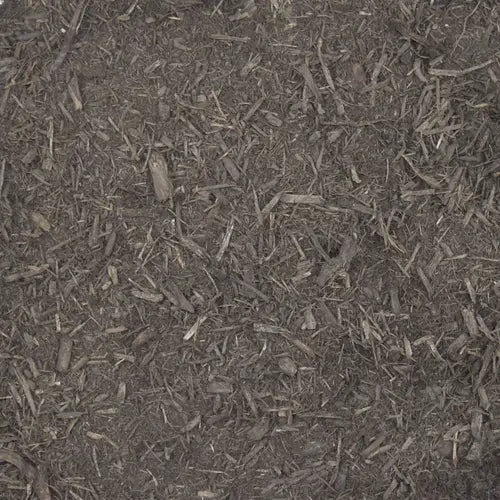
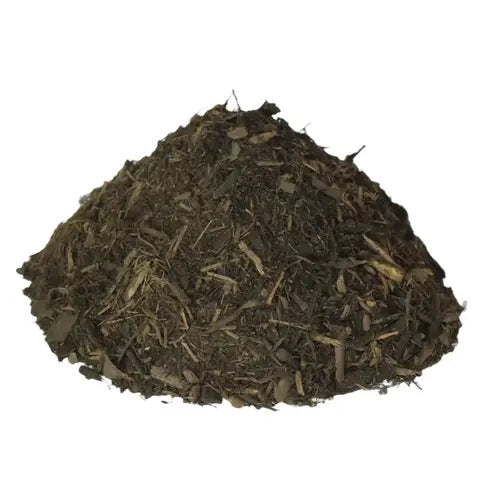
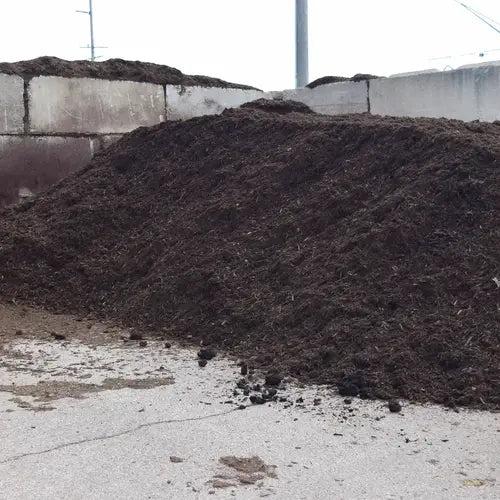
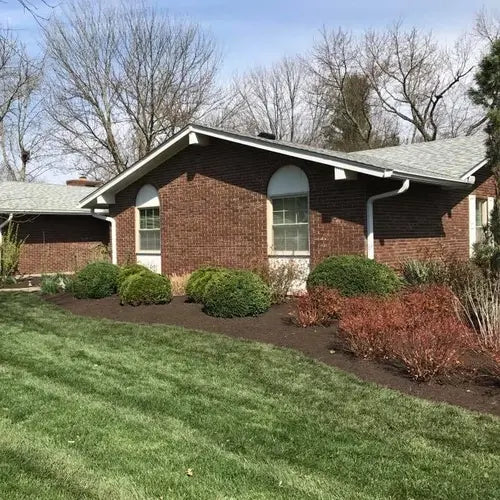
Warm brown double shredded mulch with lasting color that looks freshly applied for weeks. Spreads smooth, stays put, and gives beds a natural, polished appearance.
I highly recommend Mulch Mound. The quality of the mulch is very good. The ordering system on their website makes it very easy. The delivery driver did a great job placing the mulch on the driveway. To finish off, the pricing was very reasonable as well.
Tell us what you're looking for
Thanks! We received your request.
Something went wrong. Please try again.
How Much Material Do I Need?
Because Ocean Acres soil is primarily sandy and drains rapidly, aim for a minimum of 3 inches of mulch across all planting beds, with 4 inches reserved for south-facing beds and sloped areas that dry out fastest. Anything less than 2 inches will thin out before the season ends and leave your soil exposed during the warmest months.
Use our free mulch calculator
What is a yard?
A yard is approximately 27 cubic feet. As a general guideline, one yard of material can cover an area of about 100-160 square feet at a 2-3 inch depth.
We can't take orders for this right now. Tell us what you need and we'll get back to you.
What do you need?
Thanks! We received your request.
Something went wrong. Please try again.
Hand-picked local yards
4,000+ regional deliveries
Dedicated support
Why order through Mulch Mound
The best local mulch, without the guesswork.
We hand-pick and partner with the best yards in your region, keep only the ones our buyers rate well, and back each load with our guarantee.
Mulch Mound Guarantee
If your mulch isn't the quantity or quality you ordered, we'll make it right.
About this mulch
Warm brown double shredded mulch with lasting color that looks freshly applied for weeks. Spreads smooth, stays put, and gives beds a natural, polished appearance.
I highly recommend Mulch Mound. The quality of the mulch is very good. The ordering system on their website makes it very easy. The delivery driver did a great job placing the mulch on the driveway. To finish off, the pricing was very reasonable as well.
How Much Material Do I Need?
Because Ocean Acres soil is primarily sandy and drains rapidly, aim for a minimum of 3 inches of mulch across all planting beds, with 4 inches reserved for south-facing beds and sloped areas that dry out fastest. Anything less than 2 inches will thin out before the season ends and leave your soil exposed during the warmest months.
Use our free mulch calculator
What is a yard?
A yard is approximately 27 cubic feet. As a general guideline, one yard of material can cover an area of about 100-160 square feet at a 2-3 inch depth.
I highly recommend Mulch Mound. The quality of the mulch is very good. The ordering system on their website makes it very easy. The delivery driver...
Read full review
I highly recommend Mulch Mound. The quality of the mulch is very good. The ordering system on their website makes it very easy. The delivery driver did a great job placing the mulch on the driveway. To finish off, the pricing was very reasonable as well.
They offered a quick turnaround and delivered high quality mulch at a reasonable price. They also dropped it off exactly where I told them to put i...
Read full review
They offered a quick turnaround and delivered high quality mulch at a reasonable price. They also dropped it off exactly where I told them to put it. Good service!
Measure the length and width of each planting bed in feet and multiply them together to find the square footage of each area. In Ocean Acres, plan for a 3 to 4 inch application depth because sandy soil dries so quickly that a thinner layer will not provide enough moisture retention through a hot July stretch. Add up the total square footage of all your beds and run the number through our calculator to get an accurate cubic yard estimate before you order.
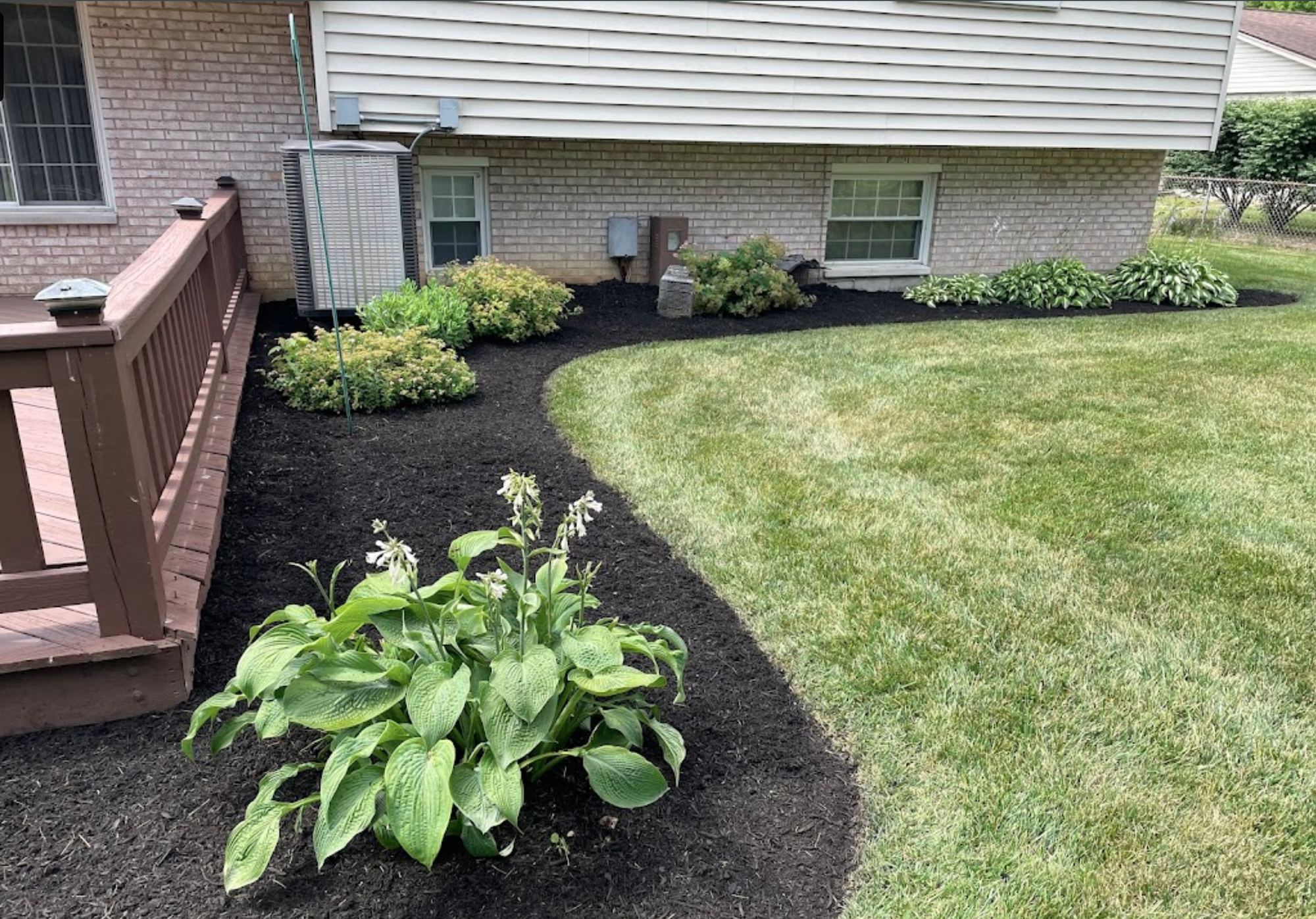
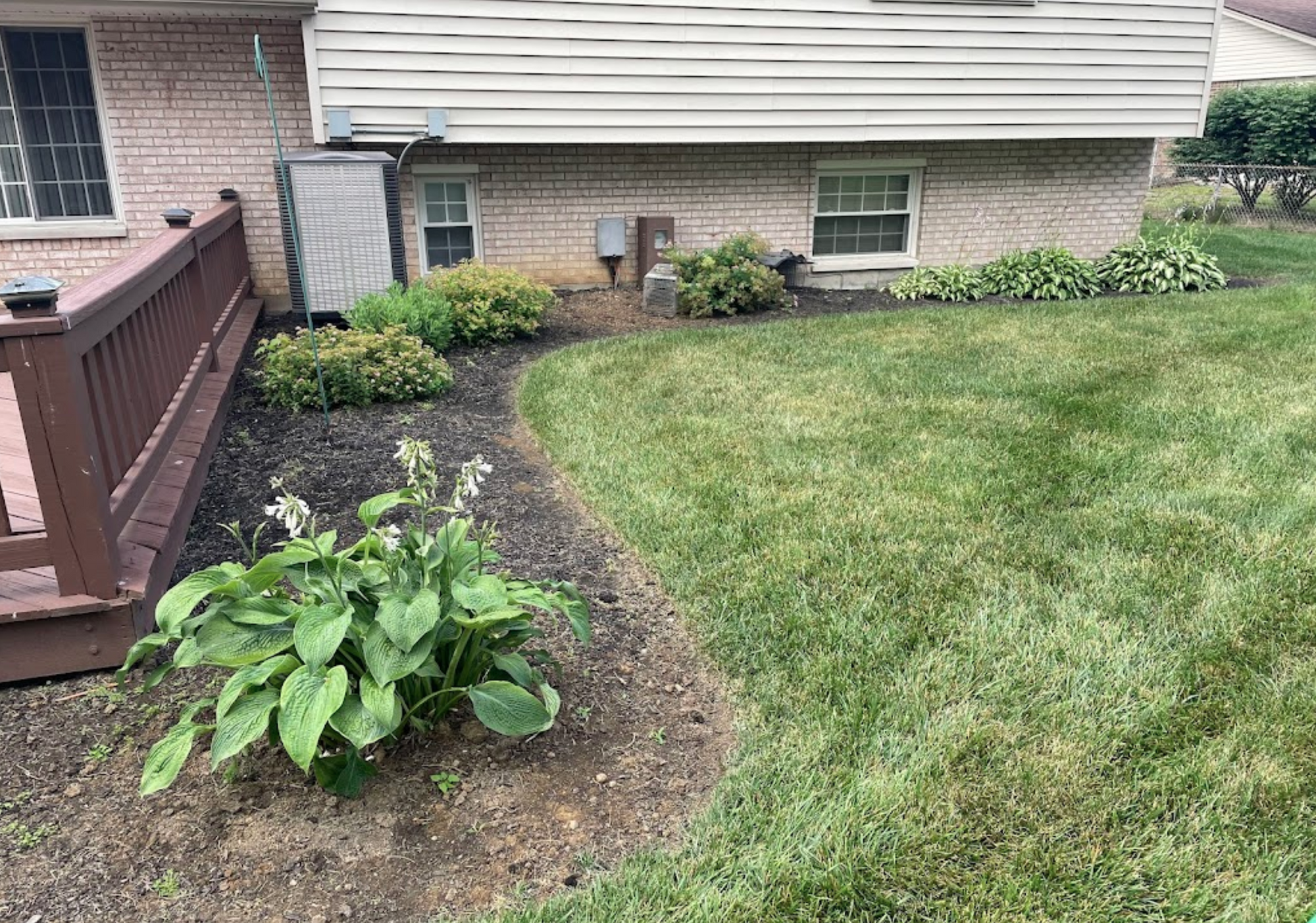
Mulch vs. No Mulch: The Difference
Ocean Acres sits in Zone 7b with warm, humid summers that accelerate the breakdown of organic materials, so the mulch type you choose directly influences how quickly you will need to replenish it. Natural hardwood mulch decomposes faster here than it would in cooler inland climates, which means it feeds the sandy soil with organic matter but will likely need topping off every spring. Dyed mulches are processed to break down more slowly and hold their color better through intense summer sun, making them a practical choice if curb appeal and bed aesthetics are a priority for your front yard.
Before
After
Best Mulch Choice for Ocean Acres Lawns
Most yards in the Ocean Acres area sit on Sandy type of soil. Sandy soil in Ocean Acres holds almost no nutrients on its own and loses moisture within a day or two of rain, leaving plant roots stressed during even brief dry stretches between storms.
Hardwood Mulch
Shredded hardwood mulch breaks down steadily through the warm, moist summers of Ocean Acres and adds a slow, steady feed of organic matter directly into the sandy soil below, gradually improving its ability to hold water and support healthy root growth season after season.
Mulch Types We Deliver in Ocean Acres
Mulch Mound delivers bulk mulch by the cubic yard directly to homes throughout Ocean Acres, so you get exactly the quantity you need without repeated store trips. If you have been searching for bulk mulch delivery in Ocean Acres, we carry a range of dyed and natural varieties that work well in the sandy, pine-influenced landscapes common to this part of coastal New Jersey.
Dyed Black Mulch
A striking choice for homeowners who want bold contrast against sandy soil and green plantings. Available in double shredded and triple shredded, the deep black color holds up well through summer sun and coastal rain, and the smooth texture spreads evenly around foundation beds, borders, and island plantings.
Dyed Brown Mulch
Warm brown tones blend naturally with the wooded, sandy character of yards in this region. Available in double shredded and triple shredded, it spreads cleanly along walkways and garden beds and holds a rich, freshly applied appearance through the full growing season without looking overdone.
Natural Brown Mulch
An undyed option with a genuine wood tone that fits quietly alongside the pine and oak surroundings common to this part of New Jersey. Available in double shredded and triple shredded, it breaks down gradually to add organic matter to the sandy, free-draining soils found throughout this area.
Complete Your Outdoor Mulch Project
If your sandy Ocean Acres beds need more than surface protection, pairing your mulch order with a bulk topsoil delivery lets you build up the organic content of the bed before you mulch over the top. Adding a border of decorative stone around the perimeter of your beds gives a polished finished look while also holding the mulch in place during the heavier rains Ocean Acres receives through summer.
Ocean Acres homeowners often underestimate how fast sandy soil warms in the spring, which accelerates weed germination considerably. Lay your mulch within one to two weeks after the April 7 last frost date and you will intercept the first flush of weed seeds before they take hold in the bare soil. Waiting until late May typically means pulling a round of weeds before you ever get the mulch spread.
Mulch Mound Pro Tip
Pull your mulch back about two inches from the base of every shrub and tree trunk on your property. Piling mulch directly against bark traps moisture and creates conditions for fungal rot and pest entry, which is a real concern in Ocean Acres where summer humidity stays elevated for weeks at a time. A small mulch-free ring around each trunk keeps the bark dry and the plant healthier through the long growing season.
Mulch Mound Pro Tip
With 45 inches of annual rainfall spread across Ocean Acres, a well-maintained mulch layer does double duty as erosion protection for sandy beds. During hard summer storms, bare sandy soil in unprotected planting areas can wash toward the street or settle into low spots across your yard. Keeping every bed covered with a consistent 3 to 4 inch mulch layer absorbs raindrop impact and slows surface water before it carries soil particles away.
Frequently Asked Questions
Click a question to see the answer
Answer
How thick should I apply mulch in Ocean Acres given how fast our sandy soil drains?
In Ocean Acres, 3 to 4 inches of mulch is the right target for most planting beds. Sandy soil loses moisture quickly, and that extra depth creates a meaningful buffer that holds water near the root zone between rain events. Going thinner than 2 inches leaves the soil exposed to summer sun and provides little protection against the dry stretches that commonly follow Ocean Acres summer storms.
Answer
Will mulch actually help with the weeds that take over my beds every spring?
Absolutely, and it is especially effective here because the warm, sandy soils of Ocean Acres create an ideal germination environment for weed seeds. A 3 to 4 inch layer of mulch blocks sunlight from reaching those seeds and dramatically reduces the number of weeds you pull each season. Applying fresh mulch right after the April 7 last frost date catches weeds before they can establish a foothold.
Answer
Does the rain we get wash mulch out of my sloped beds?
Ocean Acres receives about 45 inches of rain annually and heavy summer storms can shift lightweight mulch in sloped areas. Shredded hardwood mulch knits together as it settles and resists washing far better than nugget or large chip styles. For beds on a slope, applying the mulch slightly thicker and pressing it down firmly after delivery will help it stay in place through a hard rain.
Answer
When is the best time of year to mulch here in Ocean Acres?
The two most productive windows are early spring just after the April 7 last frost and mid-fall before the November 15 first frost. Spring mulching locks in soil moisture before summer heat peaks and suppresses the first flush of weed germination in warm sandy soil. Fall mulching insulates roots through the winter and gives the material time to begin breaking down and contributing organic matter before the next growing season begins.
Answer
How long will a fresh mulch application last before I need to replenish it?
In Ocean Acres, the combination of warm summers, frequent rain, and well-draining sandy soil creates conditions where organic mulch breaks down in roughly 12 to 18 months. You will likely notice the layer thinning and the color fading by the end of one full growing season. Adding an inch or two of fresh material each spring keeps the depth effective without building up an excessively thick mat that can smother roots.
Answer
Is dyed mulch safe to use around my vegetable garden beds?
Most dyed mulches use iron oxide or carbon-based colorants that are generally considered safe, but if you are growing food crops we recommend using natural hardwood or wood chip mulch without colorants near edible plants. Natural mulch also breaks down faster in the Ocean Acres climate and contributes organic matter directly to the sandy soil below, which is a real benefit for vegetable beds that need improved texture and water retention over time.
Answer
How do I figure out how many cubic yards of mulch I need for my Ocean Acres property?
A typical Ocean Acres home with foundation beds along the front and sides of the house usually needs 4 to 8 cubic yards depending on bed width, length, and desired depth. Measure the square footage of each bed and divide by 81 to get the cubic yards needed for a 4-inch application. Our calculator on this page makes that math easy once you have your bed measurements in hand.
The Unique Landscape of Ocean Acres
Ocean Acres sits on the sandy soils of the New Jersey Pinelands, where water drains so rapidly that plant beds can dry out within a day or two of a rain event. A deep mulch layer is one of the most effective tools a homeowner here can use to slow that drainage and keep roots consistently moist through the summer heat. With 45 inches of annual rainfall, mulch also cushions bare sandy ground from hard rains that would otherwise compact and erode exposed bed surfaces. Zone 7b means winters are cold enough to freeze the top few inches of soil, so mulch applied before the November 15 first frost helps protect shallow root systems through the cold months. Ocean Acres landscapes also face intense weed pressure once warm weather arrives after the April 7 last frost, and a proper mulch layer is the most practical first line of defense for busy homeowners.