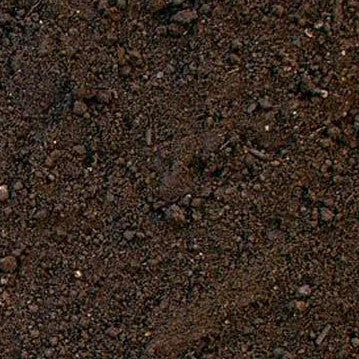
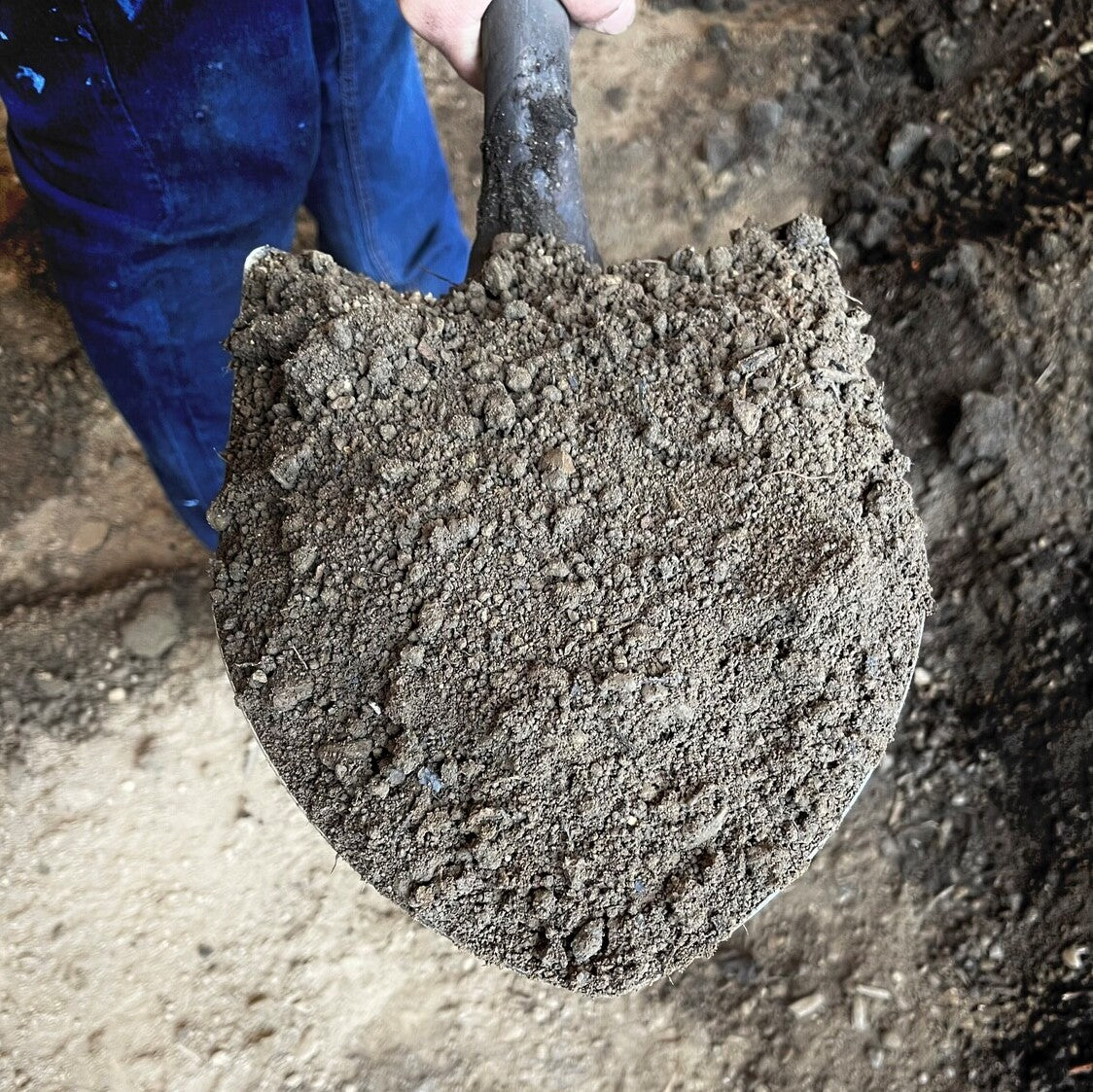
Quality topsoil for lawns, gardens, and landscape projects. Nutrient rich and ready to support strong root development and healthy plant establishment.
We ordered 3 yards of the garden soil, delivered mext day. We used in raised beds 6x3x2. It was more than needed for both but the soil looked good! I added some perlite to add some drainage since this is a little dense.
Tell us what you're looking for
Thanks! We received your request.
Something went wrong. Please try again.
How Much Material Do I Need?
For lawn leveling and overseeding projects over Ocean Acres sandy soil, 2 to 4 inches of topsoil is the practical minimum to see meaningful improvement in grass performance and moisture retention. For new garden beds or raised bed filling, budget for 8 to 12 inches of material to give plant roots adequate depth above the native sand.
Use our free soil calculator
What is a yards?
A yard is approximately 27 cubic feet. As a general guideline, one yard of material can cover an area of about 10 feet by 10 feet at a few inches deep.
We hand-pick and partner with the best yards in your region, keep only the ones our buyers rate well, and back each load with our guarantee.
Mulch Mound Guarantee
If your soil isn't the quantity or quality you ordered, we'll make it right.
About this soil
Quality topsoil for lawns, gardens, and landscape projects. Nutrient rich and ready to support strong root development and healthy plant establishment.
We ordered 3 yards of the garden soil, delivered mext day. We used in raised beds 6x3x2. It was more than needed for both but the soil looked good! I added some perlite to add some drainage since this is a little dense.
How Much Material Do I Need?
For lawn leveling and overseeding projects over Ocean Acres sandy soil, 2 to 4 inches of topsoil is the practical minimum to see meaningful improvement in grass performance and moisture retention. For new garden beds or raised bed filling, budget for 8 to 12 inches of material to give plant roots adequate depth above the native sand.
Use our free soil calculator
What is a yards?
A yard is approximately 27 cubic feet. As a general guideline, one yard of material can cover an area of about 10 feet by 10 feet at a few inches deep.
We ordered 3 yards of the garden soil, delivered mext day. We used in raised beds 6x3x2. It was more than needed for both but the soil looked good!...
Read full review
We ordered 3 yards of the garden soil, delivered mext day. We used in raised beds 6x3x2. It was more than needed for both but the soil looked good! I added some perlite to add some drainage since this is a little dense.
Measure the length and width of your project area in feet and multiply them to get the total square footage, then determine the depth of topsoil you need to add. Because native Ocean Acres sand compacts differently than quality topsoil, plan for about 10 percent more material than your target finished depth to account for light settling after the first few rains. Our calculator converts your square footage and depth into cubic yards so you can place one accurate order without guessing.
Soil Types We Deliver in Ocean Acres
The sandy, acidic soils common throughout the Pine Barrens region of New Jersey often need significant enrichment before lawns and gardens can reach their potential. We offer bulk soil delivery by the yard in Ocean Acres, bringing full cubic yard loads right to your property for lawn projects, raised beds, grading, and more.
Top Soil
Top soil comes in screened and unscreened options to suit different needs. Screened top soil is finely processed and nutrient rich, making it ideal for lawns, garden beds, and planting rows where strong root development matters. Unscreened top soil suits rougher applications like base fill or grade work where finer texture is less critical.
Fill Dirt
Fill dirt is unscreened soil best suited for grading, low spots, and rough leveling. It is a cost-effective choice for building grade around foundations, filling erosion areas, or laying a base beneath hardscape features on residential lots throughout this part of New Jersey.
Garden Compost
Garden compost is a nutrient-rich organic amendment that improves soil structure and feeds plants over time. It blends well into the lean, sandy ground common to this part of New Jersey, helping vegetable gardens and flower beds retain moisture and sustain healthy, steady growth.
Mushroom Compost
Spent mushroom compost delivers organic matter and trace nutrients that encourage vigorous plant growth. Mixing it into sandy topsoil improves water retention and long-term soil fertility, making it a strong choice for shrubs, perennials, and vegetable rows in New Jersey yards.
Complete Your Outdoor Soil Project
After your topsoil is graded and planted, a bulk mulch delivery will protect the surface from Ocean Acres summer rains and lock in the moisture that sandy amended soil would otherwise lose within a few days of a dry stretch. If you are creating defined bed edges or a pathway around your new garden area, a decorative stone border works well to contain the topsoil and prevent it from washing into surrounding lawn areas during heavy rains.
How much topsoil do I realistically need to improve my sandy Ocean Acres yard?
For a new lawn installation over sandy ground in Ocean Acres, a 4 to 6 inch layer of quality topsoil gives grass roots enough material to establish before they reach the native sand below. For garden beds, 8 to 12 inches of topsoil or a topsoil and compost blend gives vegetables and perennials the depth they need through a full growing season. Thin applications of 1 to 2 inches will blend into the sand quickly and provide limited long-term benefit.
Answer
Can I just spread topsoil on top of my sandy yard without tilling it in first?
For lawn leveling in Ocean Acres you can topdress with up to about an inch of fine topsoil without tilling and the existing grass will grow up through it naturally. For new garden beds, tilling the topsoil 4 to 6 inches into the existing sandy layer helps blend the two materials and prevents a hard boundary from forming that plant roots struggle to cross. If you are building raised beds with frame walls, tilling underneath is generally not necessary.
Answer
What is the difference between topsoil and garden soil and which one should I order?
Topsoil is a natural mineral soil used for grading, filling, and building depth across large areas, and it is the right choice when you need volume to level a yard or fill a raised bed frame in Ocean Acres. Garden soil is a pre-blended product with added compost and organic matter designed for planting directly into in smaller quantities. For most Ocean Acres projects involving significant volume, like filling raised beds or grading a lawn area, bulk topsoil is the more economical and practical option.
Answer
When is the best time to have topsoil delivered in Ocean Acres?
Spring delivery after the April 7 last frost is ideal for garden bed prep and lawn installation projects because the soil warms quickly and plants or grass seed can go in right away. Fall delivery before the November 15 first frost works well for grading projects and filling beds that you plan to plant the following spring. Avoiding delivery during the wettest parts of late winter is smart, as Ocean Acres sandy soil can become temporarily saturated during heavy spring rains, making grading work more difficult.
Answer
Will adding topsoil help the bare sandy patches in my lawn actually fill back in?
Yes, bare sandy patches in Ocean Acres lawns are almost always low in the organic content and nutrient retention that grass needs to fill in and stay healthy. Spreading 2 to 4 inches of topsoil over bare areas, working it lightly into the sandy surface with a rake, and then overseeding creates a much better germination bed than bare sand alone. Zone 7b gives you a long window from April through early October to establish new grass before cold weather shuts down growth.
Answer
How do I keep the topsoil I add from washing away during heavy summer rains?
Ocean Acres receives about 45 inches of rain per year and summer storms can arrive with real intensity, so freshly placed topsoil needs to be covered or planted quickly. For lawn areas, seeding and applying a straw cover or erosion mat right after grading holds the soil in place while grass germinates. For garden beds, planting or mulching over the topsoil within a few days of delivery is the best protection against the erosion that bare soil faces during a heavy rain event.
Answer
Is the topsoil you deliver safe to use in my raised vegetable beds?
Our bulk topsoil is screened and suitable for general use including vegetable garden beds. For food production in Ocean Acres, many gardeners blend topsoil with compost at roughly a 50/50 ratio to add organic matter, biological activity, and nutrients that productive vegetable beds need through a full growing season. This blend works especially well in raised bed frames where you have full control over the growing medium and are not relying on the native sandy soil for any support.
Mulch Mound Pro Tip
Before your topsoil delivery arrives, take a few minutes to rough up the surface of your existing sandy ground with a garden rake or a shallow pass with a tiller. This breaks up the hard surface interface between the new topsoil and the native sand and allows plant roots to cross that boundary more easily as they establish and grow deeper. Skipping this step can leave a distinct soil layer where roots stall and water briefly pools before draining away.
Mulch Mound Pro Tip
If you are filling raised bed frames in Ocean Acres, resist the urge to fill them entirely with topsoil alone. Blending topsoil with compost or aged wood chips in the lower half of the bed improves moisture retention and adds the organic matter that Ocean Acres sandy soil is naturally lacking. This layered approach builds a more biologically active growing environment that benefits vegetables and perennials throughout the entire growing season.
Mulch Mound Pro Tip
Time your topsoil delivery to align with Ocean Acres planting windows for the best possible outcome. Soil delivered and graded in late March or the first week of April can be seeded with grass or planted with cool-season crops right around the April 7 last frost, giving you a full growing season to establish plants before fall arrives. Leaving bare topsoil unplanted for more than a couple of weeks invites aggressive weed colonization on top of the fresh material.
The Unique Landscape of Ocean Acres
The native soil in Ocean Acres is characteristically sandy, a direct result of the Pinelands geology that underlies most of Ocean County. Sandy soil drains so freely that nutrients leach out quickly and plants struggle to maintain consistent moisture at the root level even during periods of regular rainfall. Bulk topsoil delivery is the most practical way to build new raised beds, level low spots in the lawn, or create a foundation layer in garden spaces that can actually hold water and nutrients long enough for plants to use them. With a last frost date of April 7 and a growing window that extends into mid-November, Ocean Acres gardeners have time to grow productive vegetable beds and full ornamental gardens, but only if the soil beneath gives roots something meaningful to work with. Whether you are installing a new lawn from seed, prepping a raised vegetable bed, or grading around a foundation, quality topsoil is the essential starting point for anything that grows in this sandy environment.