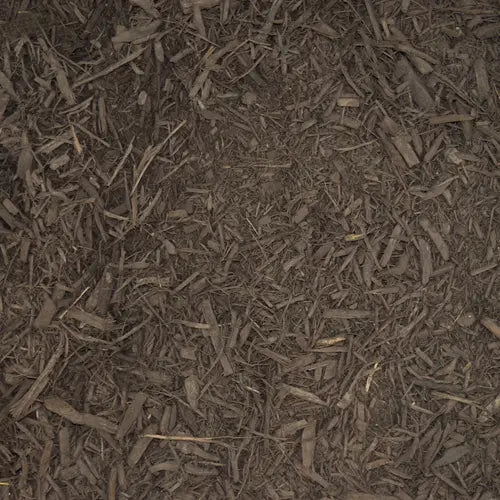
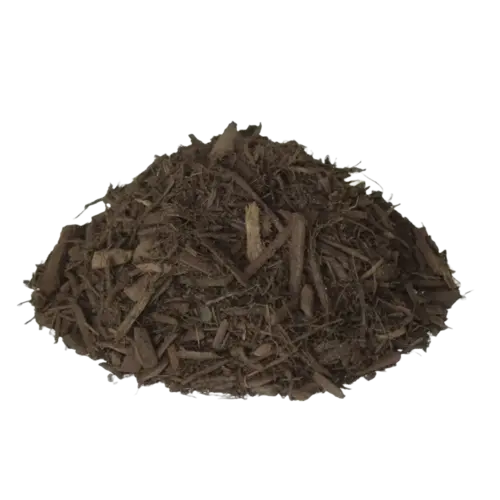
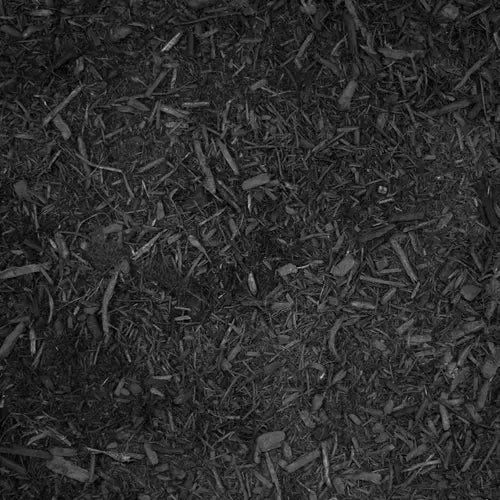
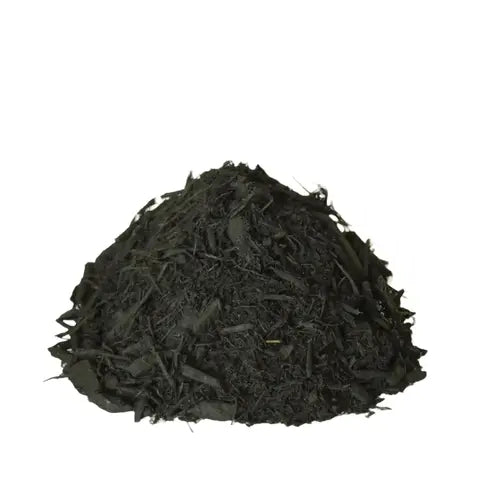
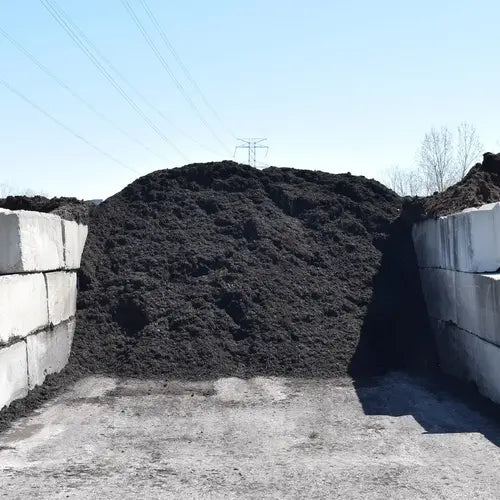
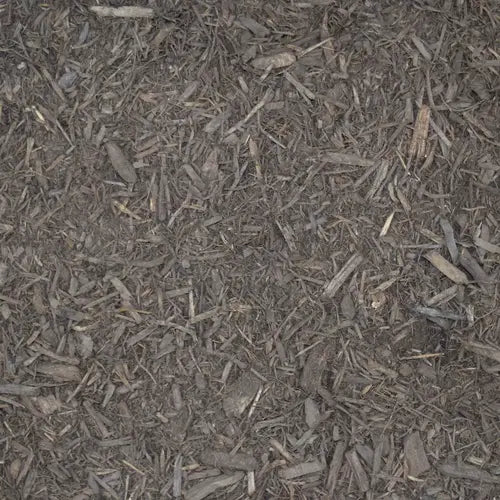
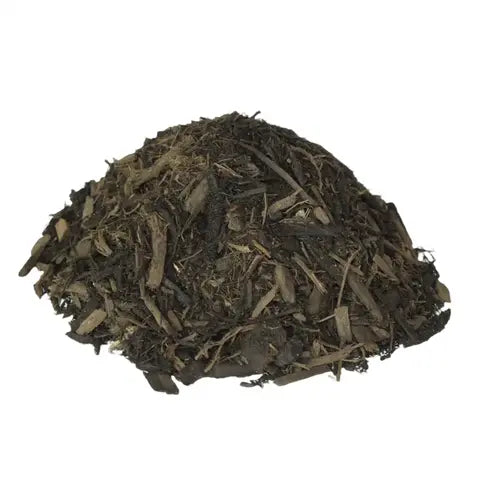
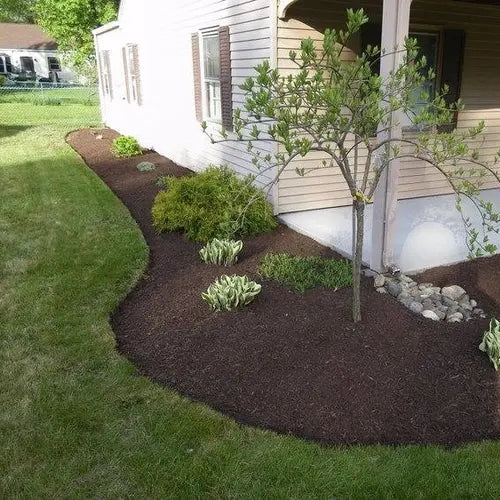
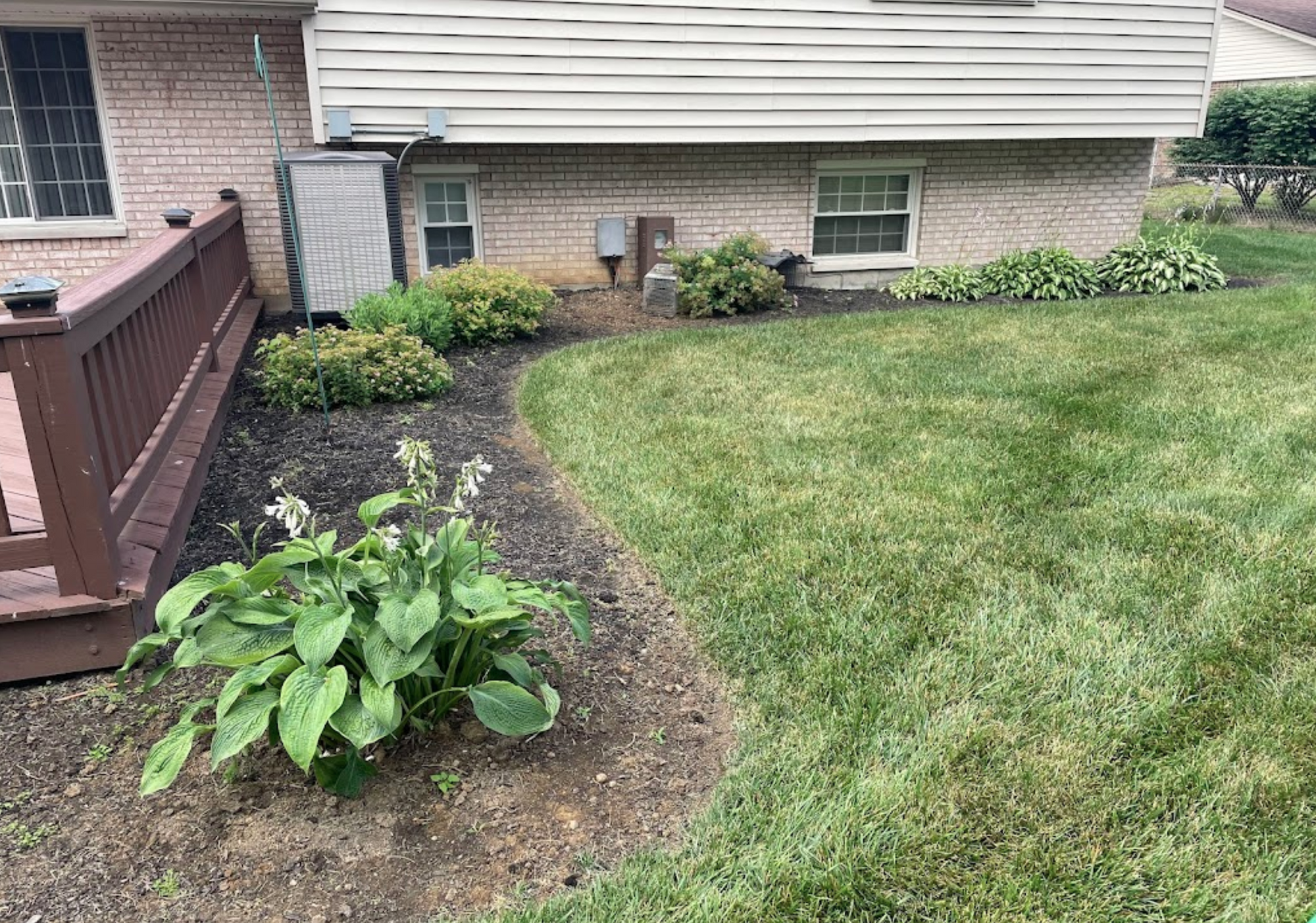
Warm brown double shredded mulch with lasting color that looks freshly applied for weeks. Spreads smooth, stays put, and gives beds a natural, polished appearance.
Mulch Mound made it so easy! So happy with the pricing, turn around time, delivery and product. I submitted my online order on a Thursday. The mulch was delivered to the designated location by a local landscape company at 8:30 a.m. the following Saturday morning. We had the...
Tell us what you're looking for
Thanks! We received your request.
Something went wrong. Please try again.
How Much Material Do I Need?
Plan for a full three inches of mulch in Ocean Pines plant beds rather than the standard two inches often recommended in regions with heavier, moisture-retaining soils. The sandy coastal soil here drains so quickly that the extra inch of coverage makes a meaningful difference in keeping roots hydrated through dry summer stretches.
Use our free mulch calculator
What is a yard?
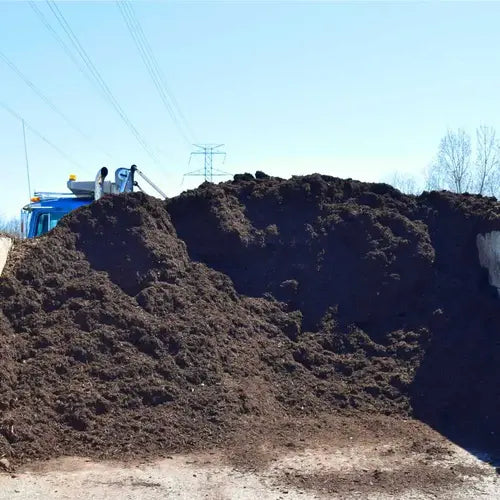
A yard is approximately 27 cubic feet. As a general guideline, one yard of material can cover an area of about 100-160 square feet at a 2-3 inch depth.
We can't take orders for this right now. Tell us what you need and we'll get back to you.
What do you need?
Thanks! We received your request.
Something went wrong. Please try again.
Hand-picked local yards
4,000+ regional deliveries
Dedicated support
Why order through Mulch Mound
The best local mulch, without the guesswork.
We hand-pick and partner with the best yards in your region, keep only the ones our buyers rate well, and back each load with our guarantee.
Mulch Mound Guarantee
If your mulch isn't the quantity or quality you ordered, we'll make it right.
About this mulch
Warm brown double shredded mulch with lasting color that looks freshly applied for weeks. Spreads smooth, stays put, and gives beds a natural, polished appearance.
Mulch Mound made it so easy! So happy with the pricing, turn around time, delivery and product. I submitted my online order on a Thursday. The mulch was delivered to the designated location by a local landscape company at 8:30 a.m. the following Saturday morning. We had the...
How Much Material Do I Need?
Plan for a full three inches of mulch in Ocean Pines plant beds rather than the standard two inches often recommended in regions with heavier, moisture-retaining soils. The sandy coastal soil here drains so quickly that the extra inch of coverage makes a meaningful difference in keeping roots hydrated through dry summer stretches.
Use our free mulch calculator
What is a yard?
A yard is approximately 27 cubic feet. As a general guideline, one yard of material can cover an area of about 100-160 square feet at a 2-3 inch depth.
Mulch Mound made it so easy! So happy with the pricing, turn around time, delivery and product. I submitted my online order on a Thursday. The mu...
Read full review
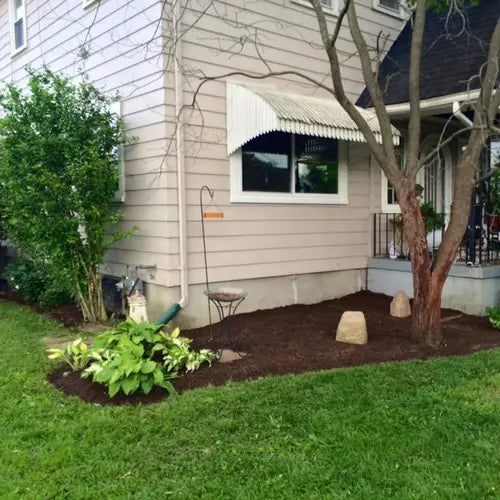
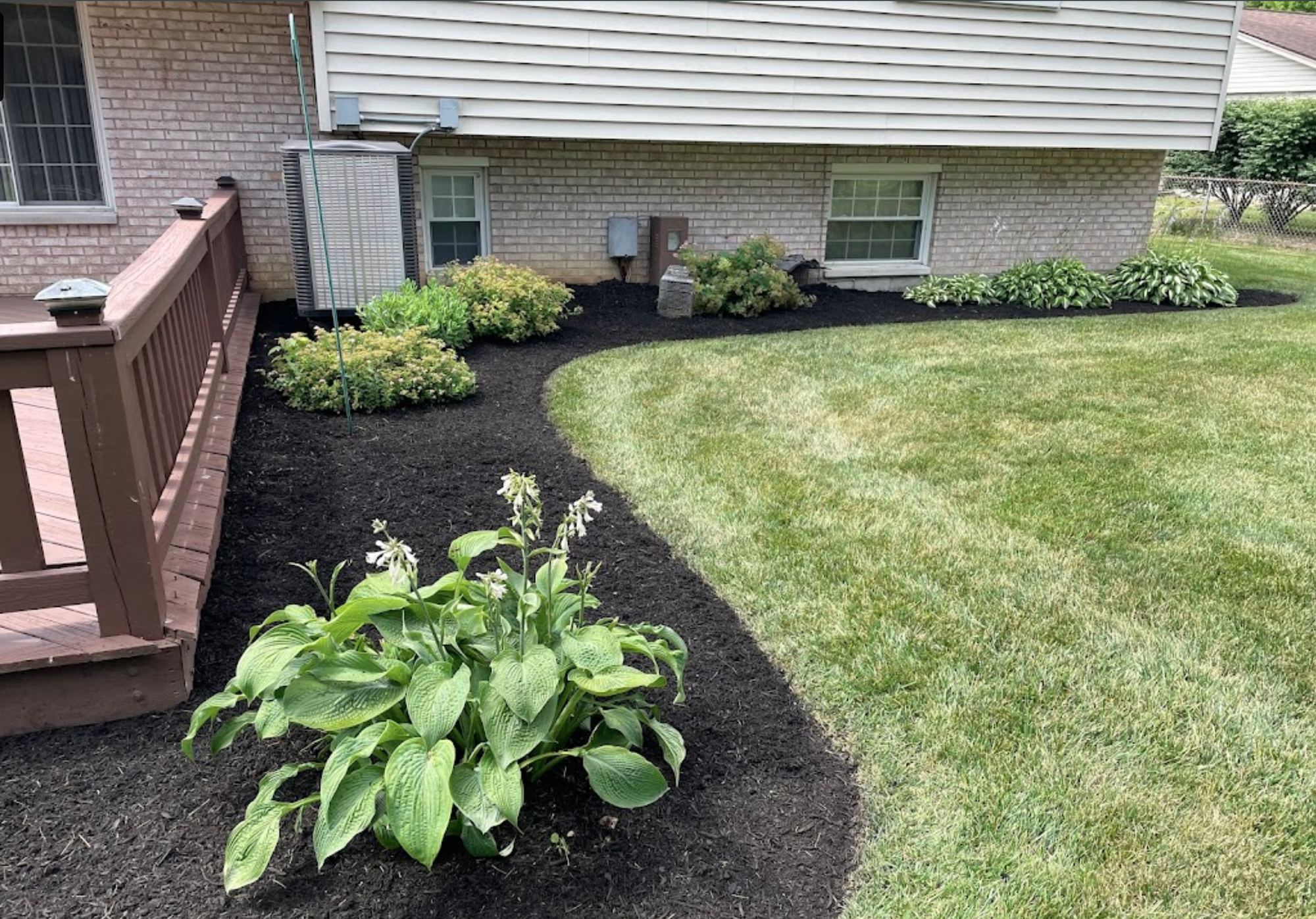
Mulch Mound made it so easy! So happy with the pricing, turn around time, delivery and product. I submitted my online order on a Thursday. The mulch was delivered to the designated location by a local landscape company at 8:30 a.m. the following Saturday morning. We had the job completed by that afternoon. We chose the natural brown mulch, and the plant beds are beautiful.
Good quality, great price, fast delivery. All online - no submitting forms and waiting for days for quotes. Getting mulch should be this easy fr...
Read full review
Good quality, great price, fast delivery. All online - no submitting forms and waiting for days for quotes. Getting mulch should be this easy from everyone. Only Mulch Mound is ACTUALLY this simple.
I highly recommend Mulch Mound. The quality of the mulch is very good. The ordering system on their website makes it very easy. The delivery driver...
Read full review
I highly recommend Mulch Mound. The quality of the mulch is very good. The ordering system on their website makes it very easy. The delivery driver did a great job placing the mulch on the driveway. To finish off, the pricing was very reasonable as well.
To estimate how much mulch you need, measure the length and width of each bed in feet and multiply those numbers together to get your square footage. For Ocean Pines beds, we recommend a three-inch depth because the sandy soil needs the extra buffer for moisture retention, so divide your total square footage by 108 to get the cubic yards required. Adding all your bed measurements together before ordering helps you take full advantage of bulk delivery pricing.
Mulch vs. No Mulch: The Difference
Ocean Pines's combination of high humidity, warm Zone 7b summers, and 44 inches of annual rainfall means that natural hardwood mulch breaks down meaningfully within one growing season, adding valuable organic matter back to the sandy soil as it decomposes. Dyed or processed mulches break down more slowly, which preserves color and surface appearance longer but contributes less organic material to the nutrient-poor coastal soil over time. The right choice depends on whether you prioritize ongoing soil improvement or consistent curb appeal in your specific landscape.
Before
After
Best Mulch Choice for Ocean Pines Lawns
Most yards in the Ocean Pines area sit on Sandy type of soil. Sandy soil in Ocean Pines plant beds holds almost no natural nutrients and loses moisture to drainage within hours of a rain event, making it one of the most difficult starting points for establishing healthy perennials and shrubs.
Hardwood Mulch
Hardwood mulch is the best choice for Ocean Pines sandy-soil beds because as it decomposes it releases humic acids and organic material that gradually bind sandy particles together, improving both moisture retention and nutrient availability in a way no other mulch type does as effectively over time.
Mulch Types We Deliver in Ocean Pines
Mulch Mound delivers bulk mulch by the cubic yard straight to properties in Ocean Pines, making it simple to freshen beds, cover bare ground, or take on a larger landscape project. Whether you are maintaining a waterfront cottage yard or a wooded lot, searching for bulk mulch delivery near me is a quick way to find our service and get your order placed. All mulch is measured and priced by the cubic yard so you receive exactly what your project calls for.
Dyed Black Mulch
Bold and striking, our double shredded Dyed Black Mulch creates sharp contrast against the light sandy soils and pale ground covers common in Eastern Shore landscapes. It holds its deep color well through humid Maryland summers and the coastal weather patterns this part of the state sees each season, spreading effortlessly across any bed.
Dyed Brown Mulch
Warm and inviting, our double shredded Dyed Brown Mulch suits the wooded lot and cottage styles common across Maryland's Eastern Shore. Its color holds a freshly applied appearance for weeks through summer heat and coastal rain, spreading smoothly over sandy or amended soil and giving beds a natural, polished finish.
Natural Brown Mulch
For homeowners who prefer an undyed look, our double shredded Natural Brown Mulch offers a warm earthy tone that comes straight from the wood itself. It blends naturally with the coastal vegetation and sandy terrain common to the Eastern Shore, making it a clean and honest choice for any yard.
Complete Your Outdoor Mulch Project
Pair your mulch delivery with a bulk soil order to amend the sandy native soil in new beds before mulching over the top, and consider adding a decorative stone border to keep mulch contained along pathways and foundation edges. Ocean Pines landscapes benefit from all three materials working together to manage the drainage challenges that coastal sandy soil creates.
Ocean Pines gardeners who plant native and coastal-adapted species like inkberry, switchgrass, or wax myrtle get the most out of a hardwood mulch layer because these plants evolved alongside organic woodland material. As the hardwood breaks down into the sandy soil, it slowly adds the humus and moisture-holding capacity that native coastal plants respond to best. Topping up annually around March 28 keeps this slow-release soil improvement process going year after year.
Mulch Mound Pro Tip
In Ocean Pines, keep mulch pulled at least two inches away from the base of all shrubs and tree trunks. The warm, humid summers in Zone 7b create the ideal conditions for fungal growth and crown rot when mulch stays in constant contact with woody plant material. A small gap around each stem costs you nothing but can prevent costly plant loss over the life of your landscape.
Mulch Mound Pro Tip
Ocean Pines receives about 44 inches of rain annually, which sounds like plenty for most plants, but the sandy soil profile means much of that water passes through the root zone before it can be used. A consistent three-inch mulch layer across all your beds acts as a sponge, slowing infiltration just enough for roots to absorb what they need. Homeowners who mulch consistently often find they need far less supplemental irrigation through July and August than neighbors who leave beds bare.
Frequently Asked Questions
Click a question to see the answer
Answer
How often do I need to replenish mulch in Ocean Pines given all the rain we get?
With 44 inches of annual rainfall and the naturally fast-draining sandy soil under most Ocean Pines properties, mulch tends to break down and compact faster than it would in denser soil regions. Plan to add a fresh one to two inch layer each spring around the time of your last frost on March 28, topping up beds to a total depth of about three inches. Organic mulch that has fully broken down into the sandy soil is actually benefiting your beds, so you do not need to remove it all before refreshing.
Answer
Will mulch wash away from my sloped beds during heavy rain storms near the bay?
Heavy rain events in the Chesapeake Bay region can move light materials around, especially on slopes. Shredded hardwood mulch works best in Ocean Pines because the irregular fibers knit together and resist displacement better than nugget or chip-style mulches. On steeper grades, applying mulch at three inches deep rather than two inches adds enough mass to keep it anchored through most storm events.
Answer
What is the ideal time of year to put down mulch in Ocean Pines?
The best window for a full mulch application in Ocean Pines is right after the last frost, which typically falls around March 28. At that point the soil has started to warm and new root growth is beginning, so a fresh mulch layer traps that early warmth and gives plants a head start. A lighter top-up in early November, before the first frost around November 15, also helps insulate perennial root systems through the mild Zone 7b winter.
Answer
Does our sandy Ocean Pines soil change how deep I should apply mulch compared to other areas?
Yes, and it is one of the most important adjustments Ocean Pines homeowners can make. Sandy soil loses moisture so rapidly that a thin one-inch mulch layer does not provide enough of a buffer. Aim for a consistent three-inch depth across all plant beds to give the sandy soil beneath enough insulation and enough time to absorb rainfall before it drains away. Avoid piling mulch directly against plant stems, which can cause rot in the warm, humid coastal climate.
Answer
Will colored mulch hold its dye through Ocean Pines summers or will it fade quickly?
Dyed mulches hold color reasonably well through the first full growing season in Ocean Pines, though the combination of intense summer sun and the humidity off the Chesapeake Bay does fade color faster than it would in a drier climate. Premium double-ground dyed mulches tend to retain color longer because the smaller particle size absorbs dye more evenly. If curb appeal is a priority in your coastal community, plan for a fresh dyed layer each spring to keep beds looking sharp.
Answer
Can mulch really help with the weed pressure in my Ocean Pines garden beds?
Absolutely. The sandy, open soil in Ocean Pines is an inviting environment for weed seeds because it offers little resistance to germination and root establishment. A three-inch hardwood mulch layer blocks light from reaching weed seeds and dramatically reduces the number that germinate through the season. Applying mulch just after your spring cleanup in late March gives beds a clean, weed-suppressing surface right at the start of the main growing season.
Answer
Should I rake out the old mulch before adding a fresh layer in spring?
In most Ocean Pines beds you do not need to remove old mulch entirely. If the existing layer has compacted and is still an inch or more deep, loosen it with a rake and add just enough fresh mulch to bring the total depth back to three inches. Fully decomposed mulch that has blended into the sandy soil beneath is adding organic matter and improving moisture retention, which is exactly what Ocean Pines soil needs. Only remove old mulch if it has developed a dense mat that sheds water rather than absorbing it.
The Unique Landscape of Ocean Pines
Ocean Pines sits on naturally sandy, fast-draining coastal soil that loses moisture quickly between rain events, leaving plant roots vulnerable to drought stress even during the growing season. With 44 inches of rainfall spread across the year, the real challenge is not total water but retaining it long enough for roots to absorb it before it drains away through the sandy profile. A consistent mulch layer slows surface evaporation dramatically and keeps the root zone cooler during the hot, humid summers that define Zone 7b on the Eastern Shore. Mulch also moderates the soil temperature swings that Ocean Pines plants experience in the shoulder seasons, protecting roots as late as November 15 when the first frost typically arrives. Applying fresh mulch in early spring, just after the last frost around March 28, gives your beds the best possible foundation for the growing season ahead.