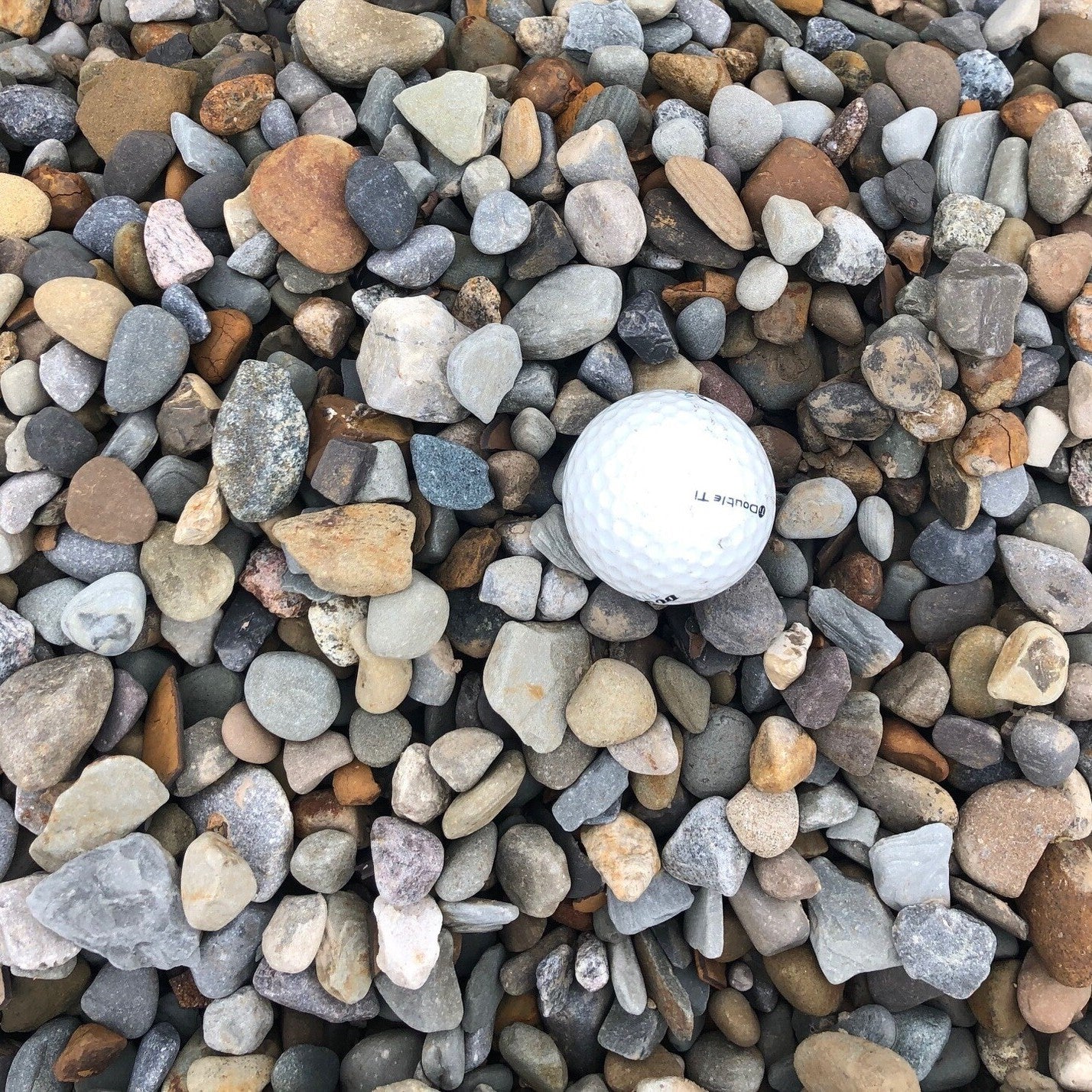
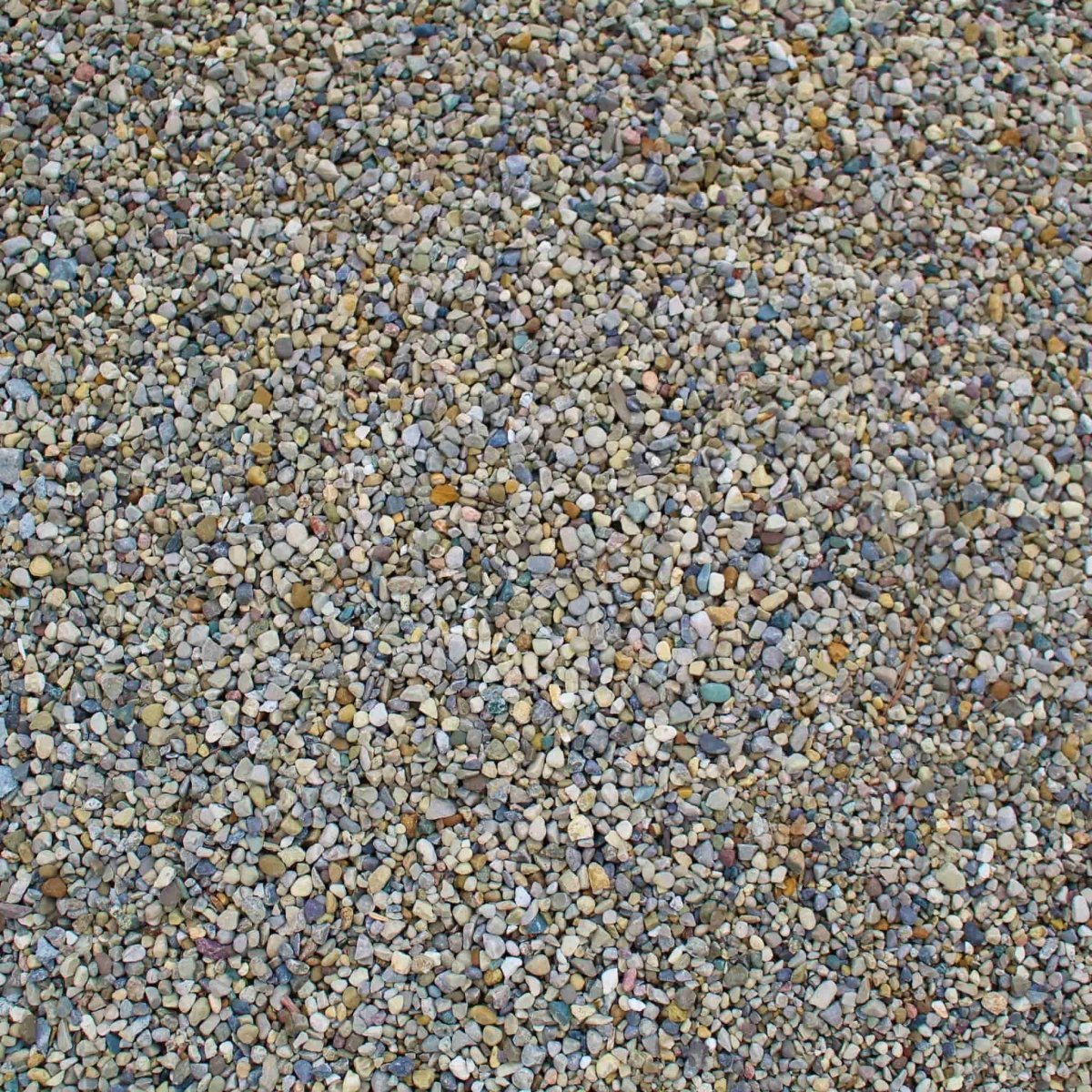
Number 57 crushed stone, angular limestone graded to about three quarters of an inch. The standard driveway, base and drainage gravel, it locks together under traffic and drains fast.
I used Mulch Mound to have 3 cubic yards of garden soil delivered. The process was easy and I love that I didn't have to call anyone. I placed my order online, picked my delivery date, laid out my tarp and the dirt was delivered. My delivery had to be pushed back, but I was ke...
Tell us what you're looking for
Thanks! We received your request.
Something went wrong. Please try again.
How Much Material Do I Need?
For decorative beds and pathway applications in Ocean Pines, a two-inch to three-inch stone depth provides both good weed suppression and a substantial-looking finished surface that holds up well through the rainy season. Drainage applications like French drains or dry creek beds typically require deeper fills, so plan those separately based on the specific channel dimensions of your drainage design.
Use our free gravel calculator
What is a yard?
A yard is approximately 27 cubic feet. As a general guideline, one yard of material can cover an area of about 100-160 square feet at a 2-3 inch depth.
We can't take orders for this right now. Tell us what you need and we'll get back to you.
What do you need?
Thanks! We received your request.
Something went wrong. Please try again.
Hand-picked local yards
4,000+ regional deliveries
Dedicated support
Why order through Mulch Mound
The best local stone, without the guesswork.
We hand-pick and partner with the best yards in your region, keep only the ones our buyers rate well, and back each load with our guarantee.
Mulch Mound Guarantee
If your stone isn't the quantity or quality you ordered, we'll make it right.
About this stone
Number 57 crushed stone, angular limestone graded to about three quarters of an inch. The standard driveway, base and drainage gravel, it locks together under traffic and drains fast.
I used Mulch Mound to have 3 cubic yards of garden soil delivered. The process was easy and I love that I didn't have to call anyone. I placed my order online, picked my delivery date, laid out my tarp and the dirt was delivered. My delivery had to be pushed back, but I was ke...
How Much Material Do I Need?
For decorative beds and pathway applications in Ocean Pines, a two-inch to three-inch stone depth provides both good weed suppression and a substantial-looking finished surface that holds up well through the rainy season. Drainage applications like French drains or dry creek beds typically require deeper fills, so plan those separately based on the specific channel dimensions of your drainage design.
Use our free gravel calculator
What is a yard?
A yard is approximately 27 cubic feet. As a general guideline, one yard of material can cover an area of about 100-160 square feet at a 2-3 inch depth.
I used Mulch Mound to have 3 cubic yards of garden soil delivered. The process was easy and I love that I didn't have to call anyone. I placed my o...
Read full review
I used Mulch Mound to have 3 cubic yards of garden soil delivered. The process was easy and I love that I didn't have to call anyone. I placed my order online, picked my delivery date, laid out my tarp and the dirt was delivered. My delivery had to be pushed back, but I was kept informed via text, which was great. So why not 5 stars? The description of garden soil on the website is "A balanced mix of topsoil and organic amendments ready for raised beds, flower gardens, and new planting areas. Good drainage, solid nutrients, easy to work with." What I got was more like fill dirt. It had a lot of gravel, a lot of clay, and random trash mixed in. I didn't test the soil to see if it actually had "amendments" because I already have compost and alpaca manure ready to add, but if I'd known the quality of the dirt was going to be the same as the bagged dirt I bought last year, I probably would have gotten 2 yards of top soil and a yard of leaf compost for better quality, especially since the leaf compost is cheaper. Photo of my mountain of dirt and just some of the trash I found in it.
Stone and gravel are sold by the ton rather than the cubic yard, so coverage varies depending on the material you choose. As a general guide, one ton of pea gravel or crushed stone covers approximately 80 to 100 square feet at a two-inch depth, which is a good starting point for estimating your Ocean Pines project. Measure your bed or pathway areas carefully and add ten percent to account for edges and any uneven spots in the sandy substrate that may need extra fill.
Stone Types We Deliver in Ocean Pines
Ordering bulk gravel by the yard in Ocean Pines is one of the most practical ways to move a landscaping project forward without hauling material yourself. We deliver stone by the cubic yard directly to your property, cutting out extra trips and keeping costs predictable. Whether you are improving drainage in the sandy coastal soil common to this part of Maryland, lining a garden path, or adding a polished finish to an outdoor living space, we make the process straightforward.
Pea Gravel
Pea gravel is a versatile, widely used stone that suits the relaxed coastal character of Ocean Pines yards and gardens. Its smooth, rounded edges are comfortable underfoot on bare pathways and patios, and the warm natural earth tones blend well with the wooded, low-maintenance landscapes common in this region of Maryland. The open texture also allows water to move freely through sandy soil, making it a reliable choice wherever drainage matters.
Complete Your Outdoor Stone Project
After installing stone pathways or drainage features, consider adding bulk mulch to adjacent planting beds to maintain the moisture and soil-temperature benefits that sandy Ocean Pines soil needs through the growing season. A layer of quality garden soil or topsoil under raised planting areas near your stone features gives plants the root environment they need while the stone handles the hardscape and drainage challenges around them.
In Ocean Pines, consider using larger river rock or decorative boulders as natural edging between lawn areas and stone beds. The rocky, coastal aesthetic fits the community's character well, and the physical weight of larger stones keeps the boundary clean and defined without requiring the plastic or metal edging that often heaves out of the sandy coastal soil after a few seasons of mild freeze-thaw cycles.
Mulch Mound Pro Tip
If you are using stone to fill a dry creek bed or drainage swale in your Ocean Pines yard, size your stone to the volume of water you expect to move through it. Pea gravel works fine for small, slow-moving drainage areas, but if your property sits in the path of concentrated runoff during heavy rain events, use three-inch or larger river rock that will stay in place rather than washing down the channel and collecting in unwanted areas.
Mulch Mound Pro Tip
Stone borders along the foundation of your Ocean Pines home do double duty by improving drainage away from the structure and eliminating the mulch-to-foundation contact that promotes termite activity and moisture damage in the coastal climate. Keep a six-inch to twelve-inch gravel strip along all foundation edges and you protect your home while reducing one of the most maintenance-intensive zones in any Ocean Pines landscape.
The Unique Landscape of Ocean Pines
Stone and gravel are particularly well-suited to Ocean Pines landscapes because they solve several challenges that the coastal sandy-soil environment creates, including erosion along slopes, poor drainage in low spots, and the difficulty of maintaining organic materials through wet winters and humid summers. Unlike mulch, stone does not break down, compact, or migrate into the sandy soil below, making it a genuinely low-maintenance solution for high-traffic areas, pathways, and foundation borders in a coastal community. The relatively mild Zone 7b winters in Ocean Pines mean freeze-thaw cycles are far less dramatic than in inland areas, so gravel and stone installations stay level and stable year after year. Decorative stone also handles Ocean Pines's 44 inches of annual rainfall with ease, allowing water to percolate through rather than pond on the surface. For homeowners who want beautiful, functional outdoor spaces without constant seasonal upkeep, stone delivers in ways that few other landscape materials can match.
Frequently Asked Questions
Click a question to see the answer
Answer
What type of stone works best for a garden pathway through an Ocean Pines yard?
Pea gravel and crushed granite are both excellent choices for Ocean Pines garden pathways because they compact enough to walk on comfortably while still allowing the area's frequent rainfall to percolate through rather than run off the surface. Pea gravel has a smooth, coastal-appropriate look that fits well in the relaxed aesthetic of Ocean Pines communities. For a firmer surface, angular crushed stone compacts more tightly and shifts less under foot traffic, which is helpful on longer or more frequently used pathways.
Answer
Can stone help with the drainage problems I have in low spots around my Ocean Pines property?
Yes, stone is one of the most effective tools for managing drainage in Ocean Pines yards. French drains filled with clean angular gravel redirect subsurface water away from problem areas, and a gravel-filled dry creek bed can channel surface runoff from heavy rain events without eroding the sandy soil around it. With 44 inches of rainfall per year, having a designed drainage solution using stone keeps low spots from becoming persistently muddy patches through the wet season.
Answer
Will decorative stone look good year-round in Ocean Pines or does it fade in the coastal weather?
Quality decorative stone holds its appearance year-round in Ocean Pines because it is not subject to the fading, compaction, or breakdown that organic materials experience in the coastal humidity and rainfall. River rock and polished stone actually look their best after rain because the wet surface brings out their natural color and depth. In a community where curb appeal matters, stone borders and beds provide consistent visual interest through every season without any seasonal refresh or replacement required.
Answer
How deep should I lay stone for a low-maintenance landscape bed in Ocean Pines?
For a decorative stone bed in Ocean Pines, a two-inch to three-inch layer of stone over a quality landscape fabric provides solid weed suppression and a clean finished look. The depth is enough to keep stone from shifting around and exposing the fabric below during the rain events that occur regularly through the year. For drainage applications like French drains or dry creek beds, depth requirements vary based on the volume of water you are managing, but most residential installations in Ocean Pines work well with six to twelve inches of gravel in the drain channel itself.
Answer
Does stone get too hot in the Ocean Pines summer sun to use near my plants?
Dark stone does absorb and radiate heat in the summer, which can stress plant roots if placed directly against stem bases or used heavily over root zones in hot, full-sun areas. For beds that include plants, lighter-colored stone like white or gray river rock reflects more heat than it absorbs and stays cooler during the summer sun Ocean Pines receives from June through August. Reserve darker stone for purely hardscape areas like pathways, borders, and drainage channels away from plant root zones.
Answer
What stone works best for controlling erosion on a slope in my Ocean Pines yard?
Larger, angular rip-rap or river rock is the best choice for slope erosion control in Ocean Pines because the weight and irregular shape of the stones resist movement even during heavy rain events. The sandy soil under Ocean Pines slopes erodes quickly when exposed to rain impact, so covering slopes with stone eliminates the splash erosion that bare or lightly mulched sandy slopes suffer through the wet season. For moderate slopes, a two-inch to four-inch layer of large angular gravel laid over landscape fabric provides excellent protection without requiring any ongoing maintenance.
Answer
Should I use landscape fabric under stone in my Ocean Pines beds?
Landscape fabric under stone is strongly recommended in Ocean Pines specifically because the sandy soil below can migrate upward into the stone layer over time, especially with 44 inches of annual rainfall working the soil surface. Without fabric, you will find sandy material mixing into your stone within a couple of seasons, dulling the appearance and reducing the drainage benefit. A quality woven fabric lets water pass through freely while keeping the soil and stone layers cleanly separated for many years of low-maintenance performance.
Answer
Is crush and run the same as crusher run?
Crush and run refers to crushed stone blended with stone dust that compacts tight for driveway and paver bases. For Ocean Pines properties dealing with sandy soil and drainage issues, our Crushed Stone #57 is the better choice, since the fines are washed out and it drains freely instead of locking together.