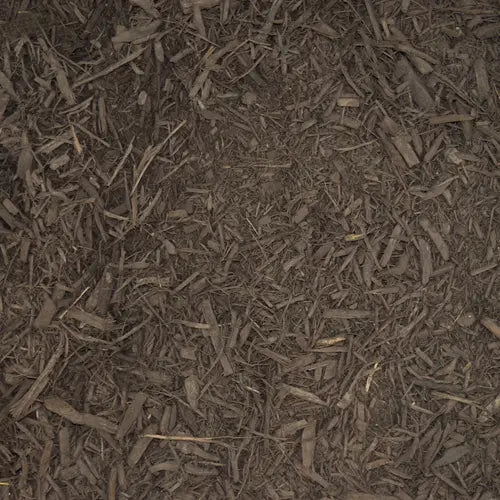
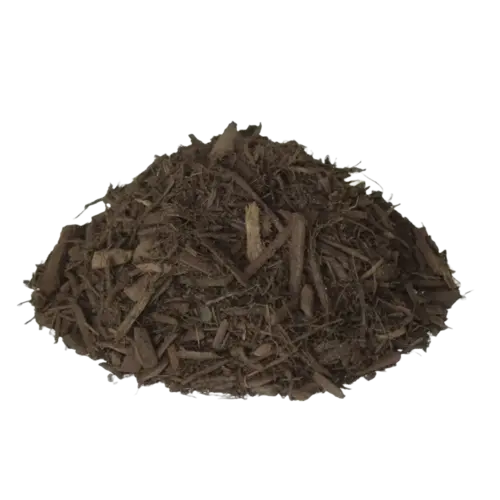
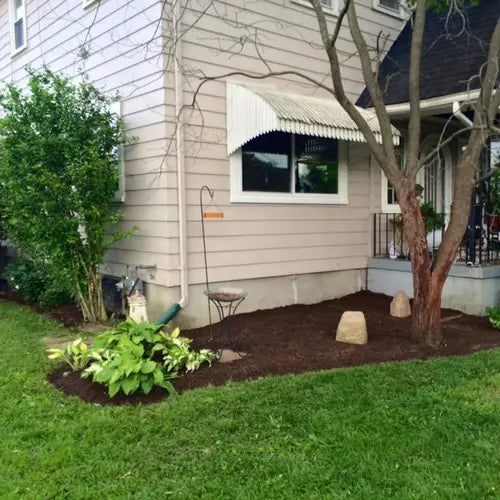
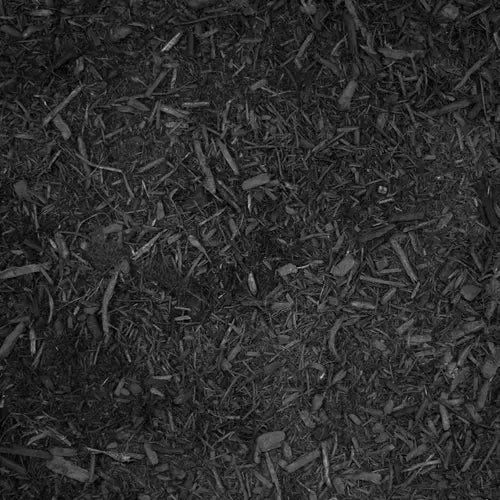
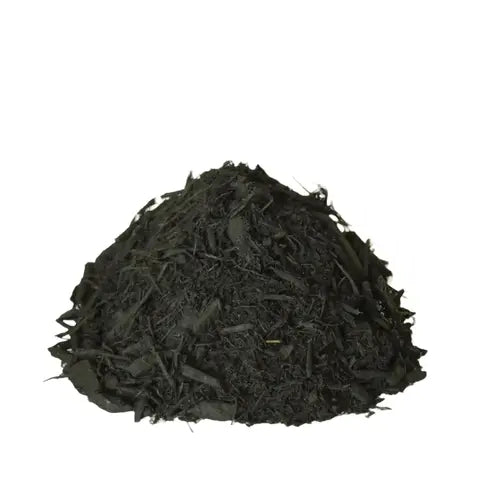
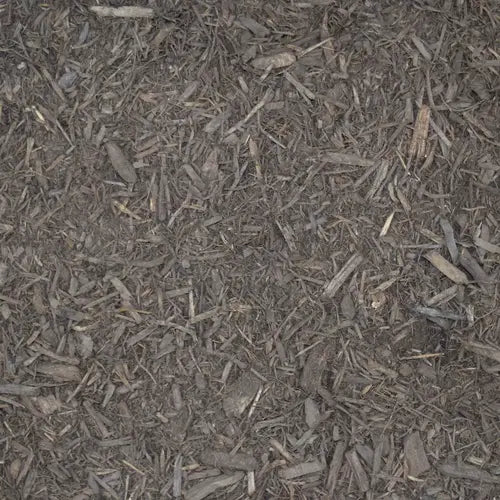
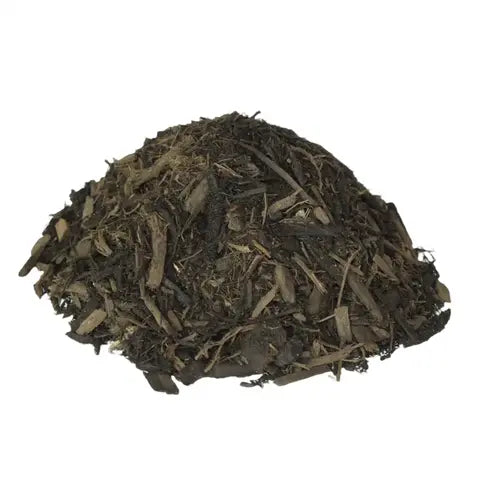
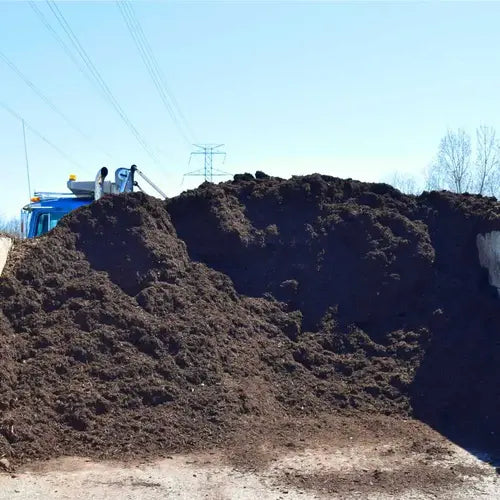
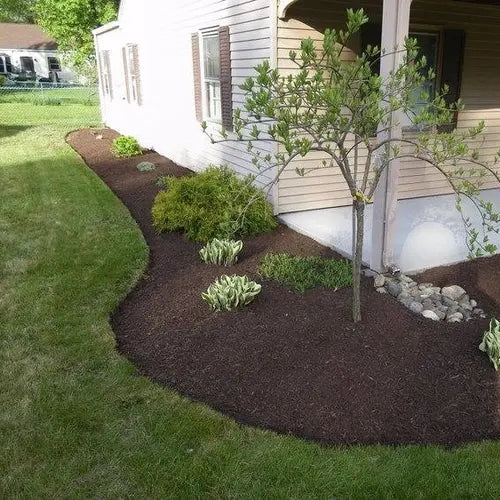
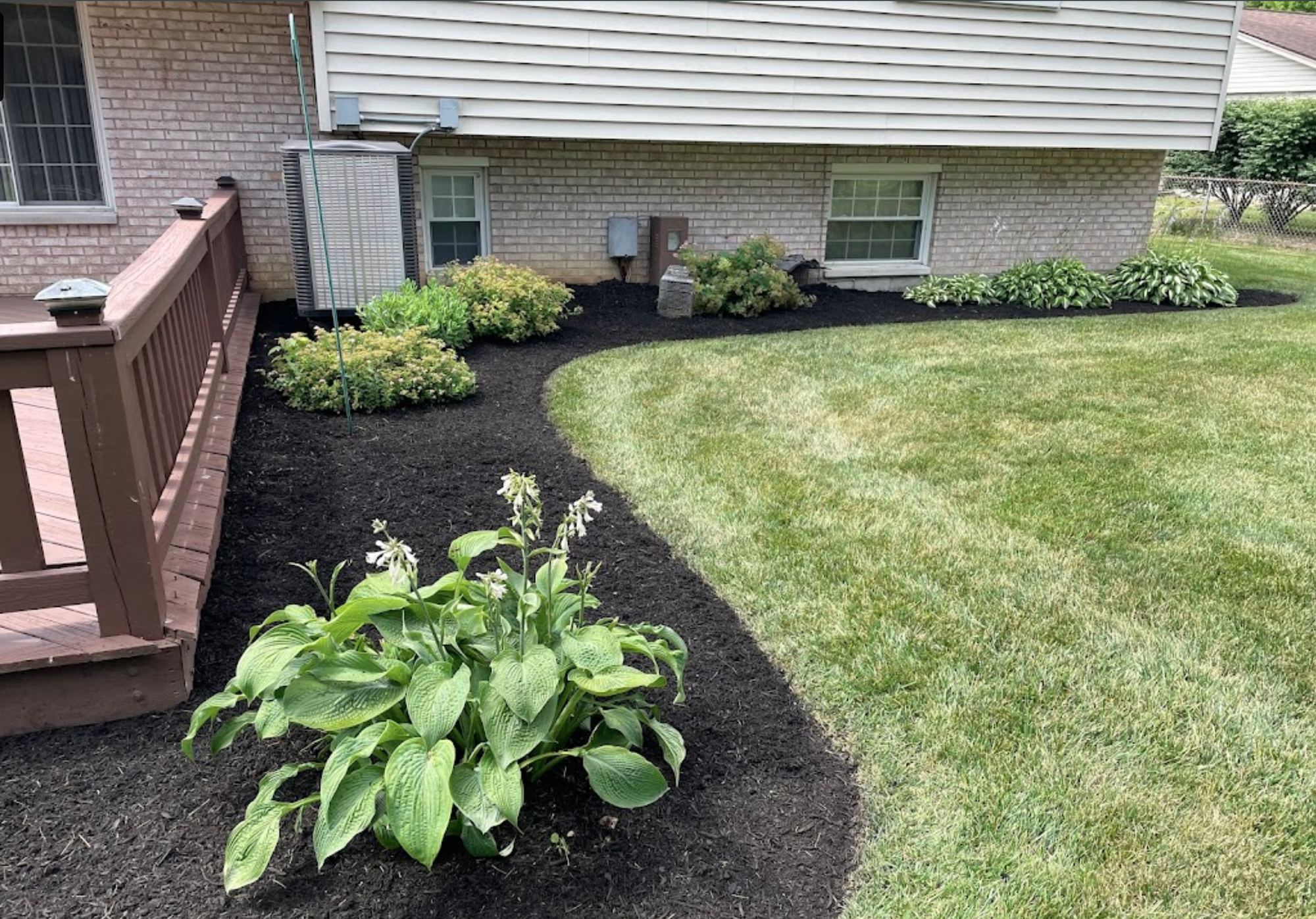
Warm brown double shredded mulch with lasting color that looks freshly applied for weeks. Spreads smooth, stays put, and gives beds a natural, polished appearance.
We had a great experience today. This was our first time using Mulch Mound, and I found the price competitive and the online ordering very easy. We are impressed with the quality of the mulch, too! It is covering well - a great value!
Tell us what you're looking for
Thanks! We received your request.
Something went wrong. Please try again.
How Much Material Do I Need?
For Odessa's fast-draining sandy loam, a minimum depth of 3 inches is recommended and 4 inches is better for beds in full sun or on the west-facing side of the house. Going thinner than 3 inches in this climate means you will be watering more frequently to compensate for rapid evaporation.
Use our free mulch calculator
What is a yard?
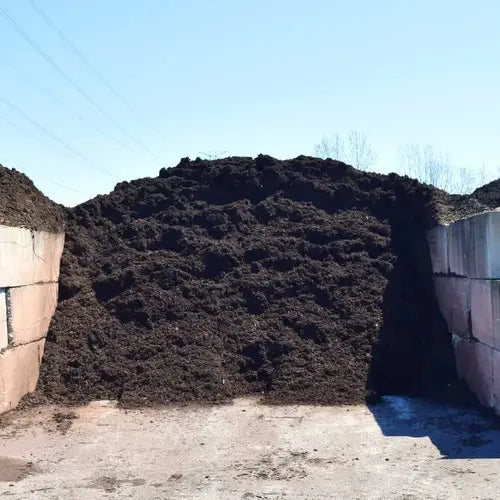
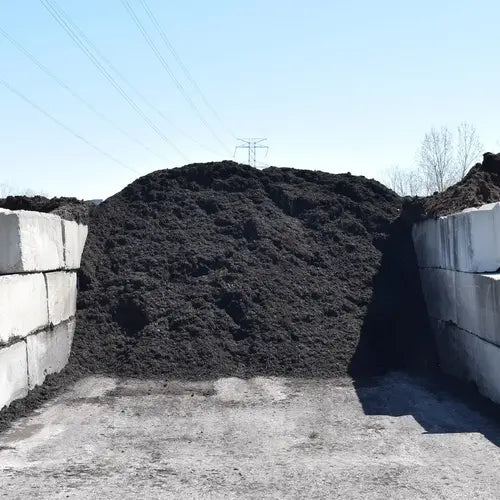
A yard is approximately 27 cubic feet. As a general guideline, one yard of material can cover an area of about 100-160 square feet at a 2-3 inch depth.
We can't take orders for this right now. Tell us what you need and we'll get back to you.
What do you need?
Thanks! We received your request.
Something went wrong. Please try again.
Hand-picked local yards
4,000+ regional deliveries
Dedicated support
Why order through Mulch Mound
The best local mulch, without the guesswork.
We hand-pick and partner with the best yards in your region, keep only the ones our buyers rate well, and back each load with our guarantee.
Mulch Mound Guarantee
If your mulch isn't the quantity or quality you ordered, we'll make it right.
About this mulch
Warm brown double shredded mulch with lasting color that looks freshly applied for weeks. Spreads smooth, stays put, and gives beds a natural, polished appearance.
We had a great experience today. This was our first time using Mulch Mound, and I found the price competitive and the online ordering very easy. We are impressed with the quality of the mulch, too! It is covering well - a great value!
How Much Material Do I Need?
For Odessa's fast-draining sandy loam, a minimum depth of 3 inches is recommended and 4 inches is better for beds in full sun or on the west-facing side of the house. Going thinner than 3 inches in this climate means you will be watering more frequently to compensate for rapid evaporation.
Use our free mulch calculator
What is a yard?
A yard is approximately 27 cubic feet. As a general guideline, one yard of material can cover an area of about 100-160 square feet at a 2-3 inch depth.
We had a great experience today. This was our first time using Mulch Mound, and I found the price competitive and the online ordering very easy. ...
Read full review
We had a great experience today. This was our first time using Mulch Mound, and I found the price competitive and the online ordering very easy. We are impressed with the quality of the mulch, too! It is covering well - a great value!
Great experience with mulch mound. Their online calculator made it easy to estimate how many yards of mulch I needed and delivery was quick. I woul...
Read full review
Great experience with mulch mound. Their online calculator made it easy to estimate how many yards of mulch I needed and delivery was quick. I would definitely recommend them for your future projects.
To estimate how much mulch you need for your Odessa beds, measure the length and width of each area in feet and multiply them together to get square footage. Because Odessa's sandy loam loses moisture so rapidly, plan for a 3 to 4 inch depth rather than the 2 inches sometimes suggested in more humid regions. Dividing your total cubic feet by 27 gives you cubic yards, which is how bulk mulch is typically sold and delivered.
Mulch vs. No Mulch: The Difference
In Odessa's intense sun and low humidity, the choice between natural and dyed mulch comes down to how you balance soil health against color longevity. Natural hardwood breaks down faster in the heat, adding organic matter that genuinely improves sandy loam structure over multiple seasons. Dyed mulch retains its visual appeal longer under West Texas UV exposure, making it a practical choice for high-visibility beds where aesthetics matter as much as function.
Before
After
Best Mulch Choice for Odessa Lawns
Most yards in the Odessa area sit on Sandy Loam type of soil. Odessa's sandy loam drains quickly and holds very little organic matter, which means planting beds can turn hard and hydrophobic between rain events without a protective top layer. Mulch slows that degradation by shielding the soil surface from direct sun and wind, keeping conditions more stable for root growth.
Hardwood Mulch
Hardwood mulch breaks down into a fine humus that directly improves the structure of Odessa's sandy loam, adding the organic binding agents the soil naturally lacks. As it decomposes season after season, hardwood mulch gradually increases the soil's ability to hold both nutrients and moisture, reducing how often you need to water and fertilize beds established in West Texas's lean native soil.
Mulch Types We Deliver in Odessa
Mulch Mound offers bulk mulch delivery in Odessa by the cubic yard, bringing fresh material straight to your driveway or job site with no hauling on your end. Whether you are refreshing flower beds, topping off raised planters, or covering a large commercial property, our team delivers on your schedule. The region's intense summer heat and sandy alkaline soil make a generous layer of mulch one of the smartest investments you can make for your landscape.
Dyed Black Mulch
Available in double shredded style, dyed black mulch delivers a sharp, high-contrast look that makes plant colors pop against Odessa's pale sandy soil. The bold color resists fading under the intense West Texas sun, and the fine texture spreads cleanly across beds of any size or shape.
Dyed Brown Mulch
Our double shredded dyed brown mulch brings a warm tone that blends naturally with the earthy palette common to West Texas homes and landscapes. The color holds up through heat and wind, keeping beds looking freshly dressed long after application. It suits new installs and seasonal refreshes alike, especially around drought-tolerant plantings.
Natural Brown Mulch
Natural brown mulch is double shredded and completely free of dye, offering an honest, earthy look that fits naturally into this region's sun-baked landscape. The warm wood tones complement native plantings and decorative rock features well, and the smooth texture makes spreading by hand or machine straightforward and efficient.
Complete Your Outdoor Mulch Project
Pairing mulch with a quality amended topsoil gives your Odessa planting beds the organic foundation that sandy loam naturally lacks, and adding a border of decorative stone keeps mulch from scattering during West Texas wind events. Check out our soil and stone pages to build a complete, low-maintenance landscape that handles Odessa's dry conditions with less effort.
Odessa's sandy loam warms up fast in spring, which sounds great but can stress shallow-rooted plants when soil temperatures spike suddenly in April and May. Applying mulch before temperatures consistently hit 90 degrees acts as a buffer, keeping root zones several degrees cooler than the air above. Focus first on any plants you installed after the April 8 last frost date, as new transplants are especially vulnerable to heat stress before they establish a deep root system in the lean native soil.
Mulch Mound Pro Tip
West Texas winds are a real threat to freshly applied mulch, particularly lighter wood chip varieties. After spreading, water your mulch beds thoroughly so the material settles and binds slightly to itself and the soil surface beneath. Cedar mulch is a particularly good choice for exposed Odessa yards because its natural interlocking texture resists displacement better than processed pine bark, reducing the amount of material you lose to wind between watering cycles.
Mulch Mound Pro Tip
With only 15 inches of rainfall per year in Odessa, timing your mulch application around actual rain events can maximize benefit. If a storm is in the forecast, apply fresh mulch beforehand so the rain drives moisture deep into the sandy loam beneath a protective layer rather than evaporating off bare soil. This simple practice turns one of Odessa's rare rain events into a genuine irrigation boost that keeps your beds hydrated for days longer than they would be without mulch in place.
Frequently Asked Questions
Click a question to see the answer
Answer
How thick should I apply mulch in Odessa given how fast the soil dries out?
In Odessa's sandy loam conditions, a depth of 3 to 4 inches is ideal for most planting beds. Thinner applications evaporate too quickly under the West Texas sun, especially during the stretch from May through September when temperatures stay high for weeks at a time. Avoid piling mulch against plant stems, but do not hesitate to go a full 4 inches in beds that face south or west and get direct afternoon exposure.
Answer
Will mulch actually make a difference with only 15 inches of rain per year?
Absolutely, and in fact the less rainfall you get, the more critical mulch becomes. At 15 inches annually, every drop of water counts in Odessa. Research consistently shows that a 3-inch mulch layer can cut soil moisture loss by 50 percent or more compared to bare ground. That means you stretch each irrigation cycle significantly, which matters a great deal during the long dry spells common between Odessa's infrequent rain events.
Answer
Does mulch help with the caliche layer that sits under a lot of Odessa yards?
Mulch works at the surface level, so it does not directly break up caliche, but it plays an important supporting role. By keeping moisture in the upper sandy loam layer longer, mulch gives shallow-rooted plants the hydration they need while you work on improving the subsurface over time. Pairing mulch with an annual top-dressing of compost-rich soil gradually builds up the organic layer above the caliche and improves drainage pathways.
Answer
When is the best time of year to apply fresh mulch in Odessa?
The most impactful time to mulch in Odessa is late March to early April, just before the last expected frost around April 8 and heading into the heat of summer. Applying mulch at this point protects soil from the rapid temperature swings of spring and sets your beds up to handle June and July without drying out completely. A second refresh in early October before the November 12 frost date helps insulate roots through the cooler months.
Answer
Is dyed mulch safe to use around my vegetable garden?
Most dyed mulches available today use iron oxide or carbon-based colorants that are considered safe around edible plants when applied correctly. However, for vegetable beds in Odessa it is generally best to stick with natural hardwood or cedar mulch, which breaks down into organic matter that benefits your sandy loam soil without introducing any unnecessary additives. Keep any mulch a few inches away from the base of vegetable plants to reduce moisture-related stem issues.
Answer
How often will I need to replace mulch given Odessa's climate?
In Odessa's hot and often windy conditions, natural mulch typically needs refreshing once a year, with a light top-up every spring being the most practical approach. The combination of intense UV exposure and low humidity accelerates color fade and breakdown faster than in more temperate climates. Dyed mulches hold their color longer under these conditions, but natural hardwood still provides superior soil improvement as it decomposes into the sandy loam.
Answer
Can mulch help reduce the weeds that seem to grow out of nowhere after a rain?
Yes, and weed suppression is one of the biggest benefits for Odessa homeowners. After one of the area's infrequent but sometimes heavy rain events, bare soil lights up with weed germination almost overnight. A consistent 3 to 4 inch layer of mulch blocks sunlight from reaching weed seeds in the soil, dramatically cutting down on the flush of spurge, goathead, and other West Texas weeds that sprout aggressively when moisture is available.
The Unique Landscape of Odessa
Odessa sits in the heart of the Permian Basin at nearly 2,900 feet, where sandy loam soils drain so quickly that moisture disappears from plant beds within days of a rare rainstorm. With only about 15 inches of rainfall per year and summer temperatures that regularly climb past 100 degrees Fahrenheit, unprotected soil bakes into a hard crust that repels water rather than absorbing it. A proper layer of mulch acts as a thermal blanket, keeping root zones cooler during Odessa's brutal July and August heat spikes and slowing the evaporation that makes irrigation bills skyrocket. The region's persistent west winds also strip bare soil of its limited organic content, so mulch serves as a physical barrier that locks in nutrients and keeps your landscape looking intentional rather than windswept. Because Odessa's growing season runs from roughly early April through mid-November, a well-mulched bed gives roots a longer window to establish before the first frost arrives around November 12.