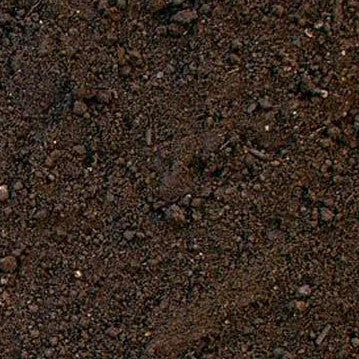
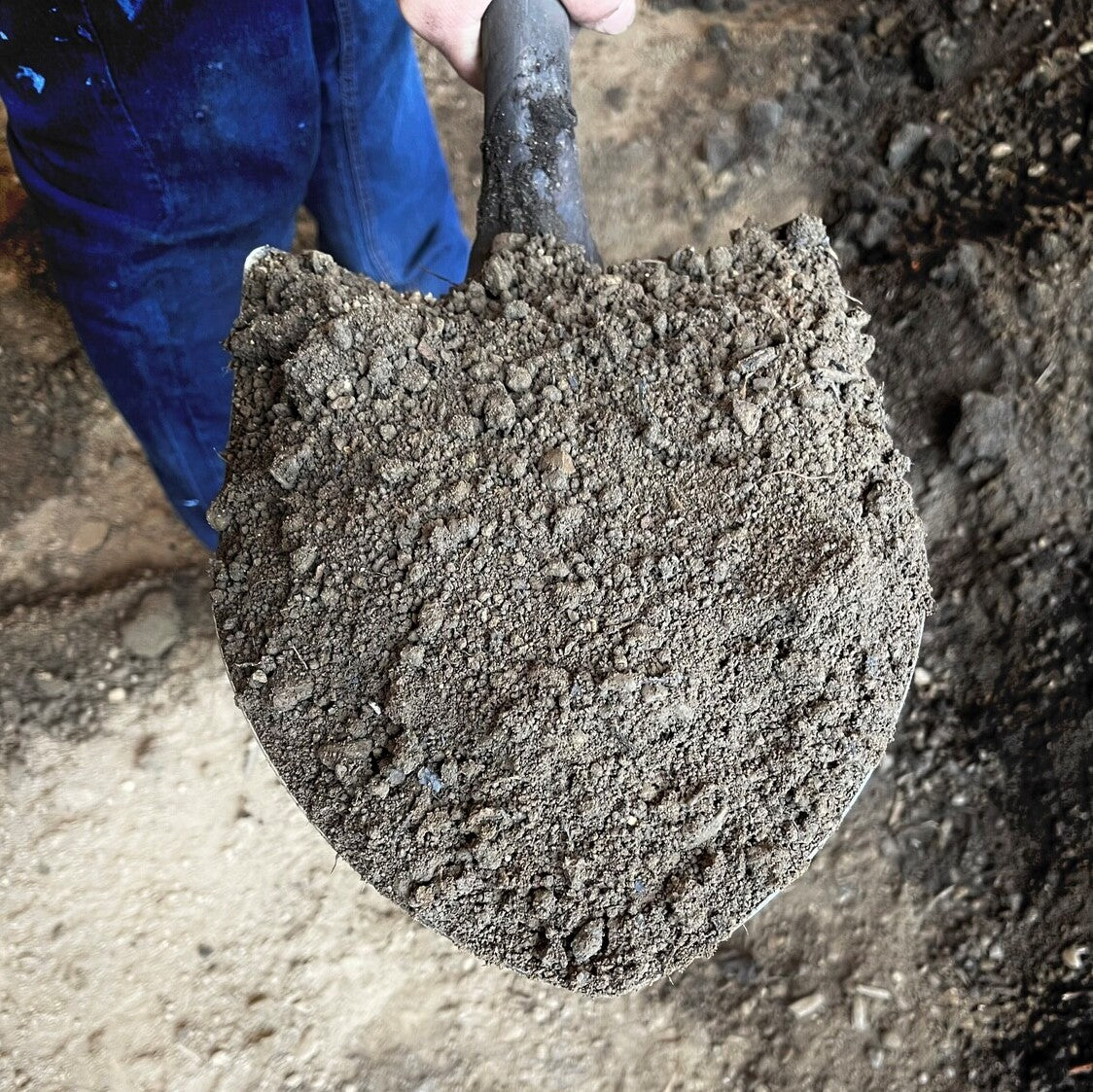
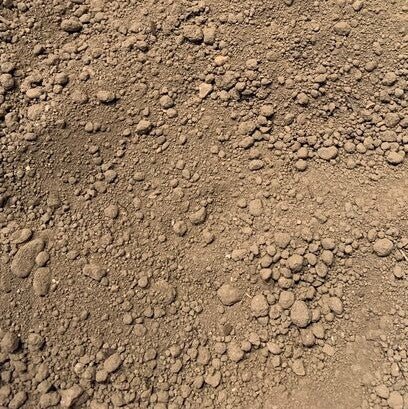
Quality topsoil for lawns, gardens, and landscape projects. Nutrient rich and ready to support strong root development and healthy plant establishment.
Ordered the planting mix with an early Saturday delivery. Super easy ordering experience. Dirt was delivered on time and delivery driver was kind enough to let us know I would take up more room than we though so we could pull cars out of the garage. Will be ordering again
Tell us what you're looking for
Thanks! We received your request.
Something went wrong. Please try again.
How Much Material Do I Need?
For new garden beds over Odessa's sandy loam, a minimum of 4 inches of quality amended soil is recommended to give roots a nutrient-rich zone before they reach the native soil. Raised beds designed to bypass the caliche layer common in the Permian Basin should be filled to at least 10 to 12 inches for reliable plant performance throughout the growing season.
Use our free soil calculator
What is a yard?
A yard is approximately 27 cubic feet. As a general guideline, one yard of material can cover an area of about 100-160 square feet at a 2-3 inch depth.
We can't take orders for this right now. Tell us what you need and we'll get back to you.
What do you need?
Thanks! We received your request.
Something went wrong. Please try again.
Hand-picked local yards
4,000+ regional deliveries
Dedicated support
Why order through Mulch Mound
The best local soil, without the guesswork.
We hand-pick and partner with the best yards in your region, keep only the ones our buyers rate well, and back each load with our guarantee.
Mulch Mound Guarantee
If your soil isn't the quantity or quality you ordered, we'll make it right.
About this soil
Quality topsoil for lawns, gardens, and landscape projects. Nutrient rich and ready to support strong root development and healthy plant establishment.
Ordered the planting mix with an early Saturday delivery. Super easy ordering experience. Dirt was delivered on time and delivery driver was kind enough to let us know I would take up more room than we though so we could pull cars out of the garage. Will be ordering again
How Much Material Do I Need?
For new garden beds over Odessa's sandy loam, a minimum of 4 inches of quality amended soil is recommended to give roots a nutrient-rich zone before they reach the native soil. Raised beds designed to bypass the caliche layer common in the Permian Basin should be filled to at least 10 to 12 inches for reliable plant performance throughout the growing season.
Use our free soil calculator
What is a yard?
A yard is approximately 27 cubic feet. As a general guideline, one yard of material can cover an area of about 100-160 square feet at a 2-3 inch depth.
Ordered the planting mix with an early Saturday delivery. Super easy ordering experience. Dirt was delivered on time and delivery driver was kind e...
Read full review
Ordered the planting mix with an early Saturday delivery. Super easy ordering experience. Dirt was delivered on time and delivery driver was kind enough to let us know I would take up more room than we though so we could pull cars out of the garage. Will be ordering again
To calculate how much bulk soil you need, measure the length, width, and desired depth of each area in feet and multiply all three numbers together to get cubic feet. In Odessa, plan for at least 4 to 6 inches of depth for new beds over sandy loam, and 10 to 12 inches for raised beds designed to clear any caliche layer below. Dividing your cubic feet total by 27 converts to cubic yards for ordering.
Soil Types We Deliver in Odessa
West Texas soil tends to be caliche-heavy and alkaline, which makes bringing in quality material from outside a practical necessity for most Odessa homeowners and landscapers. We deliver bulk topsoil by the yard in Odessa so you can build up planting beds, level yards, or establish new lawns without fighting the native ground. Every order is measured by the cubic yard and dropped right where you need it.
Screened Top Soil
Our screened top soil is run through a fine mesh to remove rocks, clumps, and debris, giving you a clean and workable product ready for lawns, raised beds, and garden borders. It is nutrient rich and blends well over the sandy or caliche base soils common across the Odessa area, giving roots the softer, fertile environment they need to establish quickly.
Complete Your Outdoor Soil Project
After laying your soil, finishing beds with a layer of mulch is essential in Odessa to prevent the rapid moisture loss that sandy loam is prone to under the West Texas sun. Adding stone edging or decorative gravel borders along bed perimeters helps define spaces and keeps your new soil from spreading into pathways during the area's occasional heavy rain events.
My yard is mostly sandy loam. Do I need to bring in topsoil or just amend what I have?
For most Odessa homeowners, bringing in quality topsoil or a blended garden mix is more effective than trying to amend sandy loam in place. Native sandy loam in the Permian Basin is so low in organic matter and so prone to leaching that repeated amendment can feel like a losing battle, especially with only 15 inches of rain to help work nutrients into the profile. A fresh layer of 4 to 6 inches of blended topsoil over your existing soil gives plants an immediately hospitable root zone without the years of conditioning that heavy amendment requires.
Answer
How much soil do I need to raise my garden beds enough to get around the caliche layer?
Caliche layers in Odessa typically start anywhere from 12 to 24 inches below the surface, and raised beds are a highly practical solution because they let you create a productive growing environment entirely above the hardpan. A raised bed with 10 to 12 inches of quality garden soil is enough for most vegetables and flowering perennials common in Zone 8a. For deeper-rooted plants, a bed height of 16 to 18 inches gives roots plenty of room before they encounter any native soil limitations.
Answer
What soil mix works best for a vegetable garden in Odessa's climate?
A blended garden mix that combines topsoil, compost, and some coarse material like perlite works very well for Odessa vegetable gardens. The compost portion addresses the organic deficit in local sandy loam and improves nutrient retention, while good drainage keeps roots healthy through the heavy watering cycles Odessa gardens require during the hot growing season. Look for a mix with visible dark organic material rather than a pale, sandy blend that will behave almost identically to your native soil.
Answer
Can I use bulk soil to level out the low spots in my lawn before summer?
Yes, and spring is the ideal time for lawn leveling in Odessa, ideally completed before mid-April so grass has time to grow through the new soil before summer heat sets in. Use a screened topsoil for leveling rather than a coarse fill, as it will settle evenly and allow grass to push through without the clumping that heavier fill materials can cause. In sandy loam yards, keep leveling layers to about an inch at a time so existing grass is not smothered.
Answer
The soil in my flower beds gets bone dry and crusty really fast. What should I add?
The crusting you are seeing is classic behavior for Odessa's sandy loam when it loses moisture and organic matter between rain events. Incorporating a compost-rich topsoil into your beds builds up the humus content that helps soil particles bind together and resist that hard surface crust. After adding fresh soil, follow up with a 3 to 4 inch layer of mulch on top to dramatically slow the drying process and reduce how often the crust reforms between waterings.
Answer
Does the alkaline soil in Odessa affect what kind of soil I should bring in?
Odessa's native soil tends toward an alkaline pH, often in the 7.5 to 8.5 range, which can limit the availability of iron and other micronutrients to plants. When bringing in amended soil, look for a product that includes compost, as organic matter naturally lowers pH slightly and helps buffer against the alkalinity creeping in from the surrounding native soil and caliche. If you are growing plants that prefer more neutral conditions, you may also want to add sulfur at planting time to bring pH closer to their ideal range.
Answer
How early in spring can I start getting soil deliveries and working my beds?
In Odessa, the soil is workable quite early in the year because the sandy loam drains fast and does not stay saturated the way clay soils do in other regions. You can typically start bed preparation in late February or early March even though the last frost date is around April 8. Getting soil delivered and beds built out in March gives you a solid foundation to plant into as soon as temperatures are reliably above freezing, maximizing your Zone 8a growing season from the very start.
Mulch Mound Pro Tip
Odessa's alkaline soil and high evaporation rate create a tough environment for transplants in spring, even after you have brought in quality amended topsoil. Water your new soil the day before planting to allow it to settle and equilibrate with the ambient temperature. This small step prevents transplant shock by ensuring roots are not going from a nursery container into bone-dry, hot soil on the same afternoon, which is a common cause of failure for spring gardens in West Texas.
Mulch Mound Pro Tip
When building raised beds in Odessa, consider lining the bottom with a layer of coarse gravel before adding soil. The caliche layer below many Odessa yards can trap water under a raised bed if surface drainage is poor, leading to wet soil conditions that contradict the well-draining mix you built above. A gravel base creates a drainage buffer zone and keeps roots in the healthy amended soil you invested in rather than sitting in pooled water above the hardpan.
Mulch Mound Pro Tip
Timing your bulk soil delivery ahead of Odessa's infrequent but sometimes heavy spring rain events is a smart strategy. Fresh topsoil that receives a good soaking rain before you plant settles naturally, reveals any low spots that need filling, and begins wicking moisture into the dry sandy loam beneath. With only 15 inches of annual rainfall in Odessa, letting a natural rain do the initial settling work means one less irrigation cycle and a better-bonded soil profile from the very start.
The Unique Landscape of Odessa
Odessa's native sandy loam is one of the most challenging starting points for any garden or landscaping project in Zone 8a. The soil drains so aggressively that nutrients leach downward before plants can absorb them, and the alkaline pH common across the Permian Basin further limits what plants can access from the soil. At 2,900 feet of elevation and with only 15 inches of annual rainfall, the soil surface in Odessa dries and crusts quickly between rain events, making seed germination and transplant establishment genuinely difficult without amendment. Many Odessa properties also have a caliche hardpan layer below the sandy loam that blocks drainage and root penetration, creating brief wet pockets after rain that dry out completely within a day or two. Bringing in quality topsoil or a blended garden mix allows Odessa homeowners to build productive garden beds and a healthy lawn on top of the native soil rather than fighting its limitations from the ground up.