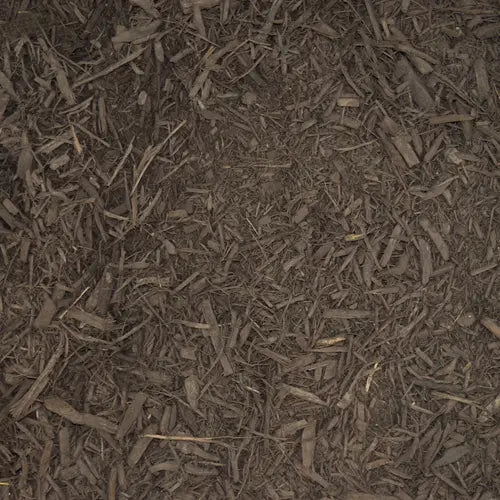
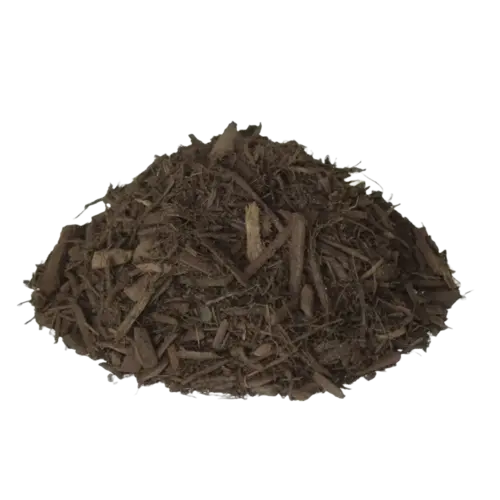
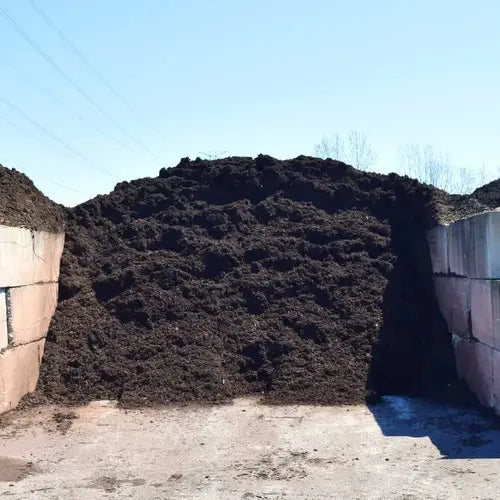
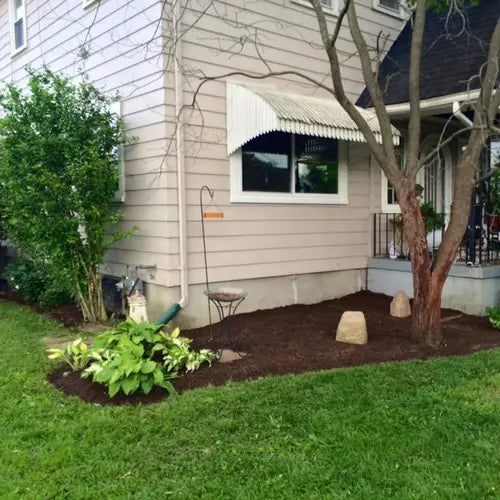
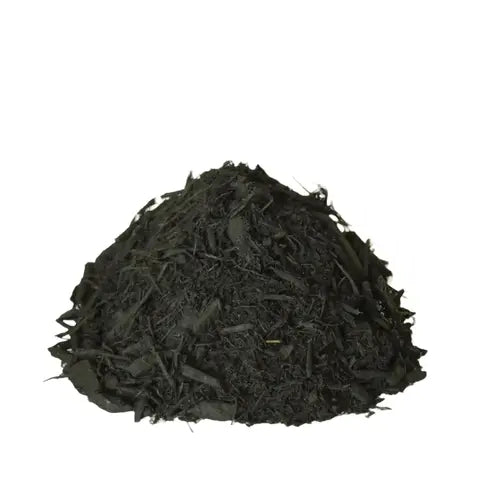
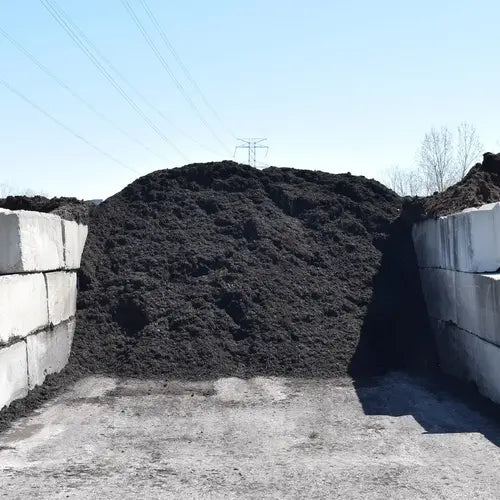
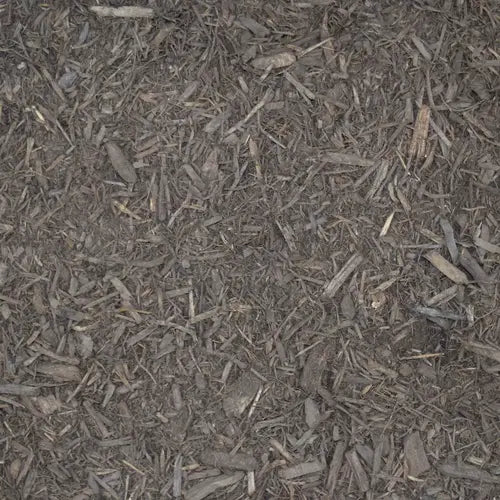
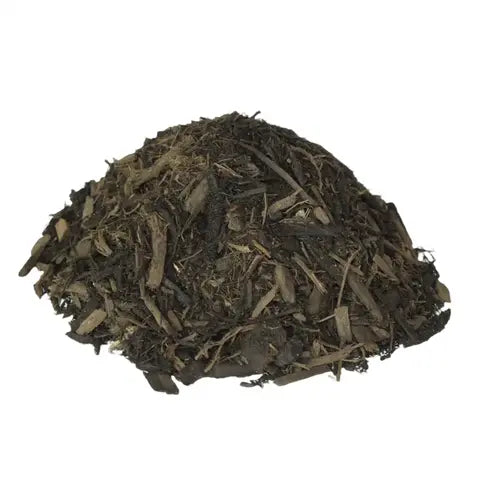
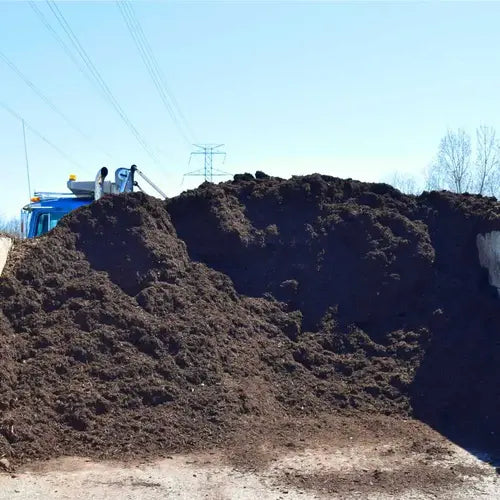
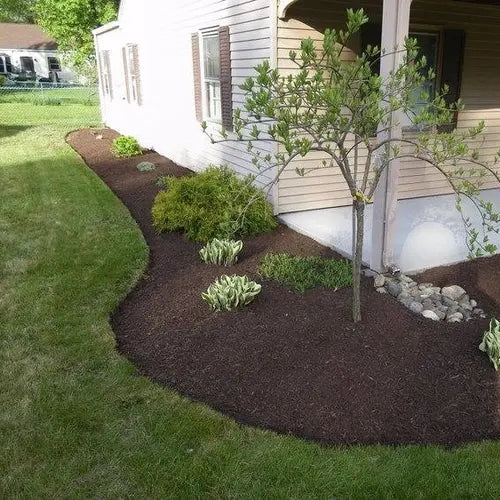
Warm brown double shredded mulch with lasting color that looks freshly applied for weeks. Spreads smooth, stays put, and gives beds a natural, polished appearance.
Great experience! Easy to order, they delivered promptly and were very respectful of the property! Ordered the triple shredded brown mulch and it was EXACTLY what I wanted. Very clean product too, no garbage or filler. Already put these guys in my calendar to order from next y...
Tell us what you're looking for
Thanks! We received your request.
Something went wrong. Please try again.
How Much Material Do I Need?
Plan for a 3-inch mulch depth in Orangeburg to offset the moisture loss that comes with sandy loam soil. Beds that have gone without mulch for more than a season may need a 4-inch initial application to build back up to an effective and protective layer.
Use our free mulch calculator
What is a yard?
A yard is approximately 27 cubic feet. As a general guideline, one yard of material can cover an area of about 100-160 square feet at a 2-3 inch depth.
We can't take orders for this right now. Tell us what you need and we'll get back to you.
What do you need?
Thanks! We received your request.
Something went wrong. Please try again.
Hand-picked local yards
4,000+ regional deliveries
Dedicated support
Why order through Mulch Mound
The best local mulch, without the guesswork.
We hand-pick and partner with the best yards in your region, keep only the ones our buyers rate well, and back each load with our guarantee.
Mulch Mound Guarantee
If your mulch isn't the quantity or quality you ordered, we'll make it right.
About this mulch
Warm brown double shredded mulch with lasting color that looks freshly applied for weeks. Spreads smooth, stays put, and gives beds a natural, polished appearance.
Great experience! Easy to order, they delivered promptly and were very respectful of the property! Ordered the triple shredded brown mulch and it was EXACTLY what I wanted. Very clean product too, no garbage or filler. Already put these guys in my calendar to order from next y...
How Much Material Do I Need?
Plan for a 3-inch mulch depth in Orangeburg to offset the moisture loss that comes with sandy loam soil. Beds that have gone without mulch for more than a season may need a 4-inch initial application to build back up to an effective and protective layer.
Use our free mulch calculator
What is a yard?
A yard is approximately 27 cubic feet. As a general guideline, one yard of material can cover an area of about 100-160 square feet at a 2-3 inch depth.
Great experience! Easy to order, they delivered promptly and were very respectful of the property! Ordered the triple shredded brown mulch and it w...
Read full review
Great experience! Easy to order, they delivered promptly and were very respectful of the property! Ordered the triple shredded brown mulch and it was EXACTLY what I wanted. Very clean product too, no garbage or filler. Already put these guys in my calendar to order from next year! Keep up the good work.
Measure the length and width of each bed in feet and multiply them together to get square footage. Divide that number by 100 to estimate how many cubic yards you need for a 3-inch depth, which is the recommended coverage for Orangeburg's fast-draining sandy loam. If your beds are on any slope, order about 10 percent extra to account for settling and minor washout after heavy rain events.
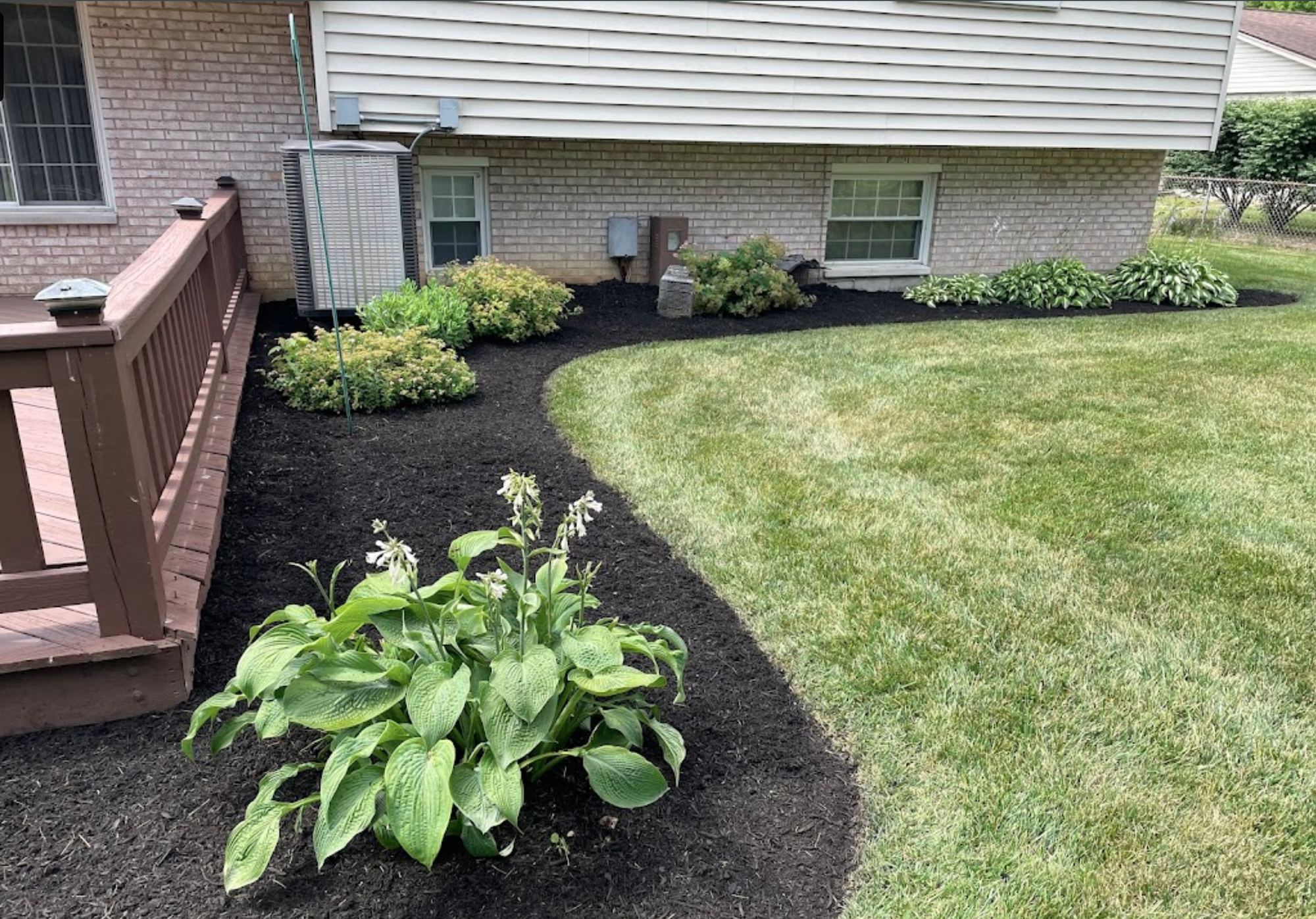
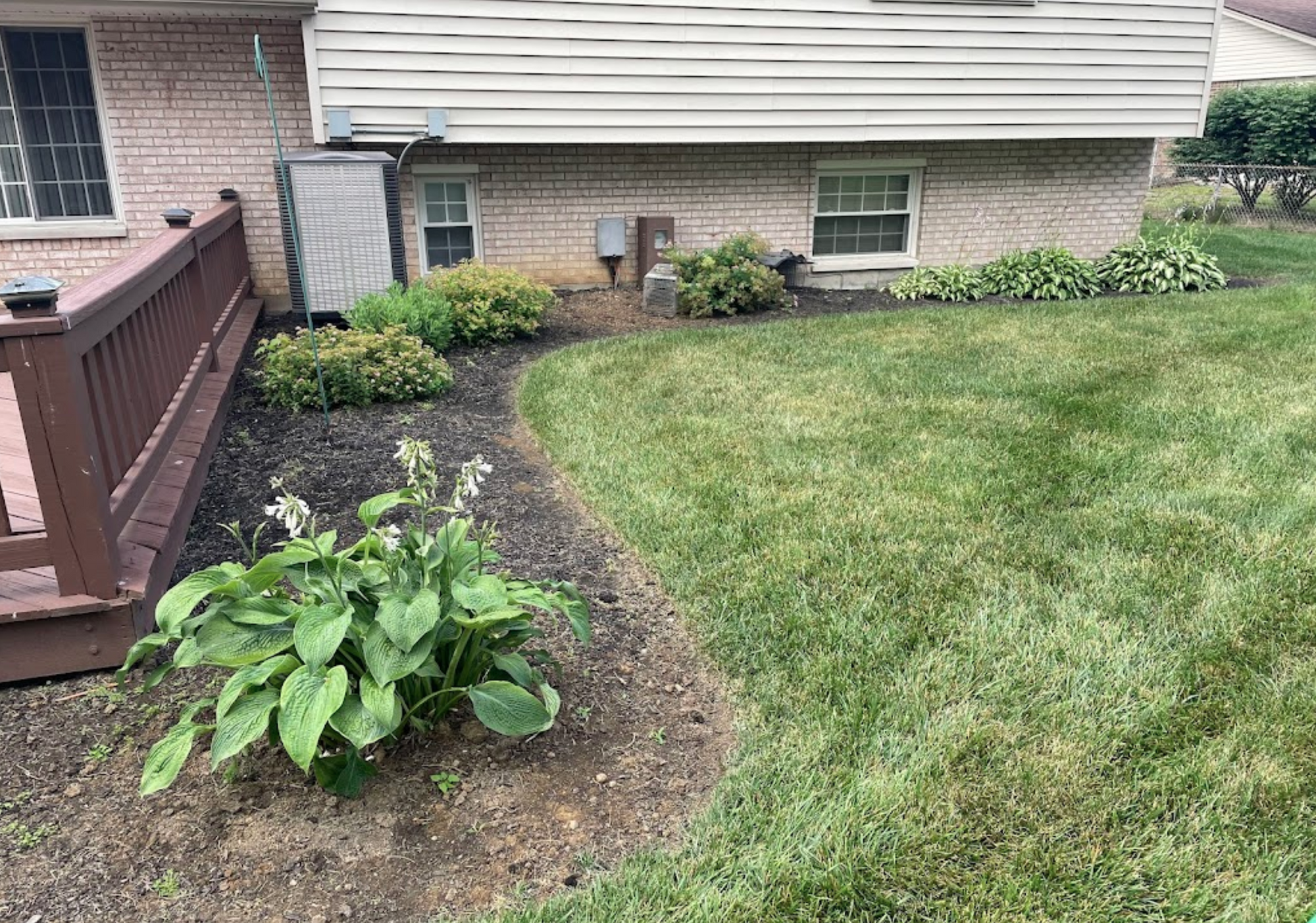
Mulch vs. No Mulch: The Difference
Orangeburg's long, hot growing season accelerates the decomposition of natural wood mulches, meaning they add organic matter to sandy loam faster but also need to be topped off more frequently than they would in cooler climates. Dyed or colored mulches use a stabilized wood base that breaks down more slowly, holding their structure and color through the heat and humidity without needing mid-season refreshing. For homeowners focused on low-maintenance curb appeal across Orangeburg's eight-month growing season, a premium dyed mulch is the more practical choice.
Before
After
Best Mulch Choice for Orangeburg Lawns
Most yards in the Orangeburg area sit on Sandy Loam type of soil. Sandy loam soil in Orangeburg has low organic content and a limited ability to hold moisture between rain events, leaving plant roots stressed during dry spells in the summer heat. Mulch creates a protective barrier that reduces surface evaporation and keeps the root zone more consistently moist without requiring constant supplemental irrigation.
Hardwood Mulch
Hardwood mulch is particularly well suited to Orangeburg's sandy loam because as it decomposes it contributes humus and organic acids that help bind sandy particles together. Over time this gradual amendment improves the soil's ability to retain moisture and support a more diverse root system without requiring costly full soil replacement.
Mulch Types We Deliver in Orangeburg
Whether you are refreshing garden beds or tackling a full landscaping project, Mulch Mound makes bulk mulch delivery in Orangeburg easy and straightforward. We deliver by the cubic yard so you get exactly the amount your property needs, from small side beds to large backyard landscapes. The region's warm summers and sandy soils make a fresh layer of mulch essential for holding moisture and keeping weeds at bay.
Dyed Black Mulch
Bold and dramatic, our double shredded Dyed Black Mulch creates a striking contrast against the lush plantings common throughout this part of South Carolina. The rich color holds strong through humid summers and heavy seasonal rains, making it a top choice for homeowners who want polished curb appeal that lasts all season.
Dyed Brown Mulch
Warm and inviting, our double shredded Dyed Brown Mulch complements the brick homes and traditional garden styles found throughout this region. The color remains rich and vibrant for weeks even under South Carolina's intense summer sun, and the smooth texture spreads cleanly and stays put across wide, open beds.
Natural Brown Mulch
For a clean and understated look, our double shredded Natural Brown Mulch brings an earthy warmth that blends naturally with the wooded, rural character of this part of South Carolina. Free of dyes and additives, it settles beautifully into beds and helps moderate the warm, sandy soils typical in this region.
Complete Your Outdoor Mulch Project
If your beds need fresh soil before mulching, a bulk topsoil order enriches Orangeburg's sandy loam with organic matter and nutrients before you lay your mulch. Adding stone borders or decorative gravel edges can also define your bed lines and keep mulch from scattering during Orangeburg's heavy downpours.
Orangeburg's sandy loam warms up fast in spring, which encourages early weed seed germination. Get your mulch down right after March 15 to block that first flush of weeds before they establish. Waiting even two or three weeks into April means you are already playing catch-up, because the warm soil and lengthening days combine to make spring weeds extremely aggressive across this part of South Carolina.
Mulch Mound Pro Tip
Pine straw is popular across the Carolinas, but hardwood mulch delivers more long-term benefit for Orangeburg's nutrient-poor sandy loam beds. As hardwood breaks down over the season, it feeds organic matter back into the soil and slowly improves its structure and water-holding capacity. Over several years of consistent annual top-offs, you will notice your beds becoming darker and richer, requiring noticeably less supplemental watering.
Mulch Mound Pro Tip
With 47 inches of rain per year falling on Orangeburg in often-intense bursts, a properly mulched bed acts like a sponge, absorbing rainfall and releasing it gradually to plant roots rather than letting it run off the surface. Without mulch, heavy storms can carry away the already-limited topsoil layer sitting above Orangeburg's sandy loam base. Maintaining a full 3-inch layer all season long is one of the simplest ways to prevent erosion and protect your landscape investment.
Frequently Asked Questions
Click a question to see the answer
Answer
How often should I reapply mulch in Orangeburg given the heat and humidity?
In Orangeburg's Zone 8b climate, organic mulches like hardwood and pine bark break down faster than they would in cooler regions. Plan to top off beds once a year, typically in late March after the last frost passes around March 15, and check depth again before summer heat peaks. A fresh 3-inch layer going into the growing season gives the best moisture protection through the long summer ahead.
Answer
Will mulch actually help with my sandy loam soil drying out so fast between rains?
Yes, this is one of the most important benefits for Orangeburg homeowners. Sandy loam loses moisture quickly because of its large particle size and low organic content. A 3-inch layer of mulch can cut surface evaporation by up to 50 percent, meaning your plants capture more of that 47 inches of annual rainfall instead of losing it to the air.
Answer
Does the amount of rain Orangeburg gets cause mulch to wash out of my beds?
Heavy rain events can shift lighter mulch, especially on sloped beds. Shredded hardwood mulch tends to knit together and resist movement far better than nuggets or bark chips. If your beds have any grade to them, hardwood shreds are the smart choice for staying put through Orangeburg's active spring storm season.
Answer
What color mulch holds up best under Orangeburg's strong summer sun?
Dyed black and dyed brown mulches hold color better than natural hardwood under intense UV exposure. Orangeburg's summers bring months of direct sun that fade natural wood tones quickly. If curb appeal and color consistency matter to you, a quality dyed mulch can keep beds looking fresh through the season without needing a mid-summer reapplication.
Answer
Is there a best time of year to have mulch delivered in Orangeburg?
Late March is the ideal window. The last frost typically falls around March 15, so spreading mulch shortly after that protects soil warmth, suppresses early weed germination, and preps beds before the heat of April and May arrives. A second light top-off in early October before the first frost around November 5 helps insulate root systems through the mild Orangeburg winter.
Answer
How deep should I go when mulching around my trees and shrubs?
A 3-inch depth is the target for most ornamental beds in Orangeburg. Given how quickly sandy loam dries, going thinner than 2 inches leaves roots exposed to heat stress during the long summer. Keep mulch pulled a few inches back from the base of tree trunks to prevent moisture buildup against the bark, which can cause rot in Orangeburg's humid conditions.
Answer
Can I use mulch to fill in low spots or uneven areas in my yard?
Mulch is not the right material for grading or filling low spots, but a bulk topsoil order is. Mulch works best as a top dressing for established beds rather than a structural fill. If you have low areas collecting standing water after Orangeburg's heavy rains, a topsoil delivery would be the better first step before mulching over the area.
The Unique Landscape of Orangeburg
Orangeburg's sandy loam soil drains quickly, which means plant beds dry out faster than gardeners expect during the long, hot Zone 8b summers. A consistent layer of mulch acts as a buffer, slowing evaporation and keeping root zones cooler when afternoon temperatures push into the nineties. With nearly 47 inches of rain falling each year, often in heavy spring and summer downpours, mulch also reduces soil compaction and prevents nutrients from washing away. The growing season in Orangeburg stretches from the last frost around March 15 all the way to early November, giving weeds a long window to take hold without proper suppression. Keeping beds mulched through that extended season reduces the weeding burden significantly and gives ornamentals and edibles a better start. Choosing the right mulch type for Orangeburg's warm, humid conditions will also affect how quickly it breaks down and how often you need to reapply.