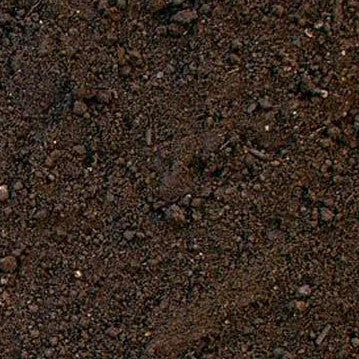
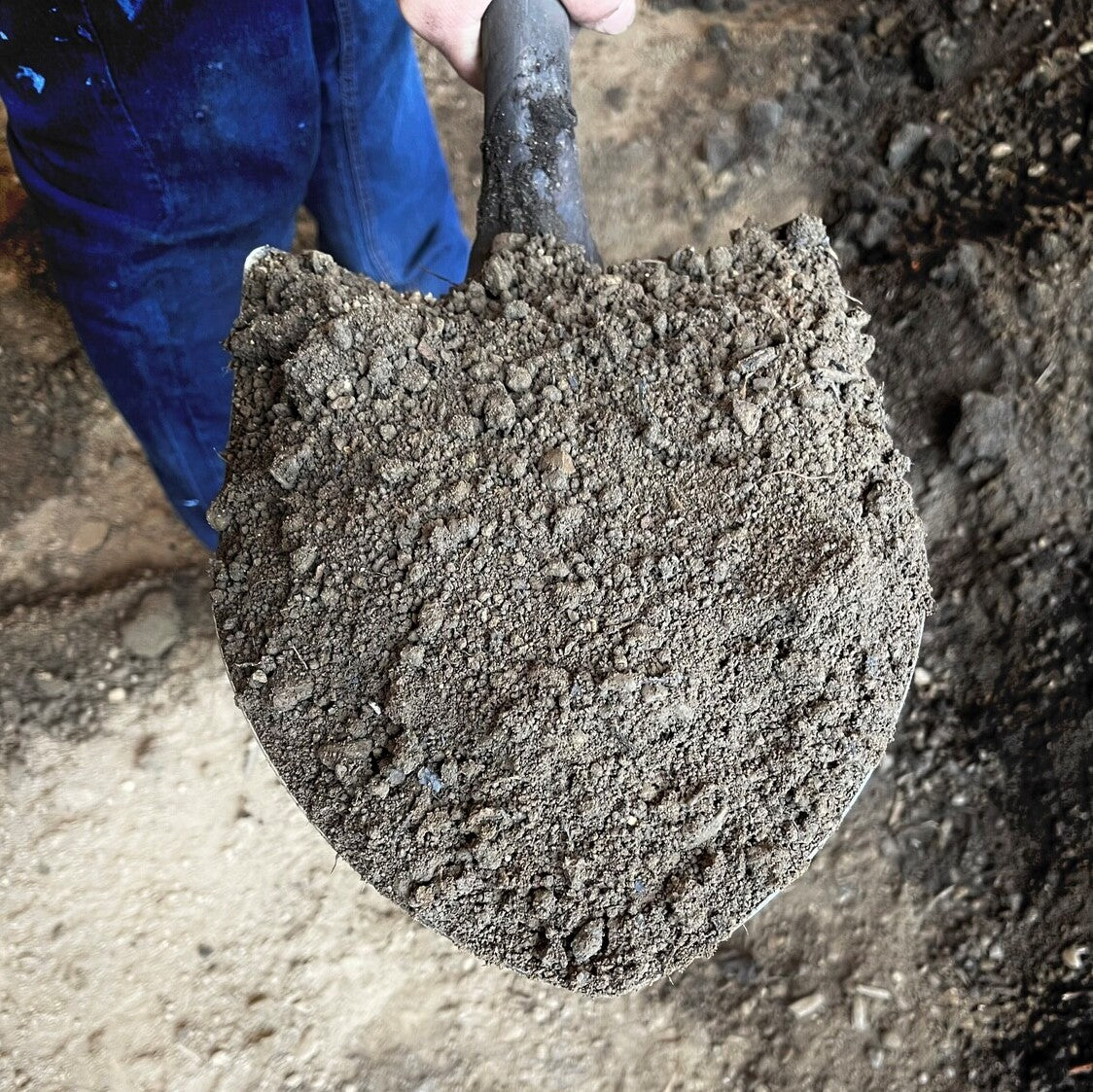
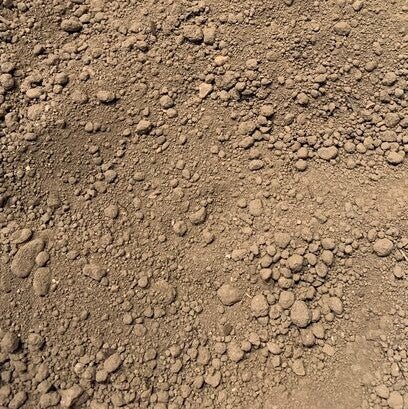
Quality topsoil for lawns, gardens, and landscape projects. Nutrient rich and ready to support strong root development and healthy plant establishment.
Ordered the planting mix with an early Saturday delivery. Super easy ordering experience. Dirt was delivered on time and delivery driver was kind enough to let us know I would take up more room than we though so we could pull cars out of the garage. Will be ordering again
Tell us what you're looking for
Thanks! We received your request.
Something went wrong. Please try again.
How Much Material Do I Need?
For new planting beds over Orangeburg's sandy loam, plan for at least 6 inches of quality topsoil or garden blend to create a meaningful root zone above the native base. Lawn leveling and top-dressing projects typically need only a quarter to half inch per pass, applied in gradual layers so existing grass can push through rather than being buried.
Use our free soil calculator
What is a yard?
A yard is approximately 27 cubic feet. As a general guideline, one yard of material can cover an area of about 100-160 square feet at a 2-3 inch depth.
We can't take orders for this right now. Tell us what you need and we'll get back to you.
What do you need?
Thanks! We received your request.
Something went wrong. Please try again.
Hand-picked local yards
4,000+ regional deliveries
Dedicated support
Why order through Mulch Mound
The best local soil, without the guesswork.
We hand-pick and partner with the best yards in your region, keep only the ones our buyers rate well, and back each load with our guarantee.
Mulch Mound Guarantee
If your soil isn't the quantity or quality you ordered, we'll make it right.
About this soil
Quality topsoil for lawns, gardens, and landscape projects. Nutrient rich and ready to support strong root development and healthy plant establishment.
Ordered the planting mix with an early Saturday delivery. Super easy ordering experience. Dirt was delivered on time and delivery driver was kind enough to let us know I would take up more room than we though so we could pull cars out of the garage. Will be ordering again
How Much Material Do I Need?
For new planting beds over Orangeburg's sandy loam, plan for at least 6 inches of quality topsoil or garden blend to create a meaningful root zone above the native base. Lawn leveling and top-dressing projects typically need only a quarter to half inch per pass, applied in gradual layers so existing grass can push through rather than being buried.
Use our free soil calculator
What is a yard?
A yard is approximately 27 cubic feet. As a general guideline, one yard of material can cover an area of about 100-160 square feet at a 2-3 inch depth.
Ordered the planting mix with an early Saturday delivery. Super easy ordering experience. Dirt was delivered on time and delivery driver was kind e...
Read full review
Ordered the planting mix with an early Saturday delivery. Super easy ordering experience. Dirt was delivered on time and delivery driver was kind enough to let us know I would take up more room than we though so we could pull cars out of the garage. Will be ordering again
Measure your project area in feet, length times width, and decide on your target depth before ordering. For lawn leveling in Orangeburg, a half-inch depth is common for minor passes, while new garden beds over sandy loam need at least 6 inches of fresh material to create a meaningful root zone. Divide the total cubic footage by 27 to convert to cubic yards, and round up slightly since Orangeburg's uneven sandy loam often has low pockets that absorb more material than your measurements suggest.
Soil Types We Deliver in Orangeburg
Orangeburg sits in the heart of South Carolina's coastal plain, where the native sandy soils often need enrichment to support lush lawns, productive gardens, and healthy landscape beds. Whether you are filling a raised bed, grading a yard, or starting a fresh planting area, ordering bulk topsoil by the yard in Orangeburg is the most practical and cost-effective way to get the volume you need. We deliver loose cubic yards directly to your property so you can get to work right away.
Screened Top Soil
Our screened top soil is run through a fine mesh to remove rocks, roots, and clumps, leaving a clean and workable product ideal for lawns, flower beds, and vegetable gardens. It is nutrient rich and supports strong root development, making it a smart amendment for the sandy, low-organic soils common throughout this part of South Carolina.
Complete Your Outdoor Soil Project
After placing and grading your soil, a layer of bulk mulch will protect the surface from Orangeburg's heavy rains and slow moisture loss through the sandy loam below. Stone edging or gravel borders can define bed perimeters and prevent freshly placed soil from migrating during storm runoff.
My Orangeburg yard is all sandy loam. Will adding topsoil actually help or just blend right in?
Adding 4 to 6 inches of quality topsoil on top of native sandy loam makes a meaningful difference for plant performance. The new layer provides a richer root zone with better nutrient retention and moisture-holding capacity where plants need it most. Over time, earthworm activity and organic breakdown help blend the layers, gradually improving the sandy loam beneath as well.
Answer
How much soil do I need to level my lawn before I overseed in the spring?
For lawn leveling in Orangeburg, a light top-dressing of a quarter to half an inch is usually enough for minor depressions. Fill low spots gradually rather than smothering existing turf all at once. Given that Orangeburg's sandy loam tends to settle unevenly after heavy rains, a leveling pass right after March 15 sets up a smoother surface before the summer growing season kicks into gear.
Answer
What type of soil works best for raised vegetable beds in Orangeburg?
A blended garden mix that combines topsoil, compost, and organic matter is ideal for raised beds in Orangeburg. Because the Zone 8b growing season runs from mid-March through early November, vegetables stay in the ground for a long time and they exhaust nutrients quickly in a sandy base. A rich, well-draining blend gives them consistent fertility through the full season without constant fertilizer applications.
Answer
Can I use bulk fill soil to fix the drainage problem in my low-lying backyard?
Grading with bulk fill soil can redirect surface water away from foundations and low areas that collect standing water after Orangeburg's heavy rainstorms. The goal is to create a gentle slope away from structures so that rainfall drains toward the street or a designated collection area. Fill soil works well for grading but should be topped with screened topsoil or seeded quickly to prevent erosion on newly shaped surfaces.
Answer
Does Orangeburg's rainfall affect how I should prep my soil for new plantings?
Yes. Orangeburg gets about 47 inches of rain per year, often in heavy pulses during spring and summer. When prepping beds, avoid over-tilling soil right before a forecasted storm because loose, exposed ground is very vulnerable to washing. Get your bed shaped and then either mulch the surface or plant it quickly to hold it in place after heavy rains come through.
Answer
When is the best time of year to have topsoil delivered in Orangeburg?
Late February through mid-March is a great window for topsoil delivery in Orangeburg. That timing lets you prep beds and level lawn areas before the last frost around March 15, so everything is ready to plant or seed as soon as the growing season opens. Avoid delivery during the hottest weeks of July and August if possible, as freshly placed soil dries and crusts faster in extreme heat before plants get a chance to establish over it.
Answer
How does bulk topsoil compare to the bagged stuff at the hardware store?
Bulk topsoil delivered to your Orangeburg property is typically screened to remove debris and priced at a fraction of the cost per cubic yard compared to bagged products. For large projects like filling raised beds, leveling a lawn, or grading a side yard, bags are simply not practical or economical. A single bulk delivery can cover what would take dozens of bags to match, and you save hours of hauling.
Mulch Mound Pro Tip
Orangeburg's growing season runs nearly eight months, from the last frost around March 15 to the first frost in early November. That long season is hard on soil nutrients, especially in sandy loam that does not hold fertility well. When ordering topsoil for garden beds, look for organic-rich blends or plan to mix in compost, because a richer base up front saves you from having to fertilize every few weeks through a long, demanding summer.
Mulch Mound Pro Tip
If you are leveling a lawn in Orangeburg, do the work in early spring before warm-season grasses like Bermuda and Zoysia fully green up. Applying a thin layer of topsoil over dormant grass lets it push right through the new material as it wakes up in late March and April. Trying to level during peak summer growth stresses the lawn and slows the process because the grass fights against the new material rather than growing through it naturally.
Mulch Mound Pro Tip
When grading soil near your foundation in Orangeburg, aim for a slope of about 6 inches dropping over the first 10 feet away from the house. Orangeburg's 47-inch annual rainfall puts a significant volume of water against foundations over time, and even a modest grade correction can redirect that flow meaningfully. Pair freshly graded fill with sod or seed cover as soon as possible to lock the new slope in place before the next round of rains arrives.
The Unique Landscape of Orangeburg
Orangeburg's native sandy loam is a manageable starting point for landscaping, but it lacks the organic matter and nutrient-holding capacity that most garden plants, lawn grasses, and ornamentals need to truly thrive. When you bring in quality bulk soil or topsoil, you are correcting that deficit directly rather than fighting it season after season with repeated amendments. Grade work and lawn leveling projects in Orangeburg benefit from screened topsoil that compacts predictably without the drainage-blocking problems that heavy clay would cause. Raised bed gardens are especially popular here because building up above the native sandy loam gives vegetables and herbs the rich, moisture-retaining mix they need during the long Zone 8b growing season. With the last frost falling around March 15 and the first frost not arriving until November 5, Orangeburg gardeners have a nearly eight-month season to fill, and well-prepared soil is what makes that possible. Whether you are starting a new bed, patching a lawn low spot, or top-dressing an established planting area, the right bulk soil makes every project more successful.