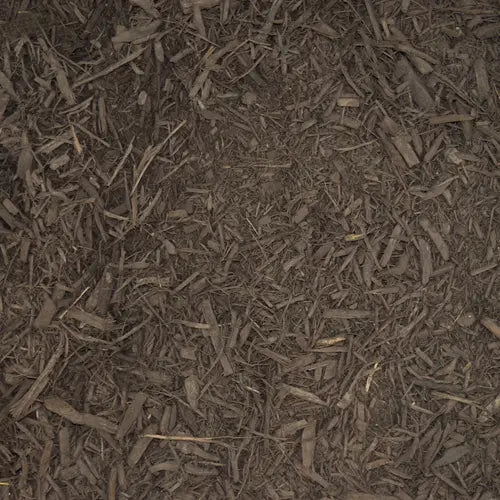
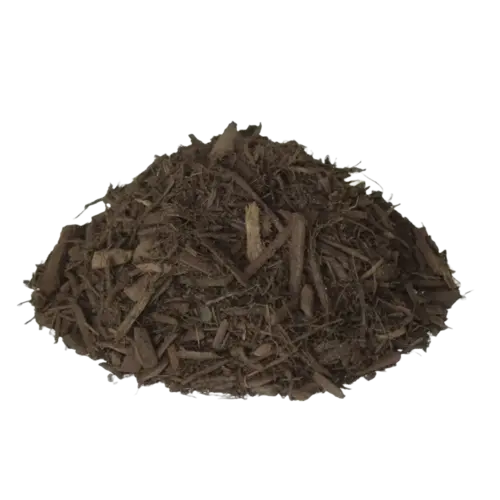
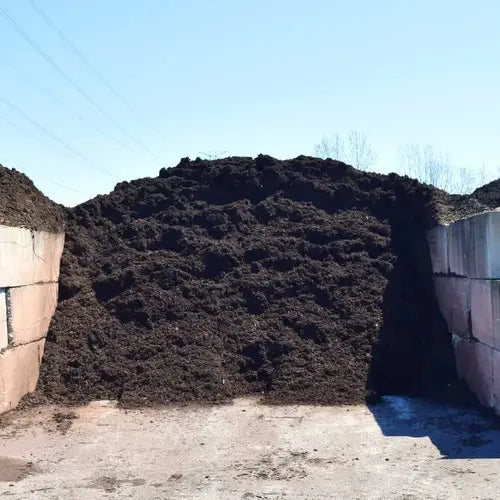
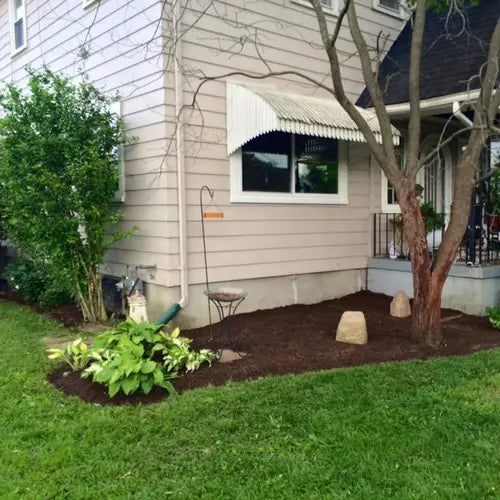
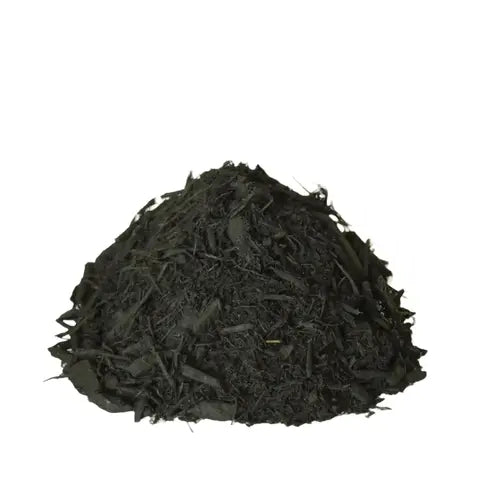
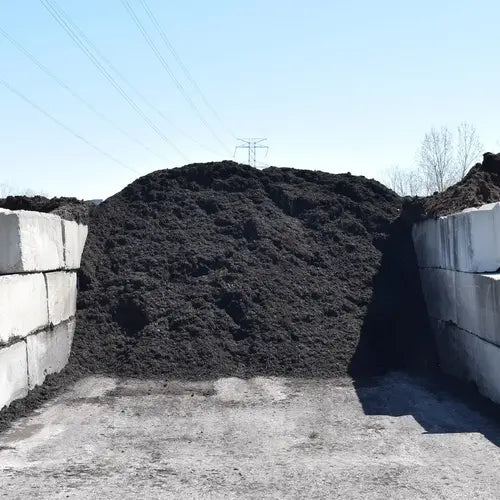
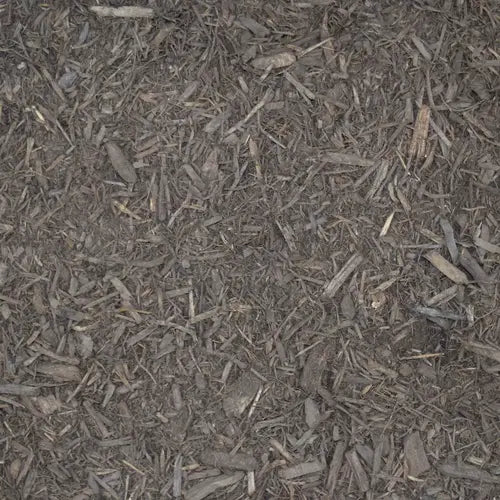
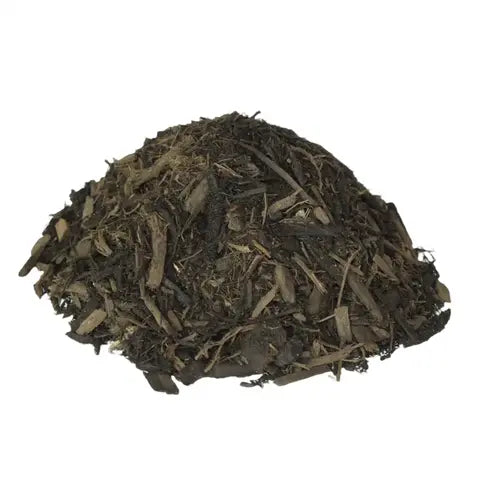
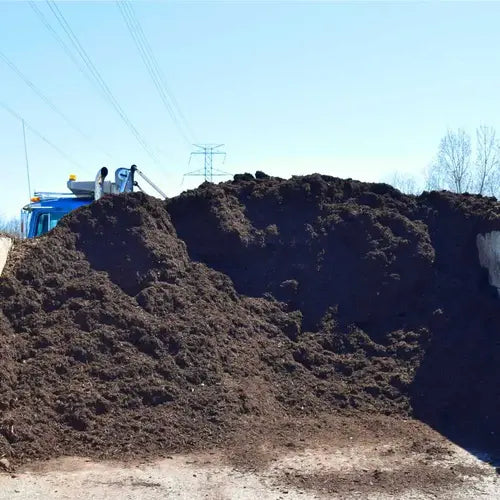
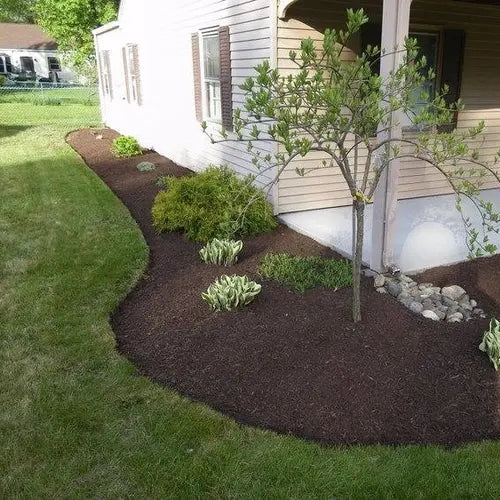
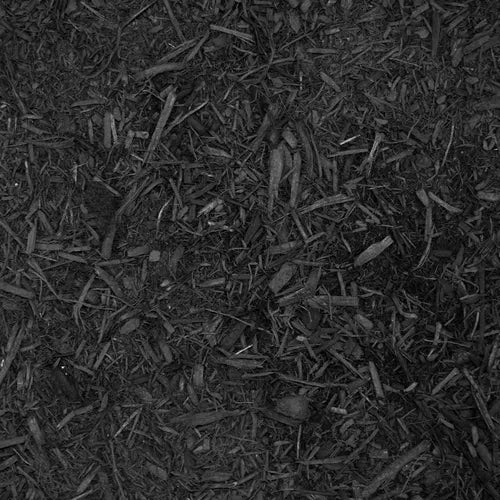
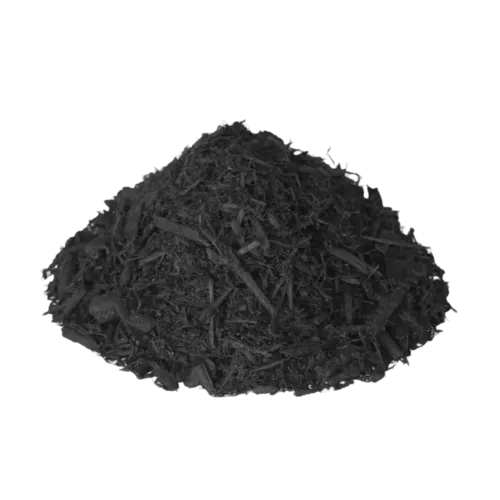
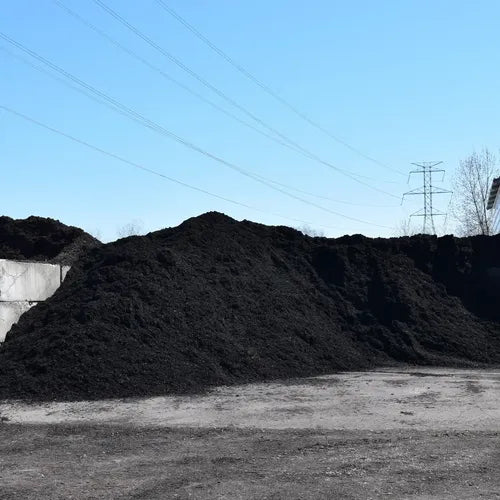
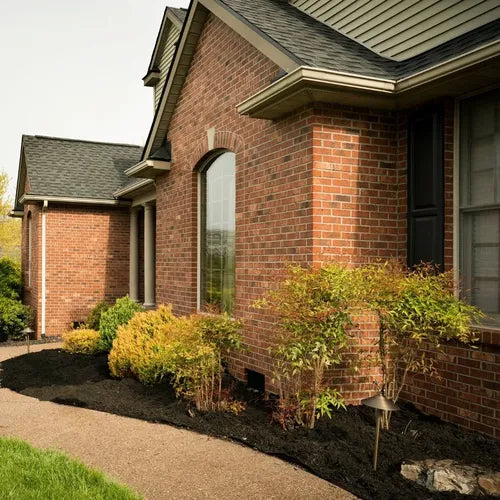
Warm brown double shredded mulch with lasting color that looks freshly applied for weeks. Spreads smooth, stays put, and gives beds a natural, polished appearance.
I contacted Mulch Mound for #57 river rocks and it was easy and fast to get a delivery right before the holiday weekend. Stone was delivered as promised and place exactly where I asked. Excellent service! I will be ordering mulch next!
Tell us what you're looking for
Thanks! We received your request.
Something went wrong. Please try again.
How Much Material Do I Need?
For Orem's alkaline loam soil and dry 16-inch annual rainfall, plan for a minimum of 3 inches of mulch in ornamental beds and up to 4 inches around moisture-sensitive plants, trees, and shrubs. Anything thinner than 2 inches in this climate provides minimal weed suppression and almost no practical moisture retention benefit during the long dry summers.
Use our free mulch calculator
What is a yard?
A yard is approximately 27 cubic feet. As a general guideline, one yard of material can cover an area of about 100-160 square feet at a 2-3 inch depth.
We can't take orders for this right now. Tell us what you need and we'll get back to you.
What do you need?
Thanks! We received your request.
Something went wrong. Please try again.
Hand-picked local yards
4,000+ regional deliveries
Dedicated support
Why order through Mulch Mound
The best local mulch, without the guesswork.
We hand-pick and partner with the best yards in your region, keep only the ones our buyers rate well, and back each load with our guarantee.
Mulch Mound Guarantee
If your mulch isn't the quantity or quality you ordered, we'll make it right.
About this mulch
Warm brown double shredded mulch with lasting color that looks freshly applied for weeks. Spreads smooth, stays put, and gives beds a natural, polished appearance.
I contacted Mulch Mound for #57 river rocks and it was easy and fast to get a delivery right before the holiday weekend. Stone was delivered as promised and place exactly where I asked. Excellent service! I will be ordering mulch next!
How Much Material Do I Need?
For Orem's alkaline loam soil and dry 16-inch annual rainfall, plan for a minimum of 3 inches of mulch in ornamental beds and up to 4 inches around moisture-sensitive plants, trees, and shrubs. Anything thinner than 2 inches in this climate provides minimal weed suppression and almost no practical moisture retention benefit during the long dry summers.
Use our free mulch calculator
What is a yard?
A yard is approximately 27 cubic feet. As a general guideline, one yard of material can cover an area of about 100-160 square feet at a 2-3 inch depth.
I contacted Mulch Mound for #57 river rocks and it was easy and fast to get a delivery right before the holiday weekend. Stone was delivered as pro...
Read full review
I contacted Mulch Mound for #57 river rocks and it was easy and fast to get a delivery right before the holiday weekend. Stone was delivered as promised and place exactly where I asked. Excellent service! I will be ordering mulch next!
I recently ordered from mulch mound and was thoroughly impressed with every aspect of the experience. The entire process, from placing the order to...
Read full review
I recently ordered from mulch mound and was thoroughly impressed with every aspect of the experience. The entire process, from placing the order to delivery was seamless and efficient. The mulch arrived exactly on time, and the quality exceeded my expectations. The color was rich and consistent, and I received more than enough to complete my project with proper coverage and packing.
Customer service was equally outstanding. Communication was clear, and the team was responsive and professional throughout. It’s rare to find a company that delivers both a high-quality product and excellent service, but mulch mound did just that.
Highly recommended, and I wouldn’t hesitate to order from them again.
I couldn't be happier with the speed and quality of the mulch delivery service of Mulch Mound. Every detail from ordering, to communication with on...
Read full review
I couldn't be happier with the speed and quality of the mulch delivery service of Mulch Mound. Every detail from ordering, to communication with on time delivery, to perfect product placement was amazing. I needed more and I got it within 2 hours! I'm never doing this with bags again.
To estimate mulch for your Orem beds, measure the length and width of each area in feet, multiply to get square footage, then multiply by your desired depth in inches and divide by 12 to reach cubic feet. Because Orem beds need a full 3 to 4 inch layer for meaningful moisture retention in this dry climate, rounding up on your order is always the smarter choice. Our calculator on this page handles the conversion automatically once you enter your measurements.
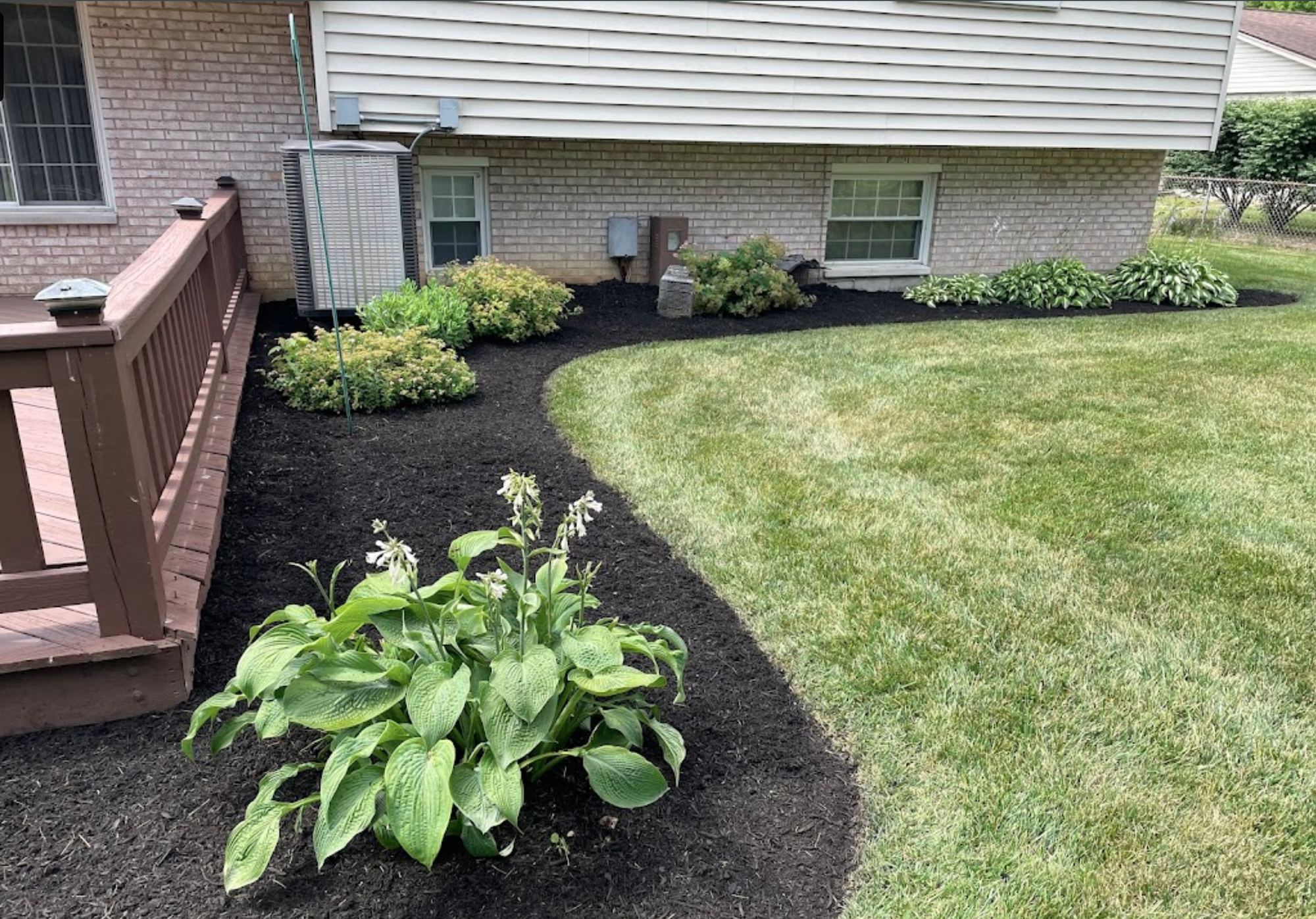
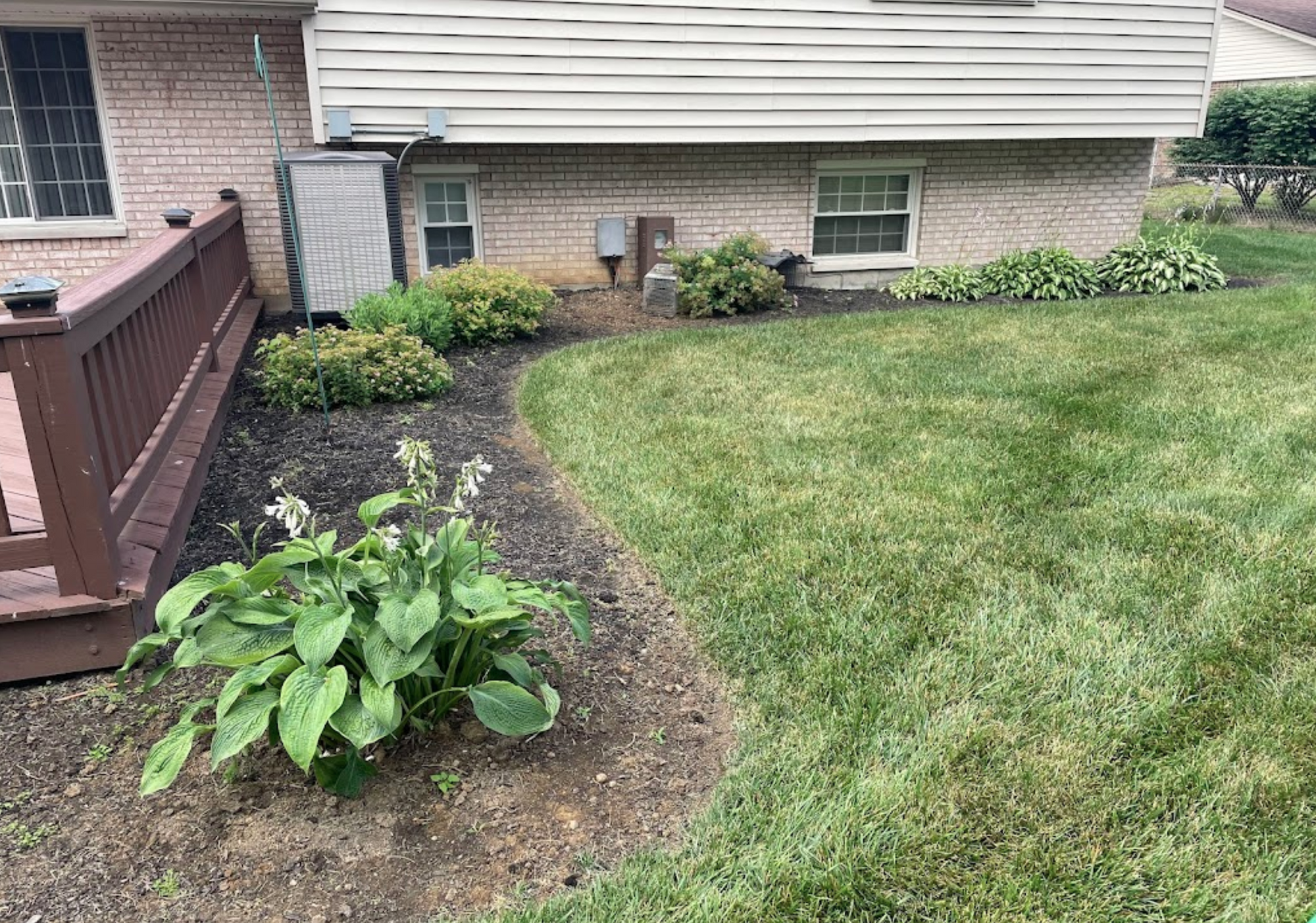
Mulch vs. No Mulch: The Difference
In Orem's high-altitude environment, both natural and dyed mulches face more intense UV exposure than products used at lower elevations, and that difference affects both appearance and long-term performance in meaningful ways. Natural hardwood and cedar mulches weather to a neutral earthy tone within a season but continue delivering organic matter that slowly works into the alkaline loam as decomposition progresses. Dyed mulches maintain their visual impact longer in the short term but provide no additional soil benefit from the colorant itself, and the high-UV conditions at nearly 4,800 feet mean even premium dyed products will need a refresh layer each spring after your April 27 last frost to stay presentable.
Before
After
Best Mulch Choice for Orem Lawns
Most yards in the Orem area sit on Alkaline Loam type of soil. Orem's alkaline loam soil tends to be nutrient-restrictive for acid-loving plants, and bare soil in garden beds can quickly develop a hard, water-shedding crust during the summer dry season that runs from June through September. Placing the right mulch on top creates a protective buffer layer that keeps the loam surface loose and far more receptive to irrigation and rainfall.
Hardwood Mulch
Hardwood mulch breaks down into a humic organic matter that introduces mild acidity as it decomposes, which is precisely what Orem's naturally alkaline loam soil needs over time to become more plant-friendly. As hardwood particles work their way into the top layer of the loam across multiple seasons, they improve the soil's ability to hold available nutrients closer to plant roots, making every watering and rain event more productive for the plants growing in those beds.
Mulch Types We Deliver in Orem
Mulch Mound delivers bulk mulch by the cubic yard straight to homes and properties in Orem, so you skip the bags and get exactly what your landscape needs. If you have been searching for bulk mulch delivery near me, we bring the material right to your driveway. Every order is measured in cubic yards, so you buy only what your project requires.
Dyed Black Mulch
Bold and striking, dyed black mulch is a top choice for homeowners who want crisp contrast against Utah valley soil. Available in double shredded or triple shredded, it holds its rich color well under the intense summer sun and spreads evenly around garden beds and borders.
Dyed Brown Mulch
Warm and inviting, dyed brown mulch suits the earthy tones of Utah valley homes and blends naturally with stone borders and desert plantings. The double shredded texture spreads smoothly and holds its fresh appearance for weeks, making it a reliable pick for front yards and visible entry beds.
Natural Brown Mulch
Natural brown mulch skips the dye entirely, offering an honest earthy tone that comes straight from the wood. Available in single shredded or double shredded, it suits homeowners who prefer a muted, organic look and pairs well with the native plants and xeriscaping common in this part of Utah.
Playground Mulch
Made from engineered wood fiber sized and tested for safety under play equipment, playground mulch cushions falls and drains quickly after the heavy afternoon storms common in the region. It holds up through seasons of active use and works well in backyard play areas of all sizes.
Complete Your Outdoor Mulch Project
Pair your mulch order with a quality topsoil or amended garden soil blend to correct Orem's alkaline loam before planting, and consider adding decorative gravel or natural stone borders to define your beds and reduce edge maintenance through Utah Valley's long dry growing season.
In Orem's Zone 6b climate, soil temperatures can drop sharply in early October well before a visible frost appears on October 21. Apply your fall mulch layer in early to mid-October rather than waiting for a hard freeze. Keeping soil temperatures more stable through that first frost date helps perennial root systems acclimate gradually, reducing winter die-back and producing a stronger flush of growth when beds wake up after your last frost around April 27.
Mulch Mound Pro Tip
Orem's alkaline loam tends to form a hard surface crust during summer heat, and that crust sheds irrigation water sideways rather than absorbing it. Before laying fresh mulch each season, loosen the top inch of soil with a hand cultivator to break that crust open. This simple step dramatically improves water infiltration so that when you do irrigate, moisture actually reaches roots rather than running off the surface beneath the mulch layer.
Mulch Mound Pro Tip
With only 16 inches of annual rainfall, Orem homeowners cannot rely on precipitation alone to water through fresh mulch layers. After applying a new 3 to 4 inch layer, place a small container under your drip emitters or sprinkler heads and run your system to confirm water is actually penetrating to the soil rather than being deflected sideways by the mulch. Adjust emitter placement or increase run times slightly if the container collects less water than expected, since thick mulch can redirect sprinkler water horizontally rather than downward.
Frequently Asked Questions
Click a question to see the answer
Answer
How deep should I apply mulch in Orem given the dry desert climate?
In Orem's arid high-desert conditions with only 16 inches of annual rainfall, we recommend applying mulch at a depth of 3 to 4 inches. That thickness creates enough of a barrier to slow evaporation from the alkaline loam surface without smothering shallow plant roots. Going thinner than 2 inches means the intense summer sun will dry out your beds between waterings, while going deeper than 4 inches can trap excess moisture during the brief spring rain and snowmelt periods that typically run through April.
Answer
Will mulch help lower the pH of my Orem soil over time?
Organic mulches like hardwood and cedar do break down slowly and introduce mildly acidic organic matter into Orem's naturally alkaline loam soil, and over several seasons this can modestly reduce surface pH. That modest shift helps plants like roses, hydrangeas, and ornamental grasses access nutrients more effectively in the high-pH environment common throughout Utah Valley. For a faster pH correction you would combine mulch with sulfur amendments worked directly into the soil, but mulch alone is a great first step and it also improves the drainage structure of the loam layer beneath.
Answer
When is the best time to apply mulch in Orem before winter arrives?
The ideal window to lay a fresh layer of mulch in Orem is between early October and your first frost date around October 21. Mulching before that first freeze helps insulate root zones and keeps soil temperatures more stable as nighttime lows begin dropping quickly at this elevation. Waiting until after the ground freezes reduces the benefit significantly because the mulch can no longer trap residual soil warmth. A fall application also means your beds are already protected when the late spring snow events that commonly hit Orem in March and April occur.
Answer
Does colored or dyed mulch hold up well under Orem's intense high-altitude sun?
Orem sits at nearly 4,800 feet elevation, which means UV exposure is considerably more intense than at lower altitudes, and that does accelerate color fading in dyed mulches. Black and red dyed products typically fade noticeably within one full season without a refresh. Natural hardwood or cedar mulch ages to a consistent gray-brown tone that many Orem homeowners find easier to manage aesthetically over multiple years. If vivid color is a priority, plan to add a thin topper layer each spring after your last frost around April 27 to keep beds looking sharp through the season.
Answer
How often should I replace my mulch given Orem's low rainfall and alkaline soil?
Because Orem averages only 16 inches of rain annually, organic mulch breaks down more slowly here than in wetter climates, which is actually an advantage for maintenance schedules. Most homeowners find they need to top-dress rather than fully replace mulch every one to two years. Orem's alkaline loam does not accelerate decomposition the way acidic or perpetually moist soils can in other regions. A practical approach is to check mulch depth each spring after the last frost and add an inch wherever the layer has compressed below 2 inches.
Answer
Can mulch cause drainage problems in my Orem alkaline loam yard?
Orem's loam soil has reasonably good natural drainage compared to pure clay soils, but over-mulching or piling mulch directly against plant crowns and tree trunks can create moisture pockets that lead to crown rot and bark disease. Keep mulch pulled back a few inches from stems and trunks at all times. In areas where the soil already drains more slowly, a coarser shredded wood mulch performs better than fine-textured products because the larger particle sizes allow water to percolate through more freely during Orem's spring snowmelt events.
Answer
Is there a mulch type that works especially well around fruit trees common in Orem yards?
For fruit trees popular in Orem home landscapes like apple, peach, and cherry, a coarse wood chip or arborist chip mulch works very well. These larger pieces break down slowly, resist compaction underfoot, and allow the soil to breathe through the full growing season that runs from late April to late October in Zone 6b. Avoid fine bark mulch directly around fruit tree root zones because it tends to mat and repel water during Orem's dry summer months, which reduces the effectiveness of every irrigation cycle.
The Unique Landscape of Orem
Orem's alkaline loam soil presents a unique challenge for homeowners who want thriving plant beds, because a naturally high soil pH restricts the availability of iron, manganese, and other nutrients that ornamental plants depend on through the growing season. At 4,767 feet elevation, soil temperatures swing dramatically between summer afternoons that bake exposed beds and early frosts that arrive around October 21, making temperature moderation at the root zone a genuine priority. With only 16 inches of rainfall each year, moisture retention is not optional in Orem landscapes, and a properly applied mulch layer acts as a critical barrier between dry Utah air and vulnerable plant roots. A well-mulched bed in Orem can meaningfully reduce supplemental watering needs through the long dry stretches that dominate July and August. Choosing the right mulch for this environment means balancing decomposition rate, pH impact over time, and color retention under the intense UV exposure that comes with high-altitude desert living.