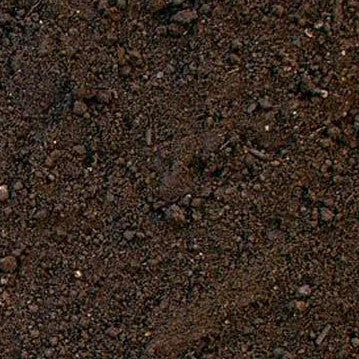
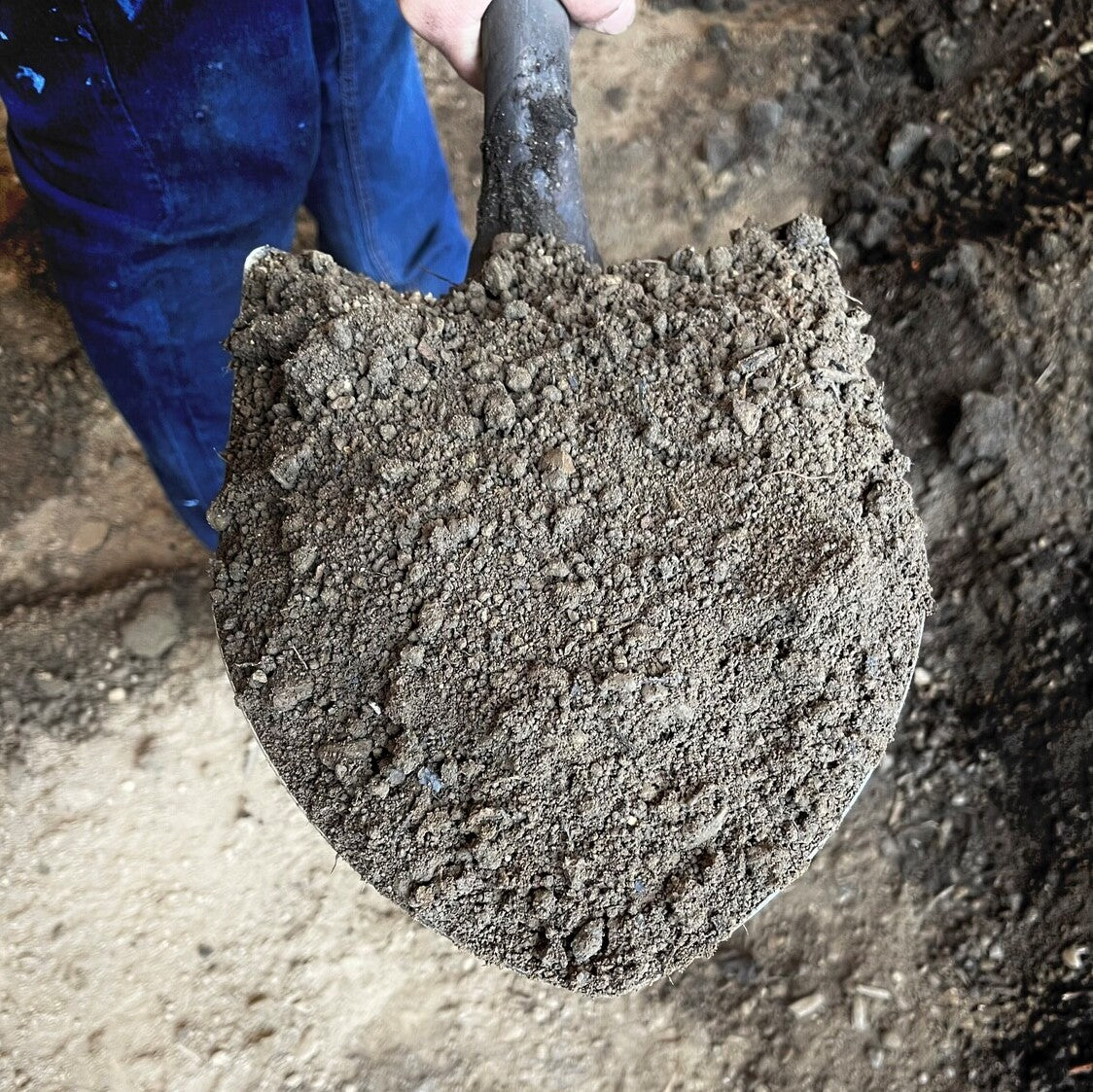
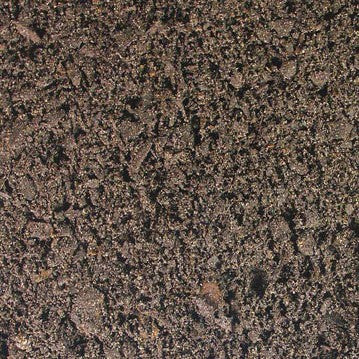
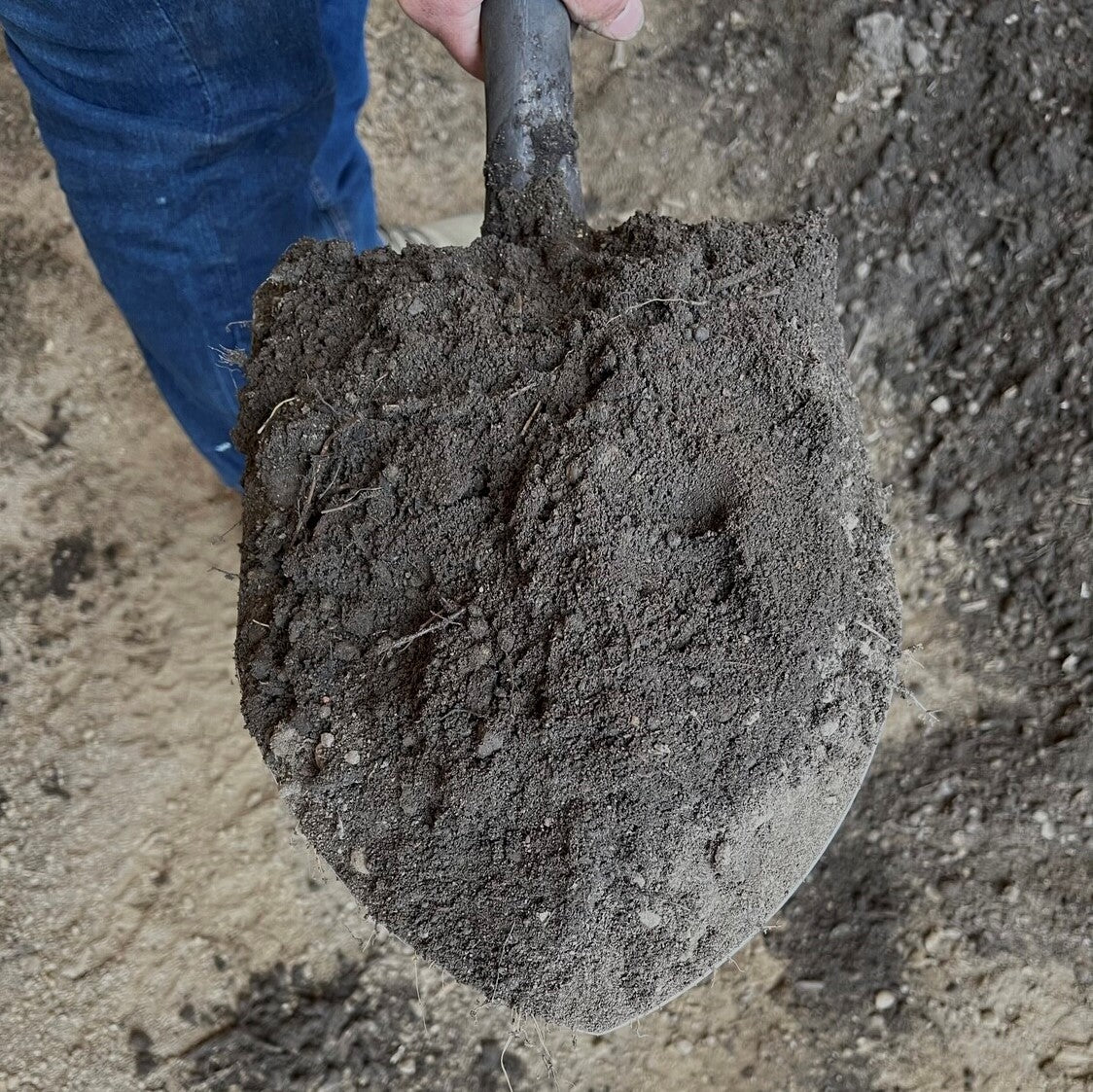
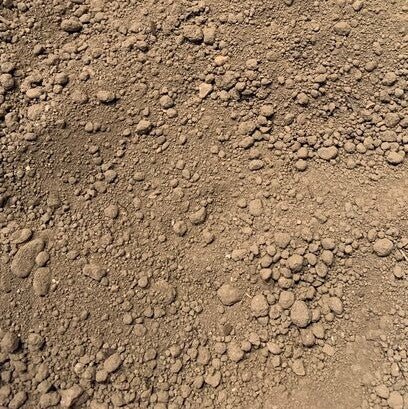
Quality topsoil for lawns, gardens, and landscape projects. Nutrient rich and ready to support strong root development and healthy plant establishment.
We ordered 3 yards of the garden soil, delivered mext day. We used in raised beds 6x3x2. It was more than needed for both but the soil looked good! I added some perlite to add some drainage since this is a little dense.
Tell us what you're looking for
Thanks! We received your request.
Something went wrong. Please try again.
How Much Material Do I Need?
For topdressing Orem lawns, apply a quarter to half inch of topsoil per pass so grass can grow through the layer without being smothered. For new planting beds built on top of Orem's alkaline loam, plan for at least 6 to 8 inches of imported soil so roots have a meaningful buffer of improved growing medium before reaching native ground.
Use our free soil calculator
What is a yard?
A yard is approximately 27 cubic feet. As a general guideline, one yard of material can cover an area of about 100-160 square feet at a 2-3 inch depth.
What is a yards?
A yard is approximately 27 cubic feet. As a general guideline, one yard of material can cover an area of about 10 feet by 10 feet at a few inches deep.
We can't take orders for this right now. Tell us what you need and we'll get back to you.
What do you need?
Thanks! We received your request.
Something went wrong. Please try again.
Hand-picked local yards
4,000+ regional deliveries
Dedicated support
Why order through Mulch Mound
The best local soil, without the guesswork.
We hand-pick and partner with the best yards in your region, keep only the ones our buyers rate well, and back each load with our guarantee.
Mulch Mound Guarantee
If your soil isn't the quantity or quality you ordered, we'll make it right.
About this soil
Quality topsoil for lawns, gardens, and landscape projects. Nutrient rich and ready to support strong root development and healthy plant establishment.
We ordered 3 yards of the garden soil, delivered mext day. We used in raised beds 6x3x2. It was more than needed for both but the soil looked good! I added some perlite to add some drainage since this is a little dense.
How Much Material Do I Need?
For topdressing Orem lawns, apply a quarter to half inch of topsoil per pass so grass can grow through the layer without being smothered. For new planting beds built on top of Orem's alkaline loam, plan for at least 6 to 8 inches of imported soil so roots have a meaningful buffer of improved growing medium before reaching native ground.
Use our free soil calculator
What is a yard?
A yard is approximately 27 cubic feet. As a general guideline, one yard of material can cover an area of about 100-160 square feet at a 2-3 inch depth.
What is a yards?
A yard is approximately 27 cubic feet. As a general guideline, one yard of material can cover an area of about 10 feet by 10 feet at a few inches deep.
We ordered 3 yards of the garden soil, delivered mext day. We used in raised beds 6x3x2. It was more than needed for both but the soil looked good!...
Read full review
We ordered 3 yards of the garden soil, delivered mext day. We used in raised beds 6x3x2. It was more than needed for both but the soil looked good! I added some perlite to add some drainage since this is a little dense.
To calculate soil needs for your Orem project, measure the area in square feet, decide on your fill depth in inches, multiply those two numbers together, and divide by 324 to convert directly to cubic yards. For raised vegetable beds in Orem, a 12-inch depth is recommended to keep roots cool and moist through the summer heat. Our online calculator on this page handles the conversion so you can place your order with confidence and avoid coming up short on a project day.
Soil Types We Deliver in Orem
Whether you are regrading a backyard or filling new raised beds, ordering bulk topsoil by the yard in Orem is far more practical than hauling bags from a store. The native ground in this part of Utah tends to run heavy with clay and lean on organic matter, so bringing in quality soil by the cubic yard gives your plants a strong start from day one.
Screened Top Soil
Our screened top soil is a fine, clean blend that works well for leveling yards, topping bare ground, and establishing new lawn or planting areas. Screened to remove rocks and debris, it spreads easily and provides the loose, nutrient-rich layer that roots need to get established in Utah's dry growing conditions.
Premium Gardening Blend
This premium blend combines top soil and compost into a ready-to-plant mix that takes the guesswork out of soil prep. It is a great fit for raised beds and new garden installations, delivering the loose texture and balanced nutrition that vegetables, flowers, and ornamentals need to thrive through warm Utah summers.
Premium Organic Compost
Rich in nutrients and organic matter, our premium compost is an excellent amendment for working into the heavy clay soils common across this part of Utah. Use it as a top dressing or mix it into existing beds to boost drainage, feed plants steadily, and build healthier soil structure season after season.
Complete Your Outdoor Soil Project
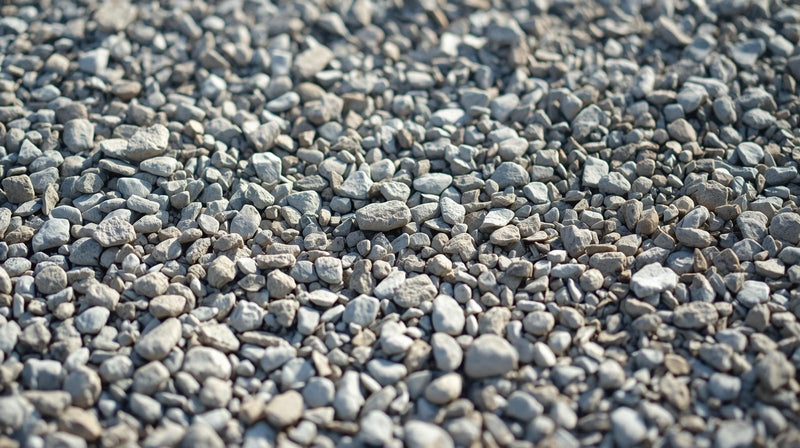
After placing your soil, finish your planting beds with a 3 to 4 inch layer of mulch to protect Orem's dry soil surface from crusting and evaporation, and consider lining bed edges with natural stone or decorative gravel to give your landscape a clean, finished look that holds up through Utah Valley's long dry summers with minimal ongoing maintenance.
What is wrong with just using native Orem soil for my garden beds?
Orem's native alkaline loam carries a high pH that restricts nutrient availability for many vegetables and flowering plants, and it tends to compact progressively in garden beds that are planted intensively season after season. Bringing in a quality blended topsoil or garden mix lets you set the right pH and structure from the beginning, which matters greatly given that Orem's growing window between April 27 and October 21 is just long enough that you cannot afford to lose critical early weeks to poor germination caused by hostile soil conditions.
Answer
How much soil do I need to fill a raised bed for vegetable gardening in Orem?
A standard raised bed for Orem vegetable gardens should run at least 12 inches deep, giving roots enough room to stay cool during July and August when shallow-bed soil temperatures can climb high enough to stress tomatoes, peppers, and squash. For a 4 by 8 foot bed at 12 inches deep you need about 32 cubic feet or just under 1.2 cubic yards of blended soil. Ordering a full cubic yard gives you a modest surplus to mound slightly in the center of the bed, which improves drainage during Orem's occasional concentrated spring rain events.
Answer
Can I use bulk topsoil to level my Orem lawn without killing the existing grass?
Yes, topdressing with a thin layer of topsoil is a very effective way to level low spots in Orem lawns without damaging turf. The key is applying no more than half an inch to one inch at a time over existing grass so turf can grow through it before it is smothered. Orem's growing season gives a good window from May through early September for this work while grass is actively growing and recovering. Using a topsoil that closely matches the loam texture of Orem's native soil helps the layers integrate without creating a drainage barrier between them.
Answer
Will imported soil help address the alkalinity problem in my Orem yard?
A quality blended topsoil or garden mix will typically carry a more neutral pH than Orem's native alkaline loam, and in beds where you replace or heavily amend the native ground that difference is significant for plant health. Look for blends that include composted organic matter, which actively buffers alkalinity over time as it breaks down. You may still want to test your bed soil with an inexpensive pH meter after filling, since blending any imported soil with native loam can pull pH back upward. Sulfur or peat amendments mixed in at planting time can target pH for plants that need it below 7.0.
Answer
When is the best time of year to order topsoil for garden prep in Orem?
The ideal time to order and place topsoil in Orem is in early spring, typically late March through mid-April, before your last frost date of April 27. Getting soil in place a few weeks early allows it to settle and gives you time to work in any pH amendments before planting begins. A fall delivery after your October 21 first frost also works well if you are building new beds that will rest over winter, since the freeze-thaw cycle through Orem's cold months actually helps break up clods and encourages the new soil layer to integrate with native material beneath it.
Answer
How do I know whether I need straight topsoil or a richer garden blend for my Orem project?
Topsoil is best suited for grading, leveling, and building up elevation across large areas like lawns and yard perimeters in Orem. A garden soil or blended mix is better for planting areas because it includes more organic matter and is formulated to support active root growth and nutrient uptake. Given Orem's alkaline loam base, any bed where you are growing vegetables, perennials, or annuals will benefit from the richer blend rather than straight topsoil, which typically lacks the organic content to sustain intensive planting through Orem's full 177-day growing season.
Answer
Does Orem's dry climate cause raised bed soil to dry out faster than in-ground beds?
Raised beds in Orem's climate with only 16 inches of annual rainfall dry out considerably faster than in-ground beds because air circulates around all four sides and through the bottom, accelerating evaporation. During peak summer heat an unshaded raised bed may need watering every day or every other day depending on what is planted and how much sun the bed receives. Using a soil blend with strong water-holding capacity and then applying a mulch layer on top after planting are the two most effective strategies for maintaining consistent soil moisture in Orem raised beds without dramatically increasing your water bill.
Mulch Mound Pro Tip
Orem's alkaline loam can become hydrophobic when it dries out completely, shedding water across the surface rather than absorbing it, and imported topsoil sitting in a pile before delivery can behave the same way after a few dry weeks. Before spreading your soil delivery, squeeze a handful. If it crumbles instantly and feels dusty rather than slightly moist and cohesive, lightly water the pile with a hose before spreading so your new soil accepts irrigation properly from the very first watering.
Mulch Mound Pro Tip
When grading Orem lawns or yard areas with topsoil, slope your finished grade away from your home's foundation at roughly one inch per foot for the first six feet. Orem's spring season brings snowmelt and occasional intense rain events that will direct water toward foundations if grading is flat or slightly reversed. Getting the drainage slope right when fresh soil is already in place is far easier and less expensive than correcting a grading problem after the yard is planted and fully established.
Mulch Mound Pro Tip
Orem's 177-day growing season is long enough to run two successions of cool-season crops in the same raised bed if your soil is in place and ready early. Prepare raised bed soil in late March before your April 27 last frost so you can start cool-season greens under frost cloth right away, then transition the same bed to warm-season crops in May once nighttime temperatures are consistently safe. A well-structured imported soil blend makes this double-cropping approach practical by maintaining its loose, workable texture through multiple plantings without the compaction that Orem's native loam develops under intensive use.
The Unique Landscape of Orem
Orem's native soil is an alkaline loam that performs adequately for established turf but presents real obstacles for vegetable gardens, raised beds, and any planting that requires consistent moisture and more balanced pH than Utah Valley's native ground provides. At 4,767 feet elevation the growing season between last frost on April 27 and first frost on October 21 spans roughly 177 days, which puts pressure on gardeners to have beds ready and productive as quickly as possible each spring. Imported topsoil and blended garden soil can dramatically accelerate that preparation by replacing or deeply amending the native loam before seeds go in. Drainage is generally adequate in Orem's loam, but lawn low spots and compacted areas from heavy foot traffic or construction activity are common, and graded topsoil corrects those issues far more efficiently than working with what is already in place. Soil quality directly affects how well Orem plants cope with the dry summers, since well-structured imported soil holds moisture between irrigation cycles better than compacted or saline native ground. Starting with the right soil blend means less corrective intervention later in the season when summer heat and low humidity place plants under sustained stress.