




I needed 3 yards of top soil and that's what I got! Right on time and right where I asked it to be placed (Order# 2041).
About this soil
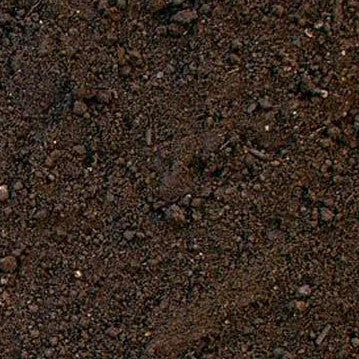
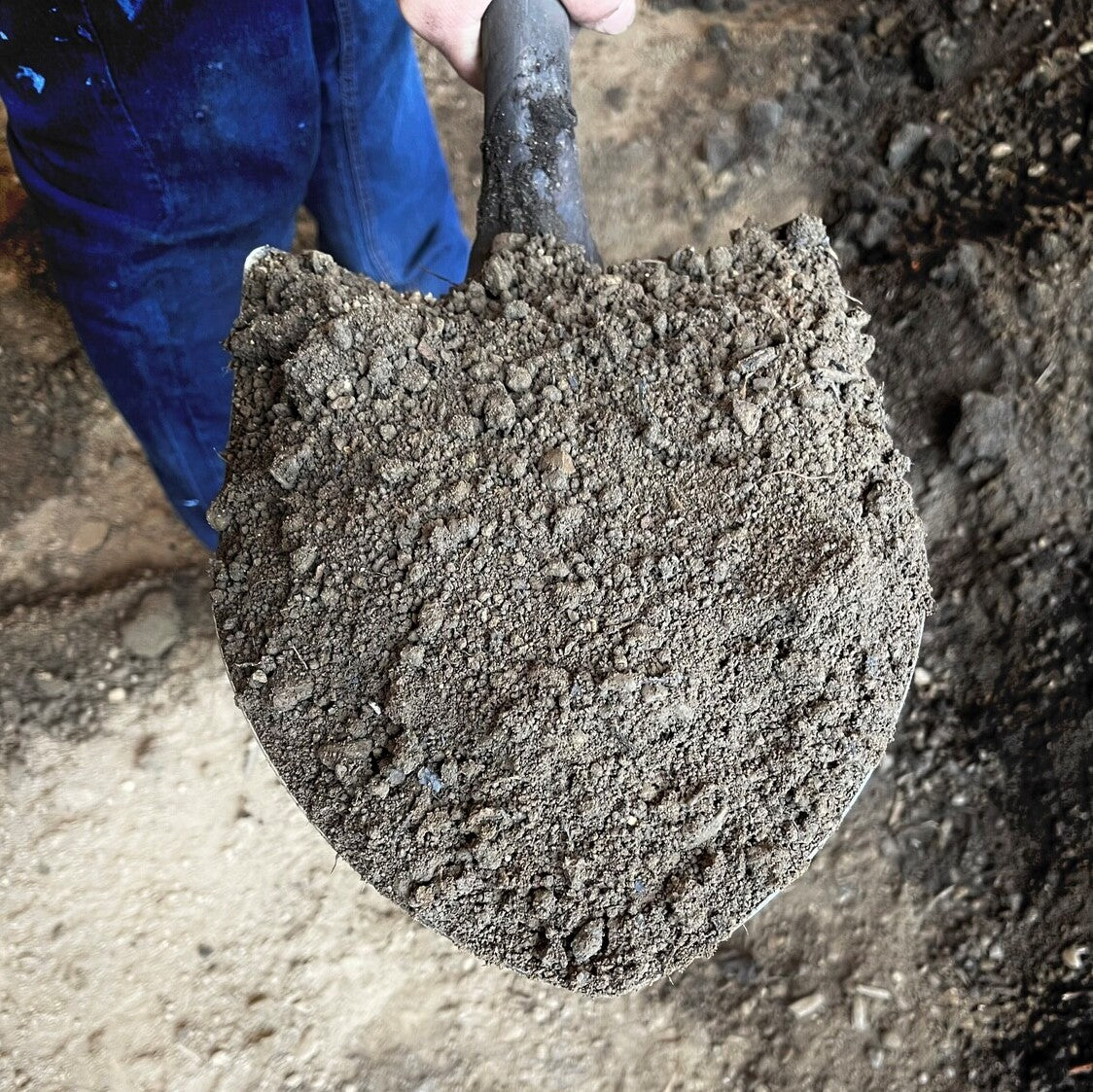
Quality topsoil for lawns, gardens, and landscape projects. Nutrient rich and ready to support strong root development and healthy plant establishment.
I needed 3 yards of top soil and that's what I got! Right on time and right where I asked it to be placed (Order# 2041).
Tell us what you're looking for
Thanks! We received your request.
Something went wrong. Please try again.
How Much Material Do I Need?
How Much Material Do I Need?
For garden bed installation in Owensboro, a minimum of 6 inches of quality topsoil over the native silt loam gives roots the loose, drainable medium they need to thrive through the long growing season. For lawn leveling, 1 to 2 inches is typically sufficient to correct minor grade issues and improve drainage in low spots.
Use our free soil calculator
What is a yard?
What is a yard?
FAQs
FAQs
Owensboro Soil Delivery
Owensboro Soil Delivery
Regular price
$64.00
per
yard
Regular price
Sale price
$64.00
Unit price
per
Shipping calculated at checkout.
Minimum of 3 yard
Couldn't load pickup availability
Not currently available
We can't take orders for this right now. Tell us what you need and we'll get back to you.
Hand-picked local yards
4,000+ regional deliveries
Dedicated support
Why order through Mulch Mound
The best local soil, without the guesswork.
We hand-pick and partner with the best yards in your region, keep only the ones our buyers rate well, and back each load with our guarantee.
Mulch Mound Guarantee
If your soil isn't the quantity or quality you ordered, we'll make it right.
About this soil
Quality topsoil for lawns, gardens, and landscape projects. Nutrient rich and ready to support strong root development and healthy plant establishment.
I needed 3 yards of top soil and that's what I got! Right on time and right where I asked it to be placed (Order# 2041).
How Much Material Do I Need?
How Much Material Do I Need?
For garden bed installation in Owensboro, a minimum of 6 inches of quality topsoil over the native silt loam gives roots the loose, drainable medium they need to thrive through the long growing season. For lawn leveling, 1 to 2 inches is typically sufficient to correct minor grade issues and improve drainage in low spots.
Use our free soil calculator
What is a yard?
What is a yard?
FAQs
FAQs
Tell us what you're looking for
Thanks! We received your request.
Something went wrong. Please try again.
How It Works
Getting started is easy — just follow these simple steps
1
Choose your soil
Make sure you adjust the quantity to your home's needs. You can use our calculator to estimate how much you'll need.
2
Select your delivery date
Select a delivery date you'd like for the product to be dropped off at your home
3
Sit back and wait
Sit back, wait, and let us work our magic to make sure the highest quality product is delivered to your driveway.

Highest compliments. Great driver.
Website is easy to navigate. Just a seamless process. 5 stars!!

Need Help Calculating How Much Soil You Need?
Use our NEW Trace from Satellite tool to get an estimate for your project based on an aerial view of your property
Try Our CalculatorMeasure each area you plan to fill, grade, or build up and note the depth of soil you want to add. Owensboro's silt loam settles over time, especially after the first heavy rains, so adding 10 to 15 percent extra to your order will help you maintain the right grade after the soil compresses. Divide total cubic feet by 27 to convert to cubic yards when placing your bulk order.
Soil Types We Deliver in Owensboro
Owensboro's clay-heavy native ground can make it tough to establish new lawns, garden beds, and landscape plantings without bringing in quality material from outside. We deliver bulk topsoil by the yard in Owensboro so homeowners and contractors can build up planting areas with a reliable, workable base. Orders arrive loose by the cubic yard, ready to spread the same day.
Screened Top Soil
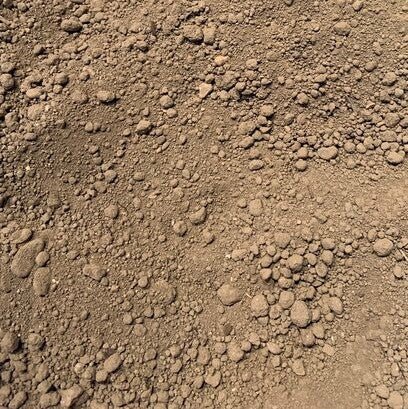
Our screened topsoil is run through a fine screen to remove rocks, clumps, and debris, leaving a smooth, consistent blend that integrates easily with the existing ground. It suits lawn repairs, raised garden beds, and general grading work common to the yards and properties found across western Kentucky. Nutrient rich and ready to support strong root development and healthy plant establishment from the moment it is spread.
Complete Your Outdoor Soil Project
After getting your soil grade and beds right, adding a layer of mulch is the next step to protect your work and hold moisture through Owensboro's warm, wet growing season. Stone edging or decorative gravel borders give garden beds a finished look and help keep bulk soil from washing into lawn areas during heavy rains.


Service area
Areas we deliver soil in Owensboro, Kentucky
Mulch Mound Pro Tip
When installing new topsoil over Owensboro's native silt loam, take a few minutes to till or scarify the existing soil surface before placing your new material. If you simply dump topsoil on top of compacted silt loam without breaking the interface, water tends to pool at the layer boundary rather than draining through. Running a tiller or garden fork 3 to 4 inches deep creates a transition zone that allows roots to move between layers and water to drain naturally through both.
Mulch Mound Pro Tip
Owensboro gardeners starting vegetable beds for the first time often underestimate how much the silt loam base affects drainage even when raised beds are built on top of it. If your site sits in a low area or has a hardpan below the surface, consider adding a layer of coarse gravel at the base of your raised beds before filling with topsoil. This small investment dramatically reduces waterlogging during Owensboro's frequent spring rain events and extends the productive life of your bed significantly.
Mulch Mound Pro Tip
Because Owensboro's last frost falls around April 10 and the first frost arrives around October 27, you have roughly 200 days of growing season to work with. Getting topsoil ordered and placed in late March, before the spring rush, means your beds are ready to go right at the last frost date without scrambling. Pre-ordering bulk soil also gives newly filled beds a week or two to settle and drain before you put transplants in, which leads to better root establishment from the very start.
The Unique Landscape of Owensboro
Owensboro sits on a base of silt loam that performs reasonably well for established lawns but tends to compact under foot traffic and become dense and poorly draining in low-lying areas. When homeowners try to establish new garden beds, level out yard dips, or build raised growing areas, the native soil often lacks the organic content and loose structure that plants need to thrive. Zone 6b growing conditions mean Owensboro gardeners have a long and productive season, with planting starting around mid-April after the last frost and running through October, so getting soil right pays dividends for months. The area's 48 inches of annual rainfall also means drainage matters enormously, and adding quality topsoil to problem areas can redirect water away from foundations and prevent pooling. Whether you are starting a vegetable garden, grading around a new patio, or filling raised beds, bringing in bulk soil gives you control over the growing environment that the native silt loam simply cannot provide on its own.