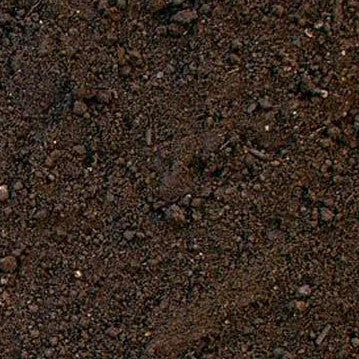
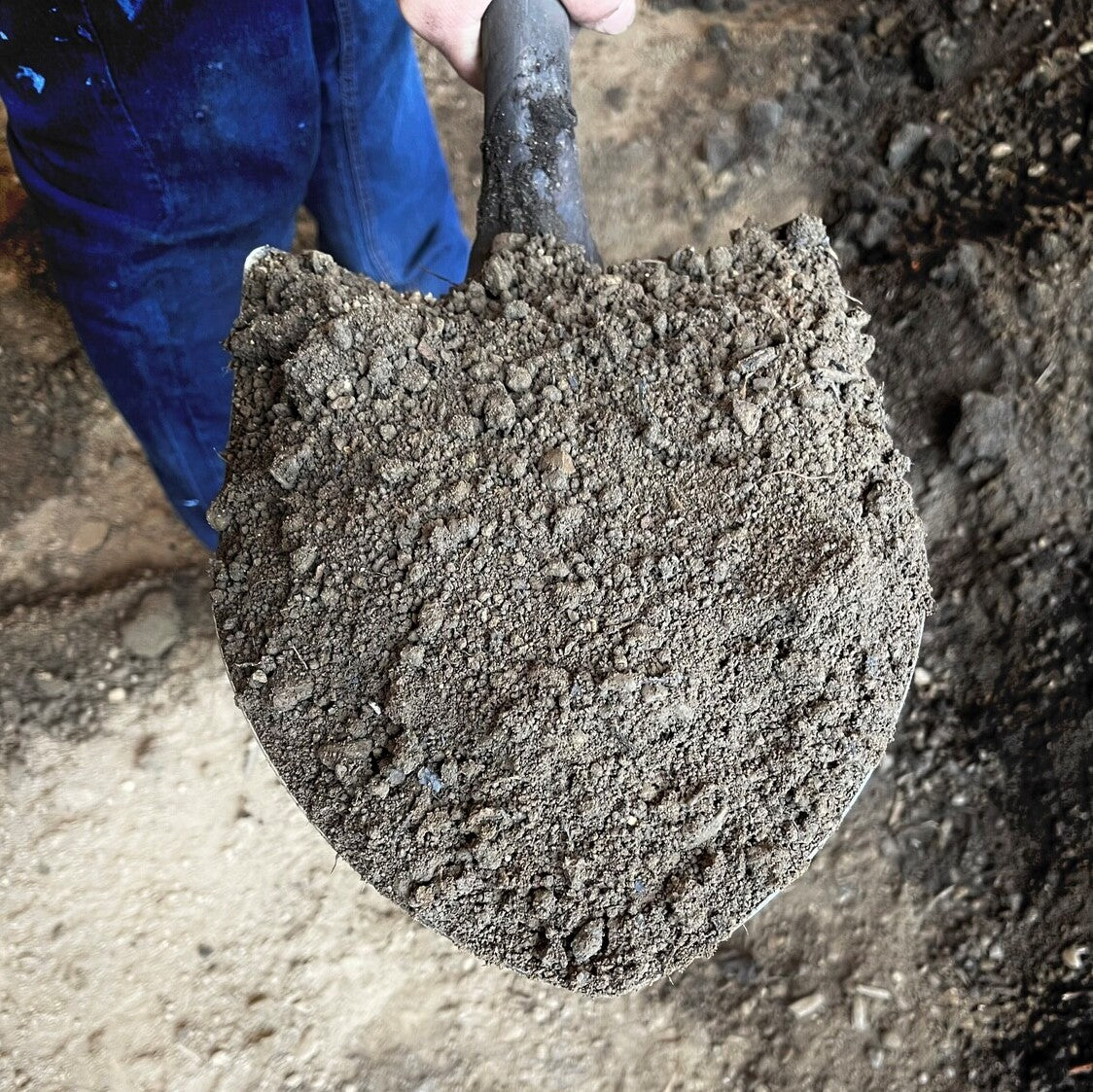
Quality topsoil for lawns, gardens, and landscape projects. Nutrient rich and ready to support strong root development and healthy plant establishment.
The website was intuitive and easy to navigate. The material was delivered the date and time it was scheduled, it was dropped off in the area i had specified on top of my tarp with no issues.
I ordered soil, the Gardening Blend that I received had too many plastic and m...
Tell us what you're looking for
Thanks! We received your request.
Something went wrong. Please try again.
How Much Material Do I Need?
For raised garden beds in Paducah, a minimum fill depth of 10 to 12 inches gives roots room to stay above the often-compacted native silt loam below. For lawn top-dressing and leveling, a 1 to 2 inch layer is enough to fill minor dips and improve surface drainage without smothering existing grass.
Use our free soil calculator
What is a yard?
A yard is approximately 27 cubic feet. As a general guideline, one yard of material can cover an area of about 100-160 square feet at a 2-3 inch depth.
We hand-pick and partner with the best yards in your region, keep only the ones our buyers rate well, and back each load with our guarantee.
Mulch Mound Guarantee
If your soil isn't the quantity or quality you ordered, we'll make it right.
About this soil
Quality topsoil for lawns, gardens, and landscape projects. Nutrient rich and ready to support strong root development and healthy plant establishment.
The website was intuitive and easy to navigate. The material was delivered the date and time it was scheduled, it was dropped off in the area i had specified on top of my tarp with no issues.
I ordered soil, the Gardening Blend that I received had too many plastic and m...
How Much Material Do I Need?
For raised garden beds in Paducah, a minimum fill depth of 10 to 12 inches gives roots room to stay above the often-compacted native silt loam below. For lawn top-dressing and leveling, a 1 to 2 inch layer is enough to fill minor dips and improve surface drainage without smothering existing grass.
Use our free soil calculator
What is a yard?
A yard is approximately 27 cubic feet. As a general guideline, one yard of material can cover an area of about 100-160 square feet at a 2-3 inch depth.
The website was intuitive and easy to navigate. The material was delivered the date and time it was scheduled, it was dropped off in the area i had...
Read full review
The website was intuitive and easy to navigate. The material was delivered the date and time it was scheduled, it was dropped off in the area i had specified on top of my tarp with no issues.
I ordered soil, the Gardening Blend that I received had too many plastic and metal pieces for my liking thus lowering the score from a perfect 5/5 to a 4/5
Really appreciate the care and follow thru that this company had with our order. A hiccup came up but they were quick to respond and address all co...
Read full review
Really appreciate the care and follow thru that this company had with our order. A hiccup came up but they were quick to respond and address all concerns, which made our garden day a success! Thank you for your prompt care.
Measure the length, width, and desired depth of your project area in feet, multiply all three together, and divide by 27 to get the cubic yards of soil you need. For lawn leveling projects in Paducah, where the native silt loam settles and compacts after repeated rain events, ordering about 10 percent more than your calculation suggests accounts for the settling that happens over the first few wet months. Raised bed projects generally fill more predictably, so your calculated number is usually accurate enough to order without padding.
Soil Types We Deliver in Paducah
Mulch Mound delivers bulk soil by the cubic yard straight to your door in Paducah, making it easy to fill raised beds, level yards, and prep new planting areas. Whether you are refreshing a tired lawn or starting a garden from scratch, having quality soil delivered saves time and effort. We make bulk topsoil by the yard in Paducah simple, affordable, and ready to use.
Screened Top Soil
Our screened topsoil is run through a fine screen to remove rocks, clumps, and debris, giving you a clean and workable base for lawns, gardens, and landscape beds. It is nutrient rich and well suited to Paducah's warm growing season, supporting strong root development and healthy plant establishment in both new builds and established yards.
Complete Your Outdoor Soil Project
Once your soil work is done, finish the project with a quality mulch layer to protect the new soil surface from Paducah's heavy rains and warm summer heat. A decorative stone border or path alongside freshly graded beds also adds structure and helps keep soil from washing out during the area's frequent storm events.
My Paducah backyard has low spots that flood after every rain. Can bulk topsoil fix that?
Yes, filling and grading low spots with bulk topsoil is one of the most effective ways to redirect water away from your home and yard in Paducah. The key is grading the new soil so it slopes gently away from structures, then compacting lightly and seeding or sodding over it so the fill stays in place through the area's frequent heavy rains.
Answer
What is the difference between topsoil and garden soil, and which one do I need in Paducah?
Topsoil is primarily used for grading, filling, and establishing a base layer for lawns and large areas, while garden soil is typically a blended mix with added compost or organic matter that is better suited for planting beds and raised gardens. In Paducah, where the native silt loam is workable but often low in organic matter, garden soil is the better choice for vegetable beds and perennial borders, while topsoil works well for lawn repairs and grade corrections.
Answer
How much soil do I need to build a raised garden bed in Paducah?
A standard 4-by-8-foot raised bed filled to 12 inches deep requires about 1.2 cubic yards of soil. For Paducah's warm zone 7a growing season that runs from early April through late October, filling beds to at least 10 to 12 inches gives vegetable roots the depth they need to thrive through the hot, humid summer months.
Answer
When is the best time of year to do soil work in Paducah?
Early spring, after the last frost around April 6 and once the ground has dried out enough to work without compacting, is the ideal window for most soil projects in Paducah. Fall, specifically September through mid-October before the first frost around October 26, is also excellent for lawn leveling and bed preparation since the soil is warm and plants have time to establish before winter.
Answer
Will bulk topsoil work with my existing Paducah silt loam, or will the two soils not mix well?
Screened topsoil blends reasonably well with Paducah's native silt loam as long as you till or mix the layers together rather than simply dropping new soil on top of old. Leaving a hard boundary between the two layers can impede drainage, so loosening the existing silt loam before adding new material gives you a much more uniform planting environment.
Answer
I want to overseed my lawn this fall in Paducah. Should I top-dress with soil first?
Top-dressing with a thin layer of screened topsoil before overseeding in late September or early October is a great strategy for Paducah lawns. The added soil improves seed-to-soil contact in areas where the native silt loam has become compacted, and the timing takes advantage of Paducah's warm fall soil temperatures and reliable early fall rainfall to get good germination before the first frost near October 26.
Answer
Can I use bulk soil to improve drainage along my house foundation in Paducah?
Building up the grade along your foundation with compacted topsoil so that it slopes at least 6 inches over the first 10 feet away from the house is a proven way to manage the moisture issues common in Paducah. With close to 49 inches of annual rain, proper foundation grading is one of the most cost-effective improvements a Paducah homeowner can make to protect a basement or crawl space from seasonal water intrusion.
Mulch Mound Pro Tip
Paducah's silt loam has a natural tendency to compact when worked wet, which is a common temptation in early spring when homeowners are eager to get started. Before tilling or adding bulk soil, squeeze a handful of native soil and if it crumbles when you tap it rather than smearing, conditions are right for working. Attempting to till or grade silt loam when it is saturated damages its structure and can create a compacted layer that impedes drainage for years afterward.
Mulch Mound Pro Tip
For vegetable gardeners in Paducah, mixing a portion of your bulk garden soil with aged compost before filling raised beds gives you a growing medium that drains well but still holds enough moisture to get through the drier stretches of July and August without daily watering. The goal is a soil blend that is loose, dark, and crumbles easily, which is noticeably different from the dense, fine-textured silt loam that dominates most native Paducah yards and tends to stay wet too long in spring and dry out too fast in summer.
Mulch Mound Pro Tip
When grading with bulk topsoil in anticipation of Paducah's frequent rain events, compact each layer lightly as you go rather than adding all the material at once. Loose, uncompacted fill can shift significantly after the first heavy storm, undoing your grading work and creating new low spots. Tamping each 2 to 3 inch lift before adding the next gives you a stable, settled grade that holds its shape through the wet Kentucky springs and maintains the drainage slope you worked to create.
The Unique Landscape of Paducah
Paducah's native silt loam is a workable soil but it comes with real limitations for homeowners trying to grow healthy lawns, garden beds, or raised planters. Its fine texture makes it susceptible to compaction, especially in yards that see regular foot traffic or heavy rain events, which are common in a city that averages close to 49 inches of precipitation a year. Low spots and drainage problems are frequent complaints in Paducah neighborhoods, where the relatively flat topography near the Ohio and Tennessee rivers means water can sit and pool rather than moving off quickly. Bringing in quality bulk topsoil or garden soil lets homeowners correct grade issues, build up raised planting areas, and give new plants a nutrient-rich start that the native soil often cannot provide on its own. Paducah's long growing season, from the last frost around April 6 through the first frost near October 26, means soil that is properly prepared in early spring pays dividends for nearly seven months of active growth. Whether you are filling raised beds for vegetables, leveling a bumpy lawn, or improving drainage along a foundation, quality bulk soil is the most direct way to address the underlying problem.