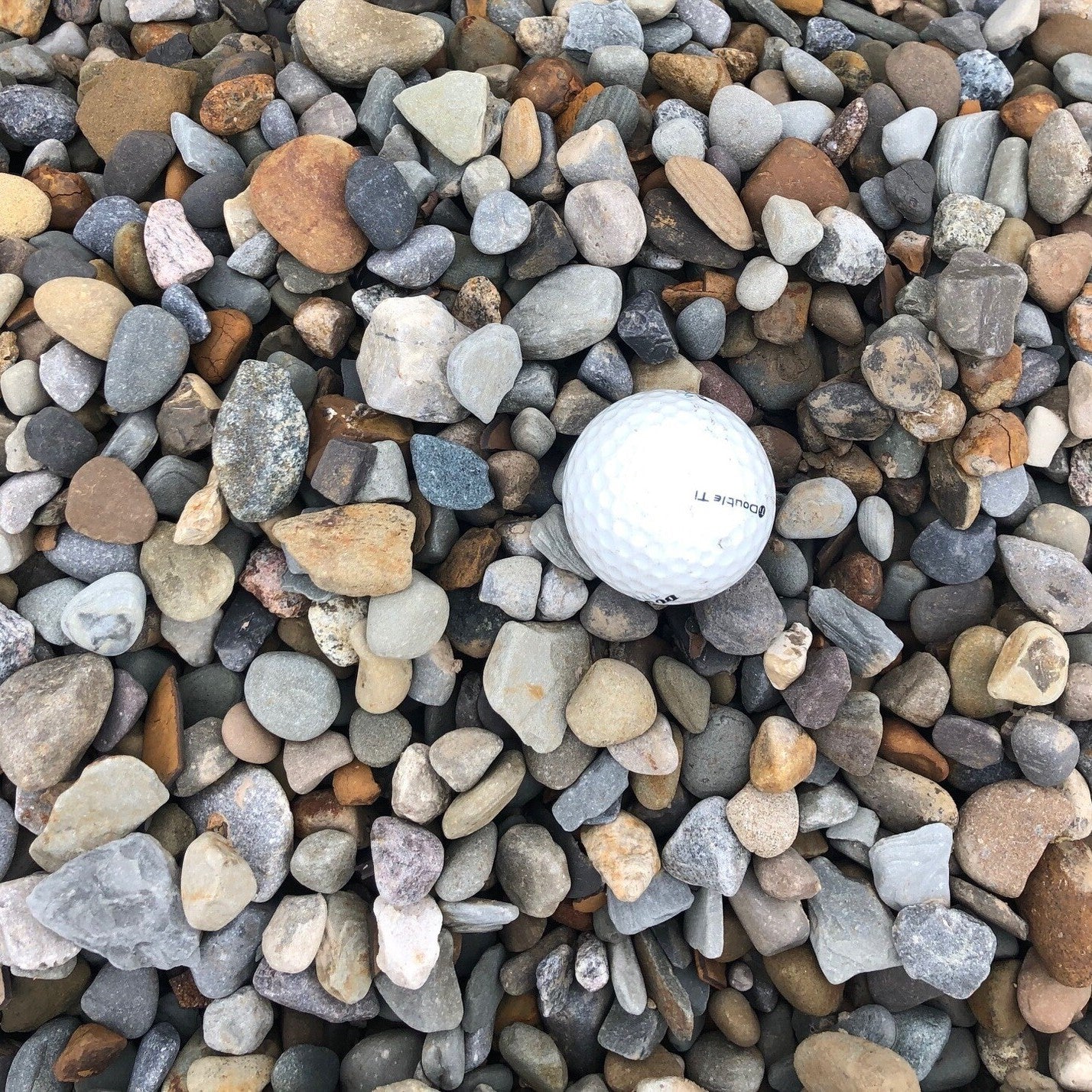
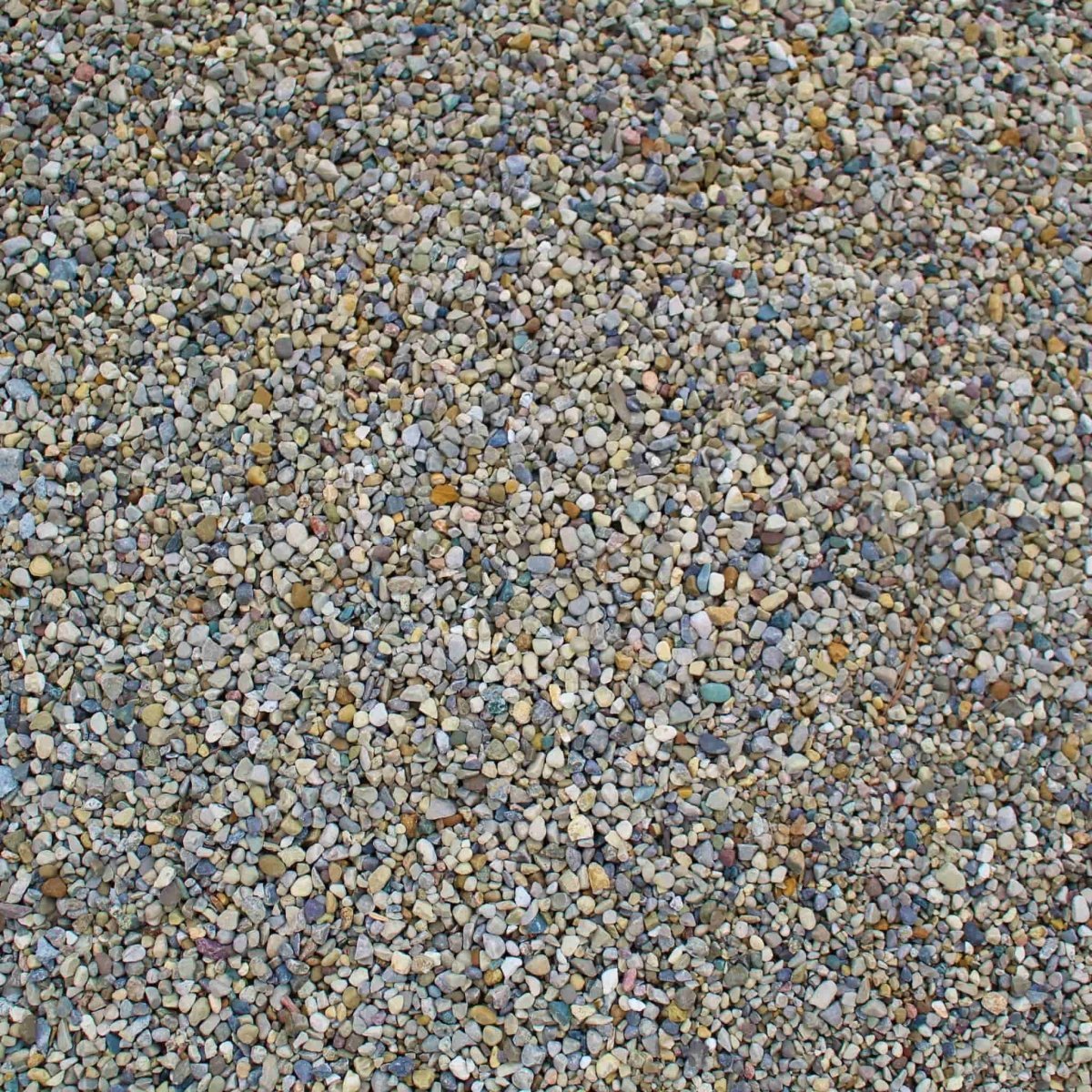
Number 57 crushed stone, angular limestone graded to about three quarters of an inch. The standard driveway, base and drainage gravel, it locks together under traffic and drains fast.
My experience with Mulch Mound was great and super easy. I ordered two yards of screened topsoil and was able to get it delivered within 2 days. They came in my requested time frame (afternoon) and dropped it off where I asked on my driveway. The topsoil was exactly what was a...
Tell us what you're looking for
Thanks! We received your request.
Something went wrong. Please try again.
How Much Material Do I Need?
For decorative stone beds in Paducah, a 2 to 3 inch depth over landscape fabric provides solid coverage and reliable weed suppression. For drainage trenches and French drains, which are common solutions for Paducah's silt loam drainage challenges, filling to 6 inches or more ensures the stone layer stays functional even after repeated heavy rainfall events throughout the spring and fall seasons.
Use our free gravel calculator
What is a yard?
A yard is approximately 27 cubic feet. As a general guideline, one yard of material can cover an area of about 100-160 square feet at a 2-3 inch depth.
We can't take orders for this right now. Tell us what you need and we'll get back to you.
What do you need?
Thanks! We received your request.
Something went wrong. Please try again.
Hand-picked local yards
4,000+ regional deliveries
Dedicated support
Why order through Mulch Mound
The best local stone, without the guesswork.
We hand-pick and partner with the best yards in your region, keep only the ones our buyers rate well, and back each load with our guarantee.
Mulch Mound Guarantee
If your stone isn't the quantity or quality you ordered, we'll make it right.
About this stone
Number 57 crushed stone, angular limestone graded to about three quarters of an inch. The standard driveway, base and drainage gravel, it locks together under traffic and drains fast.
My experience with Mulch Mound was great and super easy. I ordered two yards of screened topsoil and was able to get it delivered within 2 days. They came in my requested time frame (afternoon) and dropped it off where I asked on my driveway. The topsoil was exactly what was a...
How Much Material Do I Need?
For decorative stone beds in Paducah, a 2 to 3 inch depth over landscape fabric provides solid coverage and reliable weed suppression. For drainage trenches and French drains, which are common solutions for Paducah's silt loam drainage challenges, filling to 6 inches or more ensures the stone layer stays functional even after repeated heavy rainfall events throughout the spring and fall seasons.
Use our free gravel calculator
What is a yard?
A yard is approximately 27 cubic feet. As a general guideline, one yard of material can cover an area of about 100-160 square feet at a 2-3 inch depth.
My experience with Mulch Mound was great and super easy. I ordered two yards of screened topsoil and was able to get it delivered within 2 days. Th...
Read full review
My experience with Mulch Mound was great and super easy. I ordered two yards of screened topsoil and was able to get it delivered within 2 days. They came in my requested time frame (afternoon) and dropped it off where I asked on my driveway. The topsoil was exactly what was advertised, clean with no rocks or other debris. The price was reasonable. I plan to use them again in a couple weeks to order compost for my garden beds.
Really appreciate the care and follow thru that this company had with our order. A hiccup came up but they were quick to respond and address all co...
Read full review
Really appreciate the care and follow thru that this company had with our order. A hiccup came up but they were quick to respond and address all concerns, which made our garden day a success! Thank you for your prompt care.
To calculate stone coverage, measure your area in square feet, decide on your desired depth in inches, convert that depth to feet by dividing by 12, multiply length by width by depth, then divide by 27 to get cubic yards. In Paducah's wet climate, going slightly deeper on drainage applications, at least 5 to 6 inches rather than 3, pays off by maintaining flow capacity through heavy rain events without clogging from fine silt particles migrating up from the native soil below.
Stone Types We Deliver in Paducah
Mulch Mound delivers bulk stone by the cubic yard straight to your door, making it easy to get the volume your project actually needs without multiple hardware store runs. Homeowners and contractors searching for bulk gravel by the yard in Paducah will find a straightforward ordering process and reliable delivery. We bring material directly to your driveway or job site, ready to perform through western Kentucky's variable seasons and heavy clay soils.
Pea Gravel
Pea Gravel is a smooth, rounded stone in natural earth tones that works well for backyard pathways, patio borders, and decorative ground cover. Its shape is comfortable underfoot, and it drains reliably through the clay-rich soil common across this part of Kentucky, making it a practical and attractive choice for Paducah landscapes.
Complete Your Outdoor Stone Project
Pair your stone delivery with a topsoil order if you need to correct your grade before laying stone, which is a common sequence in Paducah yards where silt loam settles unevenly over time. A mulch border alongside stone pathways or beds also creates a clean visual transition and helps define separate landscape zones across your property while protecting planted areas from the same erosion the stone is solving nearby.
In Paducah neighborhoods where large hardwood trees drop significant amounts of leaf debris each fall, decorative stone beds require periodic blowing or raking to stay clean through October and November. Fine stone like pea gravel tends to collect debris more than larger river rock, so choosing a 1.5 to 2 inch stone size for areas under heavy tree canopy makes seasonal cleanup faster and keeps your stone installations looking intentional rather than neglected through the leaf-fall season.
Mulch Mound Pro Tip
Before laying any stone along your Paducah foundation, verify that your existing grade slopes away from the house at the correct pitch, because stone amplifies water movement and a grade that already directs water toward the foundation will perform worse with stone on top of it. The fix is straightforward, build up the grade with compacted topsoil before placing the stone, ensuring the final surface drains outward effectively during Paducah's frequent and sometimes intense rain events.
Mulch Mound Pro Tip
For Paducah homeowners using stone in fire pit areas, seating patios, or outdoor entertainment spaces, choosing a compacted crusher run or decomposed granite base beneath the decorative top layer gives you a stable, level surface that does not shift underfoot over time. Parts of Paducah's silt loam can experience minor heaving and settlement during the wet winter and early spring months, and a well-compacted 4-inch stone base absorbs that movement far better than decorative stone laid directly on native soil.
The Unique Landscape of Paducah
In Paducah, decorative and utility stone solves a specific set of problems that come directly from the area's climate and soil conditions. With nearly 49 inches of rainfall each year, bare soil areas, sloped landscapes, and foundation perimeters take a constant beating that organic materials cannot always withstand on their own. Stone does not wash away, break down, or need annual replenishment the way mulch does, making it a long-term solution for areas where maintenance needs to stay minimal. Paducah's silt loam soil is also prone to erosion along pathways and bed edges, and a layer of compacted gravel or decorative stone holds that fine soil in place even during the heavy spring storms that roll through the Ohio River valley. The area's hot, humid summers mean that low-maintenance landscapes with stone accents require far less watering and weeding than traditionally mulched or planted areas. From river rock borders along foundation plantings to crushed limestone paths through garden areas, stone is one of the hardest-working materials in a Paducah landscape.
Frequently Asked Questions
Click a question to see the answer
Answer
What type of stone works best for drainage problems in my Paducah yard?
Clean crushed limestone or river gravel in the 3/4-inch to 1.5-inch range is the standard choice for drainage applications in Paducah. These sizes allow water to move freely between the stones without fine particles clogging the voids, which is especially important in a city that can receive multiple inches of rain in a single storm event during the spring and early fall.
Answer
Will decorative stone get buried or swallowed by Paducah's silt loam soil over time?
Yes, without a proper barrier, Paducah's fine silt loam will gradually work its way up through a stone layer, which muddies the appearance and reduces drainage effectiveness over time. Installing a quality landscape fabric underneath decorative stone applications keeps the two materials separated and extends the life of your stone installation significantly, especially in areas that see a lot of rainfall.
Answer
How deep should I lay stone for a garden path in Paducah?
A 3 to 4 inch depth of compacted gravel or crushed stone gives you a stable, well-draining path surface that holds up well through Paducah's wet spring and fall seasons. Paths laid shallower than 3 inches tend to develop ruts and soft spots after heavy rain events, which are frequent enough in the Ohio River valley to make proper depth a practical investment rather than an optional upgrade.
Answer
Is river rock a good choice for the beds around my Paducah home's foundation?
River rock works well as a foundation border in Paducah because it directs rainwater away from the structure rather than holding moisture against the house the way some organic mulches can. Given the area's high annual rainfall, keeping the immediate foundation perimeter stone-covered and properly graded is a smart moisture management strategy that reduces the risk of water intrusion over time.
Answer
Can I use stone to control erosion on a sloped area of my Paducah yard?
Absolutely, riprap and larger decorative stones are highly effective for stabilizing slopes in Paducah where the silt loam soil is vulnerable to washing during heavy rain. For steeper slopes, larger stones in the 4 to 8 inch range anchor better than small gravel, while a French drain filled with crushed stone at the base of a slope can capture and redirect runoff before it causes damage downhill.
Answer
How does stone hold up during Paducah's hot summers compared to mulch?
Stone handles Paducah's summer heat better than organic mulch in terms of longevity since it does not decompose or lose volume, but it does absorb and radiate heat, which can raise soil temperatures in planted areas. For decorative areas without plants that is not an issue, but near shrubs or perennials in Paducah's already-hot July and August conditions, lighter-colored stones reflect more heat and are gentler on plant roots.
Answer
What is the best stone to use for a low-maintenance area near my Paducah driveway or parking pad?
Compacted crushed limestone is the most practical choice for utilitarian areas like driveway aprons and parking pads in Paducah. It packs into a firm, stable surface that sheds water well, resists rutting under vehicle weight, and requires little to no upkeep through the area's wet springs and summers. A 4 to 6 inch compacted depth is ideal for areas that will see regular vehicle traffic.