Skip to product information
1 of 5

Pittsburgh Soil Delivery

Pittsburgh Soil Delivery

Regular price $53.00 per yard
Regular price Sale price $53.00
Sale Sold out
Type

Soil needs vary. In Pittsburgh, measure your area and target depth to figure yardage. Patching takes less, bed prep takes more.
Use our free soil calculator

A yard is approximately 27 cubic feet. As a general guideline, one yard of material can cover an area of about 10 feet by 10 feet at a few inches deep.

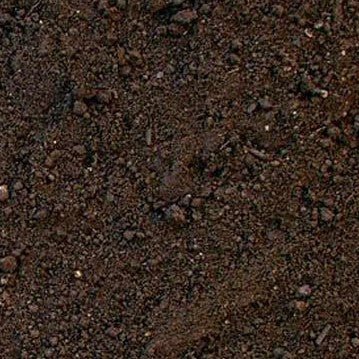
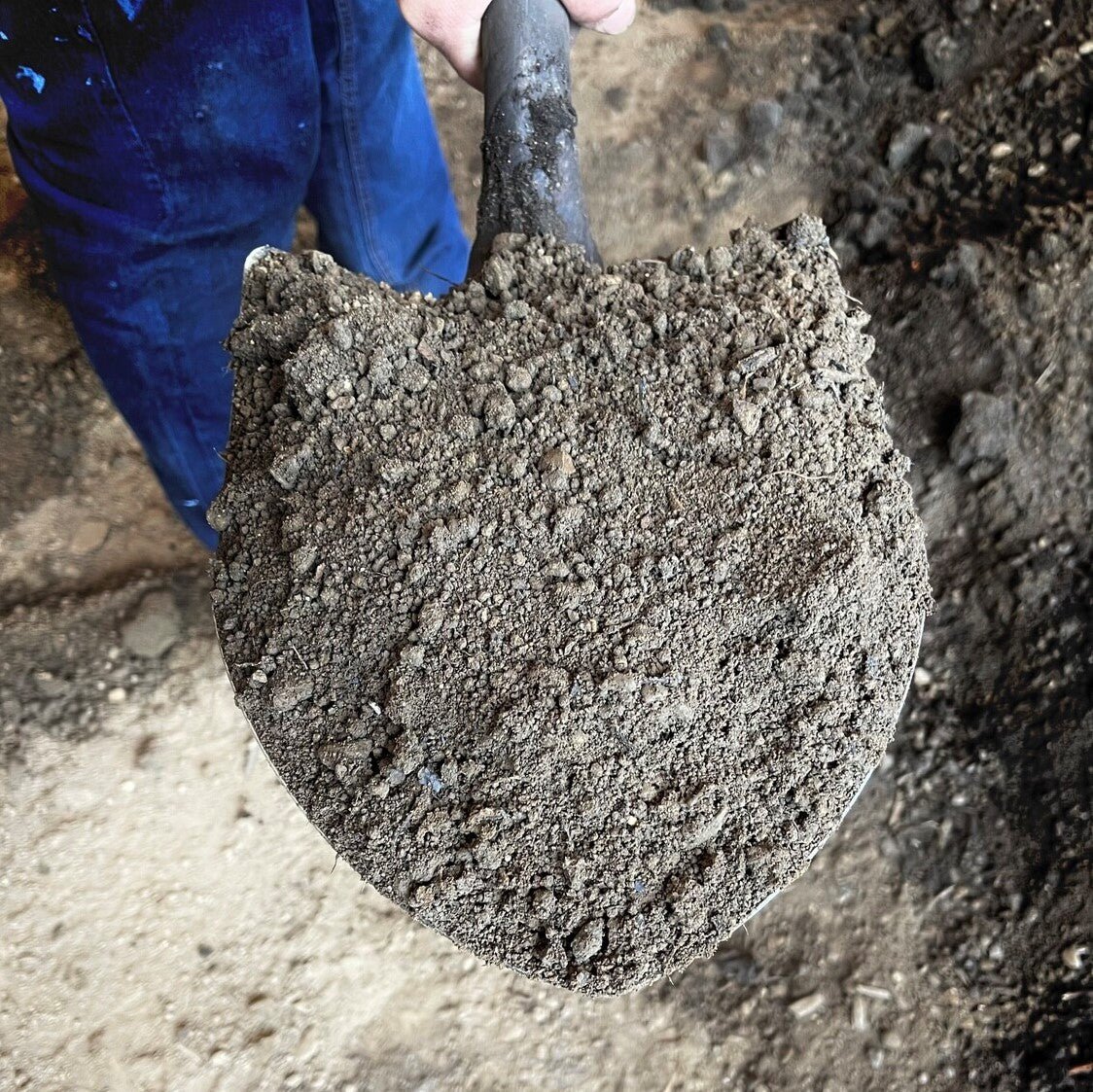
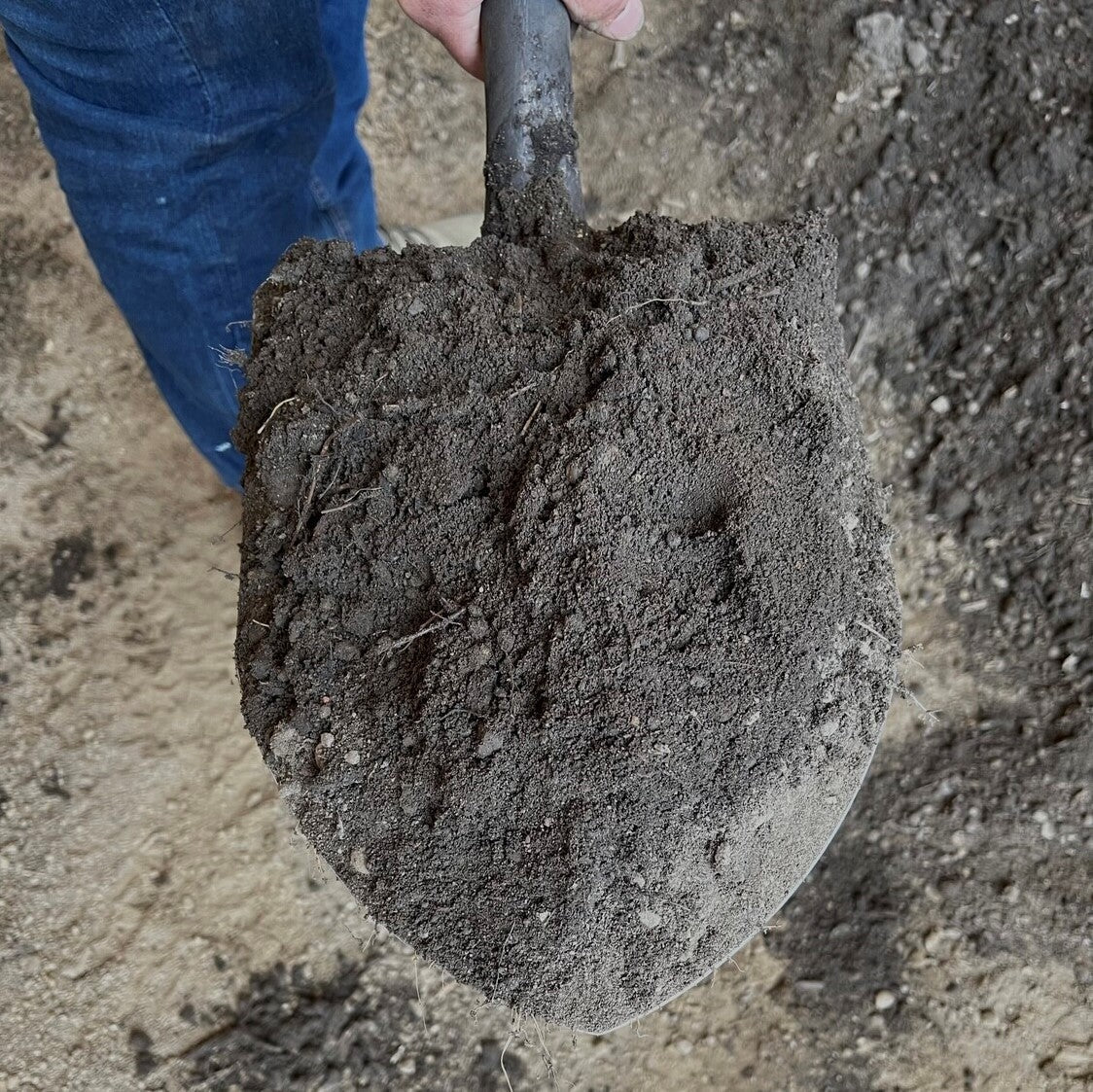
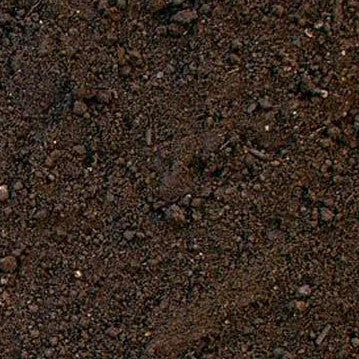
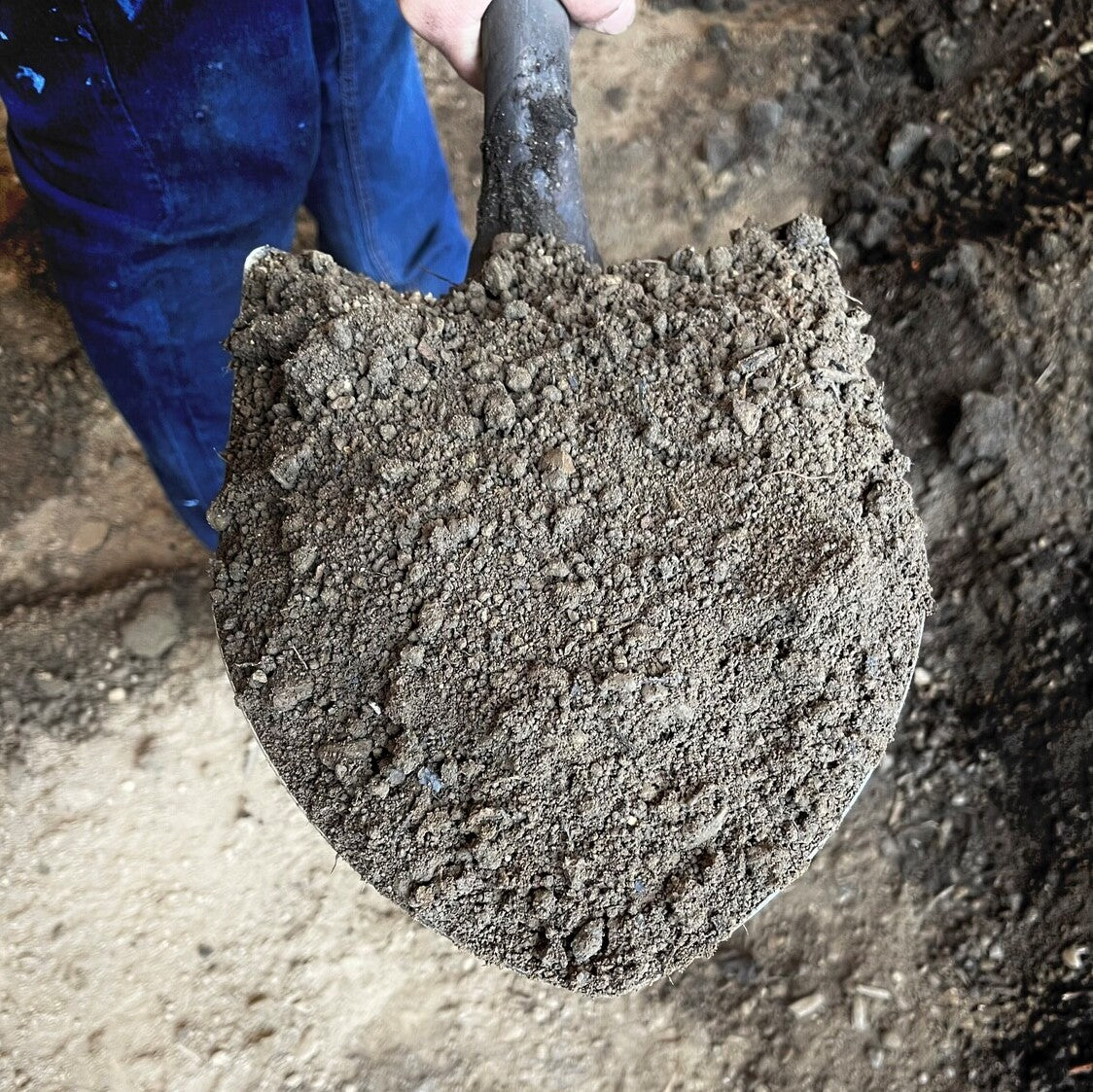
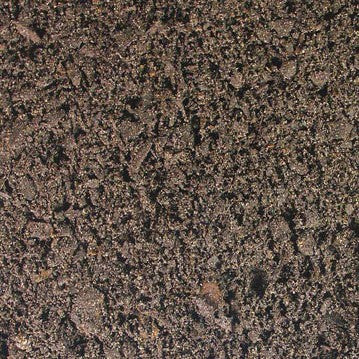
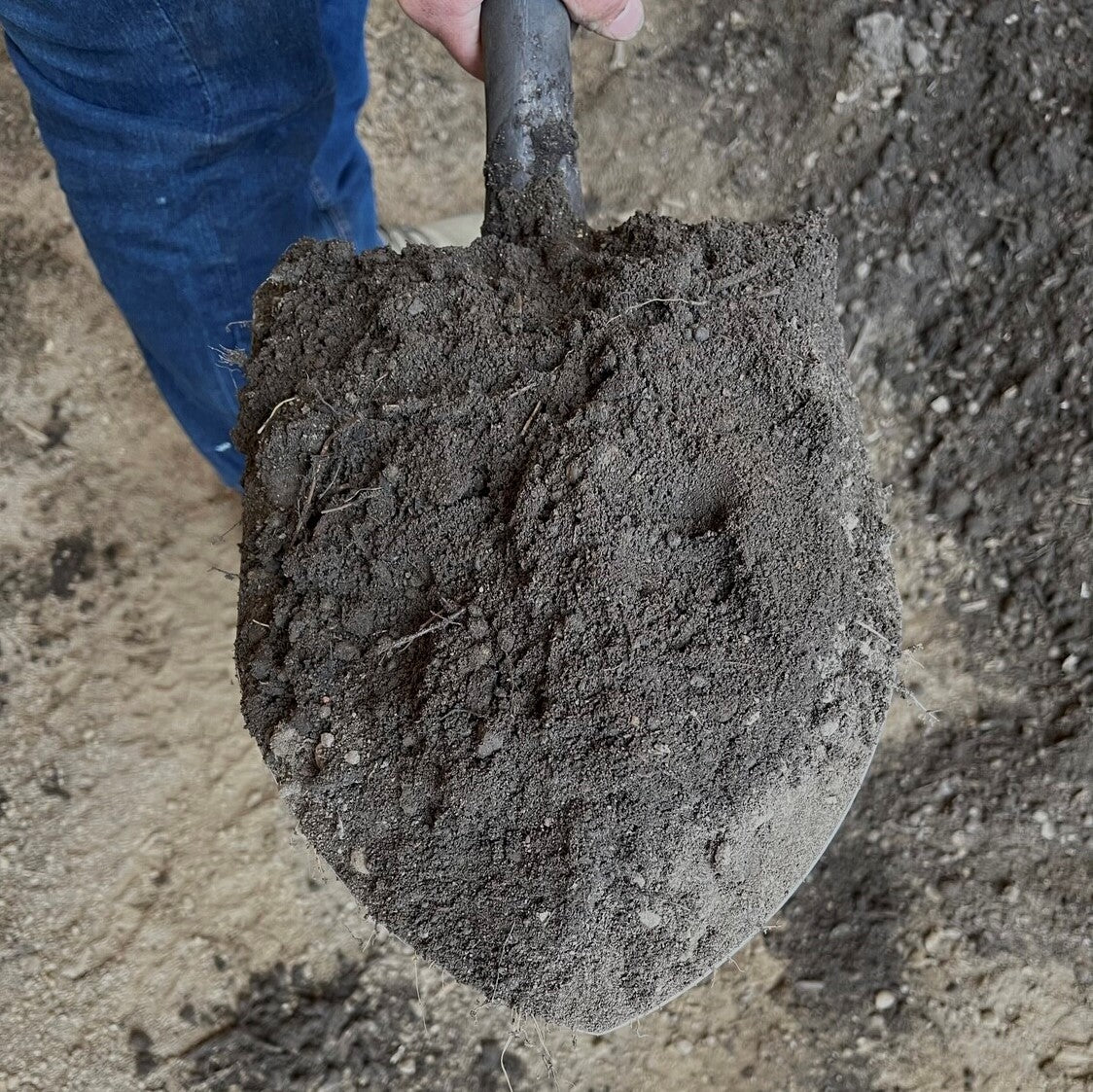
This screened topsoil delivers the clean, workable material Pittsburgh projects demand. No rocks, no roots, no guessing. Use it for lawn repair, bed prep, grading, or anywhere quality soil makes the difference. Good topsoil is the foundation Pittsburgh landscapes need. Proper structure supports root growth, drainage works correctly, and plants get the start they need to thrive long-term.

View full details

How It Works

Getting started is easy — just follow these simple steps

1

Choose your soil

Make sure you adjust the quantity to your home's needs. You can use our calculator to estimate how much you'll need.

2

Select your delivery date

Select a delivery date you'd like for the product to be dropped off at your home

3

Sit back and wait

Sit back, wait, and let us work our magic to make sure the highest quality product is delivered to your driveway.

What Pittsburgh Customers Like About Our Soil

4.9
out of 5 based on 99 reviews
Google Reviews

Need Help Calculating How Much Soil You Need?

Use our NEW Trace from Satellite tool to get an estimate for your project based on an aerial view of your property

Try Our Calculator
📍

Whether you're filling raised beds or leveling a Pittsburgh yard, our satellite tool helps estimate soil needs. Trace the area, choose your depth—shallow for top-dressing, deeper for new beds—and see the yardage before ordering.

Complete Your Outdoor Soil Project

Healthy Pittsburgh beds start with good soil. Layer mulch over it to suppress weeds and regulate temperature on clay loam ground. Stone frames the edges.

Frequently Asked Questions

Click a question to see the answer

Answer

How often should I add new soil?

Yearly for raised beds: add 1–2 inches of compost. In-ground areas with good mulching need less frequent attention.

Answer

What's the difference between compost and topsoil?

Different roles—topsoil gives bulk and structure, compost provides nutrients and organic matter. Combining them works best.

Answer

How do I improve drainage in heavy soil?

Add organic matter—compost, aged manure, garden mix. In Pittsburgh's clay loam, you're working against hillside clay and shale. Raised beds work if amendments don't.

Answer

Do I need landscape fabric under soil?

Fabric isn't ideal under growing areas. Cardboard smothers grass better and biodegrades. Use fabric under gravel, not gardens.

Answer

What soil is best for raised beds?

Get a raised bed blend with topsoil, compost, and perlite or similar. Pittsburgh's native clay loam doesn't perform as well in frames.

Answer

Should I mix new soil with existing?

Yes—blend the top 4–6 inches where they meet. Sharp transitions create drainage problems. Integration prevents soggy layers.

Answer

Do I need to be home?

Not at all. Specify placement at checkout, pick AM or PM, add any relevant notes. Works great even if you're away.

Mulch Mound Pro Tip

Do not mix topsoil and mulch together thinking it creates better planting mix for beds. It does not work that way. Mulch belongs on top of soil as a surface layer, not mixed in.

Mulch Mound Pro Tip

Tamp soil lightly after spreading in areas that will receive foot traffic or heavy use. Use a hand tamper or lawn roller filled halfway with water, but avoid over-compacting which prevents healthy root growth.

Mulch Mound Pro Tip

In Pittsburgh's humid continental climate, topsoil dries faster on slopes and south-facing beds than level or shaded areas. Plan irrigation and mulching accordingly for new plantings in these challenging areas.

The Unique Landscape of Pittsburgh

For Pittsburgh gardens and lawn repairs, good soil makes grading and planting feel a lot easier. Around Pittsburgh, If your yard has spots that stay soggy or bake dry, better soil structure can help. Helpful for vegetable beds, new borders, and rebuilding spots that eroded or settled. Mix lightly into the top few inches where you can, then level and water to set it. With delivery, you can focus on grading and planting instead of hauling bags.
