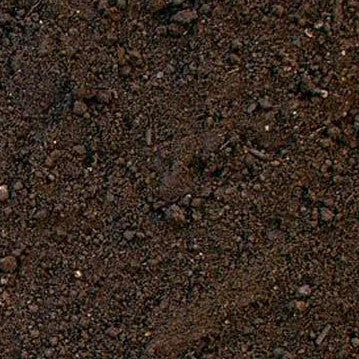
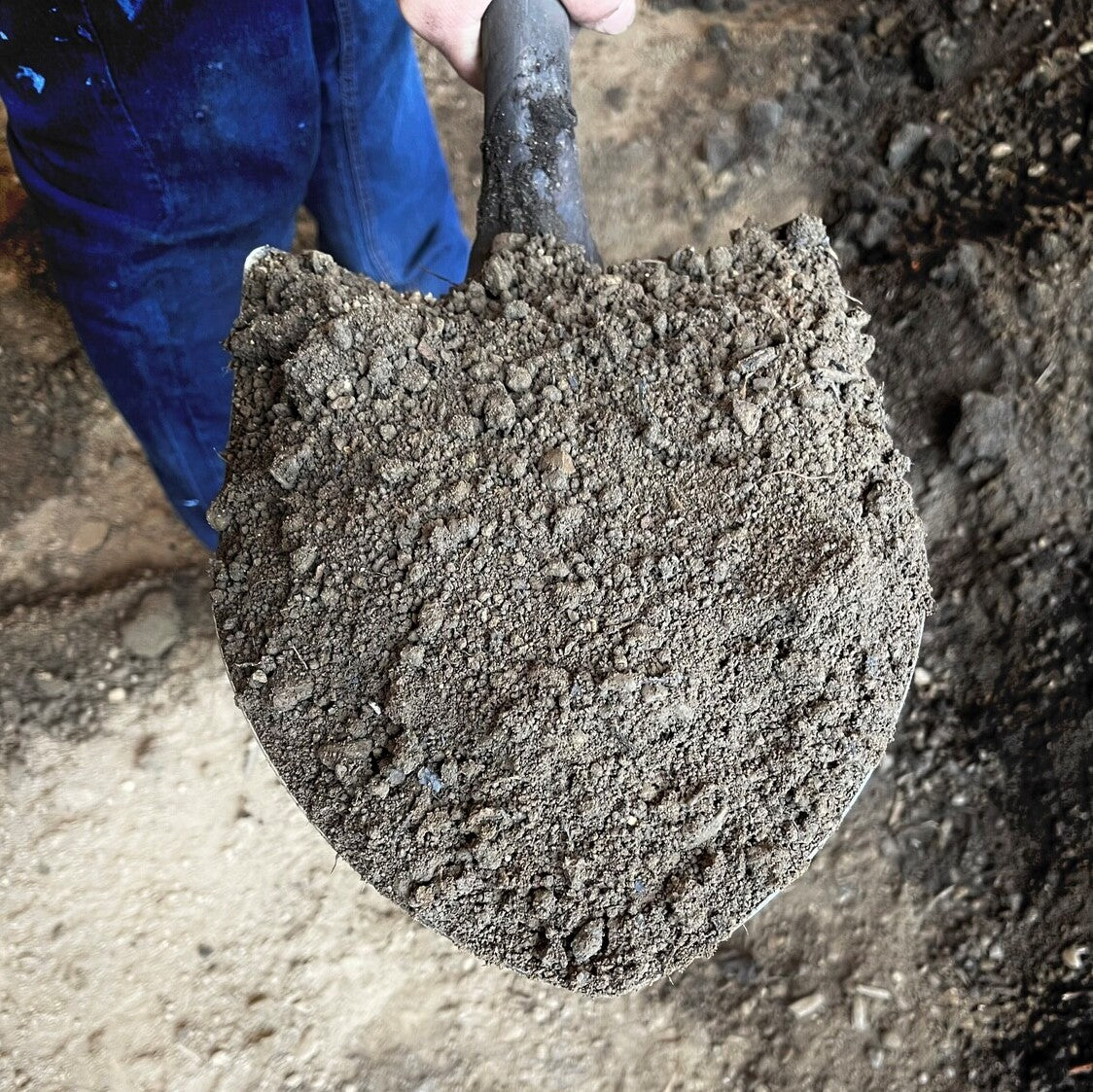
Quality topsoil for lawns, gardens, and landscape projects. Nutrient rich and ready to support strong root development and healthy plant establishment.
Ordered the planting mix with an early Saturday delivery. Super easy ordering experience. Dirt was delivered on time and delivery driver was kind enough to let us know I would take up more room than we though so we could pull cars out of the garage. Will be ordering again
Tell us what you're looking for
Thanks! We received your request.
Something went wrong. Please try again.
How Much Material Do I Need?
For raised beds and new planting areas in Port Royal, plan to add at least 4 to 6 inches of quality topsoil to give roots a nutrient-rich zone above the fast-draining native sandy loam below. Lawn leveling and topdressing applications typically call for only a half inch to one inch of fine screened topsoil spread evenly across the low areas being corrected.
Use our free soil calculator
What is a yard?
A yard is approximately 27 cubic feet. As a general guideline, one yard of material can cover an area of about 100-160 square feet at a 2-3 inch depth.
We can't take orders for this right now. Tell us what you need and we'll get back to you.
What do you need?
Thanks! We received your request.
Something went wrong. Please try again.
Hand-picked local yards
4,000+ regional deliveries
Dedicated support
Why order through Mulch Mound
The best local soil, without the guesswork.
We hand-pick and partner with the best yards in your region, keep only the ones our buyers rate well, and back each load with our guarantee.
Mulch Mound Guarantee
If your soil isn't the quantity or quality you ordered, we'll make it right.
About this soil
Quality topsoil for lawns, gardens, and landscape projects. Nutrient rich and ready to support strong root development and healthy plant establishment.
Ordered the planting mix with an early Saturday delivery. Super easy ordering experience. Dirt was delivered on time and delivery driver was kind enough to let us know I would take up more room than we though so we could pull cars out of the garage. Will be ordering again
How Much Material Do I Need?
For raised beds and new planting areas in Port Royal, plan to add at least 4 to 6 inches of quality topsoil to give roots a nutrient-rich zone above the fast-draining native sandy loam below. Lawn leveling and topdressing applications typically call for only a half inch to one inch of fine screened topsoil spread evenly across the low areas being corrected.
Use our free soil calculator
What is a yard?
A yard is approximately 27 cubic feet. As a general guideline, one yard of material can cover an area of about 100-160 square feet at a 2-3 inch depth.
Ordered the planting mix with an early Saturday delivery. Super easy ordering experience. Dirt was delivered on time and delivery driver was kind e...
Read full review
Ordered the planting mix with an early Saturday delivery. Super easy ordering experience. Dirt was delivered on time and delivery driver was kind enough to let us know I would take up more room than we though so we could pull cars out of the garage. Will be ordering again
To estimate bulk soil for a Port Royal project, measure the length, width, and desired depth in feet, multiply all three together, and divide by 27 to convert cubic feet to cubic yards. For lawn leveling in Port Royal's uneven coastal terrain, walk the yard after a heavy rain and mark every low spot before measuring, since standing water reveals exactly where fill volume is needed. Add about 10 percent to your final estimate to account for settling, which tends to happen more quickly in sandy loam environments after the first few rain events.
Soil Types We Deliver in Port Royal
Port Royal's coastal landscape brings sandy, low-nutrient soils that can make growing a challenge without the right foundation. We deliver bulk topsoil by the yard in Port Royal so homeowners and landscapers can build healthy planting beds, level yards, and establish lawns with confidence. Orders arrive by the cubic yard, dropped right where you need it.
Screened Top Soil
Our screened top soil is sifted to remove debris, rocks, and clumps, giving you a clean, workable base that blends easily into Port Royal's sandy native ground. It is nutrient rich and well suited for lawn repairs, raised garden beds, and new landscape installs where strong root development and healthy plant establishment matter most.
Complete Your Outdoor Soil Project
After establishing your soil base, adding a 2 to 3 inch layer of mulch on top protects Port Royal's fast-draining beds from moisture loss and keeps your new soil layer in place during heavy summer downpours. Consider finishing raised bed borders and pathway edges with decorative stone, which holds up beautifully in the Lowcountry's humid climate and prevents fresh topsoil from washing out after the heavy rains the area regularly sees between June and September.
My Port Royal yard has low spots that flood after every heavy rain. Can bulk topsoil help fix that?
Bulk topsoil can absolutely address minor grading and low-spot problems in Port Royal yards. Because the area sits at only 23 feet above sea level and receives 49 inches of rain annually, low spots fill fast and can drown turf grass roots within hours of a downpour. Adding and lightly compacting quality fill soil to raise those areas just 2 to 4 inches above the surrounding grade often resolves the issue, though areas with persistent tidal or subsurface drainage influence may also benefit from a French drain system alongside the grading work.
Answer
What kind of soil should I use for raised vegetable beds in Port Royal?
For raised vegetable beds in Port Royal, a well-amended blend that balances drainage with moisture retention is the right approach. Zone 9a's growing season stretches from late March through October, and during that stretch soil temperatures can stay above 80 degrees for months at a time. A screened topsoil mixed with quality compost gives vegetable roots the nutrients and moisture buffer they need without turning waterlogged during the Lowcountry's heavy summer rain events.
Answer
Is Port Royal's native sandy loam good enough to sod or seed over, or do I need topsoil first?
Port Royal's sandy loam is workable for warm-season turf grasses like St. Augustine and Centipede that are well-adapted to the region, but a thin topdressing of quality topsoil before sodding or seeding makes a meaningful difference. The added organic matter helps new turf root deeply and hold fertilizer longer than raw sandy loam alone, which matters greatly in a 49-inch annual rainfall environment where nutrients leach through sandy soil quickly after every rain event.
Answer
How deep does a topsoil layer need to be for a new ornamental planting bed in Port Royal?
For standard ornamental planting beds in Port Royal, a 4 to 6 inch layer of fresh topsoil worked into the existing sandy loam provides adequate root depth for most shrubs, ornamental grasses, and perennials that thrive in Zone 9a. For vegetable gardens or raised beds, aim for at least 8 to 12 inches of quality soil to support deeper-rooting crops like tomatoes, peppers, and squash through the long Lowcountry growing season.
Answer
Can I use bulk topsoil to level my lawn in the fall before overseeding?
Yes, and late October is an ideal window to topdress and level Port Royal lawns before the November 1 first frost begins to slow growth. A thin, even layer of screened topsoil, typically no more than a half inch to one inch, fills low spots and gives overseeded grass a clean germination surface. Avoid applying more than one inch at a time on established turf, as burying existing grass before new seed has knitted in can cause patchy, uneven results heading into winter.
Answer
Will adding bulk soil actually improve drainage in a Port Royal yard, or just make it worse?
It depends on how the soil is used. Port Royal's native sandy loam actually drains fairly well on its own, so many drainage problems are rooted in grade and low elevation rather than soil texture. Adding topsoil to raise low areas and redirect surface water flow is often more effective than amending soil texture alone. For compacted beds that stay wet, working in quality topsoil with added compost restores pore space and improves drainage, but simply piling fine-textured soil over sandy loam without grading to match can create a perched water table.
Answer
How soon after a bulk soil delivery can I plant in Port Royal?
In Port Royal's warm climate, you can typically plant within one to two days of delivery after the soil has settled and you have completed final grading. Avoid planting immediately after a heavy rain when new soil is fully saturated, since working and walking on wet sandy soil in Zone 9a's warm conditions increases compaction and can damage soil structure. If planting in spring, aim to have your soil delivered and placed at least a week before your target planting date so it has time to firm up and equilibrate with the local environment.
Mulch Mound Pro Tip
Port Royal's growing season runs from late March through October, giving you a generous window for soil work, but the smartest timing is late February to early March, just before the last frost date of March 28. Getting beds prepped and topsoil delivered during that window means you can plant warm-season vegetables and annuals the moment temperatures are safe, without losing valuable growing weeks to last-minute delivery and soil settling time. Early prep also lets winter rains help work the new soil into the sandy loam base naturally.
Mulch Mound Pro Tip
When topdressing an established Port Royal lawn, always use a finely screened topsoil rather than a coarse or chunky blend. Fine-textured soil integrates smoothly with sandy loam's loose, granular structure and does not create humps or air pockets beneath the turf surface. Coarse blends can actually create drainage problems at the interface between new and existing soil layers, trapping water in a perched zone that suffocates grass roots during Port Royal's rainy and humid summer months.
Mulch Mound Pro Tip
Port Royal homeowners building new raised beds can save meaningfully on material costs by filling in two stages. Start with a layer of economical bulk fill soil for the bottom half of the bed, then cap it with your richest amended topsoil blend for the upper growing zone where roots will feed most actively. This two-layer approach cuts costs without sacrificing plant performance and works especially well in Zone 9a with deep-rooting warm-season crops like sweet potatoes, eggplant, and peppers that thrive in Port Royal's long summers.
The Unique Landscape of Port Royal
Port Royal's native sandy loam is well-drained but holds nutrients and moisture poorly, which creates real challenges for homeowners trying to establish healthy lawns, garden beds, or raised planters from scratch. When you bring in quality bulk topsoil, you are compensating for what the natural soil profile lacks, adding the organic matter and structure that sandy loam cannot provide on its own. Grading projects in Port Royal also require reliable fill material, since the area sits at just 23 feet above sea level and low spots collect standing water after heavy rains, creating soggy, anaerobic conditions that kill turf and drown plant roots. Raised bed gardening has grown popular in Port Royal partly because it sidesteps the sandy loam limitation entirely, letting gardeners grow vegetables and herbs in a controlled soil environment rather than fighting the native profile all season long. Whether you are topping off an existing lawn, building a new planting bed, or leveling a yard that has settled unevenly over time, quality bulk soil is the foundation that makes every other landscaping effort in Port Royal actually work.