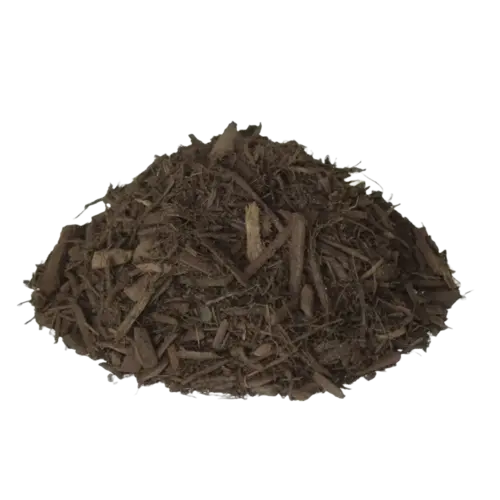
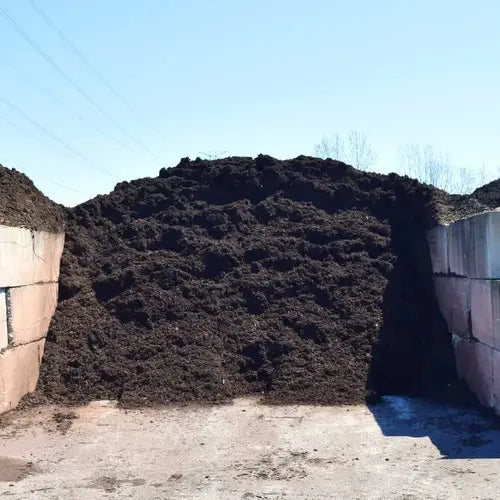
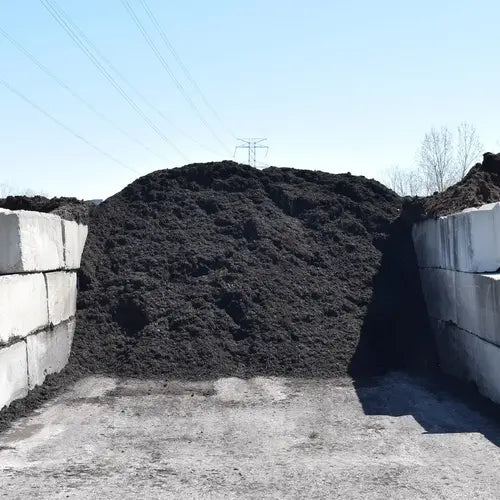
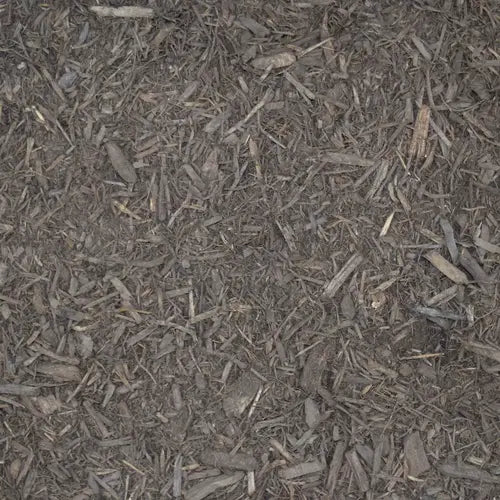
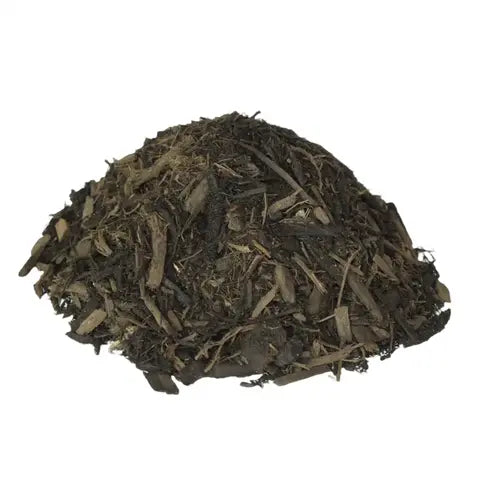
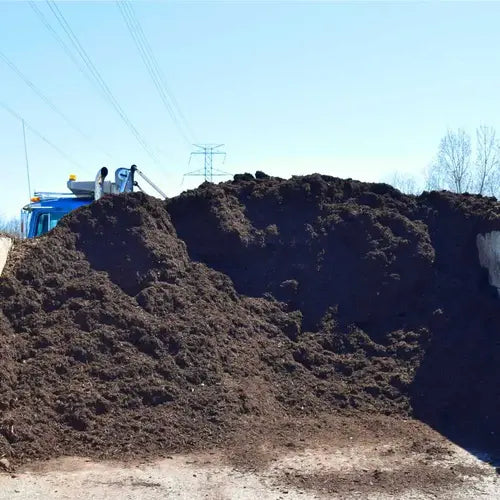
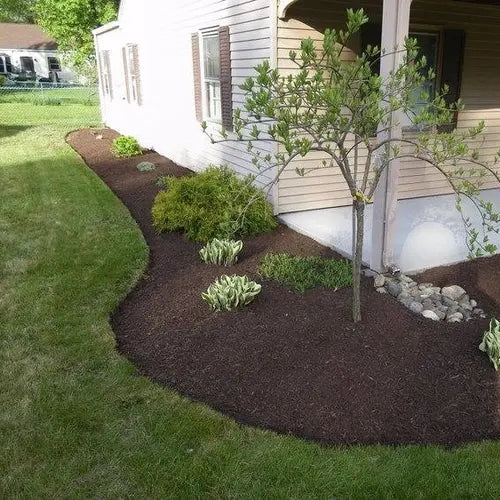
Warm brown double shredded mulch with lasting color that looks freshly applied for weeks. Spreads smooth, stays put, and gives beds a natural, polished appearance.
I recently ordered from mulch mound and was thoroughly impressed with every aspect of the experience. The entire process, from placing the order to delivery was seamless and efficient. The mulch arrived exactly on time, and the quality exceeded my expectations. The color was r...
Tell us what you're looking for
Thanks! We received your request.
Something went wrong. Please try again.
How Much Material Do I Need?
For Provo's silty loam soil, plan on at least 3 inches of mulch for flower beds and 4 inches around trees and shrubs where weed pressure and moisture loss are greatest. That depth is enough to insulate roots through the temperature swings Provo sees between its hot summer days and its cool nights.
Use our free mulch calculator
What is a yard?
A yard is approximately 27 cubic feet. As a general guideline, one yard of material can cover an area of about 100-160 square feet at a 2-3 inch depth.
We can't take orders for this right now. Tell us what you need and we'll get back to you.
What do you need?
Thanks! We received your request.
Something went wrong. Please try again.
Hand-picked local yards
4,000+ regional deliveries
Dedicated support
Why order through Mulch Mound
The best local mulch, without the guesswork.
We hand-pick and partner with the best yards in your region, keep only the ones our buyers rate well, and back each load with our guarantee.
Mulch Mound Guarantee
If your mulch isn't the quantity or quality you ordered, we'll make it right.
About this mulch
Warm brown double shredded mulch with lasting color that looks freshly applied for weeks. Spreads smooth, stays put, and gives beds a natural, polished appearance.
I recently ordered from mulch mound and was thoroughly impressed with every aspect of the experience. The entire process, from placing the order to delivery was seamless and efficient. The mulch arrived exactly on time, and the quality exceeded my expectations. The color was r...
How Much Material Do I Need?
For Provo's silty loam soil, plan on at least 3 inches of mulch for flower beds and 4 inches around trees and shrubs where weed pressure and moisture loss are greatest. That depth is enough to insulate roots through the temperature swings Provo sees between its hot summer days and its cool nights.
Use our free mulch calculator
What is a yard?
A yard is approximately 27 cubic feet. As a general guideline, one yard of material can cover an area of about 100-160 square feet at a 2-3 inch depth.
I recently ordered from mulch mound and was thoroughly impressed with every aspect of the experience. The entire process, from placing the order to...
Read full review
I recently ordered from mulch mound and was thoroughly impressed with every aspect of the experience. The entire process, from placing the order to delivery was seamless and efficient. The mulch arrived exactly on time, and the quality exceeded my expectations. The color was rich and consistent, and I received more than enough to complete my project with proper coverage and packing.
Customer service was equally outstanding. Communication was clear, and the team was responsive and professional throughout. It’s rare to find a company that delivers both a high-quality product and excellent service, but mulch mound did just that.
Highly recommended, and I wouldn’t hesitate to order from them again.
I couldn't be happier with the speed and quality of the mulch delivery service of Mulch Mound. Every detail from ordering, to communication with on...
Read full review
I couldn't be happier with the speed and quality of the mulch delivery service of Mulch Mound. Every detail from ordering, to communication with on time delivery, to perfect product placement was amazing. I needed more and I got it within 2 hours! I'm never doing this with bags again.
We had a great experience today. This was our first time using Mulch Mound, and I found the price competitive and the online ordering very easy. ...
Read full review
We had a great experience today. This was our first time using Mulch Mound, and I found the price competitive and the online ordering very easy. We are impressed with the quality of the mulch, too! It is covering well - a great value!
Measure the length and width of each bed in feet and multiply to get square footage, then multiply by your desired depth in inches and divide by 324 to get cubic yards. Provo beds with silty loam soil benefit from a full 3-inch layer because that soil type compacts and crusts when exposed, requiring more coverage than looser soils. Ordering a small buffer of about 10 percent above your calculated total is wise since uneven ground in Provo yards almost always uses more material than a flat estimate suggests.
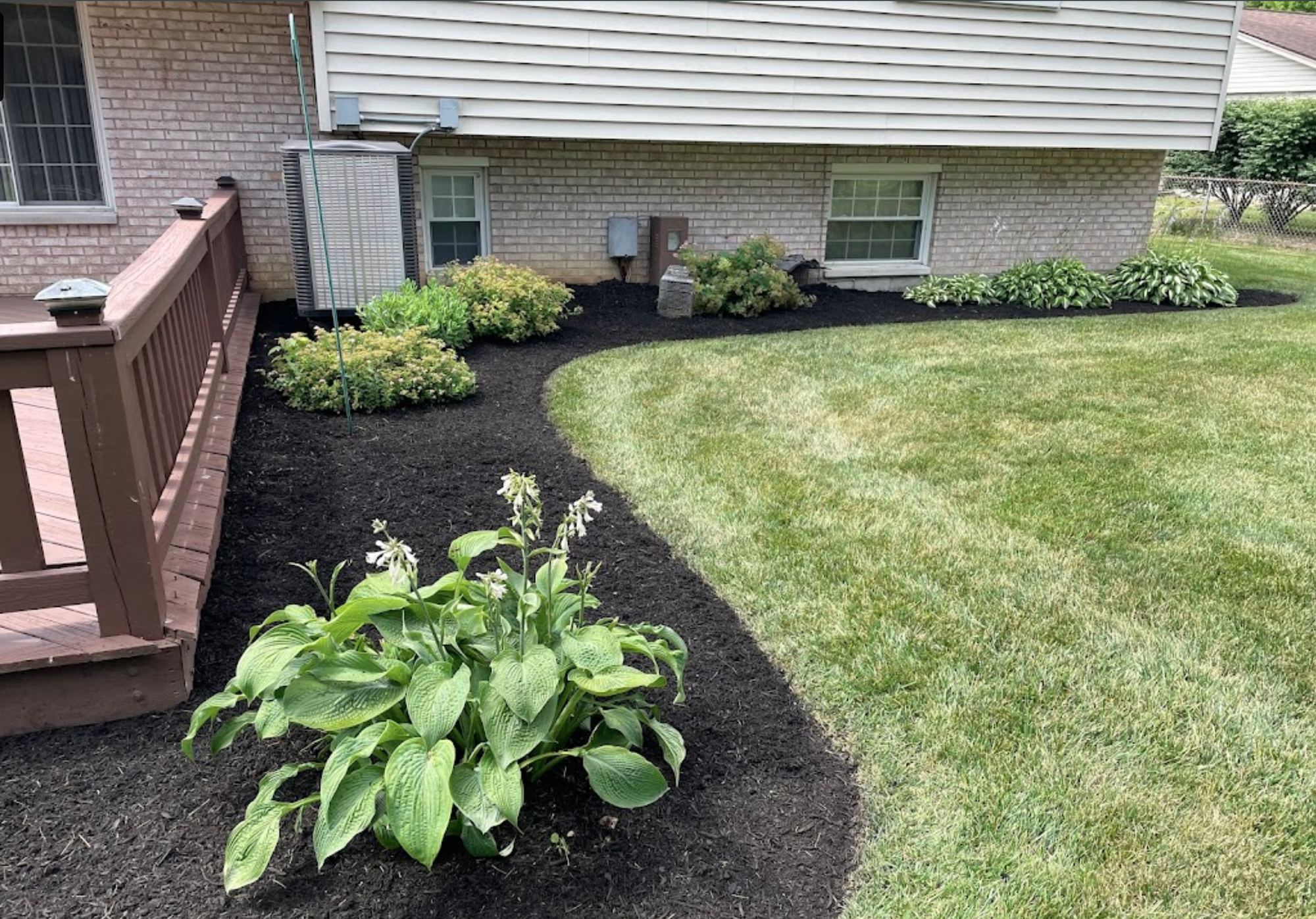
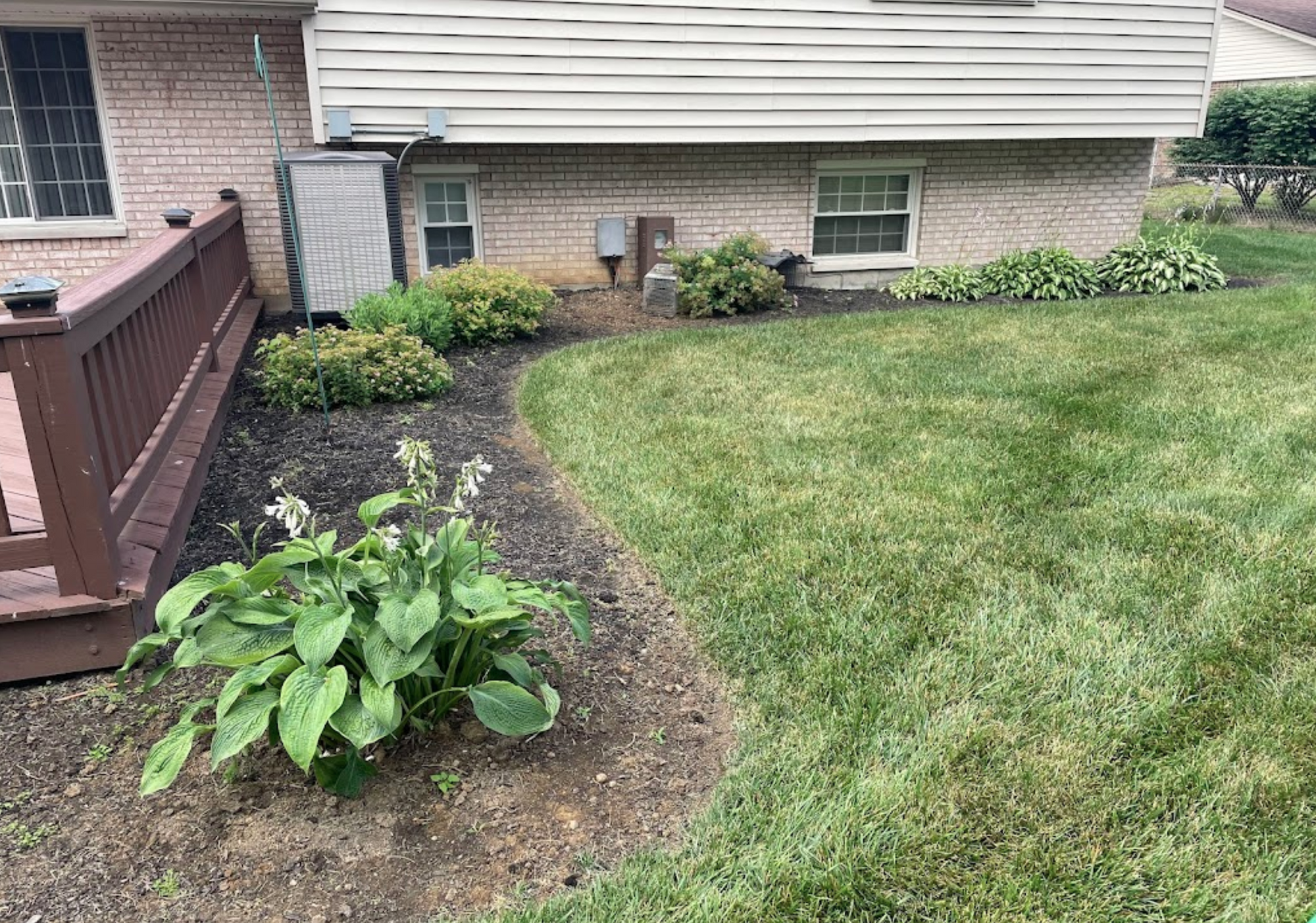
Mulch vs. No Mulch: The Difference
Provo's intense high-elevation sun accelerates color fading in natural wood mulches, often turning them gray within a single season. Dyed mulches hold their appearance longer and are a popular choice for front-yard beds that face south or west where UV exposure is strongest. Both types function equally well for moisture retention and weed suppression in Provo's dry climate, so the right choice depends on how much you prioritize year-round curb appeal versus long-term organic soil-building.
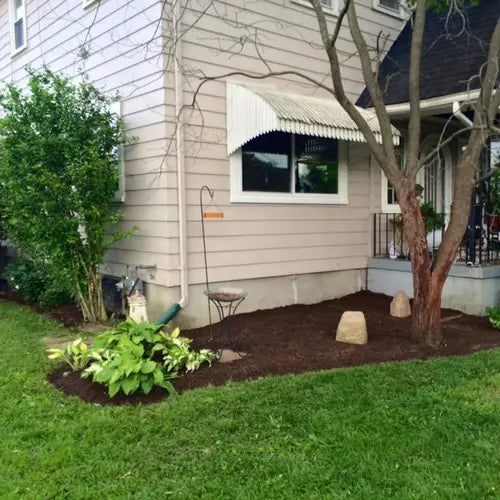
Before
After
Best Mulch Choice for Provo Lawns
Most yards in the Provo area sit on Silty Loam type of soil. Provo's silty loam soil is prone to crusting and compaction when left bare, creating a barrier that makes it harder for water and air to reach plant roots. Keeping plant beds covered with mulch is one of the most effective ways to prevent that surface hardening and keep your beds productive through the growing season.
Hardwood Mulch
Hardwood mulch is particularly well-matched to Provo's silty loam because as it breaks down slowly it adds lignin-rich organic matter that helps bind fine soil particles into more stable aggregates. That improved structure creates better drainage channels in the root zone, which is critical for plants trying to establish during Provo's brief and sometimes erratic spring rains.
Mulch Types We Deliver in Provo
Whether you are refreshing a backyard or tackling a larger landscape project, bulk mulch delivery in Provo makes it easy to get exactly what you need by the cubic yard. Utah's dry climate and alkaline soils make a generous layer of mulch especially valuable for locking in moisture and protecting plant roots through the seasons.
Dyed Black Mulch
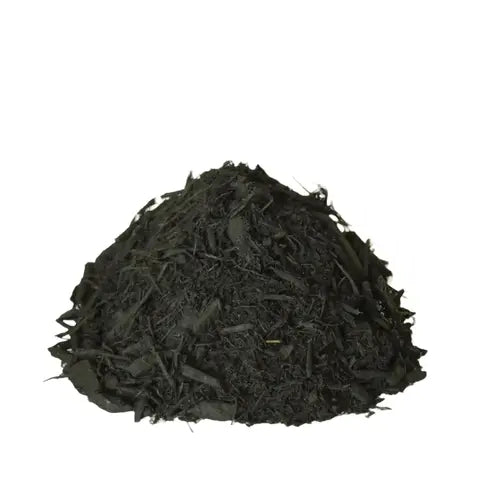
A top pick for homeowners who want high-contrast curb appeal, Dyed Black Mulch is available in double shredded and triple shredded styles. The bold color holds well under Provo's intense summer sun, and the fine texture spreads evenly through ornamental beds, rock-bordered planters, and foundation plantings common in this part of Utah.
Dyed Brown Mulch
Dyed Brown Mulch in a double shredded cut brings a warm, polished finish to Utah landscapes. The earthy tone blends naturally with the sandy and clay-heavy soils common in the area, and the lasting color stays fresh-looking through the heat and low humidity that define a typical Provo summer.
Natural Brown Mulch
Natural Brown Mulch is available in single shredded and double shredded cuts, letting you match texture to the job at hand. The undyed wood color suits homeowners who prefer a relaxed, organic look and works well in vegetable gardens and tree rings where blending with Utah's natural high-desert palette matters.
Complete Your Outdoor Mulch Project
If your beds need a nutrient boost before mulching, consider pairing your mulch order with a bulk topsoil delivery to amend Provo's native silty loam. Decorative stone is also a great complement for border edging or pathway areas where mulch would scatter in Provo's occasional strong canyon winds.
Provo's growing season runs from about May 1 through late September, giving you roughly five months of active plant growth. Apply your mulch right after your last frost date at the end of April so the soil has already begun warming underneath. Putting down mulch on still-cold soil in early spring can actually delay root activation, which costs you precious weeks in a growing season that is already shorter than average for the Wasatch Front.
Mulch Mound Pro Tip
Silty loam soil in Provo has a tendency to form a hard surface crust after watering or rain. Before laying mulch, loosen the top inch of soil in your beds with a hand cultivator so the first few waterings can penetrate rather than run off. This one step dramatically improves how well moisture moves from your mulch layer down into the root zone where your plants actually need it.
Mulch Mound Pro Tip
With only 18 inches of rainfall per year spread unevenly across Provo's seasons, winter and spring moisture is your most reliable natural irrigation. Mulching your beds in late October before the ground freezes helps trap early winter soil moisture and keeps it available for roots as the soil thaws in March and April. Skipping fall mulch means that moisture evaporates through bare soil during the dry, windy winters common to the Provo valley.
Frequently Asked Questions
Click a question to see the answer
Answer
How much mulch do I need to keep weeds down in Provo's silty loam soil?
In Provo's silty loam, weeds germinate easily because the fine-textured soil stays loose near the surface. A 3-inch layer is the minimum for effective suppression, and going to 4 inches on beds that get full afternoon sun will help even more since that south-facing exposure dries mulch faster at elevation.
Answer
Will mulch help my plants survive Provo's late frosts near the end of April?
Yes, mulch is one of your best tools for extending the shoulder seasons. With Provo's last frost date around April 30, a 3 to 4 inch layer over perennial root zones can buffer soil temperatures by several degrees, helping roots survive a late cold snap that might otherwise damage new growth.
Answer
Does mulch break down faster at Provo's elevation?
Provo's 4,549-foot elevation brings stronger UV radiation, which does accelerate the surface breakdown of wood fibers and can fade natural mulch color faster than at lower elevations. However, the relatively low humidity and only 18 inches of annual rainfall actually slow the microbial decomposition process compared to wetter climates, so your mulch layer stays structurally intact for a good season.
Answer
Should I pull mulch away from my tree trunks and shrub stems in Provo?
Absolutely. This is especially important in Provo where silty loam soil can hold moisture against bark during the brief but intense summer monsoon storms. Keeping mulch 2 to 3 inches away from trunks and stems prevents crown rot and discourages rodents that look for winter cover close to the base of plants.
Answer
What is the difference between dyed mulch and natural mulch for a Provo yard?
Natural mulch will break down faster and contribute organic matter to Provo's silty loam, which benefits soil structure over time. Dyed mulch holds its color longer, which matters in Provo because the intense UV at elevation fades natural wood tones quickly. Both suppress weeds and retain moisture equally well, so it comes down to whether aesthetics or soil-building is your priority.
Answer
How often should I refresh mulch in my Provo beds?
Most Provo homeowners find that refreshing mulch once a year in early May, just after the last frost passes, keeps beds looking good and functioning well. Because Provo gets only 18 inches of rain annually, mulch does not wash away as aggressively as in wetter climates, but UV breakdown and wind in the valley can thin your layer over the course of a season.
Answer
Can mulch help my garden survive Provo's dry summers?
Mulch is essentially a moisture shield for your silty loam soil. Without it, Provo's low humidity and summer heat can pull an inch or more of moisture out of the top layer of bare soil in just a couple of days. A proper mulch layer can cut your irrigation needs noticeably while also keeping soil temperatures cooler so roots are not stressed during July and August heat.
The Unique Landscape of Provo
Provo sits at 4,549 feet elevation where intense UV exposure and only 18 inches of annual rainfall create a punishing environment for plant beds. The native silty loam soil compacts readily under summer heat and can shed water rather than absorbing it when it dries out completely between storms. A deep layer of mulch acts as a thermal blanket, moderating the wild swings between Provo's hot summer days and cool nights that stress shallow-rooted plants. With a growing season that runs only from late April through late September, every week of healthy root development counts, and mulch helps you capture it. Weed pressure in Provo's silty loam is persistent because the fine-textured soil is easy for weed seeds to germinate in when beds are bare and exposed. Keeping beds mulched consistently is one of the most impactful maintenance decisions a Provo homeowner can make.