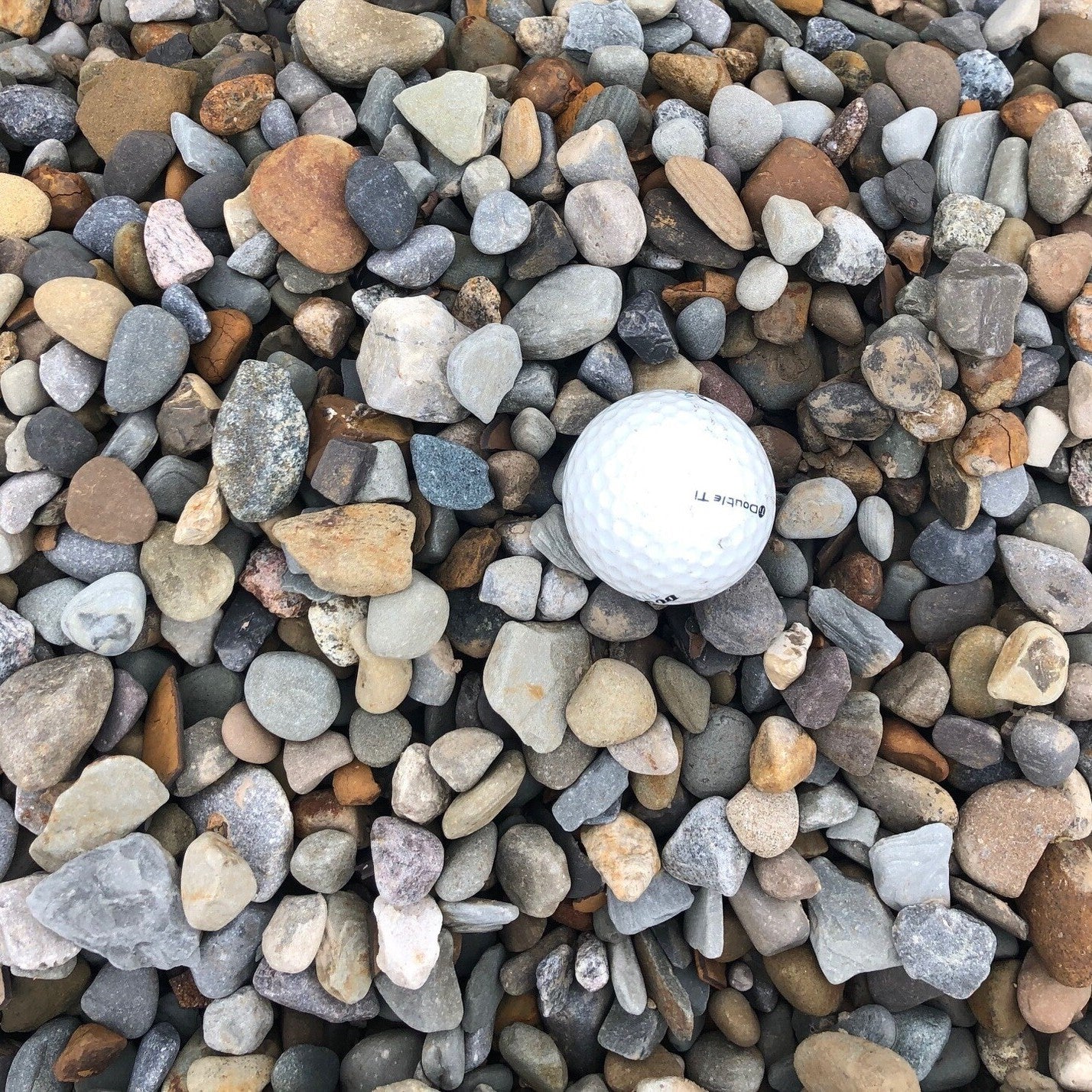
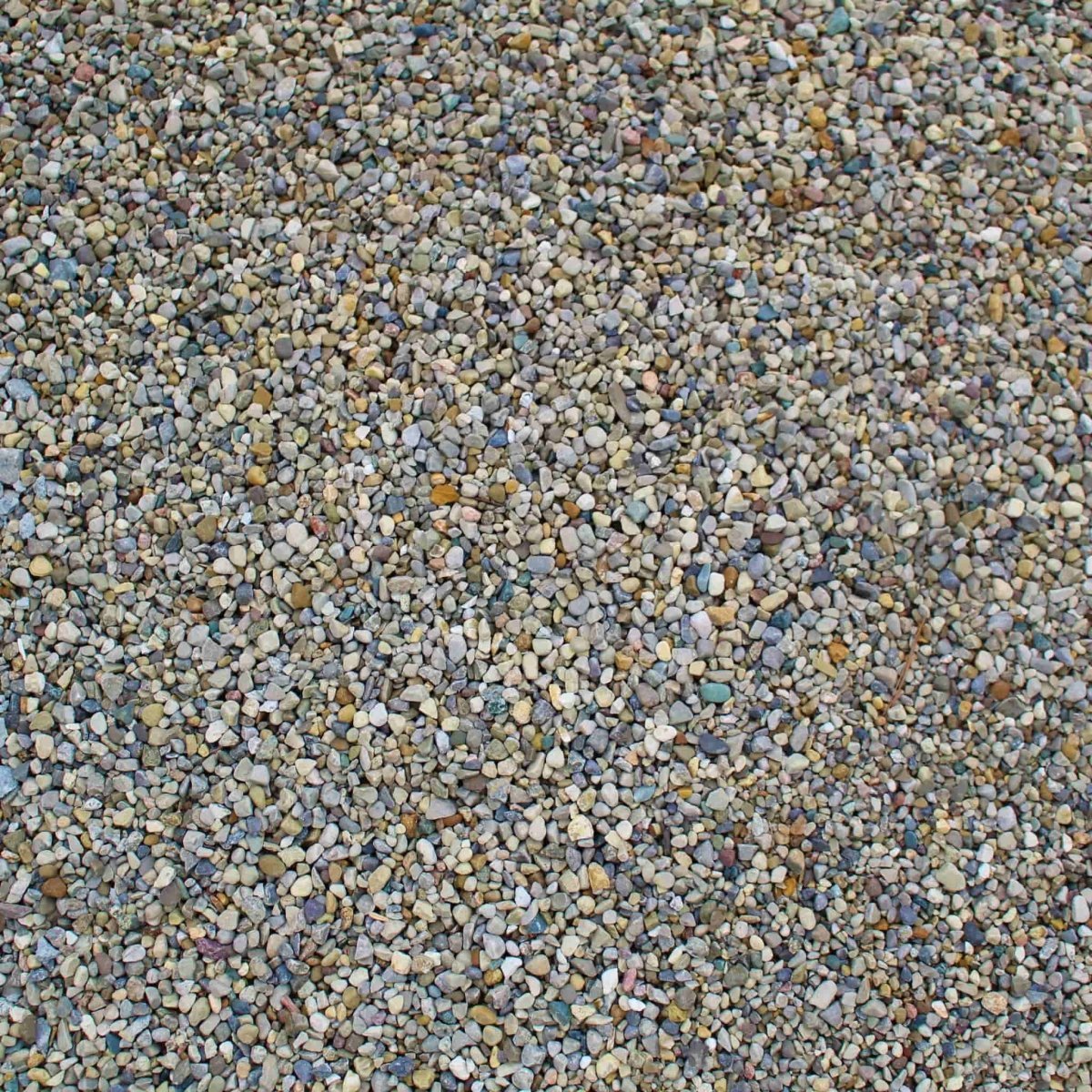
Number 57 crushed stone, angular limestone graded to about three quarters of an inch. The standard driveway, base and drainage gravel, it locks together under traffic and drains fast.
I used Mulch Mound to have 3 cubic yards of garden soil delivered. The process was easy and I love that I didn't have to call anyone. I placed my order online, picked my delivery date, laid out my tarp and the dirt was delivered. My delivery had to be pushed back, but I was ke...
Tell us what you're looking for
Thanks! We received your request.
Something went wrong. Please try again.
How Much Material Do I Need?
For decorative beds in Provo, a 2 to 3 inch layer of stone is enough to suppress weeds and cover soil evenly. For functional pathways or drainage features that need to handle snowmelt and monsoon flow, step up to a 4-inch depth with compacted base material underneath for stability through Provo's long freeze-thaw season.
Use our free gravel calculator
What is a yard?
A yard is approximately 27 cubic feet. As a general guideline, one yard of material can cover an area of about 100-160 square feet at a 2-3 inch depth.
We can't take orders for this right now. Tell us what you need and we'll get back to you.
What do you need?
Thanks! We received your request.
Something went wrong. Please try again.
Hand-picked local yards
4,000+ regional deliveries
Dedicated support
Why order through Mulch Mound
The best local stone, without the guesswork.
We hand-pick and partner with the best yards in your region, keep only the ones our buyers rate well, and back each load with our guarantee.
Mulch Mound Guarantee
If your stone isn't the quantity or quality you ordered, we'll make it right.
About this stone
Number 57 crushed stone, angular limestone graded to about three quarters of an inch. The standard driveway, base and drainage gravel, it locks together under traffic and drains fast.
I used Mulch Mound to have 3 cubic yards of garden soil delivered. The process was easy and I love that I didn't have to call anyone. I placed my order online, picked my delivery date, laid out my tarp and the dirt was delivered. My delivery had to be pushed back, but I was ke...
How Much Material Do I Need?
For decorative beds in Provo, a 2 to 3 inch layer of stone is enough to suppress weeds and cover soil evenly. For functional pathways or drainage features that need to handle snowmelt and monsoon flow, step up to a 4-inch depth with compacted base material underneath for stability through Provo's long freeze-thaw season.
Use our free gravel calculator
What is a yard?
A yard is approximately 27 cubic feet. As a general guideline, one yard of material can cover an area of about 100-160 square feet at a 2-3 inch depth.
I used Mulch Mound to have 3 cubic yards of garden soil delivered. The process was easy and I love that I didn't have to call anyone. I placed my o...
Read full review
I used Mulch Mound to have 3 cubic yards of garden soil delivered. The process was easy and I love that I didn't have to call anyone. I placed my order online, picked my delivery date, laid out my tarp and the dirt was delivered. My delivery had to be pushed back, but I was kept informed via text, which was great. So why not 5 stars? The description of garden soil on the website is "A balanced mix of topsoil and organic amendments ready for raised beds, flower gardens, and new planting areas. Good drainage, solid nutrients, easy to work with." What I got was more like fill dirt. It had a lot of gravel, a lot of clay, and random trash mixed in. I didn't test the soil to see if it actually had "amendments" because I already have compost and alpaca manure ready to add, but if I'd known the quality of the dirt was going to be the same as the bagged dirt I bought last year, I probably would have gotten 2 yards of top soil and a yard of leaf compost for better quality, especially since the leaf compost is cheaper. Photo of my mountain of dirt and just some of the trash I found in it.
Measure the length and width of your stone area in feet, multiply them together, then multiply by your stone depth in inches and divide by 324 to get cubic yards needed. For Provo walkways and drainage features, a 4-inch depth is recommended rather than the 2 inches sometimes used in milder climates, because the freeze-thaw cycles between September and late April will work thin stone layers loose over time. Adding a 10 percent buffer to your calculation accounts for any uneven ground or low spots that use more material than a flat surface estimate suggests.
Stone Types We Deliver in Provo
Mulch Mound delivers bulk stone by the cubic yard directly to your door, making any landscaping project easier without hauling trips or rental trucks. If you have been searching for bulk gravel by the yard in Provo, our drop-off service puts the material exactly where you need it. We carry smooth, natural stone varieties well suited to the high-desert climate and the open, lot-style yards common throughout this part of Utah.
Pea Gravel
Pea gravel brings smooth, rounded edges and warm earth tones to pathways, patios, and decorative drainage projects. Its compact size spreads easily over alkaline soil, and the natural coloring complements the desert-influenced yard styles and native plantings common across this part of Utah.
2" River Stone
2" River Stone features smooth, rounded rock that creates a bold, natural look in dry creek beds, garden borders, and decorative ground cover beds. The mid-size grade holds well during Utah's periodic heavy rains and complements the native plant and xeriscape designs popular in this part of the state.
Complete Your Outdoor Stone Project
Stone borders pair naturally with mulched plant beds, and ordering both allows you to define clean edges that hold up through Provo's windy spring season without constant maintenance. If you are installing stone in areas that need regrading first, adding a topsoil delivery to your order ensures your stone sits on a properly sloped base that drains away from structures rather than pooling against them.
Provo's silty loam is highly susceptible to weed germination because fine soil particles pack into thin stone layers over time, creating a growing medium for weeds right on top of your installation. Always lay a quality woven landscape fabric beneath decorative stone, not the thin paper-backed variety that breaks down quickly at elevation. Pinning fabric edges securely prevents Provo's canyon breezes from lifting corners and allowing fine soil to blow underneath and establish weed footholds over the season.
Mulch Mound Pro Tip
Provo experiences significant freeze-thaw cycling between October and April as temperatures swing across 32 degrees repeatedly during the shoulder season. If you are installing a stone path or patio area, never lay stone directly on loose silty loam soil. Excavate 4 to 6 inches, fill with compacted road base material, then add your decorative top layer. This foundation prevents the frost heave that will push a thin stone installation into an uneven and hazardous surface by your second spring.
Mulch Mound Pro Tip
With only 18 inches of annual rainfall concentrated in winter snowpack and brief spring storms, Provo summers are genuinely dry for months at a time. Stone ground cover around drought-tolerant plants and native shrubs allows you to eliminate irrigation in those zones entirely once plants are established, typically after two growing seasons. Pairing the right stone size and color with native Utah plants like rabbitbrush or Gambel oak creates a landscape that looks intentional, requires almost no water from June through August, and holds up through Provo's cold winters without any seasonal upkeep.
The Unique Landscape of Provo
Stone is one of the most practical landscape materials available to Provo homeowners because it requires virtually no maintenance across the long stretch between first frost in late September and last frost in late April. Provo receives only 18 inches of rainfall annually, making stone a natural fit for low-water landscape designs that do not depend on regular irrigation or soil amendments. The silty loam that makes up most Provo yards can wash and shift during brief but intense summer monsoon storms, and stone placed along slopes and borders holds the ground in place where mulch or bare soil would erode. At 4,549 feet elevation, Provo landscapes are subject to intense sunlight for most of the year, and the natural color variation in decorative stone holds up beautifully compared to materials that fade or decompose. Stone pathways also solve a persistent Provo problem, which is muddy paths during the wet March and April snowmelt period when silty soil becomes slippery and spongy underfoot. Whether you are creating a dry riverbed, edging a driveway, or surfacing a patio area, stone delivers lasting performance in Provo's demanding climate.
Frequently Asked Questions
Click a question to see the answer
Answer
What kind of stone works best for a dry riverbed drainage channel in my Provo yard?
River rock in the 2 to 4 inch range is the most common choice for dry riverbeds in Provo. The rounded shape allows water to move through the channel quickly during the intense summer thunderstorms that can dump rain faster than Provo's silty loam can absorb it. Placing a layer of landscape fabric beneath the rock keeps fine soil from migrating upward and clogging the drainage path over time.
Answer
Will crushed stone wash away during Provo's spring runoff season?
Angular crushed stone, like 3/4-inch minus, locks together much better than rounded gravel and resists displacement during snowmelt runoff. Provo's spring thaw can send significant water across flat and sloped yards in March and April. Using angular material over a compacted base reduces movement dramatically compared to smooth river pebbles, which tend to migrate with any significant water flow.
Answer
Can I use decorative stone to reduce watering in my Provo front yard beds?
Absolutely. Stone ground cover in perennial and shrub beds reduces evaporation from the soil surface, which is a significant benefit in Provo where summer humidity is low and only 18 inches of annual rain falls across the entire year. Stone will not decompose or blow around like organic mulch in Provo's occasional canyon wind events, and it keeps the area looking finished with no seasonal refreshing required.
Answer
How deep should I lay stone for a gravel path in my Provo backyard?
For a stable walking path in Provo, plan for 3 to 4 inches of compacted angular gravel over a firm base. Because Provo's silty loam is prone to shifting and frost heave between September and April, a deeper stone layer with a compacted gravel base underneath will keep your path level through the freeze-thaw cycles that occur when temperatures swing across freezing repeatedly during the shoulder season.
Answer
I want to stop erosion on a slope in my Provo yard. What size stone is best?
For erosion control on slopes in Provo, larger angular rock or cobble in the 4 to 8 inch range is most effective. The weight and irregular shape of larger stones resist the kind of displacement that happens during Provo's summer monsoon storms and spring snowmelt events. For very steep slopes, consider stepping the stone into the existing silty loam to create physical anchor points rather than just laying rock on the surface.
Answer
Does stone get too hot near a Provo patio or seating area during summer?
Lighter-colored stone like buff or gray limestone and white river rock will reflect significantly more solar energy than dark materials like black lava rock. At Provo's elevation of 4,549 feet, solar intensity is higher than at lower elevations, so choosing a light-colored crushed stone or pea gravel for patio surrounds and seating areas will keep surface temperatures much more comfortable during July and August afternoons.
Answer
How much stone do I need for a foundation border around my Provo home?
For a standard 18-inch wide foundation border at a 3-inch depth, you will need approximately 0.5 cubic yards of stone per 100 linear feet of border. Foundation borders in Provo serve double duty because they also channel snowmelt away from the foundation during March and April runoff, so using a permeable angular stone in that zone is especially practical for protecting your home in this climate.
Answer
What is road base used for?
Under driveways, parking pads, and paver patios, road base is the compacted foundation layer that locks together and sheds water. For Provo properties, our Crushed Stone #57 is the better choice when you want a top course or drainage layer that stays free draining rather than compacting solid.