


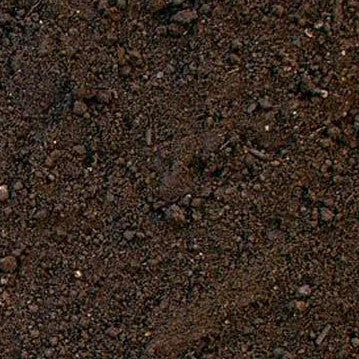
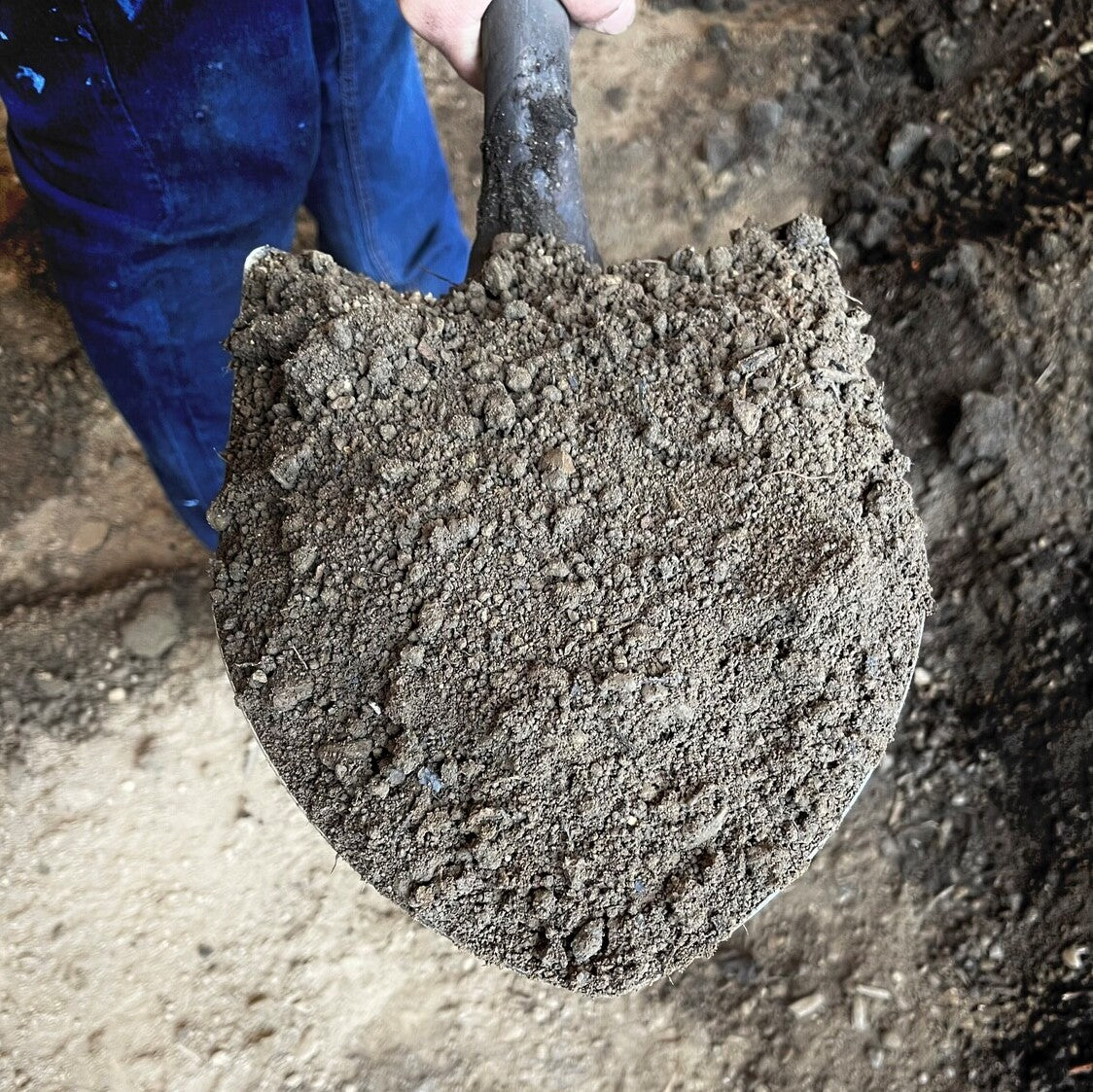


Ordered Dirt. Received Dirt. Would Buy Again.


 +1
+1
Ordered Dirt. Received Dirt. Would Buy Again.
Thanks! We received your request.
Something went wrong. Please try again.
Couldn't load pickup availability
Ordered Dirt. Received Dirt. Would Buy Again.
For raised garden beds in Provo, plan for 12 inches of quality soil to give roots full depth above any compacted silty loam layer underneath. For lawn leveling, a 1 to 2 inch top-dress layer spread evenly across low areas is typically enough to restore a smooth grade without burying existing grass crowns.
Use our free soil calculator
Thanks! We received your request.
Something went wrong. Please try again.
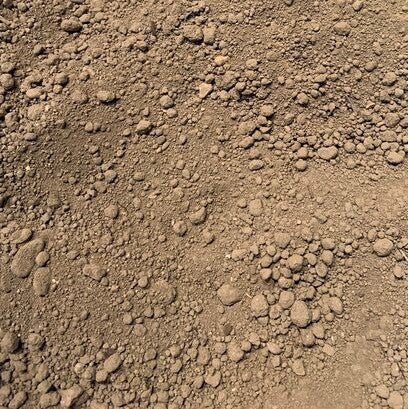
Getting started is easy — just follow these simple steps
Make sure you adjust the quantity to your home's needs. You can use our calculator to estimate how much you'll need.
Select a delivery date you'd like for the product to be dropped off at your home
Sit back, wait, and let us work our magic to make sure the highest quality product is delivered to your driveway.
Ordered Dirt. Received Dirt. Would Buy Again.
+1
So Easy! So Cheap! So doing this again next year!
Really appreciate the care and follow thru that this company had with our order. A hiccup came up but they were quick to respond and address all co...
Really appreciate the care and follow thru that this company had with our order. A hiccup came up but they were quick to respond and address all concerns, which made our garden day a success! Thank you for your prompt care.

Use our NEW Trace from Satellite tool to get an estimate for your project based on an aerial view of your property
Try Our CalculatorMeasure your project area in feet and estimate how many inches of soil depth you need, then use the formula of length times width times depth in inches divided by 324 to get cubic yards. For Provo raised beds, a 12-inch fill depth is the target, so factor that full foot into your calculation rather than underestimating and coming up short at planting time. Ordering a 10 percent overage is wise since Provo soil projects often reveal low spots that were not obvious before material started going down.
After your soil work is complete, a layer of mulch over newly planted beds will help retain the moisture you need in Provo's dry climate where only 18 inches of rain falls annually. Decorative stone borders around raised beds or garden perimeters also help define edges and prevent Provo's occasional strong canyon winds from scattering loose soil from exposed areas.
Provo's soil tends to run alkaline, and quality topsoil brought in from suppliers may also lean alkaline due to the regional geology. Before filling raised vegetable beds, consider a simple soil test through USU Extension to know your starting pH. Even a modest addition of sulfur or peat worked into the mix at the time of fill can shift pH toward neutral and make a meaningful difference in how well your plants take up nutrients during the short Provo growing season.
When grading low spots in a Provo yard, compact new fill soil lightly in thin layers rather than placing it all at once. Silty material will settle unevenly if placed too deep in a single lift, creating soft spots and divots that reappear after the first heavy spring rain or snowmelt event. Taking the time to layer and tamp soil in 3 to 4 inch lifts before your final grade layer will produce a surface that stays level through Provo's active freeze-thaw season.
Provo gets most of its precipitation in winter as snowpack and in brief spring storms, with summers being genuinely dry. If you are placing soil for a new lawn or garden area in fall, time your project to take advantage of that natural fall and winter moisture to help new soil settle without running irrigation constantly. Soil placed in October before the ground freezes will be well settled and ready to plant by the time April 30 rolls around and the growing season opens.
Provo's native silty loam is workable but comes with real limitations for homeowners trying to grow productive gardens or establish healthy lawns. The silty texture holds some moisture but compacts into a dense layer that restricts root growth, especially in areas that see foot traffic or seasonal freeze-thaw cycling. At 4,549 feet elevation, Provo's soils tend to have lower organic matter content than lower-elevation valley soils in wetter climates, making amendments important for vegetable beds and ornamental plantings. With only 18 inches of annual rainfall, imported quality topsoil or garden soil can make the difference between a thriving raised bed and a struggling one. Low spots in Provo yards tend to stay wet during snowmelt in March and April, causing drainage problems that grade work with quality fill soil can correct. Bringing in the right soil material gives you control over your growing environment in ways that working with native Provo ground alone cannot.
Explore other options for landscape supply delivery in Provo, Utah


