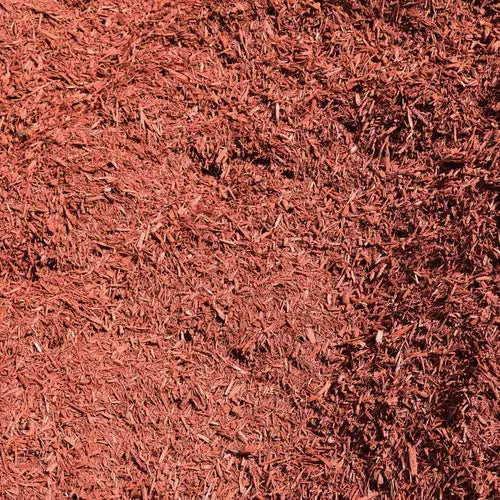
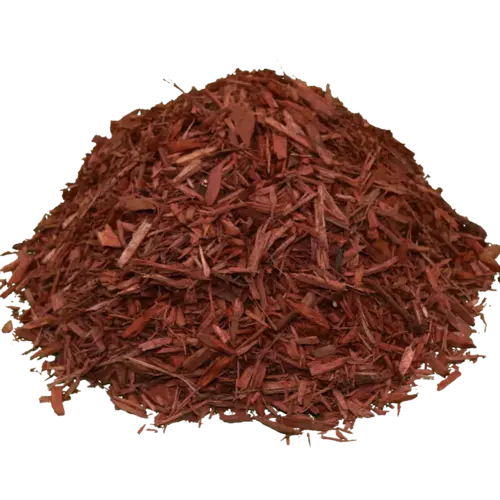
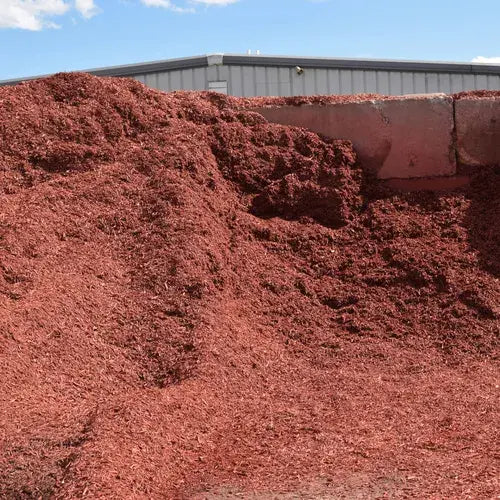
Warm brown double shredded mulch with lasting color that looks freshly applied for weeks. Spreads smooth, stays put, and gives beds a natural, polished appearance.
We needed mulch for our HOA common areas. Local providers were all holding high prices even for 40 yards of mulch. Mulch mound was easy to wowith & has great price for natural mulch + delivery schedule options. They called before delivery to ensure Delivery was exactly wher...
Tell us what you're looking for
Thanks! We received your request.
Something went wrong. Please try again.
How Much Material Do I Need?
For Pueblo's clay loam soil, apply mulch at 2 to 3 inches deep in plant beds and 3 to 4 inches around tree bases to buffer against both the hard summer heat and the drying effect of our low annual rainfall. Avoid going over 4 inches in areas with poor surface drainage, as clay holds water long enough that overly deep mulch can cause standing moisture issues.
Use our free mulch calculator
What is a yard?
A yard is approximately 27 cubic feet. As a general guideline, one yard of material can cover an area of about 100-160 square feet at a 2-3 inch depth.
We can't take orders for this right now. Tell us what you need and we'll get back to you.
What do you need?
Thanks! We received your request.
Something went wrong. Please try again.
Hand-picked local yards
4,000+ regional deliveries
Dedicated support
Why order through Mulch Mound
The best local mulch, without the guesswork.
We hand-pick and partner with the best yards in your region, keep only the ones our buyers rate well, and back each load with our guarantee.
Mulch Mound Guarantee
If your mulch isn't the quantity or quality you ordered, we'll make it right.
About this mulch
Warm brown double shredded mulch with lasting color that looks freshly applied for weeks. Spreads smooth, stays put, and gives beds a natural, polished appearance.
We needed mulch for our HOA common areas. Local providers were all holding high prices even for 40 yards of mulch. Mulch mound was easy to wowith & has great price for natural mulch + delivery schedule options. They called before delivery to ensure Delivery was exactly wher...
How Much Material Do I Need?
For Pueblo's clay loam soil, apply mulch at 2 to 3 inches deep in plant beds and 3 to 4 inches around tree bases to buffer against both the hard summer heat and the drying effect of our low annual rainfall. Avoid going over 4 inches in areas with poor surface drainage, as clay holds water long enough that overly deep mulch can cause standing moisture issues.
Use our free mulch calculator
What is a yard?
A yard is approximately 27 cubic feet. As a general guideline, one yard of material can cover an area of about 100-160 square feet at a 2-3 inch depth.
We needed mulch for our HOA common areas. Local providers were all holding high prices even for 40 yards of mulch. Mulch mound was easy to wowith...
Read full review
We needed mulch for our HOA common areas. Local providers were all holding high prices even for 40 yards of mulch. Mulch mound was easy to wowith & has great price for natural mulch + delivery schedule options. They called before delivery to ensure Delivery was exactly where we wanted it.
Delivery was on time and great quality Mulch. Got it done in a reasonable time and yard looks great. Couldn’t be happier!!! Thank you and will us...
Read full review
Delivery was on time and great quality Mulch. Got it done in a reasonable time and yard looks great. Couldn’t be happier!!! Thank you and will use again!!
Mulch Mound delivered a yard of pea gravel to us. Delivery was on time, driver was friendly and hit a bullseye on the “tarp target”. We used the ...
Read full review
Mulch Mound delivered a yard of pea gravel to us. Delivery was on time, driver was friendly and hit a bullseye on the “tarp target”. We used the pea gravel (which was diameter as specified) to fill several muskrat holes around our pond. I would definitely recommend Mulch Mound to a friend!
Measure each bed by length and width in feet, then multiply those numbers together to get square footage. Divide that total by 100 and you will have a close estimate for cubic yards at a 3-inch depth, which is the recommended starting point for Pueblo's clay loam. Because clay beds are often slightly uneven after cracking and heaving through our freeze-thaw cycles, rounding up by 10 percent helps ensure full coverage.
Mulch vs. No Mulch: The Difference
Pueblo's intense sun at nearly 4,700 feet elevation breaks down natural, undyed mulch at a slower rate than you might expect because of the dry air, but it does bleach the color to a silver-gray within a single growing season. Dyed mulch holds its visual appeal longer in terms of color, but the dye does not change the breakdown rate, so both types need similar replenishment schedules in our climate. The choice in Pueblo often comes down to whether you want the rich natural look that hardwood delivers as it ages or the consistent curb appeal color of a dyed product through the full summer.
Before
After
Best Mulch Choice for Pueblo Lawns
Most yards in the Pueblo area sit on Clay Loam type of soil. Pueblo's clay loam soil forms a dense, compacted surface layer that makes it hard for plant roots to expand and for water to infiltrate during our rare but intense summer storms. Plant beds mulched over bare clay tend to develop a hard cap between the soil and the mulch that limits the benefits of both.
Hardwood Mulch
Hardwood mulch breaks down into organic matter that binds with clay particles and begins to open up the soil structure over time, which is one of the most valuable long-term benefits for Pueblo gardeners working with heavy clay loam. As hardwood mulch decomposes in Pueblo's climate it contributes humus that improves both drainage after heavy rain and moisture retention during our long dry stretches between storms.
Mulch Types We Deliver in Pueblo
Mulch Mound delivers bulk mulch by the cubic yard straight to your door, so you skip the bag-by-bag haul and get the job done faster. If you have been searching for bulk mulch delivery in Pueblo, we carry a range of dyed and specialty options suited to the sunny, semi-arid conditions common across this part of southern Colorado. Our double shredded dyed mulches are especially popular for water-conscious landscapes and the earth-tone homes found throughout the region.
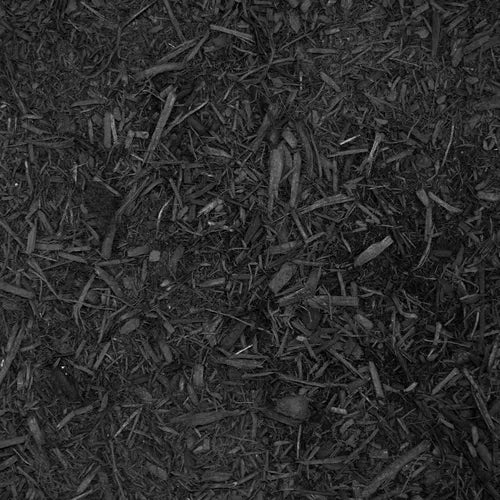
Dyed Black Mulch
Bold and high-contrast, our double shredded dyed black mulch is a top pick for homeowners wanting a clean, modern look in their beds. The rich color holds up well under intense Colorado sun, and the smooth texture spreads easily over the sandy, alkaline soils common throughout the Pueblo area.
Dyed Brown Mulch
Our double shredded dyed brown mulch offers a warm, natural tone that complements the earth-toned architecture typical of homes in southern Colorado. The lasting color stays fresh-looking for weeks even through dry spells, and the fine shred makes spreading by hand or blower fast and even.
Dyed Red Mulch
Vibrant and eye-catching, our double shredded dyed red mulch creates a bold contrast against green foliage and the pale, sandy soils typical of southern Colorado properties. It holds its intensity well through the region's hot, windy summers, making it a popular choice for front yard beds where curb appeal matters most.
Complete Your Outdoor Mulch Project
If you are refreshing beds with new mulch, consider pairing your order with a load of our garden soil or topsoil to amend Pueblo's native clay loam before you lay your mulch down. Adding a border of decorative stone around bed edges is a popular Pueblo choice that keeps mulch contained and reduces the need for plastic edging in yards that see freeze-thaw movement each winter.
Pueblo's clay loam has a tendency to shed water when it becomes very dry, a condition called hydrophobicity, which means a summer thunderstorm may run off the surface instead of soaking in. Pulling back mulch slightly in late June and loosening the clay crust with a hand cultivator before replacing the mulch allows rainfall and irrigation to penetrate more effectively throughout the driest part of the growing season.
Mulch Mound Pro Tip
Time your annual mulch application for early May in Pueblo, right after the last frost risk has passed around April 30. Applying too early when the soil is still cold can delay the warming that warm-season plants and vegetables need to establish. Waiting until the soil has had a few weeks to warm up after the last frost means your mulch then locks in that warmth rather than trapping cold.
Mulch Mound Pro Tip
With Pueblo averaging just 13 inches of rain per year, every drop counts in your landscape. Mulch applied at the right depth can reduce soil moisture evaporation by up to 50 percent, meaning your irrigation schedule can be stretched significantly. Position the thickest part of your mulch layer over the root zones of your most water-sensitive plants, and keep it pulled a few inches away from stems and trunks to prevent moisture buildup right at the crown.
Frequently Asked Questions
Click a question to see the answer
Answer
How thick should I apply mulch over Pueblo's clay loam soil?
In Pueblo, a 3-inch layer is generally the sweet spot. Clay loam already drains slowly, so going much deeper can trap excess moisture against plant stems and promote rot. Two to three inches suppresses weeds effectively while still allowing the limited rainfall Pueblo receives to reach plant roots rather than sheeting off a surface that is too dense.
Answer
Will mulch actually help my plants survive Pueblo's summer heat?
Yes, and it makes a significant difference at Pueblo's elevation. The combination of intense high-altitude sun and low humidity can raise bare soil temperatures to levels that stress roots. A consistent mulch layer keeps the soil several degrees cooler through the hottest stretches of July and August, which is when Pueblo gardens are most at risk of moisture stress.
Answer
Does mulch break down faster or slower in Pueblo's dry climate?
Decomposition in Pueblo tends to happen more slowly than in wetter climates because the microbes and fungi that break down wood fiber need moisture to work. With only 13 inches of rain per year, natural hardwood mulch can last a full two seasons before needing to be topped off. That is actually a benefit, since you get longer coverage between applications.
Answer
Should I pull back my mulch before Pueblo's first frost in October?
No, leaving mulch in place through fall is actually beneficial for Pueblo gardeners. As temperatures drop toward the October 5 first frost average, mulch insulates the soil and slows the freeze-thaw cycles that can heave shallow-rooted plants out of the ground. Just avoid piling it directly against woody stems or crowns going into winter.
Answer
Can I use dyed mulch in my Pueblo yard, or will the color fade fast in the sun?
Dyed mulches do fade in Pueblo's high-UV environment more quickly than they would at lower elevations, but a quality product will typically hold color for one full growing season. If long-lasting color is a priority for your curb appeal, choose a product with a colorfast dye and plan to refresh it each spring around the time your last frost window closes at the end of April.
Answer
My yard has a lot of bindweed. Will mulch help control it?
Mulch will not eliminate bindweed entirely because this weed is so aggressive in Pueblo's hot, sunny conditions, but a full 3-inch layer does suppress germination of new seedlings and makes pulling established plants much easier since the soil beneath stays loose and workable. Pair mulch with a landscape fabric barrier for the most stubborn bindweed patches near beds.
Answer
How much mulch do I need for a typical Pueblo front yard bed?
Measure the length and width of each bed in feet, multiply them together, and divide by 100 to get the approximate number of cubic yards needed at a 3-inch depth. Pueblo yards with established clay soil beds tend to benefit from ordering a little extra because the clay surface is often uneven and requires slightly more material to achieve a uniform layer.
The Unique Landscape of Pueblo
Pueblo sits at nearly 4,700 feet with only about 13 inches of rain falling each year, which means plant beds dry out faster than gardeners expect. The underlying clay loam soil holds moisture unevenly, staying waterlogged after a rare thunderstorm and then baking into a hard crust during the long stretches of summer heat. A thick layer of mulch acts as a buffer against both extremes, slowing surface evaporation during Pueblo's hot, dry summers and softening the impact of sudden moisture on compacted clay. Because the last frost typically falls around April 30 and the first frost returns as early as October 5, Pueblo's growing season is relatively short, making it important to protect soil warmth in spring and insulate roots heading into fall. Mulching consistently each season helps break down the clay structure over time, gradually improving drainage and giving roots a better environment to establish.