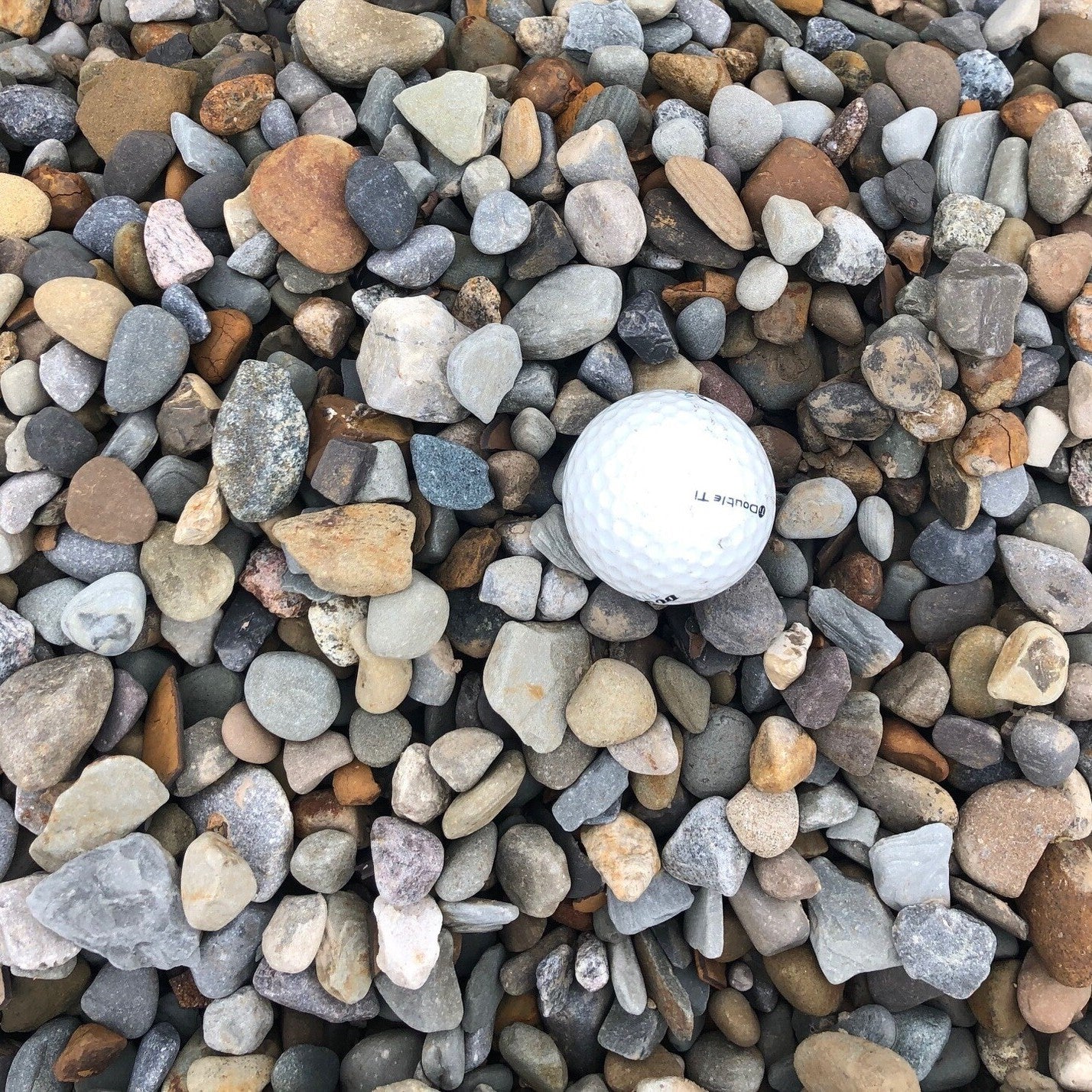
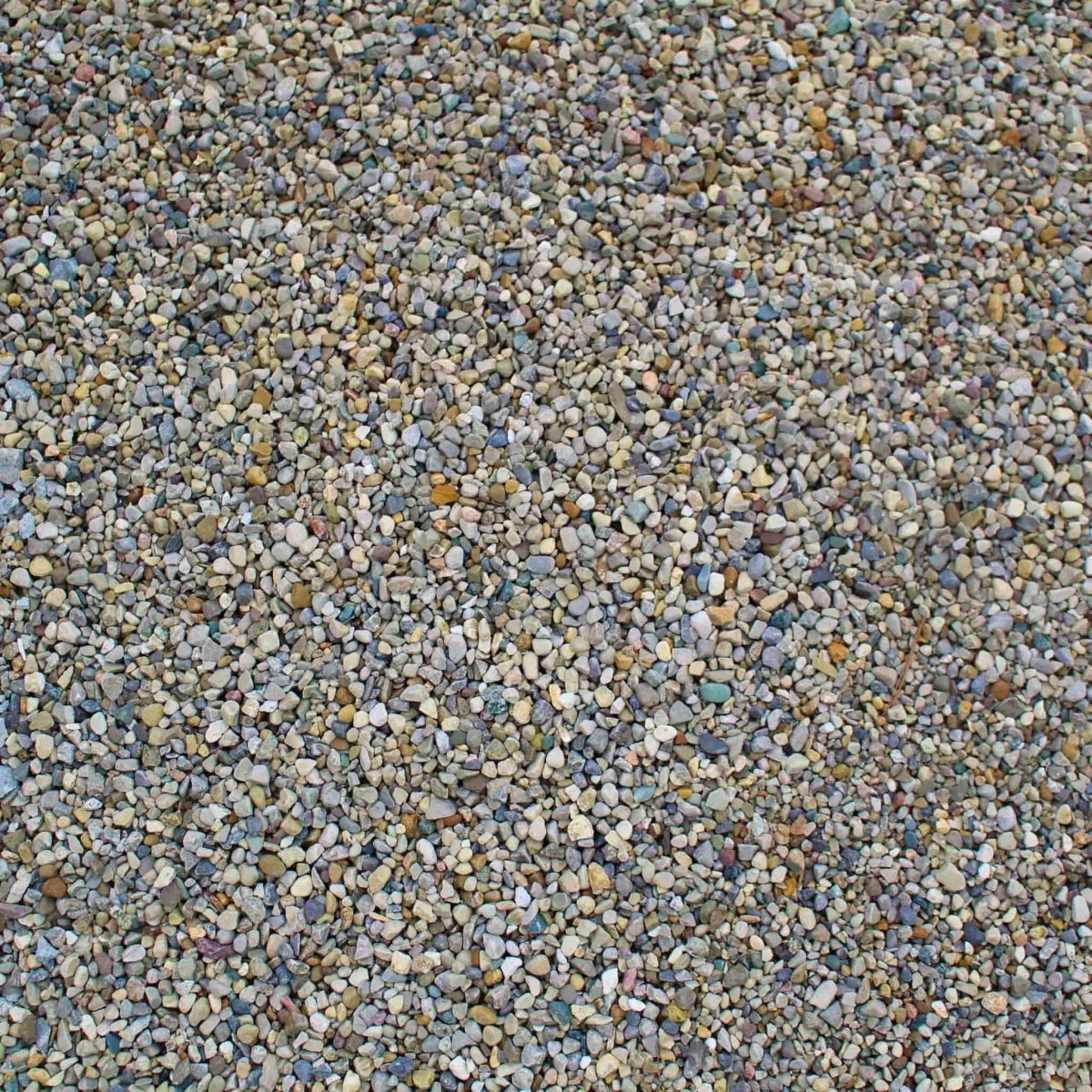
Number 57 crushed stone, angular limestone graded to about three quarters of an inch. The standard driveway, base and drainage gravel, it locks together under traffic and drains fast.
I used Mulch Mound to have 3 cubic yards of garden soil delivered. The process was easy and I love that I didn't have to call anyone. I placed my order online, picked my delivery date, laid out my tarp and the dirt was delivered. My delivery had to be pushed back, but I was ke...
Tell us what you're looking for
Thanks! We received your request.
Something went wrong. Please try again.
How Much Material Do I Need?
For decorative ground cover and plant bed borders in Pueblo, a 2-to-3-inch layer of stone provides good weed suppression and a finished appearance without requiring excessive material. Pathways and drainage features in Pueblo's freeze-thaw climate should be laid at 3 to 4 inches to withstand seasonal ground movement and maintain a stable surface through the winter months.
Use our free gravel calculator
What is a yard?
A yard is approximately 27 cubic feet. As a general guideline, one yard of material can cover an area of about 100-160 square feet at a 2-3 inch depth.
We can't take orders for this right now. Tell us what you need and we'll get back to you.
What do you need?
Thanks! We received your request.
Something went wrong. Please try again.
Hand-picked local yards
4,000+ regional deliveries
Dedicated support
Why order through Mulch Mound
The best local stone, without the guesswork.
We hand-pick and partner with the best yards in your region, keep only the ones our buyers rate well, and back each load with our guarantee.
Mulch Mound Guarantee
If your stone isn't the quantity or quality you ordered, we'll make it right.
About this stone
Number 57 crushed stone, angular limestone graded to about three quarters of an inch. The standard driveway, base and drainage gravel, it locks together under traffic and drains fast.
I used Mulch Mound to have 3 cubic yards of garden soil delivered. The process was easy and I love that I didn't have to call anyone. I placed my order online, picked my delivery date, laid out my tarp and the dirt was delivered. My delivery had to be pushed back, but I was ke...
How Much Material Do I Need?
For decorative ground cover and plant bed borders in Pueblo, a 2-to-3-inch layer of stone provides good weed suppression and a finished appearance without requiring excessive material. Pathways and drainage features in Pueblo's freeze-thaw climate should be laid at 3 to 4 inches to withstand seasonal ground movement and maintain a stable surface through the winter months.
Use our free gravel calculator
What is a yard?
A yard is approximately 27 cubic feet. As a general guideline, one yard of material can cover an area of about 100-160 square feet at a 2-3 inch depth.
I used Mulch Mound to have 3 cubic yards of garden soil delivered. The process was easy and I love that I didn't have to call anyone. I placed my o...
Read full review
I used Mulch Mound to have 3 cubic yards of garden soil delivered. The process was easy and I love that I didn't have to call anyone. I placed my order online, picked my delivery date, laid out my tarp and the dirt was delivered. My delivery had to be pushed back, but I was kept informed via text, which was great. So why not 5 stars? The description of garden soil on the website is "A balanced mix of topsoil and organic amendments ready for raised beds, flower gardens, and new planting areas. Good drainage, solid nutrients, easy to work with." What I got was more like fill dirt. It had a lot of gravel, a lot of clay, and random trash mixed in. I didn't test the soil to see if it actually had "amendments" because I already have compost and alpaca manure ready to add, but if I'd known the quality of the dirt was going to be the same as the bagged dirt I bought last year, I probably would have gotten 2 yards of top soil and a yard of leaf compost for better quality, especially since the leaf compost is cheaper. Photo of my mountain of dirt and just some of the trash I found in it.
Really appreciate the care and follow thru that this company had with our order. A hiccup came up but they were quick to respond and address all co...
Read full review
Really appreciate the care and follow thru that this company had with our order. A hiccup came up but they were quick to respond and address all concerns, which made our garden day a success! Thank you for your prompt care.
To calculate how much stone you need, measure the length and width of your project area in feet and multiply them together. Multiply that square footage by the desired depth in feet, for example 3 inches equals 0.25 feet, then divide by 27 to convert to cubic yards. For Pueblo pathways and drainage features, ordering 10 percent extra accounts for settling into the clay subgrade and any areas where depth varies due to uneven ground.
Stone Types We Deliver in Pueblo
Mulch Mound delivers bulk stone by the cubic yard straight to your property, making it easy to cover large areas without hauling bags from a store. If you have been searching for bulk gravel by the yard in Pueblo, we load and drop off exactly what your project needs, from a single yard to a full truckload. Colorado's dry climate and the clay-heavy soils common in this part of the state make quality ground cover a smart, lasting choice for driveways, gardens, and drainage.
Pea Gravel
Pea gravel is a popular choice for homeowners in our dry, sun-baked region. Its smooth, rounded edges feel comfortable underfoot on patios and garden paths, and the natural earth tones suit the warm color palettes typical of southern Colorado yards. It also drains reliably through the heavier clay soils common in this area.
Complete Your Outdoor Stone Project
Stone borders and pathways look their best when paired with drought-tolerant plantings set in properly amended garden soil, which is especially important in Pueblo where native clay loam needs help before most ornamentals will thrive. Adding mulch in the planted areas between stone features helps tie the landscape together while maximizing water retention in a city where every inch of rainfall counts.
In Pueblo, one of the most practical uses for bulk stone is building a simple dry creek bed along the low side of your property to capture and redirect the intense runoff that summer thunderstorms can generate on clay soil. Because clay loam absorbs water slowly, even a modest storm can send several inches of runoff sheeting across a yard in minutes. A well-placed stone channel protects your lawn, beds, and foundation without requiring any ongoing maintenance.
Mulch Mound Pro Tip
When installing a gravel or decomposed granite xeriscape in Pueblo, take the extra step of excavating 3 to 4 inches of the clay surface before laying fabric and stone. Removing the clay layer creates a stable basin that holds the stone in place and prevents the common problem of gravel sinking into the clay over multiple seasons. This extra step is especially worth doing in areas of the yard that see foot traffic or where water concentrates during storms.
Mulch Mound Pro Tip
Pueblo's sun at nearly 4,700 feet fades colored landscape fabric much faster than manufacturers expect, which can leave your stone areas looking patchy as the fabric degrades and weeds find gaps. Choose a heavier commercial-grade fabric rated for UV exposure and overlap the seams by at least 6 inches when installing beneath stone. A little extra care during installation saves significant rework a few seasons down the road in Pueblo's high-UV environment.
The Unique Landscape of Pueblo
Stone is one of the most practical and durable landscaping materials for Pueblo properties, where water is scarce, maintenance time is valuable, and the native clay loam makes growing lush turf a constant battle. At 13 inches of rain per year, water-wise landscaping that replaces thirsty grass with decorative stone and drought-tolerant plantings is not just an aesthetic trend but a sensible long-term investment. Pueblo's wide seasonal temperature swings and freeze-thaw cycles each winter mean that organic materials like wood mulch and bare soil need regular replacement, while stone holds its shape and function year after year without significant upkeep. River rock, crushed gravel, and flagstone work equally well for pathways, drainage channels, plant bed borders, and foundation borders around Pueblo homes. At nearly 4,700 feet elevation, Pueblo also receives intense UV radiation that can bleach and degrade plastic edging and colored mulch faster than expected, making stone an even more appealing choice for permanent landscape features.
Frequently Asked Questions
Click a question to see the answer
Answer
What type of stone works best for a dry creek bed in my Pueblo backyard?
River rock in the 2-to-4-inch size range is the most popular choice for dry creek beds in Pueblo because it mimics the look of natural wash rock and allows water to move through freely during the intense summer thunderstorms that can dump a surprising amount of rain in a short period. A mix of larger cobbles and smaller river rock creates a natural layered appearance that also helps slow the flow of runoff over Pueblo's typically flat clay subsoil.
Answer
Will stone actually help with drainage on my clay soil lot in Pueblo?
Stone used in a properly graded drainage channel or French drain can significantly improve surface water movement on Pueblo's clay loam lots, which do not absorb rainfall quickly. The key is establishing a slope of at least 2 percent toward a drainage point before laying stone, because stone alone on flat clay will still collect standing water. Paired with a perforated pipe beneath the stone in severe cases, this approach handles even Pueblo's occasional intense summer storms effectively.
Answer
How deep should I lay gravel for a backyard pathway in Pueblo?
For a comfortable and stable walking surface in Pueblo, plan on 3 to 4 inches of compacted gravel base with a top layer of decorative stone. Pueblo's freeze-thaw cycles between fall and early spring can heave a shallow gravel path out of alignment over a single winter, so getting enough depth to stay below the worst of the frost movement is worth the extra material cost upfront.
Answer
Is decomposed granite a good choice for a xeriscape yard in Pueblo?
Decomposed granite is widely used in Pueblo xeriscapes because it drains quickly, stays in place during wind events better than loose gravel, and complements the natural earth tones of the surrounding high-desert landscape. It does compact over time on top of clay soils, so installing it over a layer of coarse gravel or a permeable fabric base helps maintain drainage and prevents the decomposed granite from blending into the clay below.
Answer
What size stone should I use around my foundation in Pueblo?
A 2-to-3-inch layer of medium gravel or river rock works well for foundation borders in Pueblo because it allows any rainfall or irrigation water to move away from the foundation quickly rather than pooling against the structure the way that bare clay tends to do. Avoid using very fine decorative gravel immediately against the foundation, as it can pack against the wall and retain more moisture than coarser material.
Answer
Will my stone landscape get covered in weeds despite the rock?
Weed pressure in Pueblo stone landscapes is a real concern, especially with aggressive species like bindweed and puncturevine that thrive in disturbed, sunny soil. Installing a quality landscape fabric beneath your stone is essential in Pueblo, and even then plan on occasional spot treatment because weed seeds blown in from the surrounding area will find gaps in the coverage. Keeping the stone layer at least 2 to 3 inches deep also limits the light that reaches any soil beneath the fabric.
Answer
Can I use stone mulch around my trees instead of wood mulch in Pueblo?
Stone can work around trees in Pueblo but it comes with tradeoffs. Unlike wood mulch, stone does not contribute organic matter to the soil or help improve Pueblo's clay loam over time. Stone also absorbs and radiates heat, which can raise soil temperatures around tree roots in Pueblo's already intense summer sun. If you prefer stone for its durability, keep it pulled back from the trunk and consider blending fine gravel with organic mulch in the inner ring closest to the root zone.
Answer
What is road base used for?
Road base is the compacted foundation Mountain West builders use under driveways, parking pads, and paver patios, made from crushed rock and fines that pack tight and shed water. For Pueblo properties, we deliver Crushed Stone #57 instead, a clean, free draining stone that works well as a top course or drainage layer rather than a compacted base.