

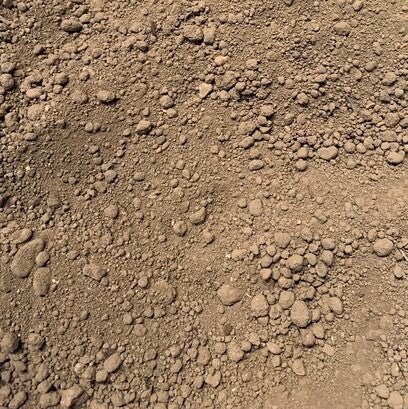
About this soil

Quality topsoil for lawns, gardens, and landscape projects. Nutrient rich and ready to support strong root development and healthy plant establishment.

We got 3 yards of the gardening top soil. It was great quality, not many chunks and seems good for growing, just waiting for all my plants to love it. We had more than enough soil to fill a raised bed we made and landscaped around a patio. I do wish we could do less than 3 yd...

Pueblo Soil Delivery

Pueblo Soil Delivery

4.7
137 reviews
Regular price $57.00 per yard
Regular price Sale price $57.00
Sale Sold out
Type
Style
Minimum of 3
1 tree planted for every order

About this soil

Quality topsoil for lawns, gardens, and landscape projects. Nutrient rich and ready to support strong root development and healthy plant establishment.

We got 3 yards of the gardening top soil. It was great quality, not many chunks and seems good for growing, just waiting for all my plants to love it. We had more than enough soil to fill a raised bed we made and landscaped around a patio. I do wish we could do less than 3 yd...

For raised beds in Pueblo, plan on at least 12 inches of quality garden soil to get above the clay loam layer and give roots a productive growing zone through our Zone 6a growing season. For lawn leveling and grading projects, half an inch to one inch per application prevents smothering existing grass while still correcting the uneven spots that Pueblo's freeze-thaw cycles create each winter.
Use our free soil calculator

A yard is approximately 27 cubic feet. As a general guideline, one yard of material can cover an area of about 100-160 square feet at a 2-3 inch depth.

View full details

How It Works

Getting started is easy — just follow these simple steps

1

Choose your soil

Make sure you adjust the quantity to your home's needs. You can use our calculator to estimate how much you'll need.

2

Select your delivery date

Select a delivery date you'd like for the product to be dropped off at your home

3

Sit back and wait

Sit back, wait, and let us work our magic to make sure the highest quality product is delivered to your driveway.

What Pueblo Customers Like About Our Soil

4.7
out of 5 based on 137 reviews
Google Reviews

Need Help Calculating How Much Soil You Need?

Use our NEW Trace from Satellite tool to get an estimate for your project based on an aerial view of your property

Try Our Calculator
📍

To estimate how much soil you need, measure the length and width of your project area in feet and multiply them together. Then multiply that square footage by the depth you want in feet, converting inches to a decimal where 6 inches equals 0.5 feet, and divide by 27 to get cubic yards. Pueblo raised bed projects often underestimate how much the soil will settle in the first season as it adjusts to our dry, high-altitude conditions, so ordering 10 to 15 percent extra is a common practice.

Complete Your Outdoor Soil Project

Topping your new soil with a layer of mulch is one of the best things Pueblo gardeners can do to protect their investment, since the combination of amended soil and mulch dramatically reduces the moisture loss that 13 inches of annual rainfall simply cannot compensate for on its own. Consider adding decorative stone edging around beds to keep soil contained and prevent it from washing out onto hardscape during Pueblo's occasional intense thunderstorms.

Map of Pueblo, Colorado

Areas We Deliver Soil in Pueblo, Colorado

No cities found for this region.

See All Locations

Frequently Asked Questions

Click a question to see the answer

Answer

Can I just till my existing Pueblo clay and skip buying new soil?

Tilling clay loam in Pueblo can actually make the drainage problem worse if done at the wrong moisture level. When Pueblo clay is tilled too dry it breaks into hard clods that do not form good soil structure, and when tilled too wet it smears into a compacted layer that restricts root growth. Bringing in a few inches of quality topsoil or garden mix and working it into the top layer of your native clay is usually a faster and more reliable path to a productive bed.

Answer

What soil depth do I need for a new raised vegetable bed in Pueblo?

For most vegetables in Pueblo's Zone 6a growing season, a minimum of 12 inches of quality garden soil gives roots enough room to develop before hitting the dense clay beneath. Root crops like carrots and parsnips do better with 18 inches. Since Pueblo's frost-free window runs from late April through early October, getting plants into loose, warm soil quickly at season start matters more here than in warmer climates.

Answer

How do I know how much soil I need to level my lumpy Pueblo lawn?

Walk your lawn and use a long straight board to estimate the depth of your low spots. For light leveling work in Pueblo yards, filling low areas to about half an inch per application is best to avoid smothering existing grass. Order roughly one cubic yard for every 300 square feet of lawn you need to bring up by half an inch, and plan to apply it when warm-season recovery is ahead of you rather than just before the October frost arrives.

Answer

My backyard drainage is terrible after Pueblo thunderstorms. Will adding soil help?

It depends on how the soil is graded. Simply adding soil without attention to slope can make pooling worse by raising the surface without directing water away from structures. For Pueblo properties with drainage problems, the most effective approach is to bring in soil and grade it so that surface water moves toward a dry creek bed or swale rather than sitting on top of the dense clay subsoil.

Answer

Does topsoil from out of the area work well in Pueblo's climate?

Quality topsoil blended for Colorado's high-desert conditions typically performs better in Pueblo than low-elevation topsoil that may have higher clay content or pH levels that do not match our alkaline native soils. Pueblo's native soil tends to run alkaline, so importing soil with a similar pH range avoids the shock that can affect plant uptake of nutrients in the first season.

Answer

Is it worth buying soil for a lawn patch, or should I just use seed and water?

In Pueblo, overseeding onto bare clay without any soil amendment rarely gives reliable results because the clay surface crusts over and prevents good seed-to-soil contact. A thin layer of quality topsoil spread over raked bare spots gives Pueblo lawn seed the loose, moist environment it needs to germinate before the heat of late spring arrives and dries the surface quickly.

Answer

Can I use garden soil to fill low spots around my foundation?

Around Pueblo foundations, the goal is always to slope grade away from the structure to prevent water intrusion, which is especially important given how infrequently our rain falls but how intensely it can come down during summer storm events. A denser fill soil rather than a light garden mix is better for foundation grading because it compacts firmly and maintains the slope over time without settling excessively.

Mulch Mound Pro Tip

When preparing raised beds in Pueblo, mix about one part compost with three parts imported garden soil before filling the bed. Pueblo's alkaline native environment means that adding organic matter from the start helps buffer pH and creates a more forgiving root zone for vegetables and perennials. This blend also warms faster in spring than straight topsoil, giving you a head start in our short frost-free window that opens around April 30.

Mulch Mound Pro Tip

If you are grading a lawn area in Pueblo, time your soil application for late April through mid-May so that warm-season grasses have the longest possible recovery window before the first hard frost in October. Applying soil in late summer leaves grass seed little time to establish before cold arrives, and the clay subsoil in many Pueblo yards drains poorly enough that late-season moisture can sit and promote disease in fresh seed.

Mulch Mound Pro Tip

Pueblo properties often have inconsistent soil depth across the yard due to decades of wind erosion and uneven settling of the clay loam. Before ordering soil, probe your yard in several spots with a metal rod to find where your native soil is densest, and focus your imported soil in the areas where compaction is worst. Targeting the problem zones rather than spreading evenly across the whole yard stretches your material budget further and addresses the root cause of uneven growth patterns.

The Unique Landscape of Pueblo

Pueblo's native clay loam soil is one of the most challenging mediums for gardeners and landscapers in the region. It compacts easily under foot traffic, drains poorly after rain, and forms a surface crust in summer that can actually repel water rather than absorbing it. Whether you are leveling a lawn damaged by our seasonal freeze-thaw cycles, building raised vegetable beds, or grading around a new patio, bringing in quality topsoil or garden soil is often the most practical path to productive results. At nearly 4,700 feet elevation, Pueblo gardens also deal with wide daily temperature swings that can stress plants already struggling in nutrient-poor clay. Importing well-amended soil gives you immediate control over the growing environment rather than spending years trying to rehabilitate the native ground.
