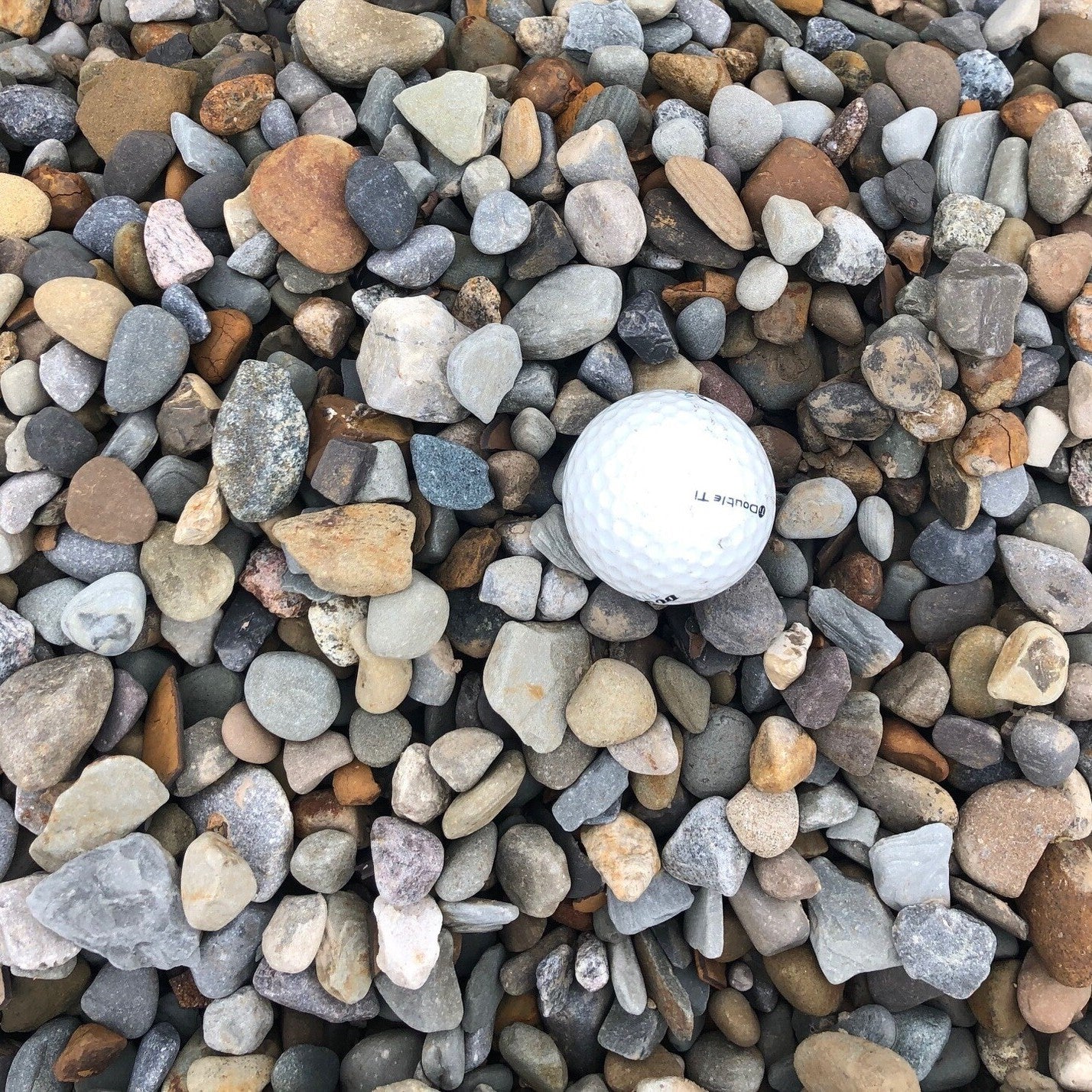
Number 57 crushed stone, angular limestone graded to about three quarters of an inch. The standard driveway, base and drainage gravel, it locks together under traffic and drains fast.
Mulch Mound delivered a yard of pea gravel to us. Delivery was on time, driver was friendly and hit a bullseye on the “tarp target”. We used the pea gravel (which was diameter as specified) to fill several muskrat holes around our pond. I would definitely recommend Mulch Mo...
Tell us what you're looking for
Thanks! We received your request.
Something went wrong. Please try again.
How Much Material Do I Need?
Plan for a minimum three inch depth of stone over landscape fabric for weed-suppressing ground cover applications in Rapid City, and four inches in high-traffic pathways or areas exposed to wind that can redistribute lighter material. Drainage applications like dry creek beds and erosion control zones work best at four to six inches deep to handle the heavy snowmelt flows common in late April and early May.
Use our free gravel calculator
What is a Yard?
A yard is approximately 27 cubic feet. As a general guideline, one yard of material can cover an area of about 100-160 square feet at a 2-3 inch depth.
We can't take orders for this right now. Tell us what you need and we'll get back to you.
What do you need?
Thanks! We received your request.
Something went wrong. Please try again.
Hand-picked local yards
4,000+ regional deliveries
Dedicated support
Why order through Mulch Mound
The best local , without the guesswork.
We hand-pick and partner with the best yards in your region, keep only the ones our buyers rate well, and back each load with our guarantee.
Mulch Mound Guarantee
If your isn't the quantity or quality you ordered, we'll make it right.
About this stone
Number 57 crushed stone, angular limestone graded to about three quarters of an inch. The standard driveway, base and drainage gravel, it locks together under traffic and drains fast.
Mulch Mound delivered a yard of pea gravel to us. Delivery was on time, driver was friendly and hit a bullseye on the “tarp target”. We used the pea gravel (which was diameter as specified) to fill several muskrat holes around our pond. I would definitely recommend Mulch Mo...
How Much Material Do I Need?
Plan for a minimum three inch depth of stone over landscape fabric for weed-suppressing ground cover applications in Rapid City, and four inches in high-traffic pathways or areas exposed to wind that can redistribute lighter material. Drainage applications like dry creek beds and erosion control zones work best at four to six inches deep to handle the heavy snowmelt flows common in late April and early May.
Use our free gravel calculator
What is a Yard?
A yard is approximately 27 cubic feet. As a general guideline, one yard of material can cover an area of about 100-160 square feet at a 2-3 inch depth.
Mulch Mound delivered a yard of pea gravel to us. Delivery was on time, driver was friendly and hit a bullseye on the “tarp target”. We used the ...
Read full review
Mulch Mound delivered a yard of pea gravel to us. Delivery was on time, driver was friendly and hit a bullseye on the “tarp target”. We used the pea gravel (which was diameter as specified) to fill several muskrat holes around our pond. I would definitely recommend Mulch Mound to a friend!
Measure your project area in length and width, multiply for square footage, and plan on a three to four inch depth for most Rapid City applications where clay loam soil is underneath. One cubic yard of stone covers approximately 80 square feet at four inches deep, which is a reliable planning figure for decorative gravel and river rock projects. Add ten percent to your estimate for irregular bed shapes or areas where you want a slightly heaped look along borders and edges.
Complete Your Outdoor Stone Project
Add a delivery of landscape fabric staples and edging materials to your stone order to keep your installation looking crisp through Rapid City's harsh winters and wind seasons. Pairing stone work with a mulch delivery for adjacent plant beds creates a finished, cohesive landscape that handles both our wet springs and our dry summers effectively.
Before installing any bulk stone in Rapid City, spend a few minutes during a rain or snowmelt event watching exactly where water flows across the area you plan to cover. Clay loam soil does not absorb water quickly, so surface flow patterns can be unpredictable, and placing stone without understanding the drainage will sometimes make runoff problems worse rather than better. Grading the area slightly toward a desired drainage direction before laying fabric and stone gives you a landscape that works with the water rather than fighting it.
Mulch Mound Pro Tip
Rapid City's intense high-altitude sun fades some landscape fabric products faster than manufacturers expect, and once fabric degrades it allows weeds to push through and stone to mix into soil. Choose a commercial-grade woven fabric rated for six or more years of UV exposure rather than the lightweight versions sold in home improvement stores. The difference in upfront cost is small compared to the labor of removing and replacing settled stone and failed fabric after just two or three of our intense Black Hills summers.
Mulch Mound Pro Tip
For any stone installation near the foundation of your Rapid City home, always slope the stone surface away from the house at a minimum grade of one inch per foot for the first six feet out from the foundation wall. Our spring snowmelt produces significant water volume in a short period, and flat or inward-sloping stone near foundations channels that water directly against your basement or crawl space. This simple grading step is the most important drainage detail for any stone landscape project close to a structure in our high-snowfall climate.
The Unique Landscape of Rapid City
Decorative and functional stone has become one of the most practical landscaping choices for Rapid City homeowners because it handles our climate extremes without deteriorating the way organic materials can. At 3,241 feet elevation with only 18 inches of annual rainfall, large sections of the local landscape are simply better suited to stone coverage than to lawn or plant beds that demand regular irrigation. The freeze and thaw cycles that hit Rapid City hard every winter between October and April make stone a stable long-term investment since it does not heave, compress, or need replacement the way wood-based products do. Rapid City's clay loam soil also benefits from stone pathways and borders that keep foot traffic off plant beds and prevent the compaction that clay soils are notorious for developing. Beyond function, local stone options complement the Black Hills geology that defines the region's natural character, giving properties a landscape that feels genuinely native to the area. From river rock drainage channels that handle spring runoff to crushed granite paths through xeriscape gardens, bulk stone delivery is one of the smartest upgrades a Rapid City property owner can make.
Frequently Asked Questions
Click a question to see the answer
Answer
What type of stone works best for a dry creek bed to handle snowmelt runoff in my backyard?
River rock in the two to four inch size range is the most effective choice for dry creek beds in Rapid City because it allows high water volumes to move quickly without washing the stone out of position the way smaller gravel can. The rounded edges of river rock also resist clogging with leaf debris and pine needles, which is relevant for properties near the tree line on the west side of town. Line the base of your channel with landscape fabric before installing the rock to prevent the native clay loam from gradually working up through the stone layer over several freeze and thaw seasons.
Answer
I want to replace part of my lawn with a gravel landscape to reduce watering. What size gravel should I use in Rapid City's wind?
For xeriscape and low-water landscapes in Rapid City, we recommend one and a half to two inch diameter crushed rock or river gravel rather than pea gravel or smaller chips that can blow or scatter in the prairie winds that hit the east side of town. Larger stone stays in place through wind events and also does not track into the house as easily. A three to four inch depth over landscape fabric on clay loam soil creates a stable, long-lasting surface that eliminates the need for irrigation in those areas entirely.
Answer
Will stone pathways hold up through Rapid City winters without cracking or shifting?
Loose stone pathways made from crushed granite or gravel actually handle Rapid City winters better than rigid paver installations because the material has no rigid joints to crack under freeze and thaw pressure. The clay loam underneath will move slightly through the winter, but loose stone surfaces simply settle and a light rake in the spring brings them back to level. For stepping stone pathways using larger flagstone pieces, expect minor shifting each year and plan for a quick spring reset as part of your annual yard maintenance.
Answer
How deep does gravel need to be over clay loam soil to actually prevent weed growth?
Over bare clay loam in Rapid City, gravel alone at any depth will not reliably prevent weeds because seeds will germinate in the pockets between stones and in windblown dust that accumulates over time. Always install a quality landscape fabric layer underneath your stone, then apply a minimum of three inches of gravel on top for the combination to suppress weeds effectively. Four inches is our recommended depth for high-traffic areas where stone compresses slightly under foot or equipment over time.
Answer
Is there a local Black Hills stone option that fits better aesthetically with the natural landscape here?
Buff and tan colored crushed granite harmonizes beautifully with the natural rock outcroppings and ponderosa pine landscape characteristic of the Rapid City area and the broader Black Hills region. This color family of stone also reflects less heat than dark materials, which matters in a high-elevation environment where summer sun intensity is significant. Many local homeowners choose this style specifically because it makes the landscape feel continuous with the natural terrain rather than artificially imposed on it.
Answer
My driveway apron is always getting washed out by runoff from the street. Can stone help fix that?
Rip rap or large river rock along the edges of your driveway apron is a proven solution for the runoff erosion common on Rapid City properties where street grades push water across driveway entrances, especially during the intense rain events that roll through in summer. A row of four to six inch river rock along the vulnerable edge creates a stable barrier that slows water velocity and prevents the clay loam subsoil from washing out. This fix is far more durable than repeated patch grading and holds up through our hard winters without maintenance.
Answer
How do I keep stone from sinking into my clay loam yard over time?
Clay loam soil is famous for gradually swallowing stone installations over several years, especially through the repeated wet and dry cycles Rapid City experiences. The most effective prevention is a properly installed layer of landscape fabric that creates a separation barrier between the stone and soil. For paths and patios where this sinking is most noticeable, a compacted base layer of crushed aggregate under the decorative stone adds additional stability and dramatically slows any settling driven by our clay loam freeze and thaw movement.
Answer
Is there a stone yard near Rapid City?
Covering a dry, sun baked slope in Rapid City with stone usually means either hauling it home yourself from a stone yard or having it dropped right where you need it. Mulch Mound sends crushed stone straight to your property by the cubic yard, so you skip the quarry trip and the loading.