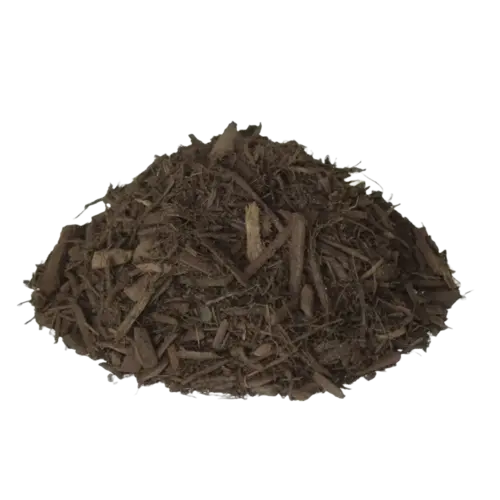
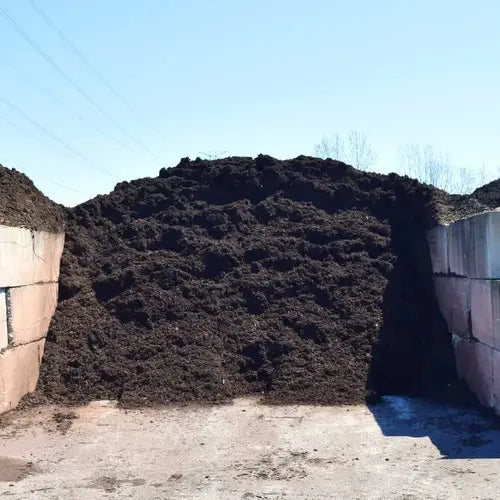
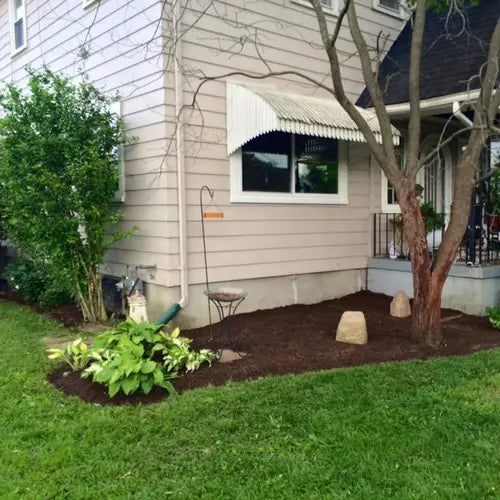
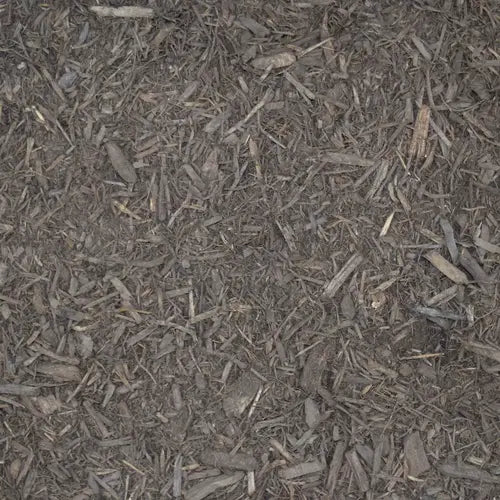
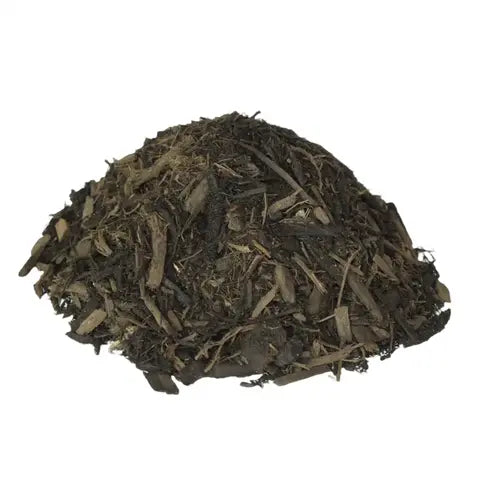
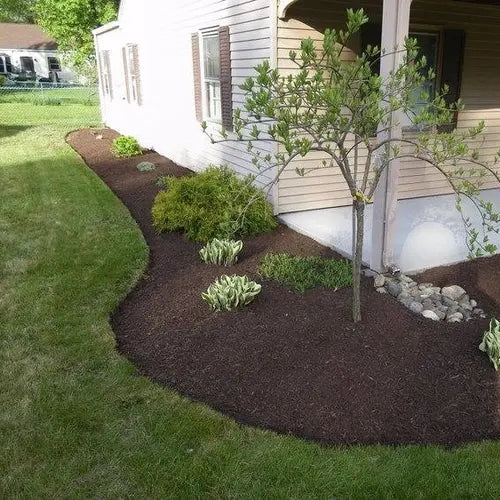
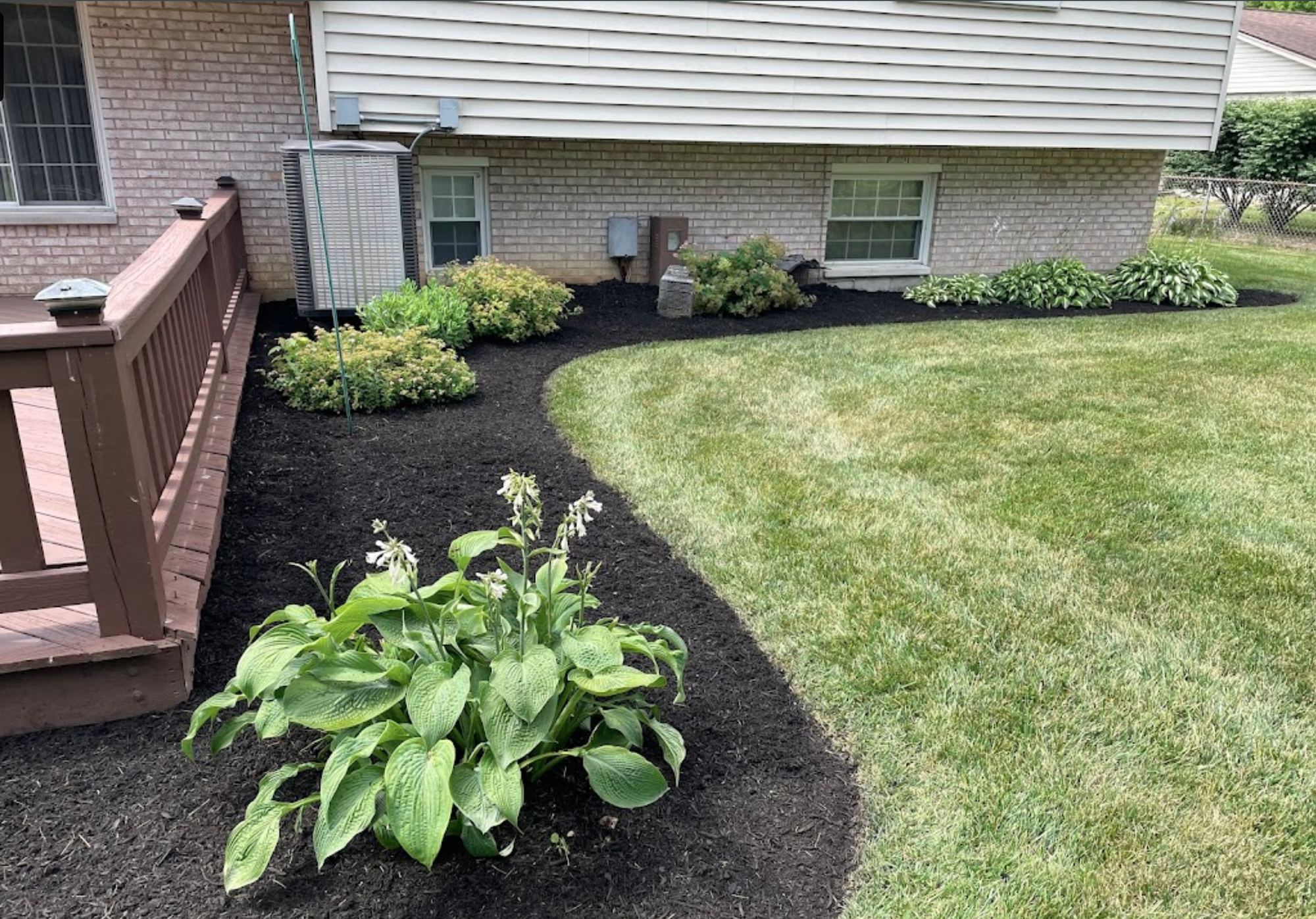
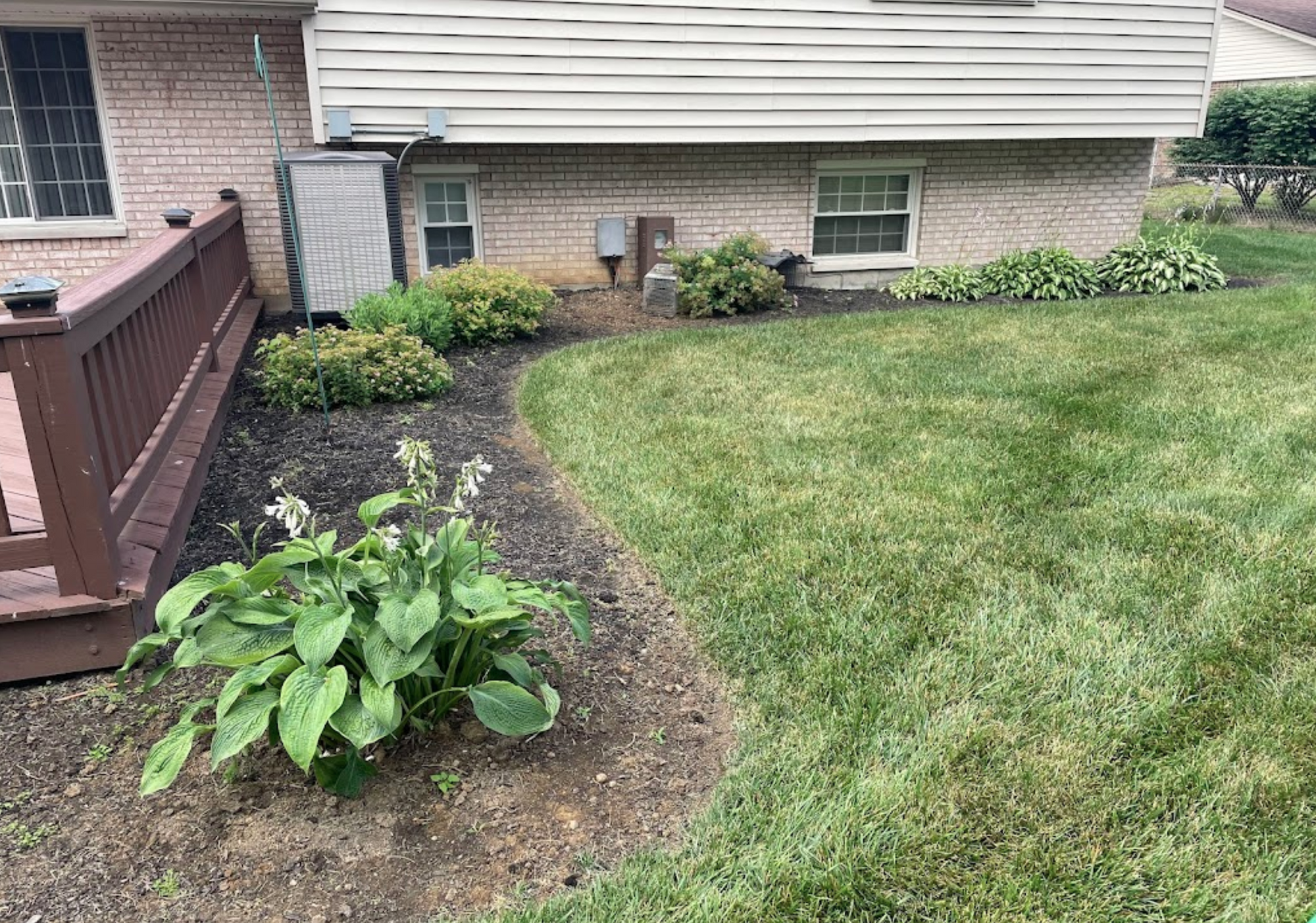
Warm brown double shredded mulch with lasting color that looks freshly applied for weeks. Spreads smooth, stays put, and gives beds a natural, polished appearance.
Mulch Mound delivered a yard of pea gravel to us. Delivery was on time, driver was friendly and hit a bullseye on the “tarp target”. We used the pea gravel (which was diameter as specified) to fill several muskrat holes around our pond. I would definitely recommend Mulch Mo...
Tell us what you're looking for
Thanks! We received your request.
Something went wrong. Please try again.
How Much Material Do I Need?
A three-inch depth is the standard recommendation for Richmond's silt clay landscape beds, providing enough insulation and weed suppression without adding excess moisture retention on top of already slow-draining soil. For sloped beds or areas exposed to Richmond's heavier spring rains, a loose four-inch application accounts for settling and displacement over the season.
Use our free mulch calculator
What is a yard?
A yard is approximately 27 cubic feet. As a general guideline, one yard of material can cover an area of about 100-160 square feet at a 2-3 inch depth.
We can't take orders for this right now. Tell us what you need and we'll get back to you.
What do you need?
Thanks! We received your request.
Something went wrong. Please try again.
Hand-picked local yards
4,000+ regional deliveries
Dedicated support
Why order through Mulch Mound
The best local mulch, without the guesswork.
We hand-pick and partner with the best yards in your region, keep only the ones our buyers rate well, and back each load with our guarantee.
Mulch Mound Guarantee
If your mulch isn't the quantity or quality you ordered, we'll make it right.
About this mulch
Warm brown double shredded mulch with lasting color that looks freshly applied for weeks. Spreads smooth, stays put, and gives beds a natural, polished appearance.
Mulch Mound delivered a yard of pea gravel to us. Delivery was on time, driver was friendly and hit a bullseye on the “tarp target”. We used the pea gravel (which was diameter as specified) to fill several muskrat holes around our pond. I would definitely recommend Mulch Mo...
How Much Material Do I Need?
A three-inch depth is the standard recommendation for Richmond's silt clay landscape beds, providing enough insulation and weed suppression without adding excess moisture retention on top of already slow-draining soil. For sloped beds or areas exposed to Richmond's heavier spring rains, a loose four-inch application accounts for settling and displacement over the season.
Use our free mulch calculator
What is a yard?
A yard is approximately 27 cubic feet. As a general guideline, one yard of material can cover an area of about 100-160 square feet at a 2-3 inch depth.
Mulch Mound delivered a yard of pea gravel to us. Delivery was on time, driver was friendly and hit a bullseye on the “tarp target”. We used the ...
Read full review
Mulch Mound delivered a yard of pea gravel to us. Delivery was on time, driver was friendly and hit a bullseye on the “tarp target”. We used the pea gravel (which was diameter as specified) to fill several muskrat holes around our pond. I would definitely recommend Mulch Mound to a friend!
I can’t say enough good things about Mulch Mound! If you read my review below you will see I had a problem with my order. Mulch Mou...
Read full review
UPDATE!
I can’t say enough good things about Mulch Mound! If you read my review below you will see I had a problem with my order. Mulch Mound was quick to respond and solved the issue with my delivery. Will definitely be a customer next year.
First time purchase from Mulch Mound!! First what I liked! Easy to order online and straight forward pricing and delivery. The driver was on time and courteous and delivered my Mulch exactly where I requested! The product is of good quality and comparable to others I have purchased from before. Now what I DID’NT LIKE! I have been mulching the same house and yard for almost 20 years. I always order the same amount and don’t have any issues with covering the same area but this year I fell about a yard short. I was home when the mulch was delivered and when the driver dumped it I noticed that it seemed a bit less than I was used to. I didn’t apply it any thicker than usual and probably a bit thinner than usual because I was worried about running out.
Measure the length and width of each bed in feet, multiply them together, and divide by 12 to estimate cubic yards for a three-inch application depth. Richmond's silt clay soil benefits from a consistent three-inch layer across most bed types, so rounding up slightly is better than coming up short. If your yard has sloped areas that shed mulch during heavy spring rains, add a little extra material for those sections to account for displacement.
Mulch vs. No Mulch: The Difference
Richmond's Zone 6b climate and high annual rainfall affect how quickly mulch breaks down and how long dyed mulch holds its color through the season. Natural hardwood mulch decomposes faster in Richmond's humid summers, which is actually beneficial because it gradually adds organic matter to your silt clay soil and slowly improves its structure. Dyed mulch holds its appearance longer season to season, but in Richmond's wet conditions it is important to choose a colorfast, non-toxic product to avoid runoff concerns in your beds and lawn.
Before
After
Best Mulch Choice for Richmond Lawns
Most yards in the Richmond area sit on Silt Clay type of soil. Richmond's silt clay soil is prone to compaction and poor aeration, which makes it harder for plant roots to spread and for water to move through the soil profile the way plants need to thrive. Adding a quality mulch layer on top of your beds is one of the simplest steps you can take to protect that soil structure and reduce the impact of heavy rainfall or foot traffic on an already dense soil type.
Hardwood Mulch
Shredded hardwood mulch is particularly well-matched to Richmond's silt clay soil because as it decomposes it releases organic matter that slowly improves soil structure, increasing the number of pore spaces that allow water and air to move through what is otherwise a dense, tight soil profile. Over several seasons of consistent mulching, homeowners with silt clay yards in Richmond often notice that their beds drain better and plant roots establish more easily.
Mulch Types We Deliver in Richmond
Mulch Mound delivers fresh bulk mulch by the cubic yard throughout Richmond, Kentucky, making it simple to cover beds, borders, and pathways without hauling bags from a store. If you have been searching for bulk mulch delivery near me, we bring the full load right to your driveway so you can start working the same day. Our mulch varieties are well matched to the warm summers and clay soils common across this part of central Kentucky.
Dyed Black Mulch
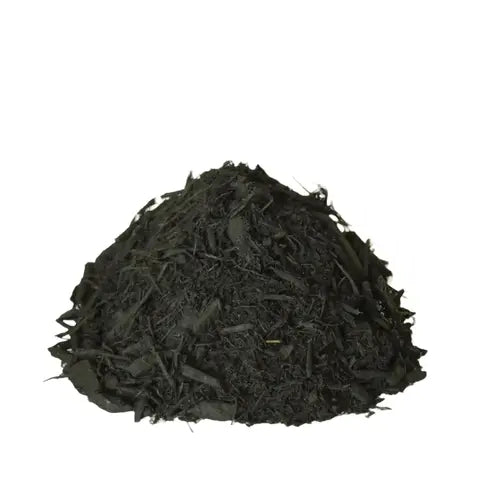
Bold and striking, dyed black mulch is double shredded for a smooth spread across beds and borders. The rich color holds strong through Kentucky summers and seasonal rains. It pairs well with the brick and neutral siding common on homes in central Kentucky, giving any landscape a sharp and polished finish.
Dyed Brown Mulch
Warm and inviting, dyed brown mulch comes double shredded and keeps its freshly applied appearance for weeks under full sun. It blends naturally with central Kentucky lawns and suits both traditional and newer landscape styles. Homeowners who want lasting color without a bold contrast will find it a reliable and easy to maintain choice.
Natural Brown Mulch
Natural brown mulch draws its warm earthy tone straight from the wood with no dyes added. Available in double shredded style, it spreads cleanly over the heavy clay soils common in this part of Kentucky. It suits homeowners who prefer an honest and organic look that complements native plantings and established garden beds.
Complete Your Outdoor Mulch Project
If your silt clay beds need a nutrient boost before mulching, pairing a bulk topsoil or garden soil delivery with your mulch order sets your plants up for success from the ground up. Adding a border of decorative stone along bed edges also helps contain mulch during Richmond's heavy rain events and gives your landscape a clean, finished look.
Richmond's silt clay soil tends to form a hard crust when exposed to sun and rain. Before laying fresh mulch in spring, break up that crust with a garden fork and work in a thin layer of compost if possible. Loosening the top few inches of soil first lets the mulch do its job of retaining moisture more effectively, because water can actually penetrate instead of pooling on top of a sealed surface and running off into the lawn.
Mulch Mound Pro Tip
Timing your mulch application relative to Richmond's frost dates makes a meaningful difference. If you mulch too early in spring before the soil has warmed past the April 15 last frost window, you can slow soil warming and delay planting. Wait until nighttime lows are consistently above 40 degrees, then lay your mulch to lock in that warmth and give transplants a more stable root environment through the early growing season.
Mulch Mound Pro Tip
With 46 inches of rainfall per year, Richmond landscapes deal with significant water movement across beds and lawns throughout the year. Mulch is one of the most cost-effective ways to slow that runoff and protect topsoil from washing away during spring storms. Keeping a three-inch layer consistently in place across all your beds reduces soil erosion, cuts down on the muddy mess that silt clay produces after heavy rains, and helps filter water before it reaches storm drains.
Frequently Asked Questions
Click a question to see the answer
Answer
How deep should I apply mulch in Richmond to protect roots through a Zone 6b winter?
A layer of three to four inches is ideal for most Richmond beds. That depth is thick enough to insulate roots during the freeze and thaw cycles that hit between late October and mid-April, but not so deep that it stays soggy on top of your silt clay soil and invites rot around plant crowns.
Answer
Does mulch help with the compaction and drainage problems I always notice in my Richmond yard?
Mulch does not fix drainage directly, but it prevents the surface sealing that silt clay is prone to when rain hits bare ground. When mulch covers the soil, rainwater slows down and has time to percolate rather than sheeting off. Over time, as the mulch breaks down and adds organic matter, your silt clay gradually becomes more permeable and easier to work with.
Answer
When is the best time to put down fresh mulch here in Richmond?
Early spring, just after the last frost around April 15, is the prime window for mulching in Richmond. The soil has had time to warm slightly, and laying mulch then helps it hold that warmth through cool nights. A second refresh in late September before the October 28 first frost gives your perennials and shrubs added root protection heading into winter.
Answer
Will dyed mulch fade quickly given how much rain Richmond gets each year?
Richmond's 46 inches of annual rainfall does accelerate color loss in dyed mulch, especially in shaded beds where moisture lingers. Black and brown dyed options tend to hold color longer than red. If color retention is a priority, plan to refresh or top-dress once a season. Natural hardwood mulch avoids the fading issue entirely and blends into the landscape as it breaks down.
Answer
Can I put mulch right up against my house foundation in Richmond?
Keep mulch pulled back at least two to three inches from your foundation. Richmond's rainfall levels mean that mulch packed against a foundation stays wet for extended periods, which can encourage wood rot and create conditions that attract pests. A thin layer of decorative stone along the foundation line pairs well with mulched beds just beyond it.
Answer
How often should I refresh my mulch given the heat and humidity we get in Richmond summers?
In Richmond's humid summers, hardwood mulch breaks down faster than in drier climates, so most homeowners find they need to top-dress every 12 to 18 months. If you are using mulch primarily for weed suppression, check the depth in spring. When it has compressed below two inches, it is time to add a fresh layer.
Answer
Does it matter what kind of mulch I use around native shrubs and plants common in central Kentucky?
Native plants adapted to central Kentucky's silt clay soils generally do best with shredded hardwood mulch, which mimics the natural forest floor duff that builds up under deciduous trees. It holds moisture without waterlogging, decomposes at a pace that feeds soil biology, and insulates roots through Richmond's variable spring and fall temperatures.
The Unique Landscape of Richmond
Richmond's silt clay soil is dense and slow to drain, which means bare plant beds often stay waterlogged after rain and then crack and harden once dry weather returns. Laying a proper layer of mulch creates a buffer that slows evaporation during dry stretches between storms, helping roots stay consistently moist without sitting in standing water. With roughly 46 inches of rainfall each year, Richmond landscapes are vulnerable to surface erosion on bare soil, and mulch acts as a protective blanket that keeps topsoil in place during heavy downpours. The local growing season runs from around April 15 to October 28, and mulch helps moderate the wild swings in soil temperature that occur during the shoulder seasons. Keeping beds mulched through winter also protects shallow root systems from the repeated freeze and thaw cycles that Zone 6b winters bring at Richmond's elevation of 978 feet.