




Very happy with the ease of ordering. Delivery went exactly as planned. Garden soil looks great and couldn’t be happier.
About this soil
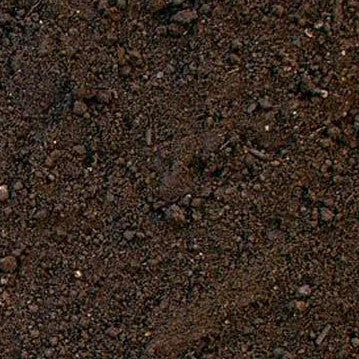
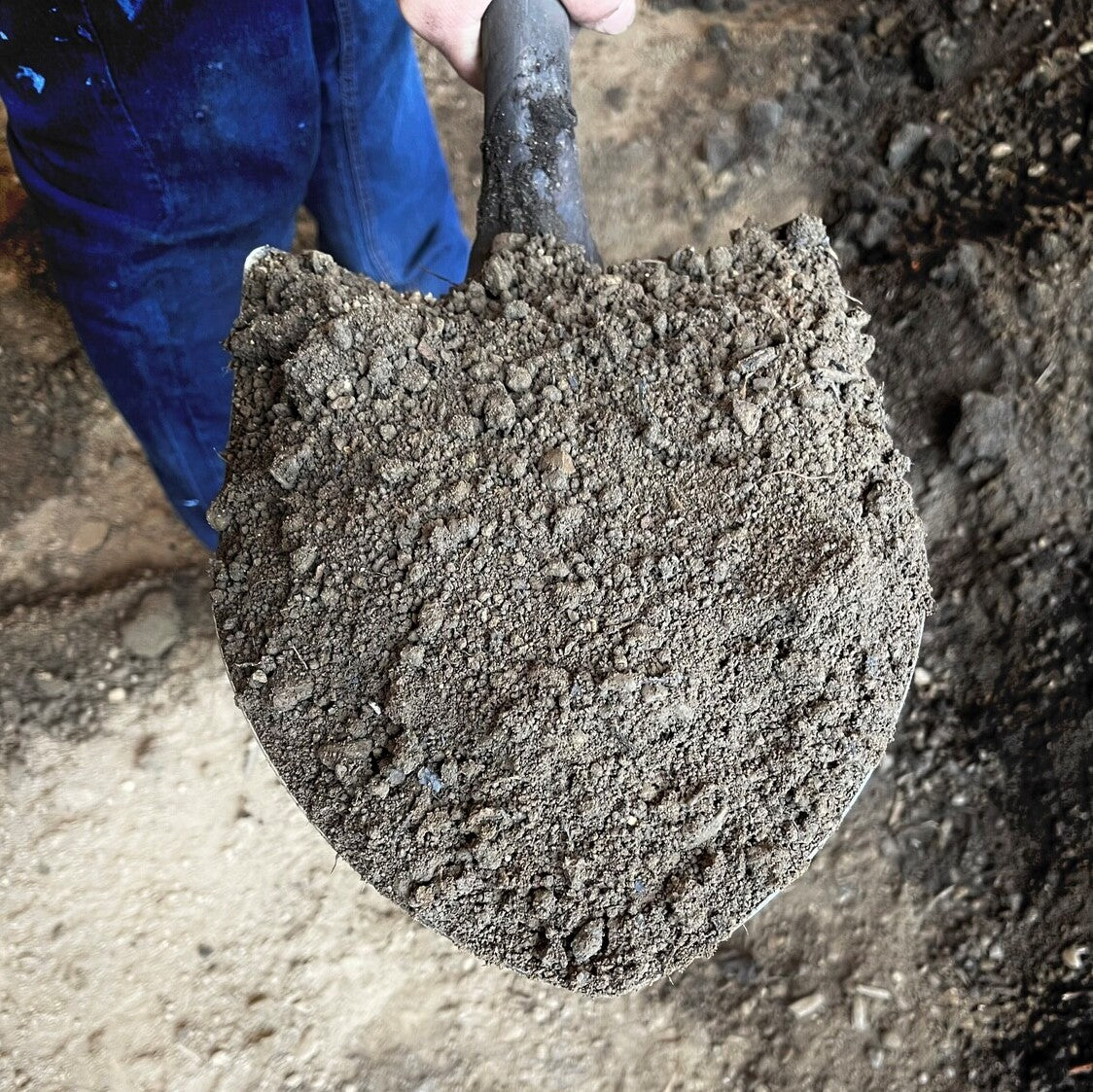
Quality topsoil for lawns, gardens, and landscape projects. Nutrient rich and ready to support strong root development and healthy plant establishment.
Very happy with the ease of ordering. Delivery went exactly as planned. Garden soil looks great and couldn’t be happier.
Tell us what you're looking for
Thanks! We received your request.
Something went wrong. Please try again.
How Much Material Do I Need?
How Much Material Do I Need?
For garden bed preparation over Richmond's silt clay, a minimum of six inches of quality topsoil or garden blend gives plant roots enough workable depth to establish before hitting the dense native layer beneath. For filling raised beds completely, 10 to 12 inches of material gives most vegetable and perennial crops the full root zone they need for the length of Richmond's growing season.
Use our free soil calculator
What is a yard?
What is a yard?
FAQs
FAQs
Richmond Soil Delivery
Richmond Soil Delivery
Regular price
$64.00
per
yard
Regular price
Sale price
$64.00
Unit price
per
Shipping calculated at checkout.
Minimum of 3 yard
Couldn't load pickup availability
Not currently available
We can't take orders for this right now. Tell us what you need and we'll get back to you.
Hand-picked local yards
4,000+ regional deliveries
Dedicated support
Why order through Mulch Mound
The best local soil, without the guesswork.
We hand-pick and partner with the best yards in your region, keep only the ones our buyers rate well, and back each load with our guarantee.
Mulch Mound Guarantee
If your soil isn't the quantity or quality you ordered, we'll make it right.
About this soil
Quality topsoil for lawns, gardens, and landscape projects. Nutrient rich and ready to support strong root development and healthy plant establishment.
Very happy with the ease of ordering. Delivery went exactly as planned. Garden soil looks great and couldn’t be happier.
How Much Material Do I Need?
How Much Material Do I Need?
For garden bed preparation over Richmond's silt clay, a minimum of six inches of quality topsoil or garden blend gives plant roots enough workable depth to establish before hitting the dense native layer beneath. For filling raised beds completely, 10 to 12 inches of material gives most vegetable and perennial crops the full root zone they need for the length of Richmond's growing season.
Use our free soil calculator
What is a yard?
What is a yard?
FAQs
FAQs
Tell us what you're looking for
Thanks! We received your request.
Something went wrong. Please try again.
How It Works
Getting started is easy — just follow these simple steps
1
Choose your soil
Make sure you adjust the quantity to your home's needs. You can use our calculator to estimate how much you'll need.
2
Select your delivery date
Select a delivery date you'd like for the product to be dropped off at your home
3
Sit back and wait
Sit back, wait, and let us work our magic to make sure the highest quality product is delivered to your driveway.

Really appreciate the care and follow thru that this company had with our order. A hiccup came up but they were quick to respond and address all co...
Read full review
Really appreciate the care and follow thru that this company had with our order. A hiccup came up but they were quick to respond and address all concerns, which made our garden day a success! Thank you for your prompt care.

Highest compliments. Great driver.
Website is easy to navigate. Just a seamless process. 5 stars!!
Need Help Calculating How Much Soil You Need?
Use our NEW Trace from Satellite tool to get an estimate for your project based on an aerial view of your property
Try Our CalculatorMeasure the square footage of your project area and decide on your target depth to calculate how many cubic yards you need. For raised beds, aim for 10 to 12 inches of depth. For lawn leveling in Richmond, work in one-inch applications at a time to avoid smothering existing grass. One cubic yard covers approximately 100 square feet at three inches deep, which is a useful baseline for most grading and bed prep projects.
Soil Types We Deliver in Richmond
Whether you are filling raised beds, grading a yard, or establishing new turf, having the right foundation soil makes all the difference in central Kentucky's clay-heavy ground. We offer bulk topsoil by the yard in Richmond so homeowners and landscapers can get exactly the volume they need without the hassle of hauling bags. Our deliveries are scheduled to fit your project timeline, and every load is measured to help you avoid waste.
Screened Top Soil
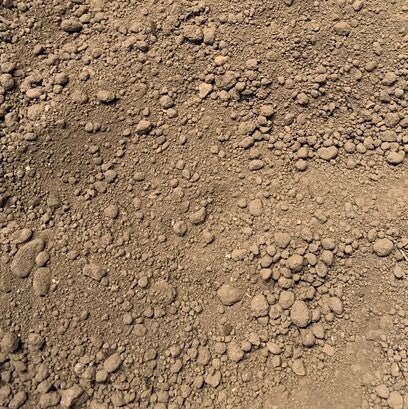
Our screened top soil is run through a fine screen to remove rocks, clumps, and debris, leaving a clean, workable material that blends easily with Richmond's native clay. It is nutrient rich and well suited for lawn repairs, garden beds, and new landscape installations where strong root development and healthy plant establishment are the priority.
Complete Your Outdoor Soil Project
Topping finished garden beds with a layer of mulch after soil installation helps retain moisture and reduces the surface crusting that Richmond's silt clay is prone to when bare soil dries between rains. For pathways and borders around your soil project, a decorative stone layer adds structure and keeps mulch and fresh soil in place during heavy spring downpours.


Service area
Areas we deliver soil in Richmond, Kentucky
Mulch Mound Pro Tip
Before placing bulk topsoil for a raised bed or grading project in Richmond, take a few minutes to loosen the top layer of your native silt clay with a fork or tiller. Even a few inches of aeration in that underlying layer helps the fresh topsoil drain better by breaking up the hard interface between the two materials. Without that step, water can pool at the boundary and create a soggy layer right where roots want to grow.
Mulch Mound Pro Tip
Richmond's growing season runs from April 15 to October 28, giving you roughly 196 days to work with. If you are filling raised vegetable beds, consider working a small amount of compost into your bulk topsoil to boost early-season nutrient availability. The native silt clay soil around Richmond lacks the organic matter content most vegetables prefer, and a blend of quality topsoil with compost gives transplants a strong start during the warm weeks that follow your last frost date.
Mulch Mound Pro Tip
For lawn leveling projects in Richmond, avoid working the soil when the ground is saturated. Silt clay holds water tightly, and spreading topsoil over a waterlogged surface traps that moisture underneath, creating a muddy layer that makes grading results uneven and slows grass establishment. Wait for a dry stretch of three to five days after a rain before starting your leveling work, and your results will be noticeably more consistent and long-lasting.
The Unique Landscape of Richmond
Richmond's native silt clay soil is rich in minerals but challenging to work with because it compacts easily, drains slowly, and becomes sticky and unworkable when wet. For gardeners trying to grow vegetables, build raised beds, or establish new lawn areas, bringing in a quality bulk soil dramatically speeds up the process compared to trying to amend native clay over multiple seasons. The Zone 6b climate gives Richmond homeowners a growing season from about April 15 to October 28 that is long enough for a wide variety of edibles and ornamentals, but only if the soil in those beds actually supports root development. At 978 feet of elevation, Richmond can experience rapid soil temperature swings in spring and fall that stress plants already dealing with poor drainage. Fresh bulk topsoil or garden blend gives you a clean start with the texture and nutrient profile your plants actually need.