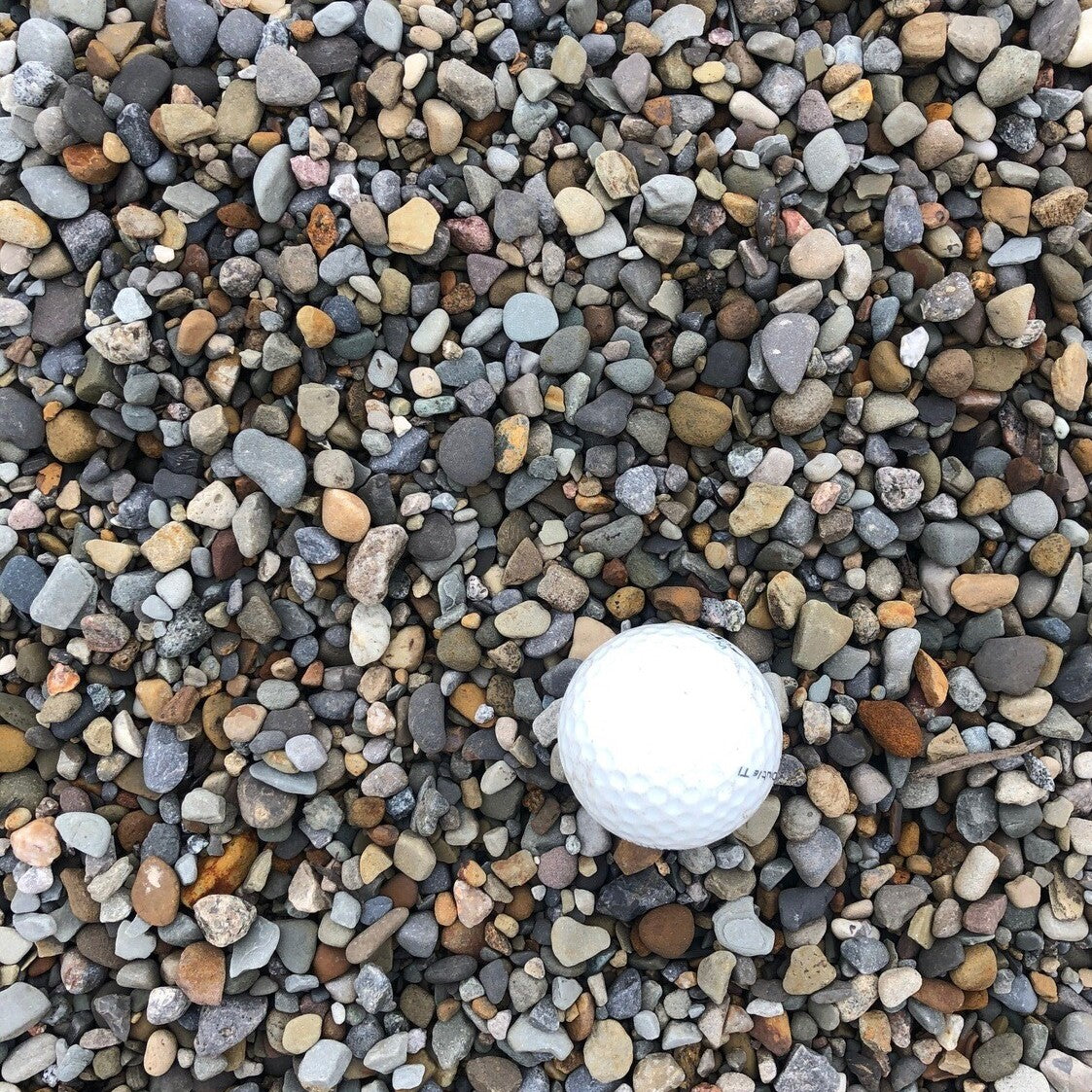
Classic pea gravel with smooth, rounded edges and natural earth tones. A versatile favorite for pathways, patios, drainage, and decorative ground cover.
My experience with Mulch Mound was great and super easy. I ordered two yards of screened topsoil and was able to get it delivered within 2 days. They came in my requested time frame (afternoon) and dropped it off where I asked on my driveway. The topsoil was exactly what was a...
Classic pea gravel with smooth, rounded edges and natural earth tones. A versatile favorite for pathways, patios, drainage, and decorative ground cover.
My experience with Mulch Mound was great and super easy. I ordered two yards of screened topsoil and was able to get it delivered within 2 days. They came in my requested time frame (afternoon) and dropped it off where I asked on my driveway. The topsoil was exactly what was a...
How Much Material Do I Need?
For decorative ground cover applications over Richmond's silt clay soil, a two to three inch layer of stone gives adequate coverage and allows for seasonal settling without exposing bare soil. For functional drainage channels and dry creek beds, four to six inches of clean stone ensures enough depth to move water effectively even during Richmond's heavier spring rain events.
Use our free stone calculator
What is a yard?
A yard is approximately 27 cubic feet. As a general guideline, one yard of material can cover an area of about 100-160 square feet at a 2-3 inch depth.
My experience with Mulch Mound was great and super easy. I ordered two yards of screened topsoil and was able to get it delivered within 2 days. Th...
Read full review
My experience with Mulch Mound was great and super easy. I ordered two yards of screened topsoil and was able to get it delivered within 2 days. They came in my requested time frame (afternoon) and dropped it off where I asked on my driveway. The topsoil was exactly what was advertised, clean with no rocks or other debris. The price was reasonable. I plan to use them again in a couple weeks to order compost for my garden beds.
To estimate stone for a pathway or drainage area, multiply the length by the width in feet and divide by 12 to get cubic yards for a three-inch layer. For drainage swales in Richmond, depth matters more than surface coverage, so err on the side of more material to keep channels functional during heavy rain events. Having a small surplus on hand is useful since Richmond's silt clay base tends to shift seasonally and occasional top-dressing keeps coverage even.
Complete Your Outdoor Stone Project
Combining a stone border or pathway with mulched planting beds creates a cohesive look that also serves a functional purpose, keeping mulch contained during Richmond's rain events and giving water a clear path away from your beds. If you are also doing any grading or raised bed work, a bulk topsoil order alongside your stone delivery lets you address both drainage and soil quality in a single project.
In Richmond's Zone 6b climate, the freeze and thaw cycles between late October and mid-April are hard on poorly installed stonework. The silt clay soil expands slightly when it freezes and contracts when it thaws, which gradually pushes surface stones out of alignment. Installing stone over a compacted gravel base rather than directly on native clay prevents most of this heaving and keeps your pathway or border looking neat through multiple winters without constant resetting.
Mulch Mound Pro Tip
If you are using stone for a dry creek bed or drainage channel in Richmond, be intentional about where it starts and ends. Your channel should begin at the lowest point where water pools and end at a natural outlet like a slope edge or rain garden. Richmond's silt clay does not absorb water quickly during heavy rains, so a drainage channel that dead-ends in the yard simply creates a new pooling spot rather than solving the original drainage problem.
Mulch Mound Pro Tip
Stone mulch over landscape fabric can look clean for years in Richmond, but the silt clay soil beneath gradually works its way up through the fabric over time, especially in areas with heavy foot traffic or significant rainfall. Plan to lift and reset stone areas every five to seven years, removing accumulated fine soil from the top of the fabric before it becomes a growing medium for weeds. This maintenance cycle is much less frequent than organic mulch but worth building into your long-term landscape plan.
The Unique Landscape of Richmond
Decorative and functional stone is one of the most practical landscape investments Richmond homeowners can make, particularly given the challenges that silt clay soil and nearly 46 inches of annual rainfall create. Stone pathways and drainage channels give water somewhere to go when Richmond's heavy spring rains fall faster than the dense native soil can absorb them. Unlike organic materials, stone does not break down in Richmond's humid summers and does not require seasonal replacement. It holds up through the freeze and thaw cycles that Zone 6b winters bring between late October and mid-April, and it does not attract the insects or mold that wet mulch can in humid conditions. Whether used for decorative bed borders, foundation plantings, or functional drainage swales, stone is a low-maintenance material that works with Richmond's climate rather than against it.
Frequently Asked Questions
Click a question to see the answer
Answer
What size stone works best for drainage areas in Richmond yards with silt clay soil?
For drainage swales and dry creek beds in Richmond, a clean washed river stone in the one to three inch range allows water to move through freely without the fine particles that cause clogging in tighter stone. Silt clay does not allow water to percolate quickly, so keeping drainage channels open with larger, clean stone is especially important here. For French drain applications alongside structures, a half-inch to one-inch clean gravel gives the best combination of flow rate and stability.
Answer
Will decorative stone wash away in Richmond's heavy spring rains if I use it on a slope?
Angular crushed stone holds much better on slopes than smooth river pebbles because the irregular edges lock together rather than rolling downhill. For steep slopes in Richmond, a compactable crushed limestone or granite in the quarter-inch to half-inch range packs well and resists displacement during heavy downpours common in spring. Flat flagstone or larger boulders anchored into the slope offer the most stable solution for severe grades.
Answer
Is gravel a good alternative to mulch for foundation plantings around my Richmond home?
Gravel and decorative stone are excellent alternatives to mulch along foundation borders in Richmond because they do not hold moisture against your home the way wet mulch can during the rainy season. They also do not break down and require annual replacement. The one consideration is that stone does not contribute organic matter to the silt clay soil beneath, so plants in stone beds may benefit from an occasional application of compost or fertilizer since the soil-building benefits of decomposing mulch are absent.
Answer
How do I keep stone pathways from sinking into Richmond's soft clay soil over time?
Silt clay soil in Richmond shifts with moisture changes, which means stone laid directly on unprepared ground will settle unevenly over time. The best approach is to excavate two to four inches of native soil, lay a compact base of crushed limestone or gravel, compact it firmly, and then place your decorative stone on top. That base layer distributes weight more evenly and gives water a place to drain so freeze and thaw cycles between late October and mid-April do not heave your pathway stones out of alignment.
Answer
What is the best stone for a low-maintenance yard area in Richmond where grass just will not grow?
River pebbles or pea gravel are popular low-maintenance ground cover options for shaded or high-traffic areas in Richmond where turf struggles to establish. Under trees, where root competition and shade make grass thin and patchy, a two to three inch layer of pea gravel or river rock gives a clean, finished look without requiring mowing or replanting each season. Pairing it with a landscape fabric base reduces weeds working up through the stone over time.
Answer
Can I use decorative stone to help control erosion on a sloped part of my Richmond yard?
Absolutely, and it is one of the most effective erosion control methods for Richmond's silt clay slopes. Large chunky rip rap stone is commonly used along steeper grades to absorb the energy of moving water before it can displace soil. For gentler slopes, a dry creek bed built with river stone channels runoff along a controlled path and prevents the gullying that Richmond's heavy rainfall can create on bare silt clay over time.
Answer
How much stone do I need for a simple backyard pathway in Richmond?
For a loose stone pathway in Richmond, plan on a two to three inch depth of material. Measure the length and width of your planned path in feet, multiply them together for square footage, and divide by 12 to estimate cubic yards for a three-inch depth. A modest 20 by 3 foot path would need about 0.55 cubic yards of stone. Ordering a little extra is smart in Richmond because the silt clay base tends to flex and settle seasonally, and having material on hand for touch-ups saves another delivery fee.