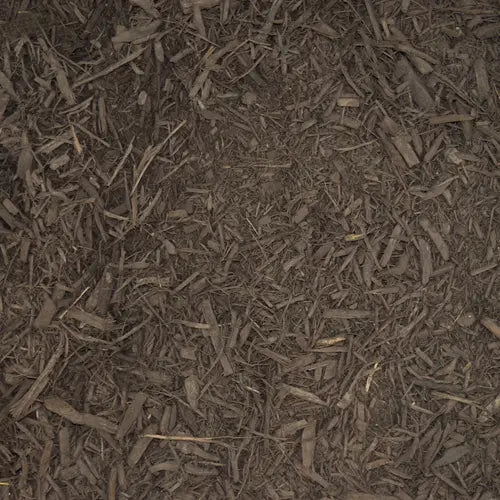
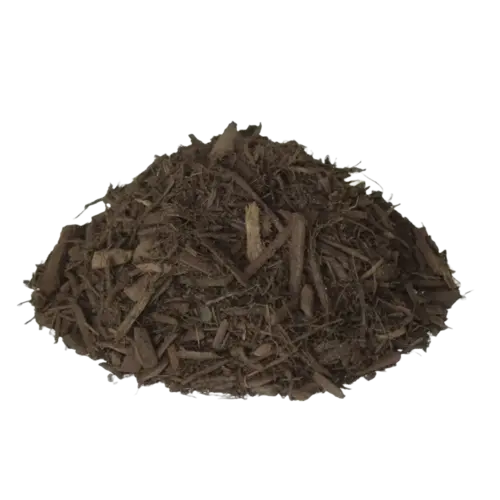
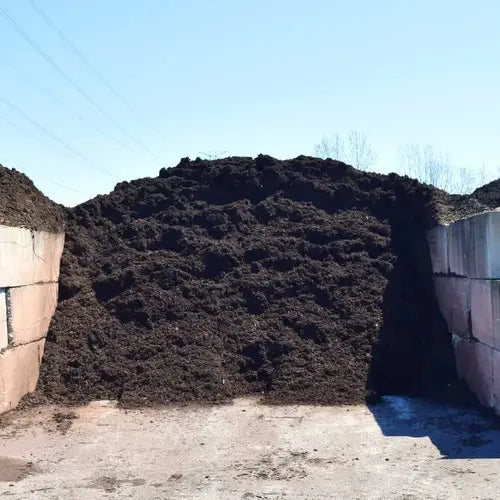
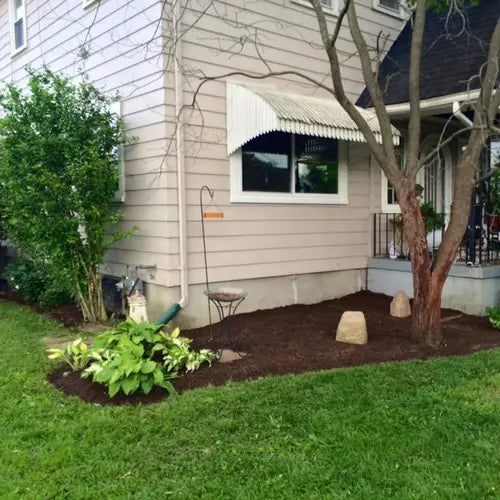
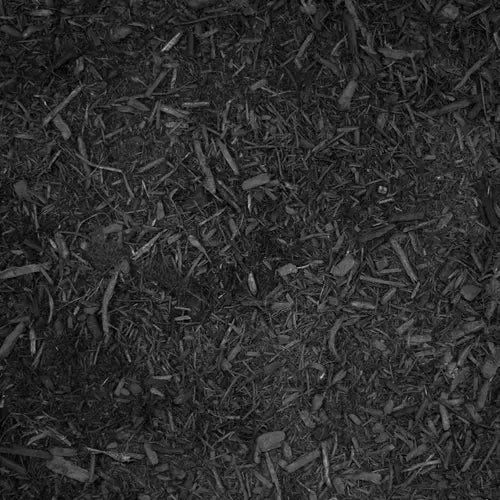
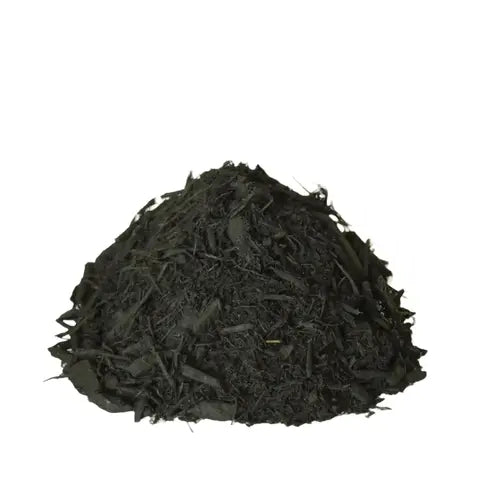
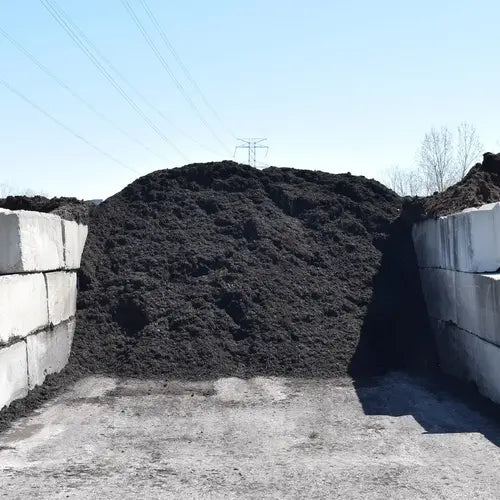
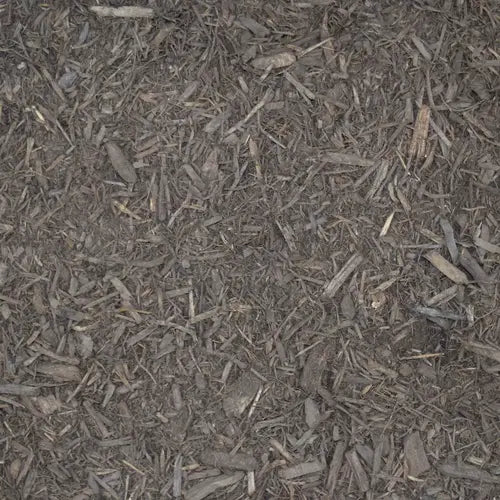
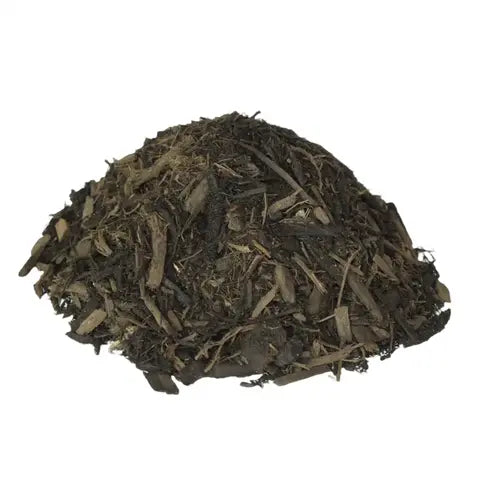
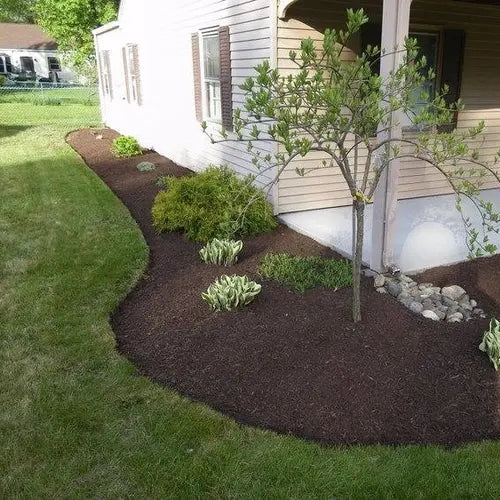
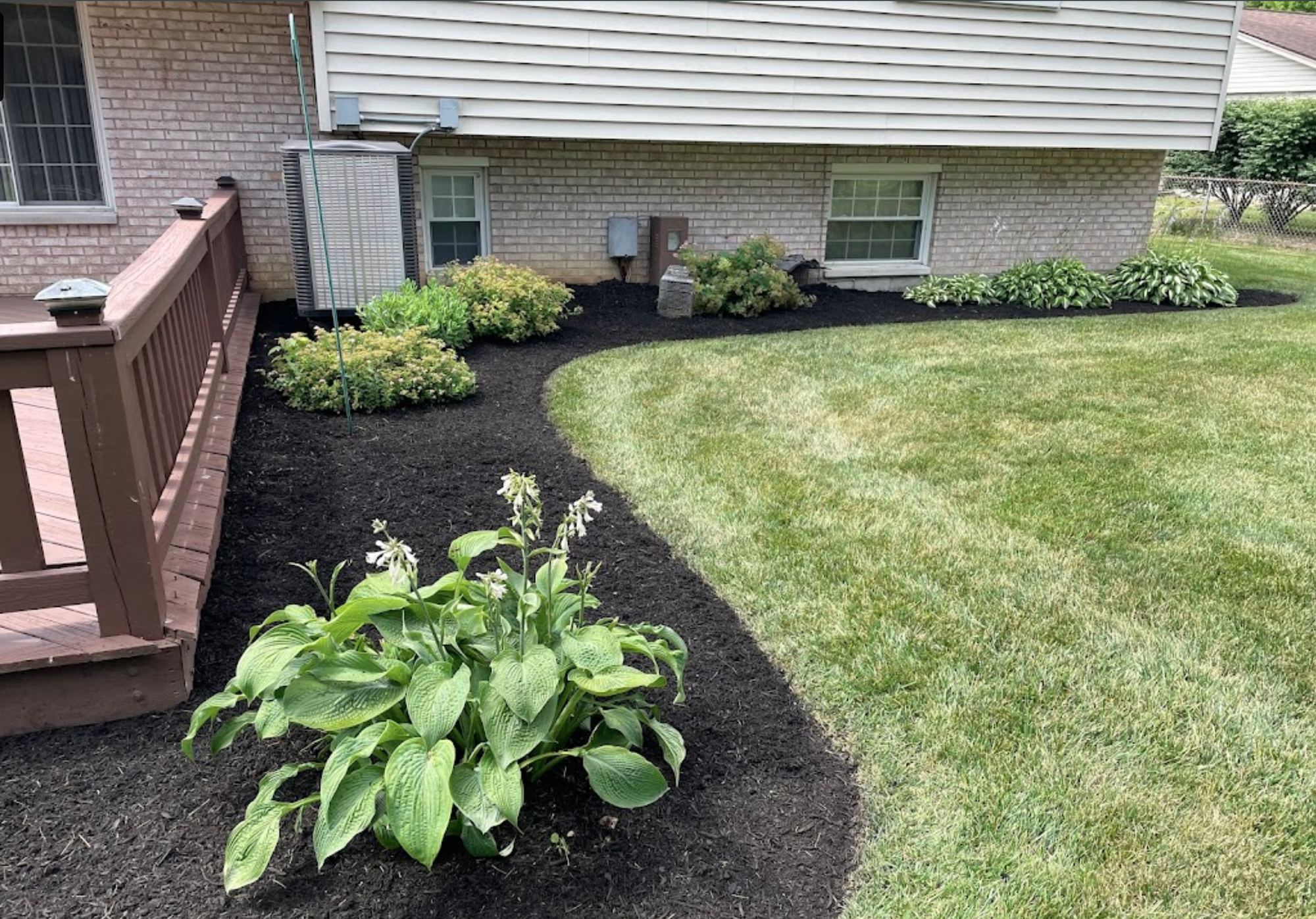
Warm brown double shredded mulch with lasting color that looks freshly applied for weeks. Spreads smooth, stays put, and gives beds a natural, polished appearance.
They offered a quick turnaround and delivered high quality mulch at a reasonable price. They also dropped it off exactly where I told them to put it. Good service!
Tell us what you're looking for
Thanks! We received your request.
Something went wrong. Please try again.
How Much Material Do I Need?
For most Rochester planting beds, a three-inch depth is the sweet spot, deep enough to suppress weeds and buffer moisture in sandy loam soil without smothering shallow roots. New beds or heavily depleted areas may benefit from a full four inches on the first application to build up the protective layer from scratch.
Use our free mulch calculator
What is a yard?
A yard is approximately 27 cubic feet. As a general guideline, one yard of material can cover an area of about 100-160 square feet at a 2-3 inch depth.
We can't take orders for this right now. Tell us what you need and we'll get back to you.
What do you need?
Thanks! We received your request.
Something went wrong. Please try again.
Hand-picked local yards
4,000+ regional deliveries
Dedicated support
Why order through Mulch Mound
The best local mulch, without the guesswork.
We hand-pick and partner with the best yards in your region, keep only the ones our buyers rate well, and back each load with our guarantee.
Mulch Mound Guarantee
If your mulch isn't the quantity or quality you ordered, we'll make it right.
About this mulch
Warm brown double shredded mulch with lasting color that looks freshly applied for weeks. Spreads smooth, stays put, and gives beds a natural, polished appearance.
They offered a quick turnaround and delivered high quality mulch at a reasonable price. They also dropped it off exactly where I told them to put it. Good service!
How Much Material Do I Need?
For most Rochester planting beds, a three-inch depth is the sweet spot, deep enough to suppress weeds and buffer moisture in sandy loam soil without smothering shallow roots. New beds or heavily depleted areas may benefit from a full four inches on the first application to build up the protective layer from scratch.
Use our free mulch calculator
What is a yard?
A yard is approximately 27 cubic feet. As a general guideline, one yard of material can cover an area of about 100-160 square feet at a 2-3 inch depth.
They offered a quick turnaround and delivered high quality mulch at a reasonable price. They also dropped it off exactly where I told them to put i...
Read full review
They offered a quick turnaround and delivered high quality mulch at a reasonable price. They also dropped it off exactly where I told them to put it. Good service!
Great experience! Easy to order, they delivered promptly and were very respectful of the property! Ordered the triple shredded brown mulch and it w...
Read full review
Great experience! Easy to order, they delivered promptly and were very respectful of the property! Ordered the triple shredded brown mulch and it was EXACTLY what I wanted. Very clean product too, no garbage or filler. Already put these guys in my calendar to order from next year! Keep up the good work.
To estimate how much mulch you need, measure the length and width of each bed in feet and multiply to get square footage, then use three inches as your target depth for Rochester's sandy loam conditions. Because sandy loam loses moisture quickly, skimping on depth means more frequent watering through dry mid-summer stretches. One cubic yard covers approximately 100 square feet at a three-inch depth, so divide your total square footage by 100 to get a solid starting estimate.
Mulch vs. No Mulch: The Difference
Rochester's Zone 6a climate brings five active growing months during which organic mulches are constantly breaking down in the heat and moisture of a New England summer. Natural hardwood mulch decomposes into soil-improving organic matter, which is a meaningful benefit given the low organic content typical of Rochester's sandy loam. Dyed mulches use colorfast pigments that hold their appearance through the full season, making them a popular choice for high-visibility beds where fresh color from May through October matters most.
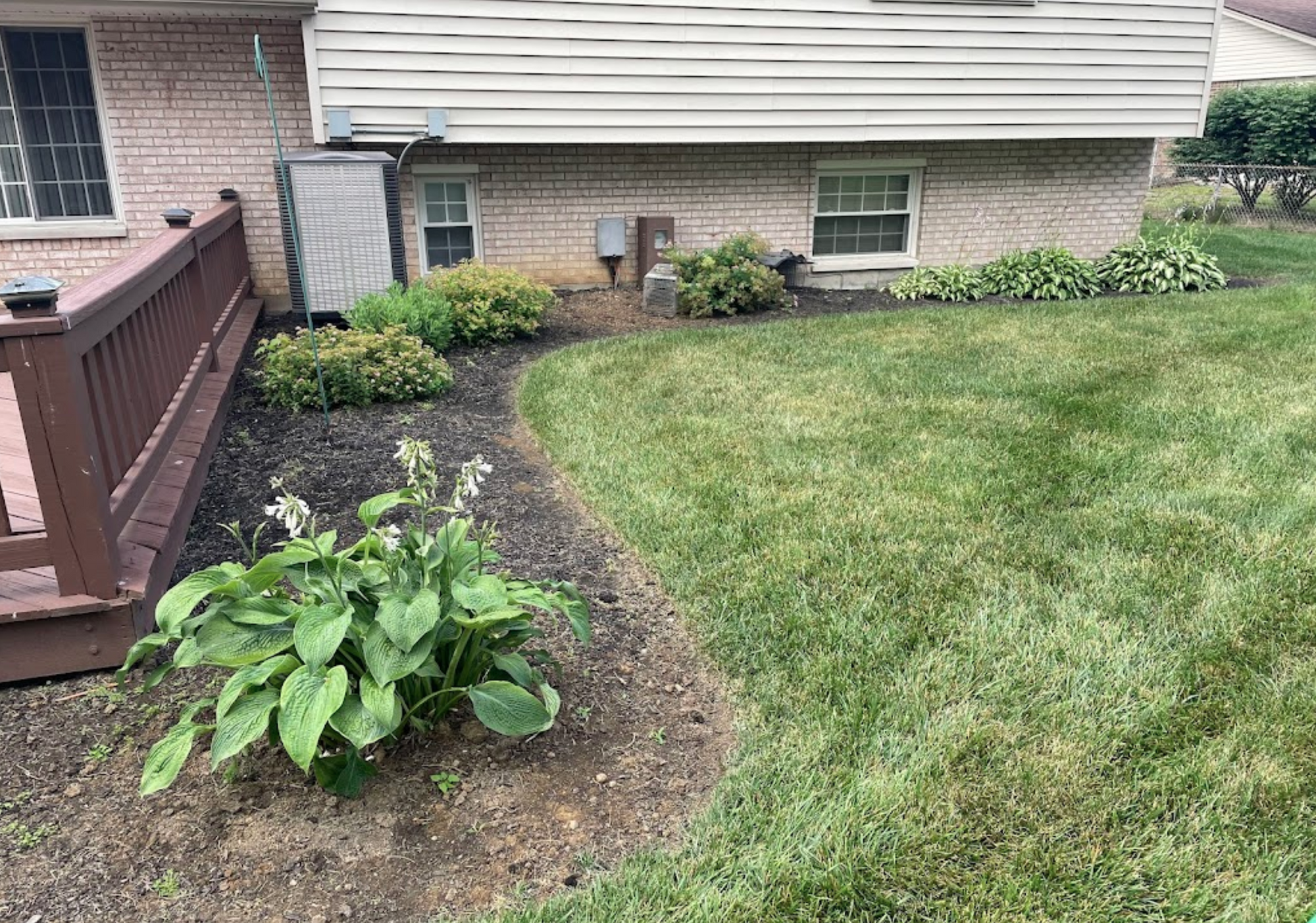
Before
After
Best Mulch Choice for Rochester Lawns
Most yards in the Rochester area sit on Sandy Loam type of soil. Rochester's sandy loam soil is loose and free-draining, which means plant beds can lose surface moisture rapidly during even short dry spells, leaving roots stressed before a homeowner realizes that watering is needed.
Hardwood Mulch
Hardwood mulch is particularly well-suited to Rochester's sandy loam because as it decomposes it contributes lignin-rich organic matter that binds sandy particles together, gradually improving both water retention and the soil's ability to hold nutrients between rain events.
Mulch Types We Deliver in Rochester
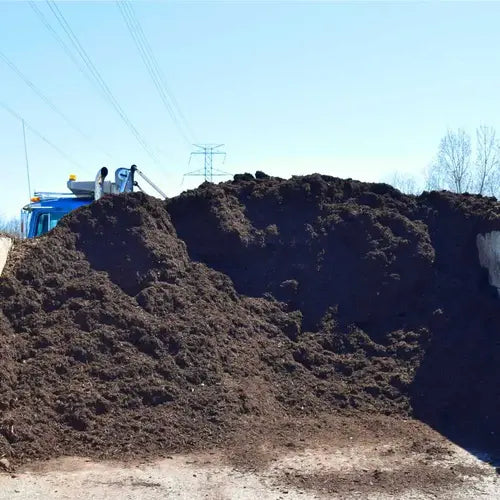
Mulch Mound delivers bulk mulch by the cubic yard directly to your property, so you can skip the store and cover more ground in less time. Whether you are searching for bulk mulch delivery in Rochester or just want fresh beds before the growing season kicks in, we bring the material right to your driveway. Every load is measured to order, making it easy to refresh gardens, tree rings, and borders in one trip.
Dyed Black Mulch
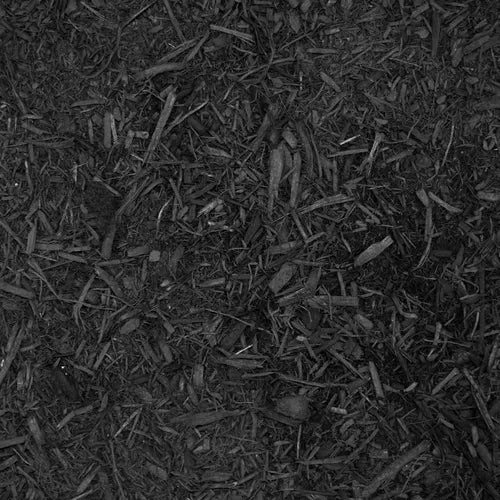
Our double shredded dyed black mulch brings a bold, high-contrast look that suits the traditional colonial and cape-style homes common in this part of New Hampshire. The rich color holds through wet springs and warm summers, and the fine texture spreads smoothly over foundation beds and tree rings.
Dyed Brown Mulch
Double shredded dyed brown mulch is the go-to choice for homeowners who want a warm, finished look without a stark contrast. The lasting color stays vibrant through New Hampshire's freeze-thaw cycles and heavy spring rains, making it a low-maintenance option for mixed perennial beds and along walkways.
Natural Brown Mulch
Natural brown double shredded mulch suits homeowners and gardeners who want an undyed material with an honest, earthy look. The warm tone comes straight from the wood itself, and the smooth texture spreads well around native plantings and vegetable beds that benefit from moisture retention through the region's cooler seasons.
Complete Your Outdoor Mulch Project
If your beds need a nutrient boost before mulching, consider pairing your mulch order with a load of blended garden soil to build up the organic content that Rochester's native sandy loam often lacks. Adding stone edging or border stone around bed perimeters also helps contain mulch during Rochester's heavy spring rain events and gives your landscape a clean, finished appearance.
Rochester's last frost around May 5 means the ground can still be cold when you are eager to start planting. Wait until soil temperatures have climbed above 50 degrees before laying mulch for the season. Applying mulch over cold soil locks the chill in and slows root development on transplants. A soil thermometer costs just a few dollars and gives you a much more reliable signal for timing than the calendar alone.
Mulch Mound Pro Tip
Hardwood mulch sold in bulk is almost always a better value per cubic yard than bagged product, but the real advantage in Rochester is consistency. Bulk mulch tends to come from a single source and is ground to a uniform size, which means it knits together more tightly and resists washing during the heavy rain events that move through the Seacoast region in spring. Bagged mulch often mixes materials and chunk sizes, leading to uneven coverage and faster displacement on sloped beds.
Mulch Mound Pro Tip
Rochester's 49 inches of annual rainfall sounds like enough to keep beds moist without much help, but that precipitation is unevenly distributed across the year. July and August often bring dry stretches of two to three weeks between significant rain events, which is exactly when a proper three-inch mulch layer earns its value. Mulch can cut surface evaporation by up to 50 percent, meaning your plants get far more benefit from each inch of rain that does fall during those dry midsummer gaps.
Frequently Asked Questions
Click a question to see the answer
Answer
How often should I re-mulch my beds in Rochester?
Because Rochester's growing season runs from roughly May 5 to October 10, organic mulches decompose actively for about five months each year. Hardwood mulches typically need topping off every one to two years, while finer bark products may break down faster during warm, wet summers. A good rule is to check depth in early May before the growing season begins and add material if you are below two inches.
Answer
Will Rochester's heavy rainfall wash my mulch away?
Rochester receives around 49 inches of rain per year, and heavy spring storms can displace lightweight mulch on sloped beds. Choosing a shredded hardwood mulch rather than a chip or nugget style helps, because the shredded fibers knit together and resist movement better. For beds on grades steeper than 10 to 15 percent, applying mulch at a full three-inch depth and keeping the area edged also helps hold material in place during intense rain events.
Answer
Does mulch help protect plants through Rochester winters?
Yes, and this is especially important in Zone 6a where ground temperatures can swing dramatically between November and March. Applying a layer of mulch in mid to late October, just after the first frost around the 10th, slows the rate at which soil freezes and thaws. This reduces frost heaving, which can push shallow-rooted perennials and newly planted shrubs right out of the ground before spring returns.
Answer
Is colored mulch safe for my vegetable garden in Rochester?
Dyed mulches use colorfast pigments that are generally considered safe, but many Rochester gardeners prefer to keep them away from edible beds out of an abundance of caution. For vegetable gardens and herb beds, a natural hardwood or bark mulch is the better choice. Natural mulches also break down into organic matter that improves Rochester's sandy loam soil over time, which is a meaningful bonus in nutrient-light native soils.
Answer
When is the best time to apply mulch in Rochester?
The ideal window is shortly after May 5, once the last frost has passed and soil temperatures are beginning to warm. Applying too early can trap cold in the ground and delay plant establishment. A second light application or refresh in early October, before the first frost around October 10, helps insulate root zones heading into winter and prepares beds for the freeze-thaw season ahead.
Answer
How deep should I mulch around my trees and shrubs in Rochester?
Two to three inches is the standard recommendation, but placement matters as much as depth. Keep mulch pulled back two to three inches from the base of tree trunks and shrub stems to prevent moisture buildup against the bark, which can cause rot during Rochester's wet springs. A wide, donut-shaped mulch ring extending out toward the drip line is far more effective than a deep volcano pile right at the trunk.
Answer
Can mulch actually improve Rochester's sandy loam soil over time?
Absolutely. Sandy loam drains quickly and has relatively low organic matter content, which means nutrients leach out faster than in heavier soils. As hardwood mulch breaks down, it contributes organic matter back into the top layer of soil, gradually improving water retention and nutrient-holding capacity. Over two to three seasons of consistent mulching, many Rochester gardeners notice measurably better moisture performance in their beds without any other soil amendments.
The Unique Landscape of Rochester
Rochester's sandy loam soil drains quickly, which means plant beds lose surface moisture faster than homeowners expect, especially during the dry stretches that occur between storm systems from late June through August. A quality mulch layer acts as a buffer, slowing evaporation and keeping root zones consistently moist without requiring daily watering. Rochester sits in Growing Zone 6a, meaning soil temperatures drop sharply after the first frost around October 10 and do not fully recover until well past the last frost date of May 5. Mulch insulates root systems through those long freeze-thaw cycles that are common in Strafford County winters, reducing heaving damage to shallow-rooted perennials and newly installed shrubs. With 49 inches of annual rainfall hitting Rochester, bare beds are also prone to surface erosion and nutrient runoff, and a mulch layer significantly reduces both. Keeping beds mulched year-round is one of the most effective low-effort strategies for maintaining healthy plants in this climate.