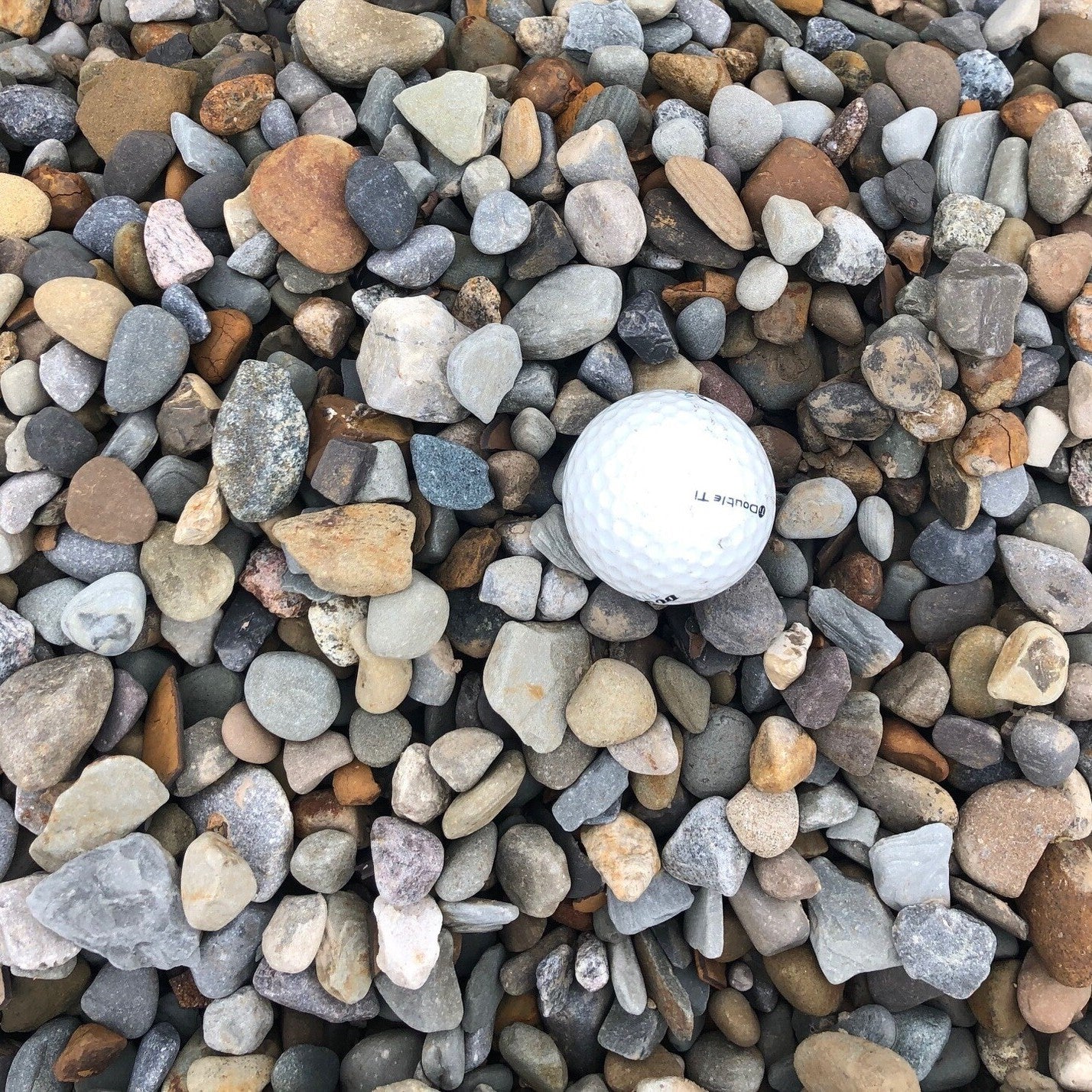
Number 57 crushed stone, angular limestone graded to about three quarters of an inch. The standard driveway, base and drainage gravel, it locks together under traffic and drains fast.
Mulch Mound delivered a yard of pea gravel to us. Delivery was on time, driver was friendly and hit a bullseye on the “tarp target”. We used the pea gravel (which was diameter as specified) to fill several muskrat holes around our pond. I would definitely recommend Mulch Mo...
Tell us what you're looking for
Thanks! We received your request.
Something went wrong. Please try again.
How Much Material Do I Need?
For decorative bed coverage in Rochester, two inches of stone is the minimum effective depth, while pathways and driveways should have at least three inches to maintain stability through the freeze-thaw season. Foundation borders benefit from a minimum three-inch depth to ensure consistent drainage performance during Rochester's heavy spring rain events and to keep the surface above the surrounding grade.
Use our free gravel calculator
What is a yard?
A yard is approximately 27 cubic feet. As a general guideline, one yard of material can cover an area of about 100-160 square feet at a 2-3 inch depth.
We can't take orders for this right now. Tell us what you need and we'll get back to you.
What do you need?
Thanks! We received your request.
Something went wrong. Please try again.
Hand-picked local yards
4,000+ regional deliveries
Dedicated support
Why order through Mulch Mound
The best local stone, without the guesswork.
We hand-pick and partner with the best yards in your region, keep only the ones our buyers rate well, and back each load with our guarantee.
Mulch Mound Guarantee
If your stone isn't the quantity or quality you ordered, we'll make it right.
About this stone
Number 57 crushed stone, angular limestone graded to about three quarters of an inch. The standard driveway, base and drainage gravel, it locks together under traffic and drains fast.
Mulch Mound delivered a yard of pea gravel to us. Delivery was on time, driver was friendly and hit a bullseye on the “tarp target”. We used the pea gravel (which was diameter as specified) to fill several muskrat holes around our pond. I would definitely recommend Mulch Mo...
How Much Material Do I Need?
For decorative bed coverage in Rochester, two inches of stone is the minimum effective depth, while pathways and driveways should have at least three inches to maintain stability through the freeze-thaw season. Foundation borders benefit from a minimum three-inch depth to ensure consistent drainage performance during Rochester's heavy spring rain events and to keep the surface above the surrounding grade.
Use our free gravel calculator
What is a yard?
A yard is approximately 27 cubic feet. As a general guideline, one yard of material can cover an area of about 100-160 square feet at a 2-3 inch depth.
Mulch Mound delivered a yard of pea gravel to us. Delivery was on time, driver was friendly and hit a bullseye on the “tarp target”. We used the ...
Read full review
Mulch Mound delivered a yard of pea gravel to us. Delivery was on time, driver was friendly and hit a bullseye on the “tarp target”. We used the pea gravel (which was diameter as specified) to fill several muskrat holes around our pond. I would definitely recommend Mulch Mound to a friend!
To calculate stone volume, measure your area in square feet and decide on a depth. For decorative beds, two inches is usually sufficient, while pathways and driveways in Rochester need three to four inches for stability through the Zone 6a freeze-thaw season. Multiply square footage by depth in feet, divide by 27 to get cubic yards, and add about 10 percent for settling, which is standard for any crushed stone application.
Stone Types We Deliver in Rochester
Mulch Mound delivers bulk stone by the cubic yard across Rochester, making it easy to complete drainage, landscaping, and hardscape projects without multiple trips to a supplier. If you have been searching for bulk gravel by the yard in Rochester, our direct driveway delivery keeps the job moving from the first scoop. We carry the variety New Hampshire homeowners reach for most, sized and priced for residential and light commercial use.
Pea Gravel
Pea Gravel is a smooth, rounded stone in warm earth tones that suits the colonial and cape style homes common throughout this part of New Hampshire. It moves water efficiently through the region's clay heavy soils and works well as a pathway surface, patio border fill, or low maintenance decorative ground cover.
Complete Your Outdoor Stone Project
If you are installing stone borders around planting beds, adding quality blended garden soil to the interior of those beds before the stone goes in will give your plants the best possible growing environment given Rochester's native sandy loam. For areas transitioning between stone and lawn, adding a thin layer of topsoil along the transition zone and edging the perimeter cleanly helps blend the two surfaces and reduces long-term maintenance.
One of the most overlooked steps in Rochester stone projects is proper base preparation before laying any crushed material. Sandy loam is loose enough that heavy stone can slowly sink into it over one or two winters without a stabilizing layer beneath. Compacting the native soil and laying landscape fabric before adding your stone will keep the surface level and prevent migration, saving you from having to add and relevel material every few years after frost season.
Mulch Mound Pro Tip
Rochester's growing season runs from May through October, which means any stone bed edged near a lawn will have active grass growing alongside it for five months each year. Grass rhizomes spread aggressively into stone areas and are very difficult to remove once established. Installing a solid plastic or metal edging barrier between stone and lawn before laying your material is a simple step that prevents hours of future weeding and keeps your stone area looking clean without any chemical intervention.
Mulch Mound Pro Tip
Rochester gets 49 inches of rainfall per year, and that water needs somewhere to go. Stone drainage channels along the low side of a property, between a driveway and a garden bed, or running away from a downspout can move water efficiently without eroding the surrounding sandy loam soil. A simple six-inch-wide channel of angular crushed stone at a modest grade handles runoff from typical Rochester storm events without any infrastructure cost beyond the material itself.
The Unique Landscape of Rochester
Rochester's combination of 49 inches of annual rainfall, sandy loam soil, and a Zone 6a climate creates specific conditions where landscape stone becomes more than decorative. Pathways, drainage borders, and foundation edging all perform better with the right stone products in place, particularly given how quickly water moves through sandy loam during heavy spring storms. Freeze-thaw cycles between October and April can shift soft materials like wood chips or loosely set pavers, but properly installed crushed stone maintains stability through repeated frost events without constant maintenance. Stone edging around foundation plantings also eliminates the moisture-trapping problem that organic mulch can create when pressed against siding or masonry during Rochester's wet spring months. Low-maintenance areas like utility zones, side yards, and dry creek channels that are difficult to mow benefit from a clean stone covering that stays attractive and functional year-round. For Rochester homeowners looking to reduce maintenance time while improving drainage, curb appeal, and long-term durability, bulk landscape stone is one of the highest-value investments available.
Frequently Asked Questions
Click a question to see the answer
Answer
What type of stone works best for a walkway in Rochester's climate?
Crushed gravel with angular edges, such as three-quarter inch crushed stone, is one of the best options for Rochester pathways because the angular pieces lock together and resist displacement better than smooth river stone. Pea gravel is attractive but tends to scatter underfoot and can shift significantly after frost heave events, which are common in Zone 6a between late October and early April. Angular crushed stone compacts firmly, drains well through the sandy loam base, and holds its position through Rochester's freeze-thaw cycles better than most alternatives.
Answer
How does landscape stone help with drainage in my Rochester yard?
Rochester receives about 49 inches of rain per year, and much of that arrives in concentrated bursts during spring and early summer. Stone allows water to move through or around it far more efficiently than soil or organic material, making it ideal for drainage swales, French drain cover layers, and channel borders. A six-inch-deep bed of crushed stone along a fence line or property edge can redirect surface runoff away from foundations and garden beds without requiring ongoing maintenance or replacement.
Answer
Can I use stone instead of mulch around my foundation in Rochester?
Stone is an excellent choice for foundation borders in Rochester, particularly because organic mulch pressed against foundations during wet springs can hold moisture against siding and contribute to rot or pest activity. A six to eight inch wide border of river stone or crushed granite around the foundation perimeter keeps the area dry, discourages insects, and looks clean year-round. Be sure to install landscape fabric beneath the stone to prevent Rochester's sandy loam from migrating up through the material over time and mixing with the surface layer.
Answer
How much stone do I need to cover a gravel driveway in Rochester?
For a standard driveway refresh, a two to three inch topdressing of three-quarter inch crushed stone is typical. New driveway installations or heavily rutted surfaces may need four to six inches for a stable base. Measure the length and width of the driveway in feet, multiply to get square footage, and use three inches as your target depth. Divide cubic feet by 27 to get cubic yards, and keep in mind that stone settles about 10 to 15 percent after compaction and rain, so adding a small buffer to your order is always a good idea.
Answer
Will stone stay in place through Rochester winters?
Angular crushed stone performs very well through Rochester's winters because the interlocking particle shape resists frost heave and stays compacted even after repeated freeze-thaw cycles. Smooth decorative stones like river pebbles shift more easily under frost pressure and are better suited to flat ornamental beds than to high-traffic areas. For pathways and driveways that see foot or vehicle traffic from October through April, angular crushed stone at three inches or deeper is the most durable and low-maintenance choice available.
Answer
What stone works best for erosion control on a slope in Rochester?
Larger angular riprap stone, typically three to six inch pieces, is the standard for controlling erosion on steeper slopes in Rochester where 49 inches of annual rainfall generates significant runoff energy. For gentler slopes, one to two inch crushed stone laid over landscape fabric provides solid surface protection without requiring the larger material. The key is anchoring the stone so that the erosive force of water moves through or over it rather than washing the fine particles of Rochester's sandy loam out from underneath the surface layer.
Answer
Is river stone or crushed stone better for a decorative bed in Rochester?
River stone offers a polished, natural appearance that works beautifully in ornamental beds and around specimen plantings, and its smooth surface sheds debris easily after Rochester's frequent rain events. Crushed stone has a more utilitarian appearance but costs less and compacts more firmly, making it better suited for utility areas and driveways. For decorative beds in high-visibility areas of a Rochester yard, two to three inch river stone over landscape fabric gives a clean, low-maintenance finish that holds up well even through the heavy spring rain events that can displace lighter materials.
Answer
What is stone dust used for?
Setting pavers or flagstone on a firm, compactable bed is the classic use for stone dust, since the fine crushed particles pack tight under foot traffic. But because Rochester's sandy loam sheds water fast during spring storms, our Crushed Stone #57 is the better choice here, since it drains freely instead of holding moisture against your patio base.
Answer
Is there a stone yard near Rochester?
Crushed Stone handles Rochester's heavy spring runoff well, since its angular edges lock together and stay put through freeze and thaw swings on sandy loam. It is the same stone you would buy at a stone yard, but Mulch Mound delivers it by the cubic yard right to your driveway or yard. That skips the trip to any quarry entirely.