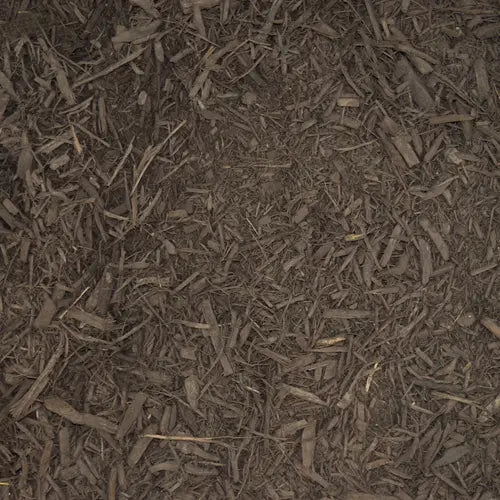
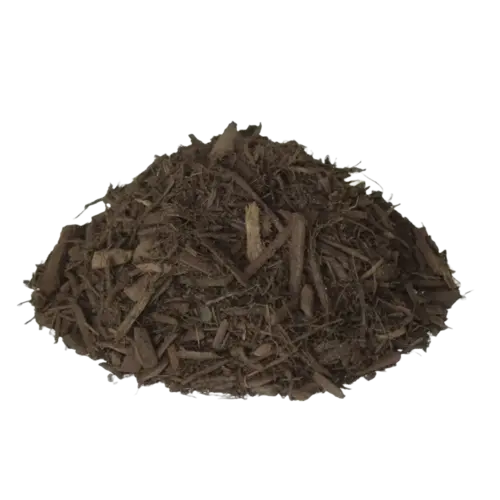
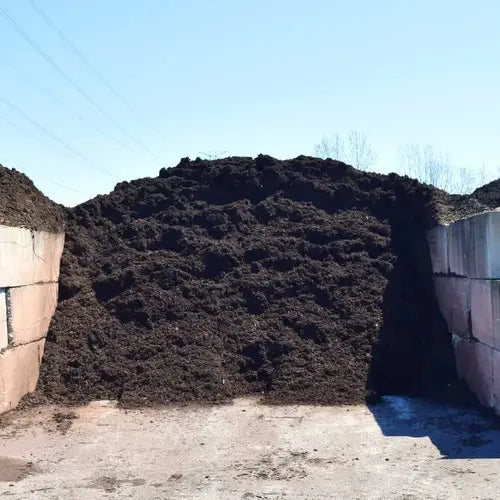
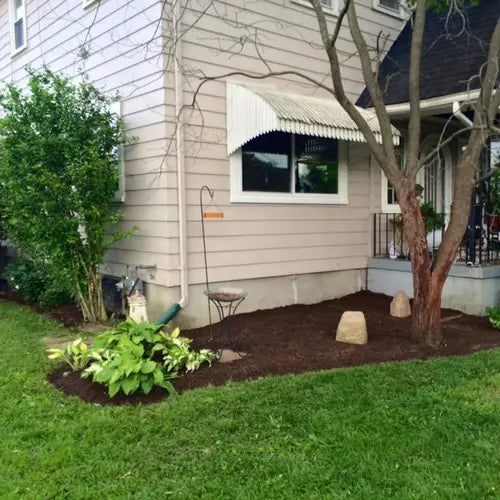
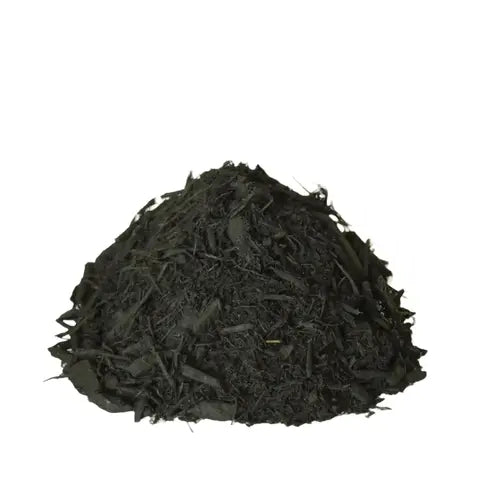
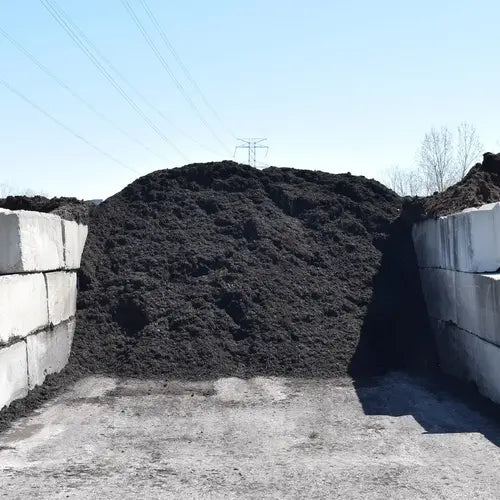
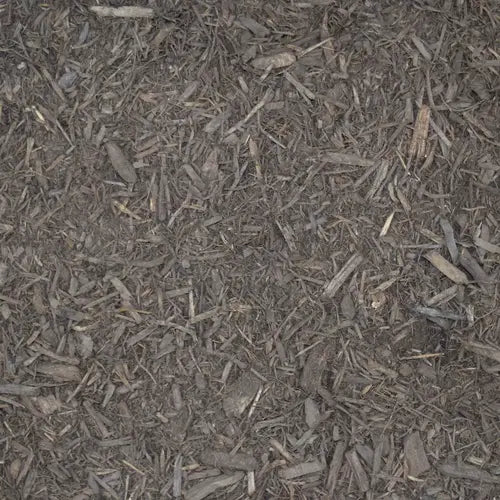
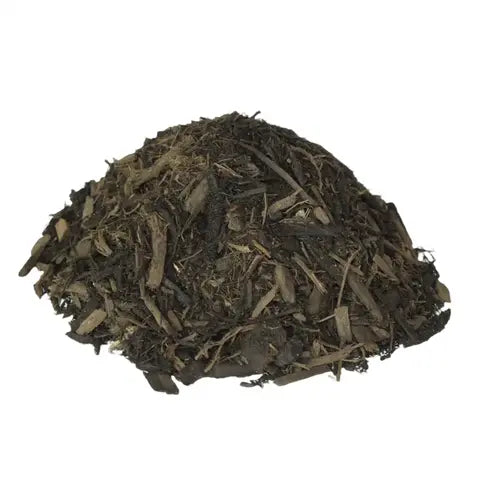
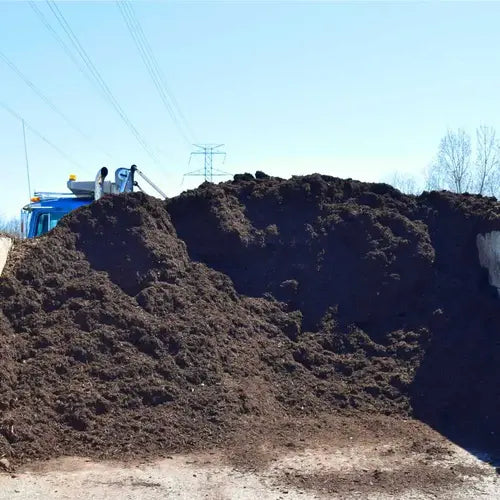
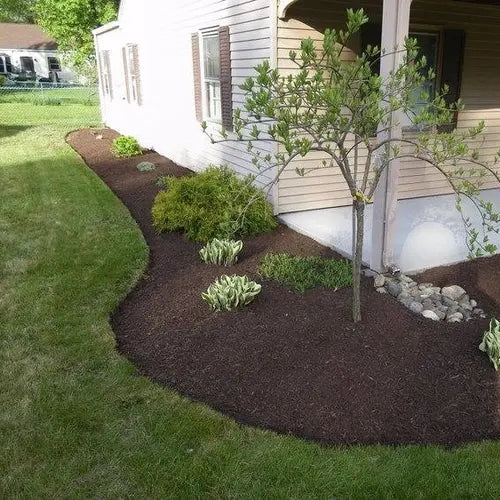
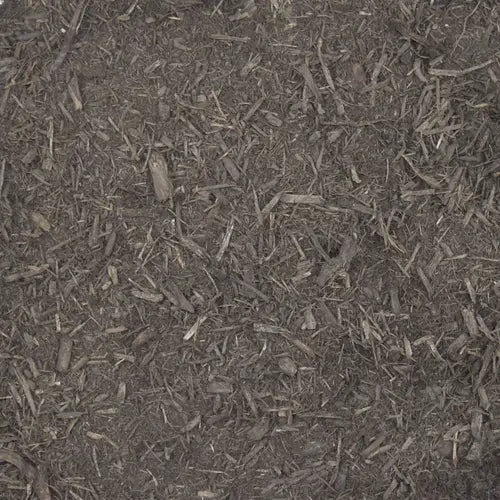
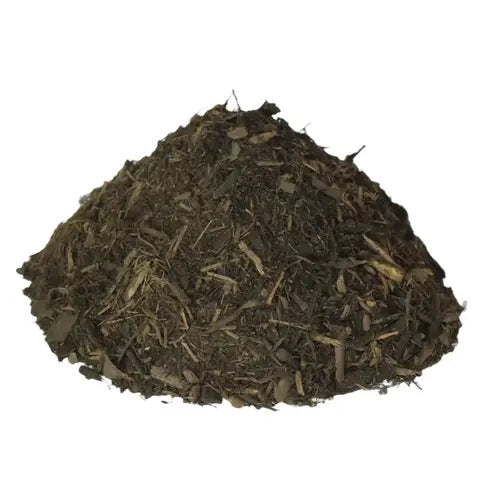
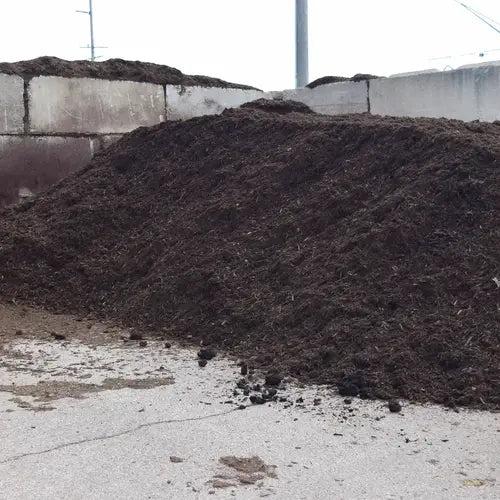
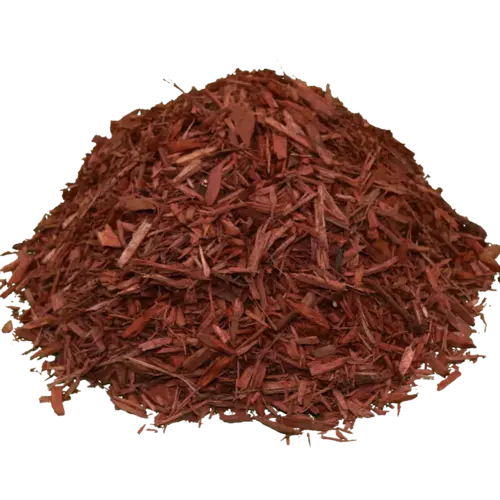
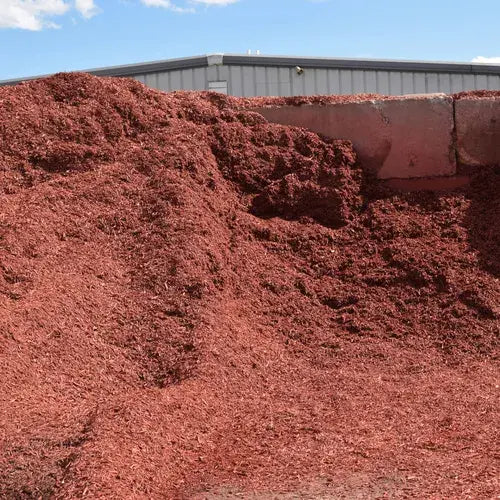
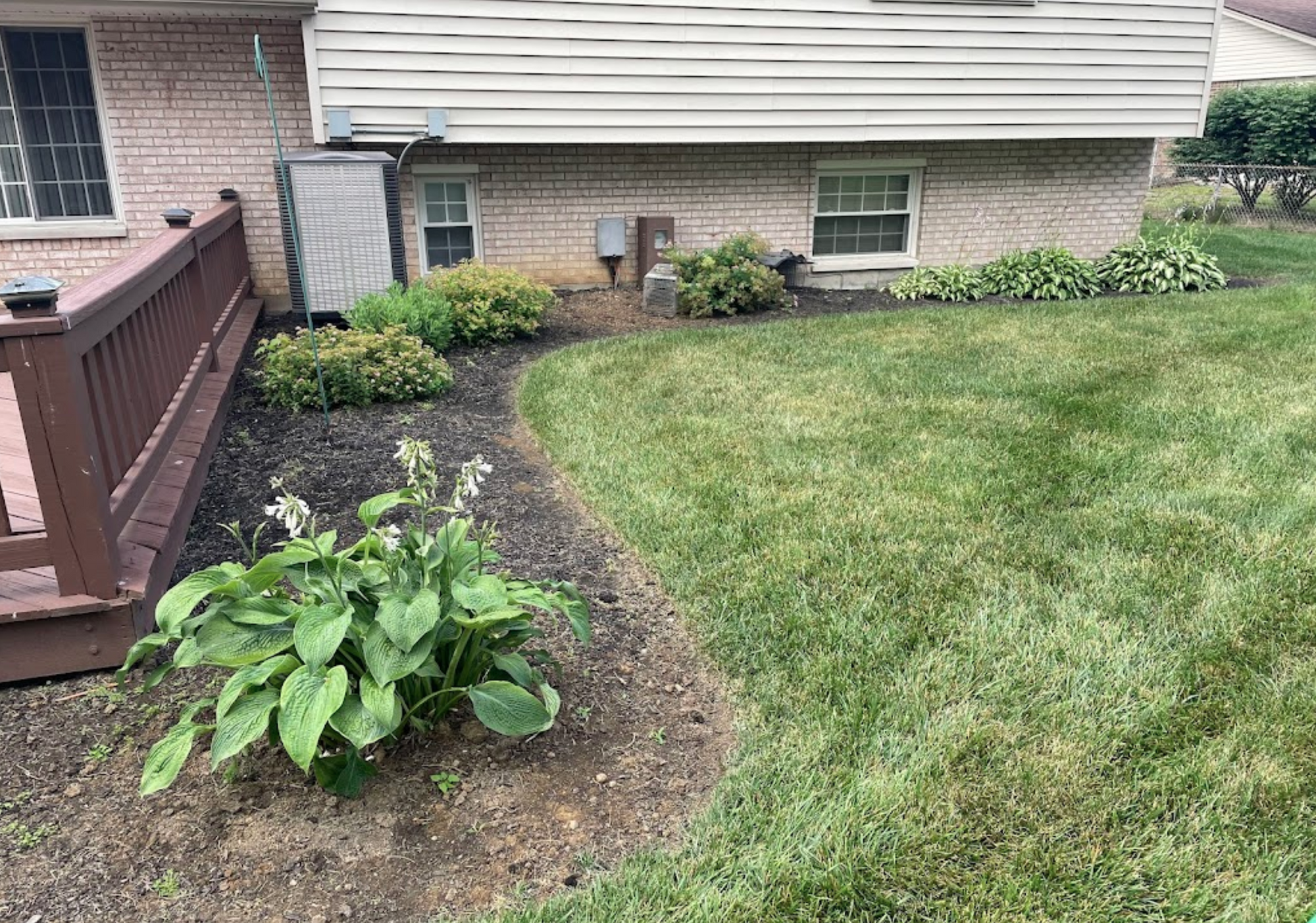
Warm brown double shredded mulch with lasting color that looks freshly applied for weeks. Spreads smooth, stays put, and gives beds a natural, polished appearance.
We had a great experience today. This was our first time using Mulch Mound, and I found the price competitive and the online ordering very easy. We are impressed with the quality of the mulch, too! It is covering well - a great value!
Tell us what you're looking for
Thanks! We received your request.
Something went wrong. Please try again.
How Much Material Do I Need?
For most Rome landscape beds with red clay or sandy loam soil, a 3-inch mulch depth provides the best balance of moisture retention and weed suppression. If you are mulching tree rings or slopes prone to washout, consider a full 4 inches for added stability.
Use our free mulch calculator
What is a yard?
A yard is approximately 27 cubic feet. As a general guideline, one yard of material can cover an area of about 100-160 square feet at a 2-3 inch depth.
We can't take orders for this right now. Tell us what you need and we'll get back to you.
What do you need?
Thanks! We received your request.
Something went wrong. Please try again.
Hand-picked local yards
4,000+ regional deliveries
Dedicated support
Why order through Mulch Mound
The best local mulch, without the guesswork.
We hand-pick and partner with the best yards in your region, keep only the ones our buyers rate well, and back each load with our guarantee.
Mulch Mound Guarantee
If your mulch isn't the quantity or quality you ordered, we'll make it right.
About this mulch
Warm brown double shredded mulch with lasting color that looks freshly applied for weeks. Spreads smooth, stays put, and gives beds a natural, polished appearance.
We had a great experience today. This was our first time using Mulch Mound, and I found the price competitive and the online ordering very easy. We are impressed with the quality of the mulch, too! It is covering well - a great value!
How Much Material Do I Need?
For most Rome landscape beds with red clay or sandy loam soil, a 3-inch mulch depth provides the best balance of moisture retention and weed suppression. If you are mulching tree rings or slopes prone to washout, consider a full 4 inches for added stability.
Use our free mulch calculator
What is a yard?
A yard is approximately 27 cubic feet. As a general guideline, one yard of material can cover an area of about 100-160 square feet at a 2-3 inch depth.
We had a great experience today. This was our first time using Mulch Mound, and I found the price competitive and the online ordering very easy. ...
Read full review
We had a great experience today. This was our first time using Mulch Mound, and I found the price competitive and the online ordering very easy. We are impressed with the quality of the mulch, too! It is covering well - a great value!
Great experience with mulch mound. Their online calculator made it easy to estimate how many yards of mulch I needed and delivery was quick. I woul...
Read full review
Great experience with mulch mound. Their online calculator made it easy to estimate how many yards of mulch I needed and delivery was quick. I would definitely recommend them for your future projects.
Measure the length and width of each bed in feet, then multiply to get square footage. Divide that number by 100 to estimate cubic yards needed at a 3-inch depth, which is the recommended layer for Rome's clay-heavy soil and high annual rainfall. It is always smart to add 10 percent to your total to account for settling and uneven terrain common on Rome's hillside properties.
Mulch vs. No Mulch: The Difference
Rome's warm zone 8a summers and frequent rainfall create ideal conditions for natural mulch to decompose quickly, feeding your soil with organic matter but requiring more frequent replenishment. Dyed mulch uses colorfast pigments to hold its appearance through Rome's heavy spring rains and UV-intense summers, making it a popular choice for high-visibility front yard beds. Choosing between the two often comes down to whether you want long-term soil improvement or consistent curb appeal with less frequent replacement.
Before
After
Best Mulch Choice for Rome Lawns
Most yards in the Rome area sit on Red clay and sandy loam type of soil. Rome's red clay and sandy loam create plant beds that either drain too slowly or dry out too fast depending on which soil type dominates your property. Both conditions stress plant roots and make weed control more difficult without a proper mulch barrier.
Hardwood Mulch
Hardwood mulch breaks down into rich organic material that gradually works into Rome's red clay and sandy loam, improving its structure and drainage over multiple seasons. As the hardwood fibers decompose, they help loosen compacted clay and give sandy loam areas more moisture-holding capacity, moving both soil types toward a healthier and more productive middle ground.
Mulch Types We Deliver in Rome
When you need bulk mulch delivery in Rome, we bring landscape mulch straight to your property by the cubic yard. Northwest Georgia's warm summers and clay soil make regular mulching important for moisture retention and a clean, finished look in any bed. We carry several varieties so you can find the right color and texture for your landscape.
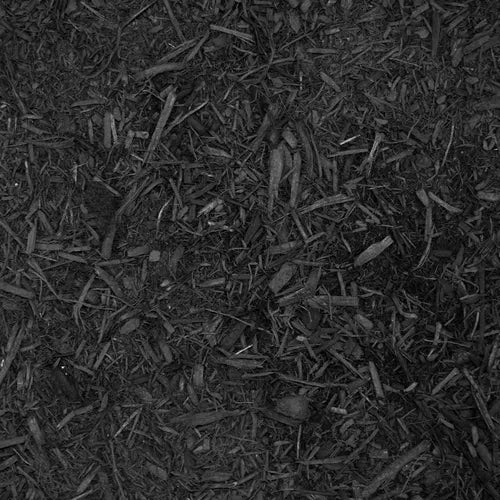
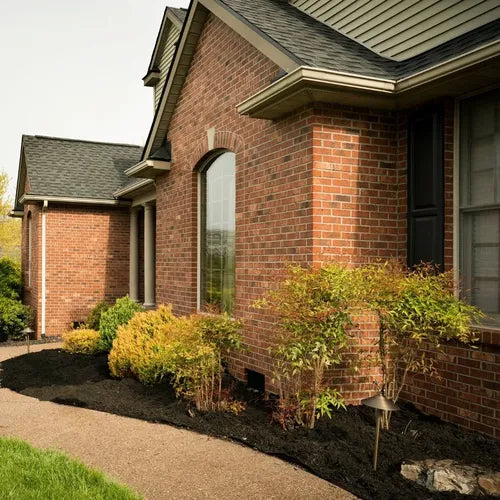
Dyed Black Mulch
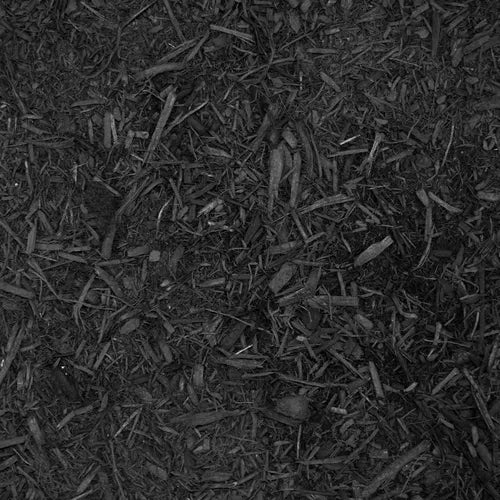
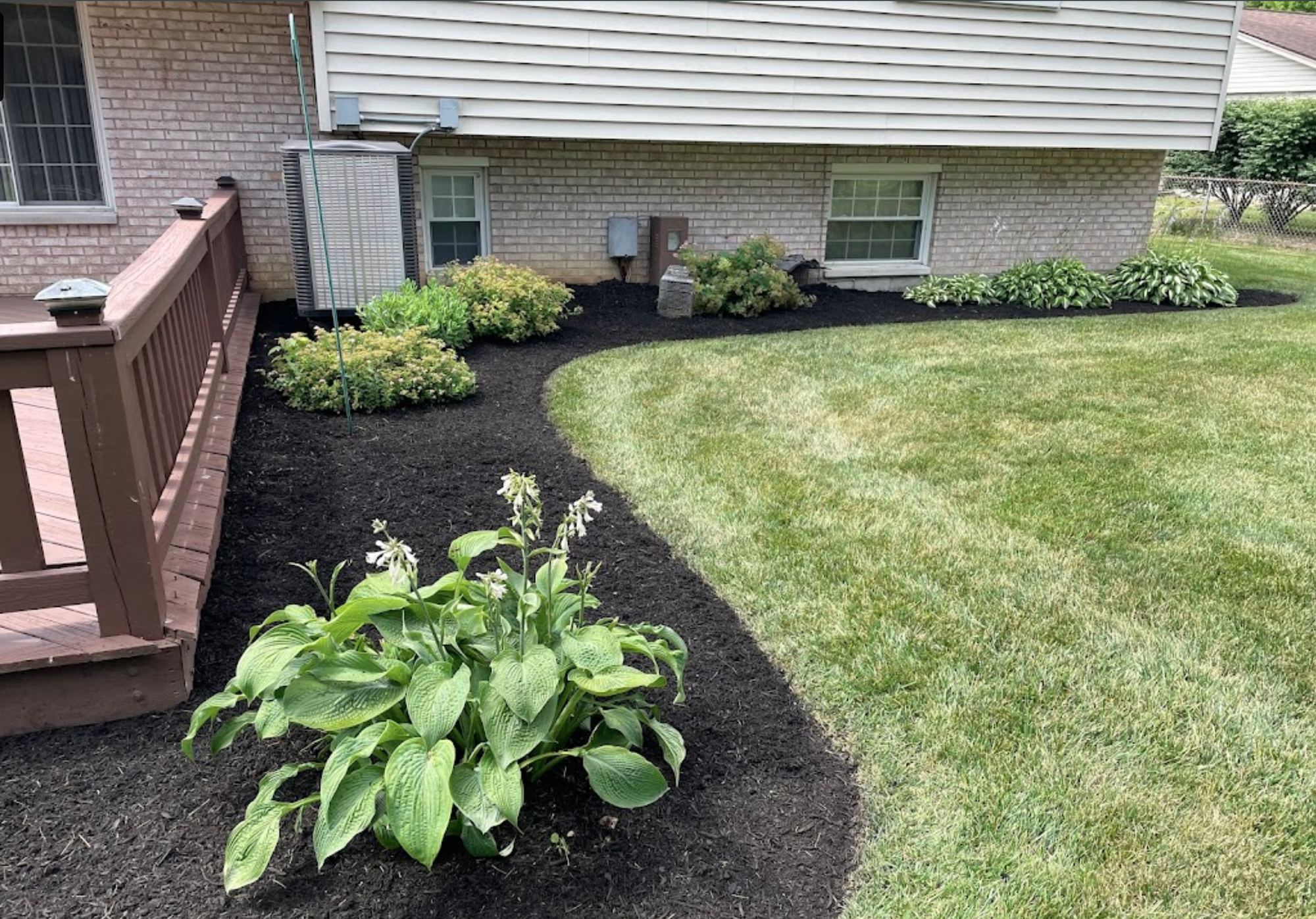
Double shredded for a smooth, even spread, this bold black mulch creates a sharp contrast against green plants and light stone. The rich color holds well through Georgia's rainy springs and hot summers, making it a popular choice for homeowners who want beds that look sharp all season.
Dyed Brown Mulch
Warm brown and double shredded, this mulch blends with the natural tones of a Georgia landscape while keeping beds looking freshly done for weeks. The lasting color and smooth texture suit both formal planting beds and casual backyard gardens, making it one of the most versatile options we carry.
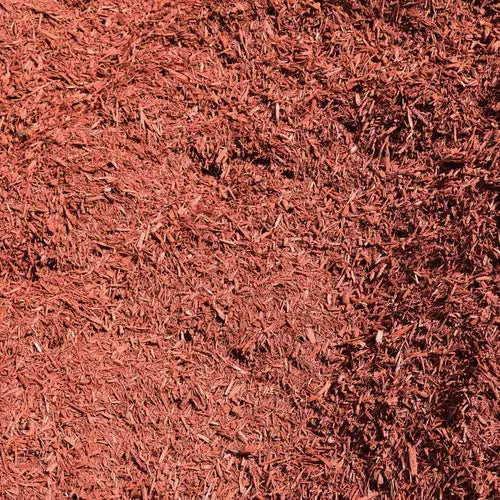
Dyed Red Mulch
Cut double shredded for a clean, even finish, this vibrant red mulch adds bold color to landscape beds and pairs well with brick and stone edging. The color holds strong through the season, making it a popular accent choice for properties throughout northwest Georgia.
Natural Brown Mulch
This undyed double shredded mulch gets its warm, earthy tone straight from the wood itself, with no added color. It suits homeowners who want a clean, honest look, and the fine texture spreads evenly in planting beds and garden borders across Georgia clay soil.
Complete Your Outdoor Mulch Project
Pair your mulch order with a quality topsoil to build up low spots or improve planting beds before you mulch, and consider river rock or gravel for high-drainage borders where organic mulch tends to wash away during Rome's heavier rain events.
Before spreading fresh mulch in spring, pull back the old layer and loosen the top inch of Rome's red clay soil with a hand cultivator. Clay crusts form over winter and can prevent water from reaching roots even with fresh mulch on top. Loosening the surface first ensures your new mulch layer works with the soil rather than sitting above a sealed crust that sheds water rather than absorbing it.
Mulch Mound Pro Tip
If you are planting new shrubs or perennials in Rome after the last frost in April, wait until they have been in the ground for two to three weeks before mulching around them. This lets you see exactly where the root zone is spreading and avoid piling mulch against tender new stems, which can cause crown rot in Rome's humid and warm spring conditions.
Mulch Mound Pro Tip
Rome's 54 inches of annual rainfall means mulch in low-lying beds can shift significantly during heavy storms. Edging your beds with stone or metal borders before mulching helps hold material in place and keeps your clean lines intact after hard rains roll through. This simple step reduces the amount of mulch you need to replace or reposition throughout the growing season and makes every delivery go further.
Frequently Asked Questions
Click a question to see the answer
Answer
How often should I refresh my mulch in Rome?
Rome's 54 inches of annual rainfall accelerates mulch breakdown faster than drier climates. Plan to add a fresh 1 to 2 inch top-dress layer at least once a year, ideally in early spring after the last frost around April 18. If you used a finer shredded mulch, you may need to refresh again in the fall before November temperatures set in.
Answer
Will mulch help with my Rome yard's drainage problems?
Yes, especially if your property has the red clay that is common throughout the Rome area. Red clay resists water absorption and causes runoff and pooling. A 3-inch mulch layer slows surface water, giving it more time to penetrate and reduces erosion on sloped beds found across many Rome neighborhoods.
Answer
Does mulch really make a difference with Rome's red clay soil?
It makes a significant difference. Red clay compacts easily and can suffocate plant roots when it dries out and crusts over. Mulch insulates the soil surface, keeps moisture from evaporating between Rome's summer rainstorms, and as it breaks down it adds organic matter that slowly improves clay structure over time.
Answer
When is the best time to mulch in Rome, Georgia?
The two best windows are early spring, right after the last frost around April 18, and early fall, about four to six weeks before the first frost around November 6. Spring mulching protects roots as temperatures rise and conserves moisture heading into the hot summer months. Fall mulching insulates root systems through Rome's mild but unpredictable winters.
Answer
Should I use dyed or natural mulch around my Rome plants?
Both work well in Rome's climate but they serve different purposes. Natural hardwood mulch breaks down faster in Rome's warm, wet conditions and adds organic matter to your soil, which is especially beneficial if you are working with dense red clay. Dyed mulch holds its color longer through Rome's heavy rains and gives beds a crisp, finished look that lasts through the season.
Answer
How deep should I put mulch in my Rome garden beds?
A 3-inch depth is the standard recommendation for Rome landscapes. With 54 inches of rainfall per year, a thinner layer will wash and compress quickly. Avoid going past 4 inches, especially around plant stems and tree trunks, as excessive depth can trap moisture and cause rot issues in Rome's humid summers.
Answer
Can I mulch right up against my house foundation in Rome?
It is best to leave a few inches of clearance between mulch and your foundation. Rome's rainfall and humidity create conditions where moisture-trapping mulch against a foundation can attract termites and cause wood rot over time. Pull the mulch back 3 to 4 inches from the structure and use gravel or stone in that gap for better drainage.
The Unique Landscape of Rome
Rome's combination of red clay and sandy loam creates a landscape that swings between waterlogged and bone dry depending on the season. With 54 inches of rainfall spread unevenly through the year, plant beds in Rome are constantly fighting erosion and moisture loss between storms. A proper mulch layer acts as a buffer, slowing runoff across Rome's sloped terrain while keeping root zones from baking in the summer heat. Rome's zone 8a growing season stretches from the last frost around April 18 through the first frost around November 6, giving plants a long window where consistent soil moisture is critical. Without mulch, Rome's red clay surface tends to crack and crust, making it harder for water and nutrients to reach plant roots. Maintaining a fresh layer each spring and fall keeps beds productive and looking sharp through the full growing season.