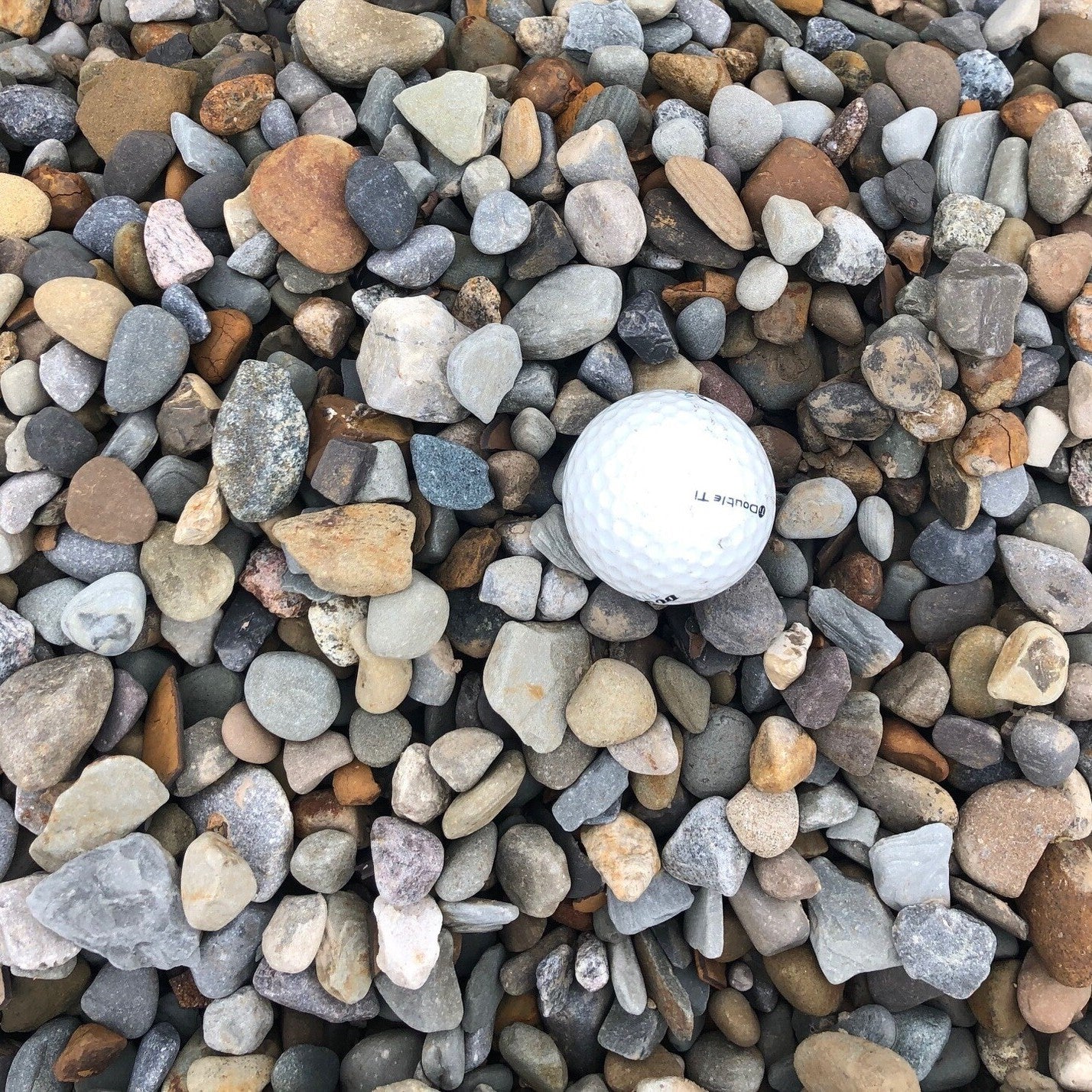
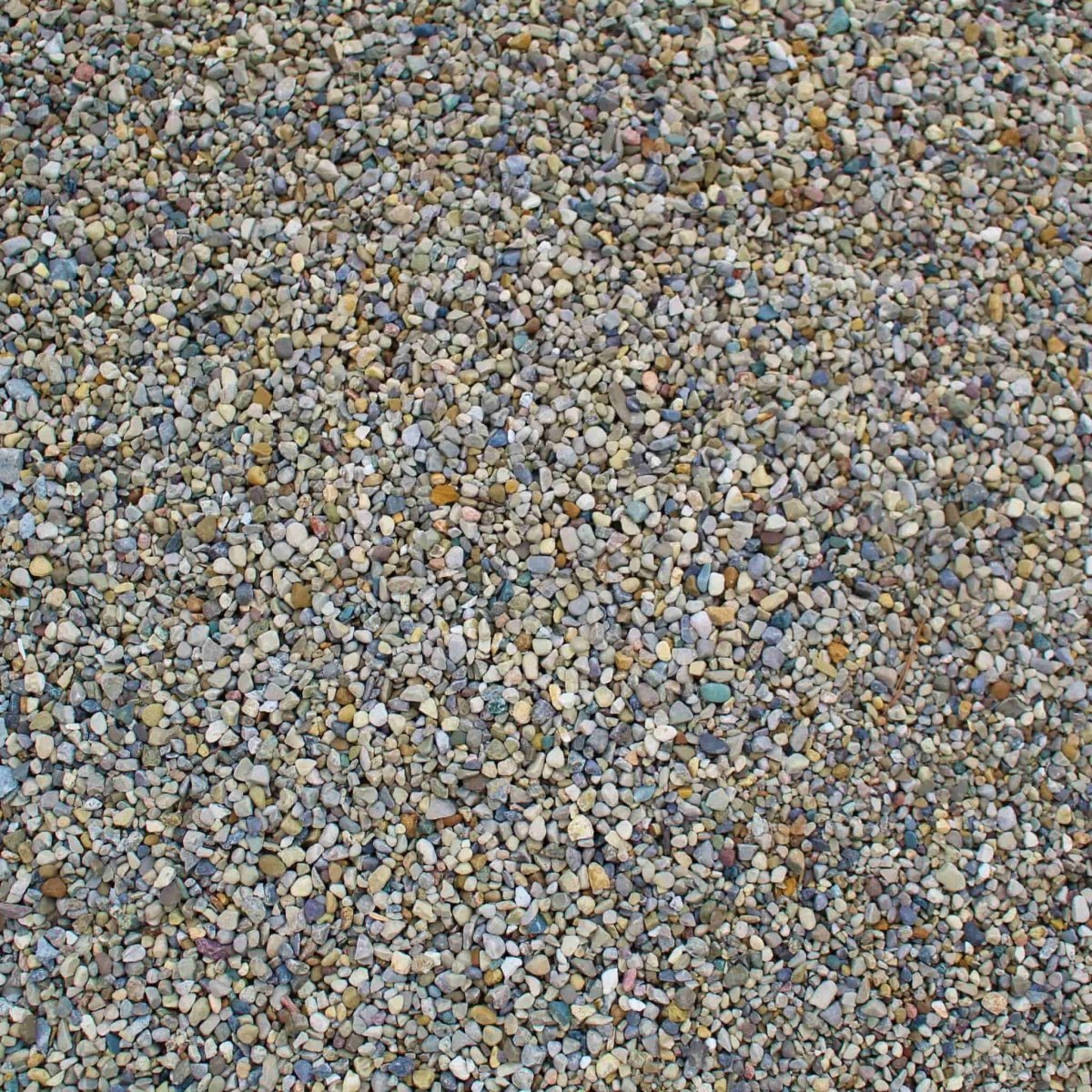
Number 57 crushed stone, angular limestone graded to about three quarters of an inch. The standard driveway, base and drainage gravel, it locks together under traffic and drains fast.
I contacted Mulch Mound for #57 river rocks and it was easy and fast to get a delivery right before the holiday weekend. Stone was delivered as promised and place exactly where I asked. Excellent service! I will be ordering mulch next!
Tell us what you're looking for
Thanks! We received your request.
Something went wrong. Please try again.
How Much Material Do I Need?
For decorative ground cover in Rome landscape beds, 2 inches of stone provides adequate coverage and weed suppression. For drainage channels, dry creek beds, or high-traffic pathways in Rome, plan for 3 to 4 inches to account for settling on the clay subsoil below.
Use our free gravel calculator
What is a yard?
A yard is approximately 27 cubic feet. As a general guideline, one yard of material can cover an area of about 100-160 square feet at a 2-3 inch depth.
We can't take orders for this right now. Tell us what you need and we'll get back to you.
What do you need?
Thanks! We received your request.
Something went wrong. Please try again.
Hand-picked local yards
4,000+ regional deliveries
Dedicated support
Why order through Mulch Mound
The best local stone, without the guesswork.
We hand-pick and partner with the best yards in your region, keep only the ones our buyers rate well, and back each load with our guarantee.
Mulch Mound Guarantee
If your stone isn't the quantity or quality you ordered, we'll make it right.
About this stone
Number 57 crushed stone, angular limestone graded to about three quarters of an inch. The standard driveway, base and drainage gravel, it locks together under traffic and drains fast.
I contacted Mulch Mound for #57 river rocks and it was easy and fast to get a delivery right before the holiday weekend. Stone was delivered as promised and place exactly where I asked. Excellent service! I will be ordering mulch next!
How Much Material Do I Need?
For decorative ground cover in Rome landscape beds, 2 inches of stone provides adequate coverage and weed suppression. For drainage channels, dry creek beds, or high-traffic pathways in Rome, plan for 3 to 4 inches to account for settling on the clay subsoil below.
Use our free gravel calculator
What is a yard?
A yard is approximately 27 cubic feet. As a general guideline, one yard of material can cover an area of about 100-160 square feet at a 2-3 inch depth.
I contacted Mulch Mound for #57 river rocks and it was easy and fast to get a delivery right before the holiday weekend. Stone was delivered as pro...
Read full review
I contacted Mulch Mound for #57 river rocks and it was easy and fast to get a delivery right before the holiday weekend. Stone was delivered as promised and place exactly where I asked. Excellent service! I will be ordering mulch next!
Measure your project area in square feet and decide on a depth in inches, then multiply square footage by depth in inches and divide by 324 to get cubic yards. Stone is heavier and denser than mulch, so for large projects in Rome it is worth calculating carefully to avoid costly overages. A 2-inch layer works well for most decorative applications, while drainage and pathway projects in Rome's clay soil typically benefit from 3 to 4 inches for proper function.
Stone Types We Deliver in Rome
Ordering bulk gravel by the yard in Rome is one of the most practical ways to move a landscape project forward in northwest Georgia's rolling, clay-heavy terrain. Our cubic-yard deliveries bring premium stone directly to your property, eliminating the hassle of multiple hardware store runs. Whether you are laying a pathway, building out a patio, or improving drainage around a foundation, we have the stone your project calls for.
Pea Gravel
Pea gravel is a go-to material for homeowners across northwest Georgia who want a clean, low-maintenance ground cover that handles heavy seasonal rainfall without washing away. Its smooth, rounded stones in warm earth tones pair naturally with the brick and craftsman-style homes common in this part of the state, and it settles well over the region's dense clay soils.
Complete Your Outdoor Stone Project
Pair your stone order with landscape fabric for weed control underneath, and consider adding topsoil or mulch to surrounding planting areas to create a polished, finished look that handles Rome's rainfall and keeps maintenance low throughout the growing season.
Before laying stone in any Rome landscape bed, install a professional-grade woven landscape fabric rather than the lightweight plastic sheeting sold at big-box stores. Rome's long growing season and high rainfall create aggressive weed pressure from spring through fall, and thin barriers break down within a season or two. A heavier woven fabric holds up for years and keeps your stone looking clean with far less time spent on maintenance.
Mulch Mound Pro Tip
If you are using stone to build a dry creek bed in Rome for drainage, follow the natural low points in your yard rather than trying to redirect water against its natural flow. Rome's terrain often has clear drainage patterns that become visible after a moderate rainstorm. Designing your stone channel to follow those paths means it will carry water effectively during heavy rain events rather than simply serving as a decorative feature.
Mulch Mound Pro Tip
In Rome, stone surfaces near planting beds can become covered in debris from the area's many hardwood trees, particularly after fall leaf drop before the first frost around November 6. Choose rounder, smoother stones like river rock or pea gravel in areas near trees, as debris rinses off smooth surfaces much more easily than it does from angular crushed stone. This small choice at the start of a project reduces the time you spend cleaning out stone features each fall.
The Unique Landscape of Rome
Stone is one of the most practical and lasting landscape materials you can use in Rome, Georgia given the combination of high annual rainfall, red clay soil, and sloped terrain throughout much of the city. While mulch and soil break down and shift over time, stone stays in place and continues doing its job year after year with minimal maintenance. Rome's 54 inches of annual rainfall makes erosion control a real concern on any sloped property, and stone is one of the most effective ways to stabilize ground, line drainage channels, and protect foundation borders. The clay-heavy soil common in Rome creates persistently wet areas that are difficult to plant but simple to address with a well-placed gravel or river rock application. Stone pathways and patios also eliminate the muddy tracking issues that Rome homeowners deal with during wet winter and spring months. From decorative accents to functional drainage solutions, stone products earn their place in almost any Rome landscape plan.
Frequently Asked Questions
Click a question to see the answer
Answer
What type of stone works best for a gravel path in Rome?
Crushed granite and pea gravel are both popular choices for paths in the Rome area. Crushed granite compacts well and stays put better during heavy rains, making it a smart pick for Rome yards where 54 inches of annual rainfall can shift loose materials. Pea gravel stays looser underfoot and works well for lower-traffic decorative areas where drainage is the main priority.
Answer
Will gravel really help with my Rome yard's drainage problem?
Yes, particularly in areas where red clay prevents water from soaking into the ground. A dry creek bed or French drain trench filled with river rock or washed gravel gives water a path to travel rather than pooling on the surface. In Rome's lower-lying neighborhoods near the Coosa or Etowah rivers, this kind of stone drainage feature can make a significant difference after heavy storms roll through.
Answer
How deep should I lay gravel for a Rome driveway or parking pad?
For a driveway or parking area in Rome, aim for at least 4 inches of compacted gravel over a stable base. Given Rome's red clay subsoil, it is worth excavating 6 to 8 inches and adding a layer of crushed stone base before the top gravel to prevent the clay from pushing up and destabilizing the surface over time. A geotextile fabric underneath also helps prevent clay migration into the gravel layer.
Answer
Can I use stone around my Rome foundation to improve drainage?
Stone is one of the best materials for foundation borders in Rome. A 12 to 18 inch band of washed gravel or river rock around your foundation keeps mulch and wet soil away from your structure, reduces moisture against the slab or footings, and allows rainwater to percolate down rather than run toward the house. This is especially important in Rome where heavy rains can deposit a large volume of water against a foundation in a short period.
Answer
Does decorative stone hold up to Rome's summer heat?
Stone actually performs better than most organic materials in Rome's summers. It does not break down, fade significantly in direct sun, or wash away in rainstorms. Light-colored stones can radiate heat in July and August, which is worth considering if the area borders a planting bed. Darker river stone or slate stays cooler in shaded areas and blends naturally into the wooded and shaded Rome landscapes found across much of the city.
Answer
How do I keep weeds from growing through my stone in Rome?
Laying a quality landscape fabric before placing stone is the most effective way to suppress weeds in Rome's growing conditions. Zone 8a's long warm season from late April through early November gives weeds plenty of time to germinate and push through thin stone layers without a barrier underneath. Edge the area with metal or stone edging to prevent grass from Rome's surrounding lawn from creeping in along the border over time.
Answer
Is stone a good choice for erosion control on a sloped Rome yard?
Stone is one of the top choices for erosion control on sloped terrain in Rome. Large river rock or dry-stacked boulders can stabilize steep slopes where soil washes out repeatedly during Rome's heavy rain seasons. On more gradual slopes, a layer of crushed stone or river rock over landscape fabric slows runoff significantly and prevents the surface erosion that is common on red clay hillsides throughout the Rome area.
Answer
Is crush and run the same as crusher run?
Crush and run refers to crushed stone blended with stone dust that compacts into a firm, stable base, often used under driveways and pavers. With Rome's heavy rainfall and clay soil, we deliver Crushed Stone #57 instead, since its washed, drainage friendly design handles water movement on sloped properties without holding moisture against structures.