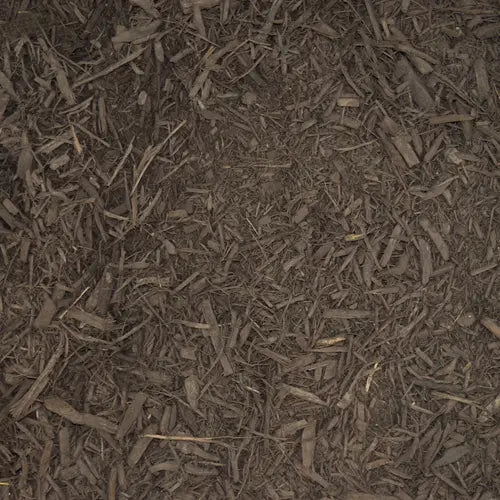
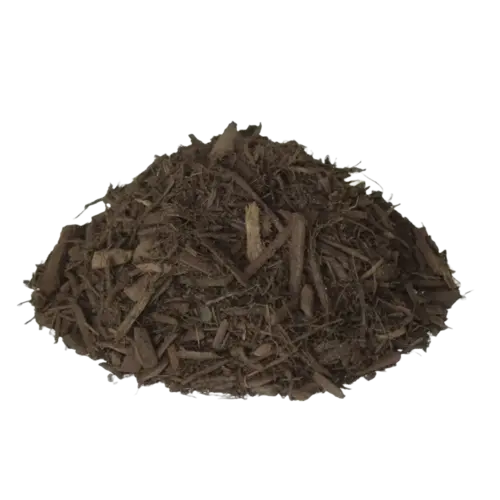
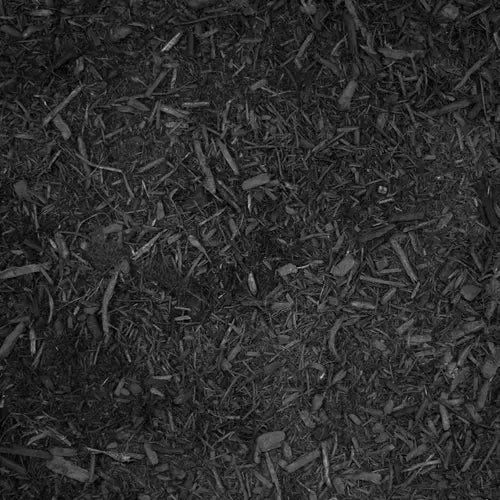
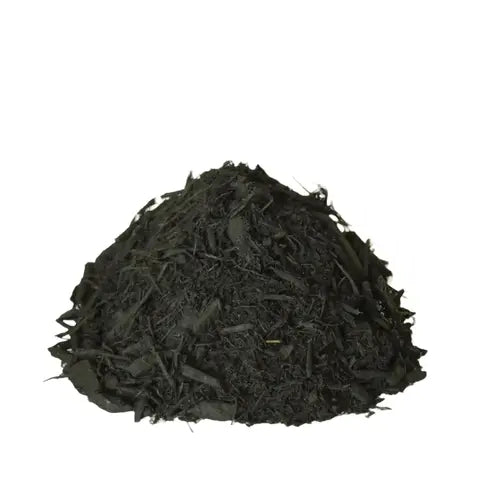
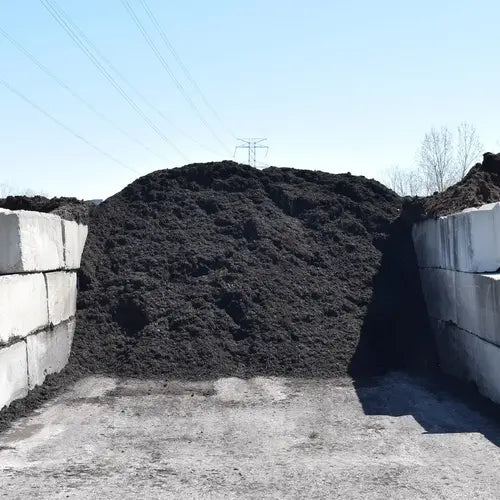
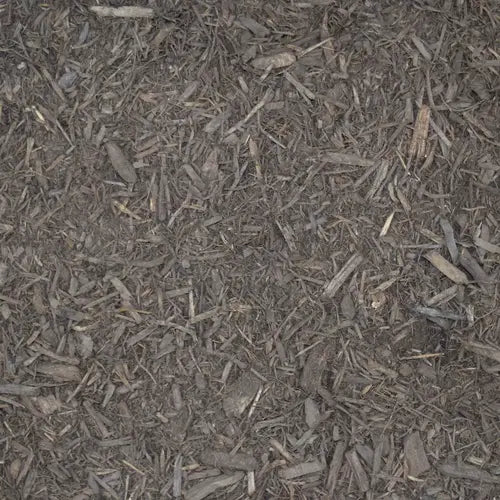
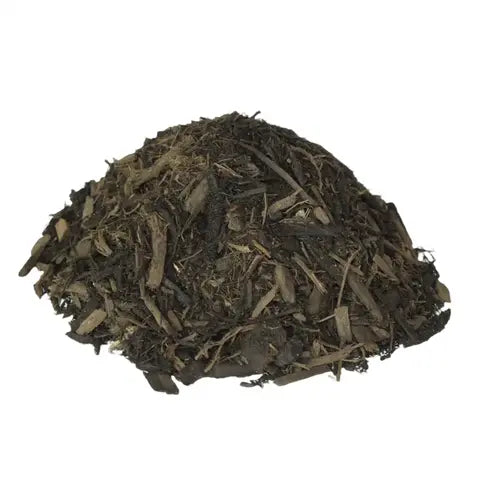
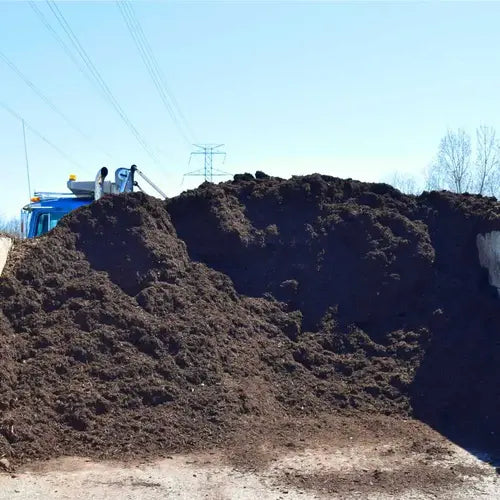
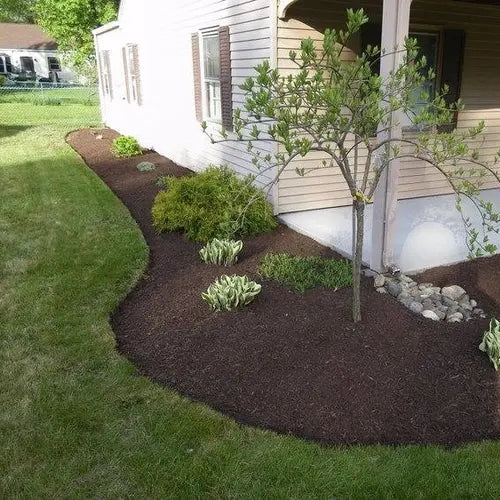
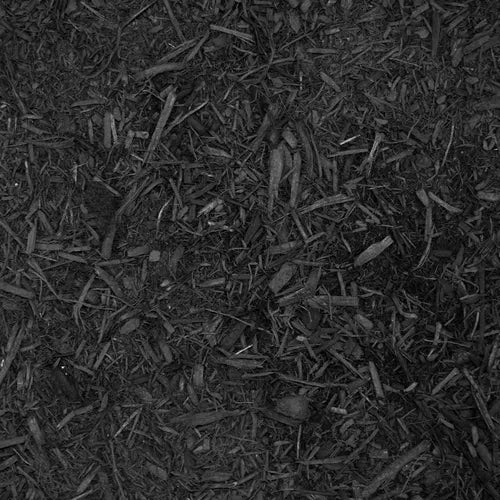
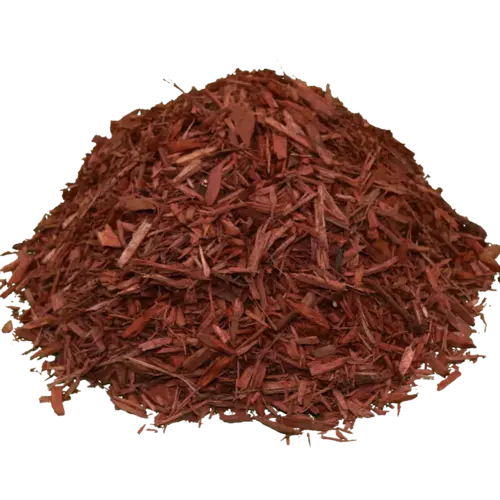
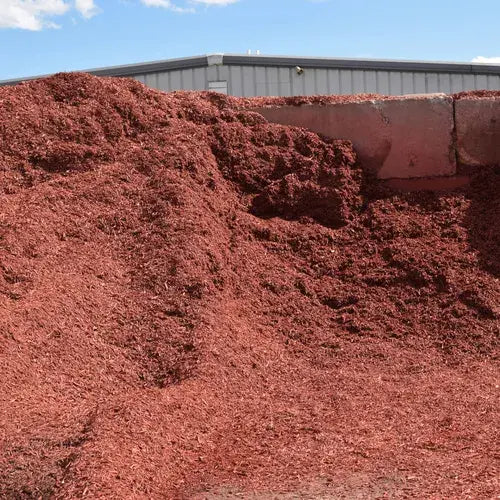
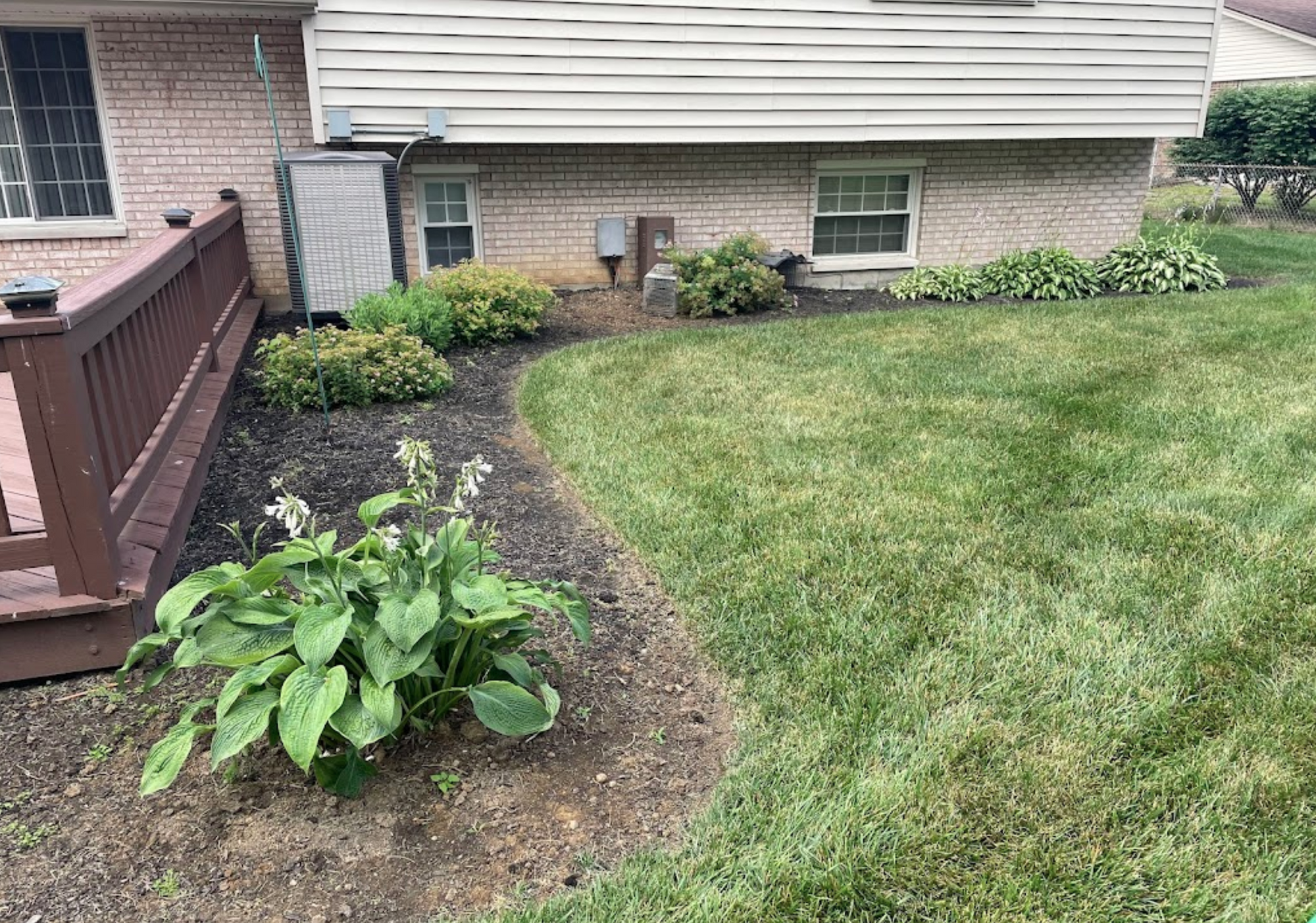
Warm brown double shredded mulch with lasting color that looks freshly applied for weeks. Spreads smooth, stays put, and gives beds a natural, polished appearance.
We needed mulch for our HOA common areas. Local providers were all holding high prices even for 40 yards of mulch. Mulch mound was easy to wowith & has great price for natural mulch + delivery schedule options. They called before delivery to ensure Delivery was exactly wher...
Tell us what you're looking for
Thanks! We received your request.
Something went wrong. Please try again.
How Much Material Do I Need?
For most Roswell planting beds over red clay soil, a 3-inch application is the standard starting point, with a 4-inch layer recommended for new beds where the clay surface has not yet been broken in. Avoid going over 4 inches deep, especially in areas with Roswell's high annual rainfall, to prevent moisture buildup against plant stems.
Use our free mulch calculator
What is a yard?
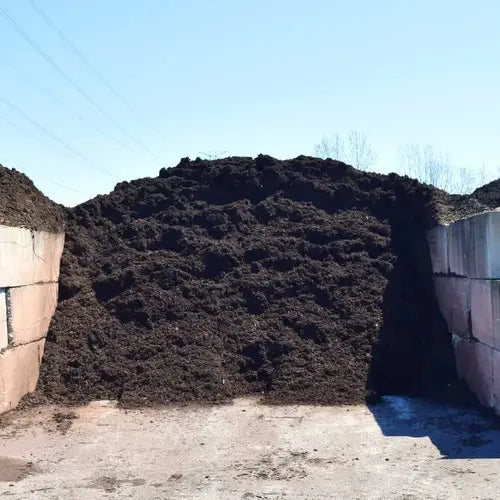
A yard is approximately 27 cubic feet. As a general guideline, one yard of material can cover an area of about 100-160 square feet at a 2-3 inch depth.
We can't take orders for this right now. Tell us what you need and we'll get back to you.
What do you need?
Thanks! We received your request.
Something went wrong. Please try again.
Hand-picked local yards
4,000+ regional deliveries
Dedicated support
Why order through Mulch Mound
The best local mulch, without the guesswork.
We hand-pick and partner with the best yards in your region, keep only the ones our buyers rate well, and back each load with our guarantee.
Mulch Mound Guarantee
If your mulch isn't the quantity or quality you ordered, we'll make it right.
About this mulch
Warm brown double shredded mulch with lasting color that looks freshly applied for weeks. Spreads smooth, stays put, and gives beds a natural, polished appearance.
We needed mulch for our HOA common areas. Local providers were all holding high prices even for 40 yards of mulch. Mulch mound was easy to wowith & has great price for natural mulch + delivery schedule options. They called before delivery to ensure Delivery was exactly wher...
How Much Material Do I Need?
For most Roswell planting beds over red clay soil, a 3-inch application is the standard starting point, with a 4-inch layer recommended for new beds where the clay surface has not yet been broken in. Avoid going over 4 inches deep, especially in areas with Roswell's high annual rainfall, to prevent moisture buildup against plant stems.
Use our free mulch calculator
What is a yard?
A yard is approximately 27 cubic feet. As a general guideline, one yard of material can cover an area of about 100-160 square feet at a 2-3 inch depth.
We needed mulch for our HOA common areas. Local providers were all holding high prices even for 40 yards of mulch. Mulch mound was easy to wowith...
Read full review
We needed mulch for our HOA common areas. Local providers were all holding high prices even for 40 yards of mulch. Mulch mound was easy to wowith & has great price for natural mulch + delivery schedule options. They called before delivery to ensure Delivery was exactly where we wanted it.
Delivery was on time and great quality Mulch. Got it done in a reasonable time and yard looks great. Couldn’t be happier!!! Thank you and will us...
Read full review
Delivery was on time and great quality Mulch. Got it done in a reasonable time and yard looks great. Couldn’t be happier!!! Thank you and will use again!!
Mulch Mound delivered a yard of pea gravel to us. Delivery was on time, driver was friendly and hit a bullseye on the “tarp target”. We used the ...
Read full review
Mulch Mound delivered a yard of pea gravel to us. Delivery was on time, driver was friendly and hit a bullseye on the “tarp target”. We used the pea gravel (which was diameter as specified) to fill several muskrat holes around our pond. I would definitely recommend Mulch Mound to a friend!
To estimate mulch for Roswell beds, measure the length and width of each bed in feet and multiply to get square footage, then divide by 100 to get the cubic yards needed for a 3-inch layer. Keep in mind that Roswell's red clay soil may have low or uneven spots that require a little extra material to establish a consistent depth. When in doubt, round up slightly since leftover mulch can always be used to top off thin areas after your first heavy rain.
Mulch vs. No Mulch: The Difference
Roswell's combination of high humidity and a long warm growing season means that natural hardwood mulch breaks down noticeably faster here than it would in Zone 6 or 7 climates, which is actually a benefit for clay soil since the decomposing matter feeds and loosens the ground over time. Dyed mulch, by contrast, is typically made from denser or recycled wood that resists breakdown longer, holding its color through more of Roswell's wet summers while contributing less organic material to the soil. The choice comes down to whether you want visual consistency through the season or long-term soil improvement as your priority.
Before
After
Best Mulch Choice for Roswell Lawns
Most yards in the Roswell area sit on Red Clay type of soil. Roswell's red clay soil is dense and low in organic matter, which means plant roots struggle to spread and water tends to pool on the surface rather than percolate down to the root zone.
Hardwood Mulch
Hardwood mulch breaks down slowly into humus that integrates directly with Roswell's red clay, gradually improving its structure so water penetrates more evenly and roots can expand beyond the compacted surface layer.
Mulch Types We Deliver in Roswell
Mulch Mound offers bulk mulch delivery in Roswell by the cubic yard, bringing fresh material straight to your driveway for any bed, border, or yard project. Ordering by the yard means you get exactly what you need without dealing with bags. We carry a selection of varieties suited to the climate and typical landscape styles of north Georgia.
Dyed Black Mulch
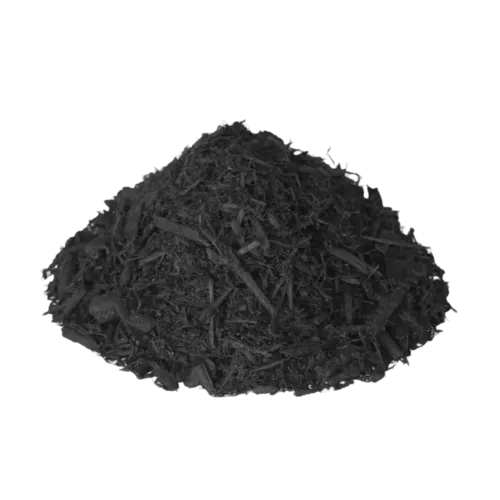
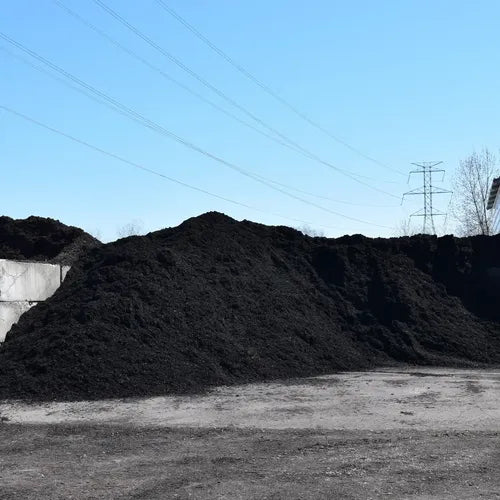
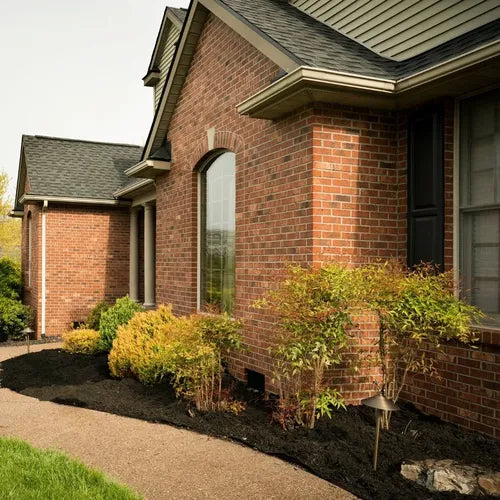
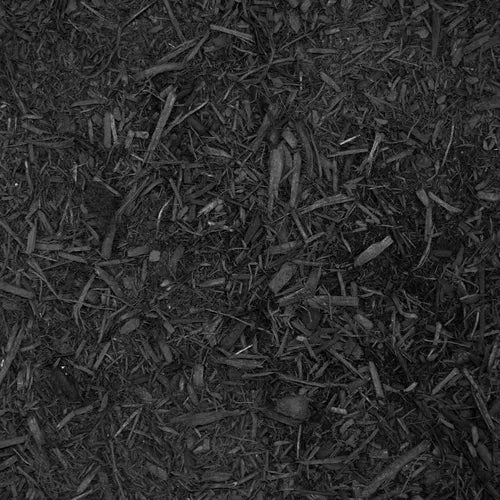
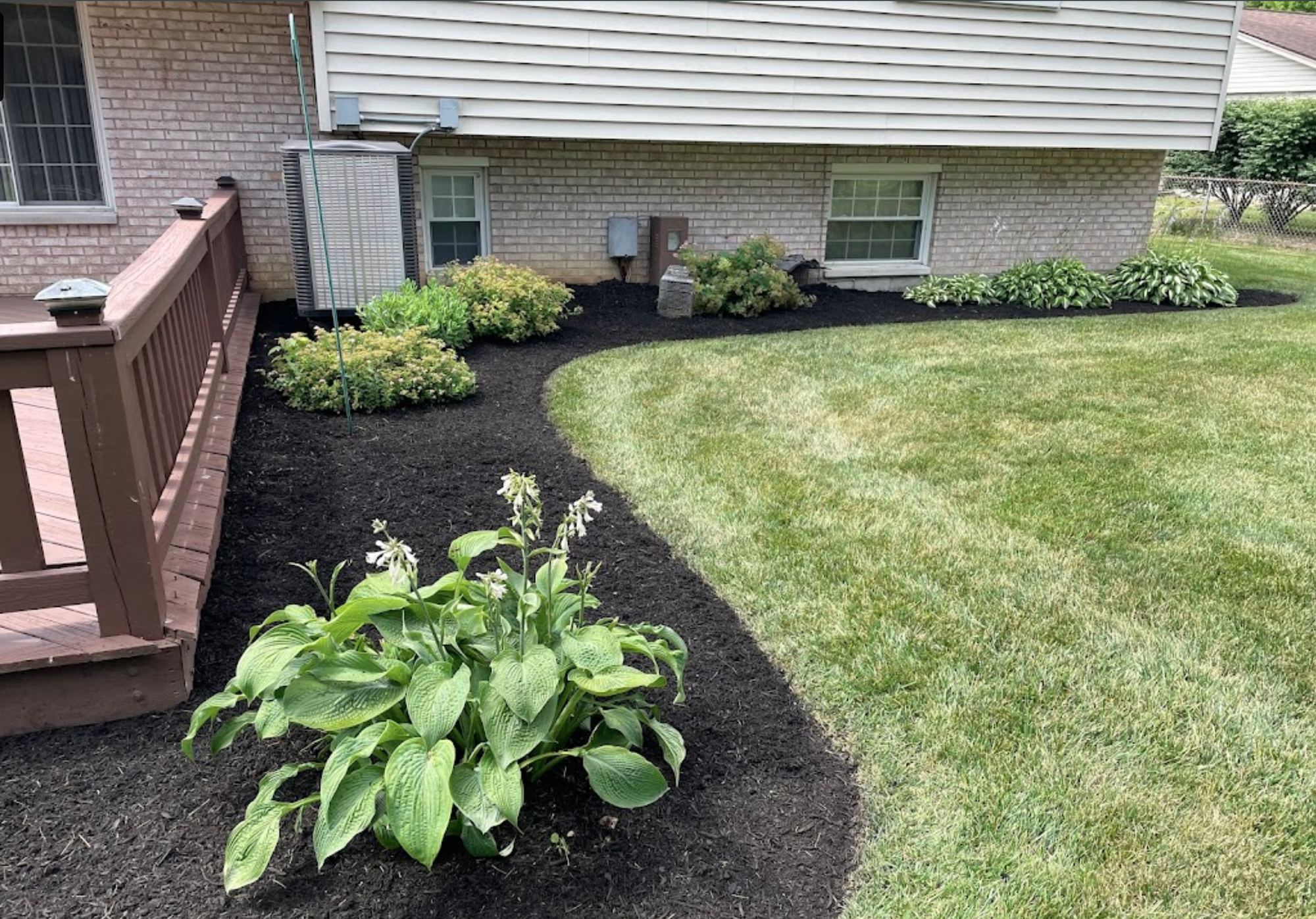
Bold black double shredded mulch that makes a strong statement against the lush green foliage typical of north Georgia yards. The rich color holds through humid summers and heavy rain, and the finely shredded texture spreads smoothly around trees and planting beds. A favorite for homeowners who want clean, defined curb appeal.
Dyed Brown Mulch
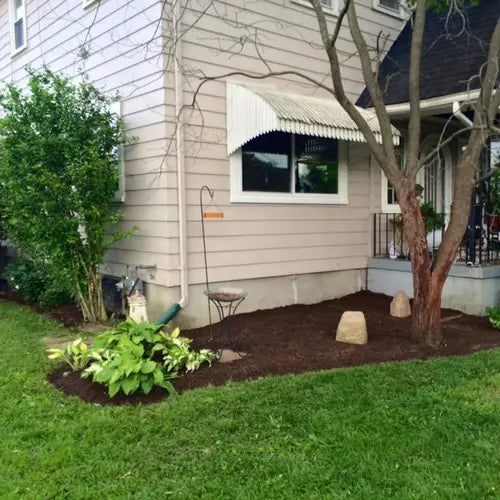
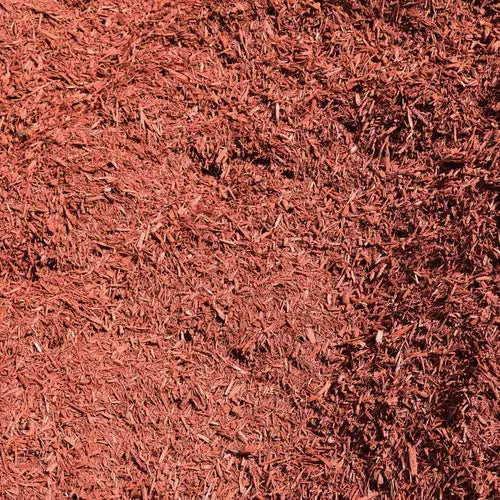
Warm brown double shredded mulch that blends naturally with the red clay soil common across this part of Georgia. The color stays looking freshly applied for weeks through the season, and the smooth texture is easy to spread around foundation plantings and garden borders. A dependable everyday choice.
Natural Brown Mulch
Undyed double shredded mulch with a warm, earthy tone that comes straight from the wood itself. No dyes or additives make it a good fit for vegetable gardens and native plantings common in the area. The smooth texture spreads cleanly and gives beds an honest, natural finish.
Complete Your Outdoor Mulch Project
If your beds need structure alongside your mulch, our bulk landscape stone makes a clean border that holds mulch in place through Roswell's summer downpours. Our premium garden soil is also a great addition when mixed into the top layer of red clay beds before mulching, giving roots a more workable environment right from the start.
Roswell's red clay has a tendency to form a hard surface crust when it dries, which can cause water to bead off rather than soak in. Before spreading mulch, loosen the top inch or two of soil with a garden fork so the clay surface is open and receptive to moisture. This small step makes a noticeable difference in how well your plants respond to watering and rainfall throughout the growing season.
Mulch Mound Pro Tip
Zone 8a means Roswell gardeners can push planting a little earlier than many southern suburbs, but late cold snaps can still arrive close to the April 15 frost date. A fresh layer of mulch applied in early April acts as an insulating blanket for shallow-rooted perennials and newly planted annuals, buffering soil temperature against unexpected cold nights and helping plants establish before the heat of May and June arrives.
Mulch Mound Pro Tip
With 53 inches of rain falling on Roswell each year, mulch does heavy lifting as a soil erosion shield, particularly on the rolling terrain common across the area. Apply mulch in a donut shape around individual trees and shrubs rather than piling it against the trunk, keeping a 2-inch gap at the base. This prevents crown rot while still protecting the surrounding root zone from being washed away during the intense summer thunderstorms that move through Roswell regularly.
Frequently Asked Questions
Click a question to see the answer
Answer
How thick should I apply mulch over Roswell's red clay soil?
In Roswell, where red clay compacts easily and repels water when it dries out, a 3-inch layer of mulch is the sweet spot for most planting beds. Going thinner than 2 inches leaves the clay surface exposed to the sun, which causes it to crack and form a crust that blocks moisture from reaching roots. Going deeper than 4 inches can trap too much moisture against plant crowns, which is a real concern given Roswell's 53-inch annual rainfall.
Answer
Will mulch actually help with the drainage problems I have in my clay beds?
Mulch will not fix poor drainage on its own, but it does help significantly over time. As organic mulch breaks down into the top layer of Roswell's red clay, it slowly improves the soil structure, making it more porous and better able to absorb water rather than shedding it as runoff. For beds with serious pooling issues, pairing mulch with a layer of amended soil or a simple French drain will give you faster results.
Answer
When is the best time of year to mulch my beds in Roswell?
The two most effective windows for mulching in Roswell are late April, just after the last expected frost around April 15, and late October, before the first frost typically arrives around November 5. Spring mulching locks in soil moisture before summer heat sets in and suppresses weeds during the growing season. Fall mulching insulates plant roots through winter and gives you a head start on weed control the following spring.
Answer
Does the heavy rainfall in Roswell wash mulch out of my beds?
It can, especially on slopes or near downspout areas where runoff concentrates. Roswell averages 53 inches of rain per year, and summer thunderstorms can be intense enough to shift lighter mulches. Shredded hardwood mulch tends to knit together as it settles and resists displacement better than nugget-style products. On steeper grades, consider using a heavier hardwood mulch or adding a border edging to keep material in place.
Answer
How often do I need to refresh mulch in Roswell's climate?
In Zone 8a with Roswell's heat and humidity, organic mulch breaks down faster than it would in cooler climates. Most homeowners find they need to top off their beds every 12 to 18 months to maintain an adequate depth. If you mulch in the spring, plan for a light refresh the following spring rather than waiting two full years, since the warm growing season accelerates decomposition significantly.
Answer
Is dyed mulch safe around my vegetable garden?
Most dyed mulches sold today use iron oxide or carbon-based colorants that are considered safe for ornamental beds, but many Roswell gardeners prefer to keep natural hardwood mulch around edible plants just to be cautious. The bigger concern in Roswell's red clay environment is that some dyed mulches are made from recycled wood that may not add the same organic value to the soil as virgin hardwood mulch as it decomposes.
Answer
My neighbor uses pine straw instead of mulch. Which is better for Roswell?
Both work well in Roswell, but they serve slightly different purposes. Pine straw is lighter, less expensive, and drains very well, which makes it a good choice for sloped beds or around acid-loving plants like azaleas and gardenias that thrive in Zone 8a. Shredded hardwood mulch breaks down into the clay soil and improves its structure over time, which is a long-term benefit pine straw cannot offer. Many Roswell homeowners use pine straw in naturalized areas and hardwood mulch in foundation and garden beds.
The Unique Landscape of Roswell
Roswell's red clay soil is notoriously dense and slow to drain, which means plant beds can stay waterlogged after heavy rains and then crack and harden during dry summer stretches. A proper mulch layer acts as a buffer between that unforgiving clay and the roots of your plants, moderating soil temperature swings that come with Zone 8a's warm summers and unpredictable late frosts through mid-April. With 53 inches of annual rainfall hitting Roswell, unprotected beds lose topsoil quickly to runoff, and mulch holds that soil in place while slowing erosion on sloped lots. The growing season here stretches long, from last frost around April 15 through early November, so keeping moisture consistent under mulch helps plants thrive through the hottest weeks without constant irrigation. Mulch also gradually breaks down into organic matter, which is exactly what Roswell's nutrient-poor clay soil needs to become more workable over time.