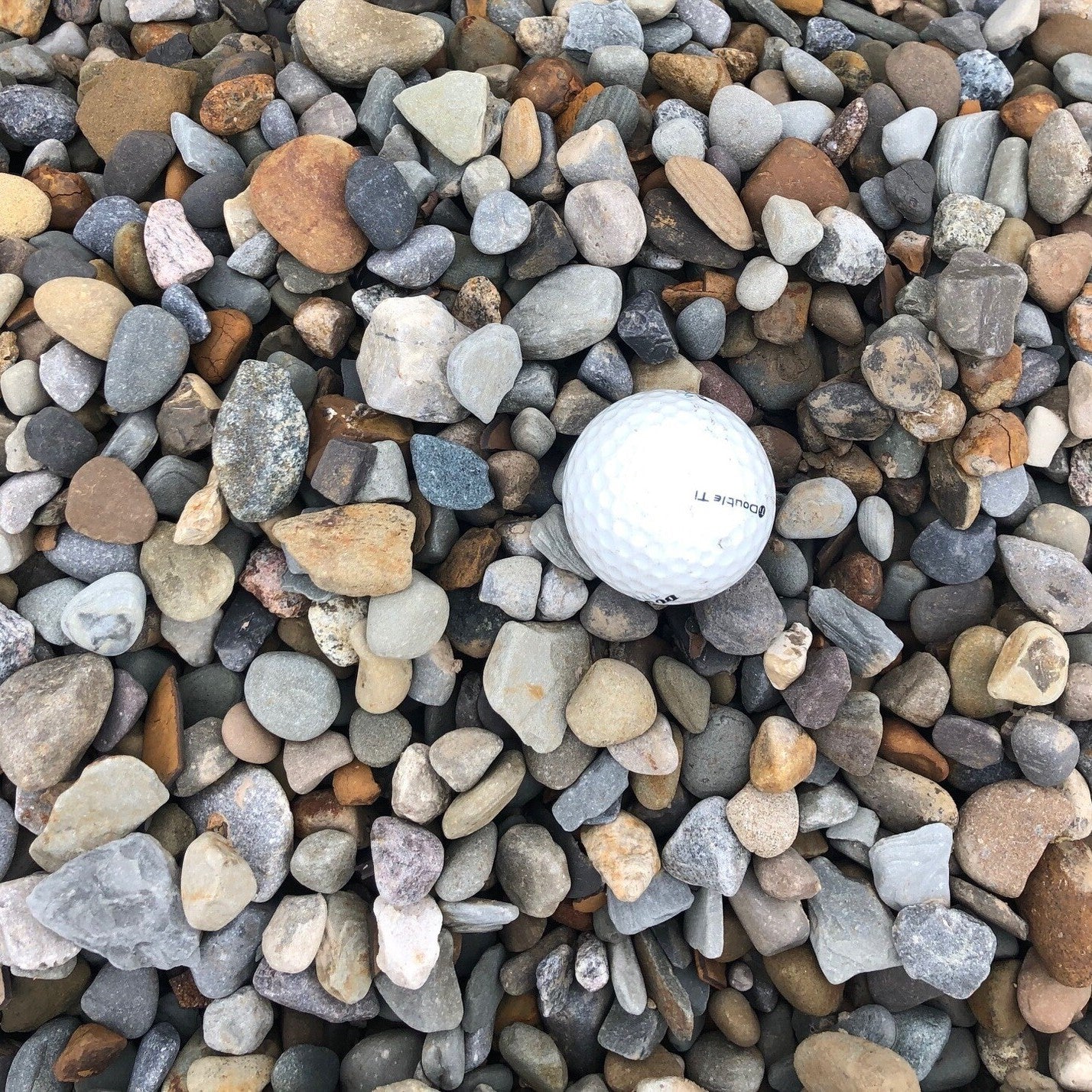
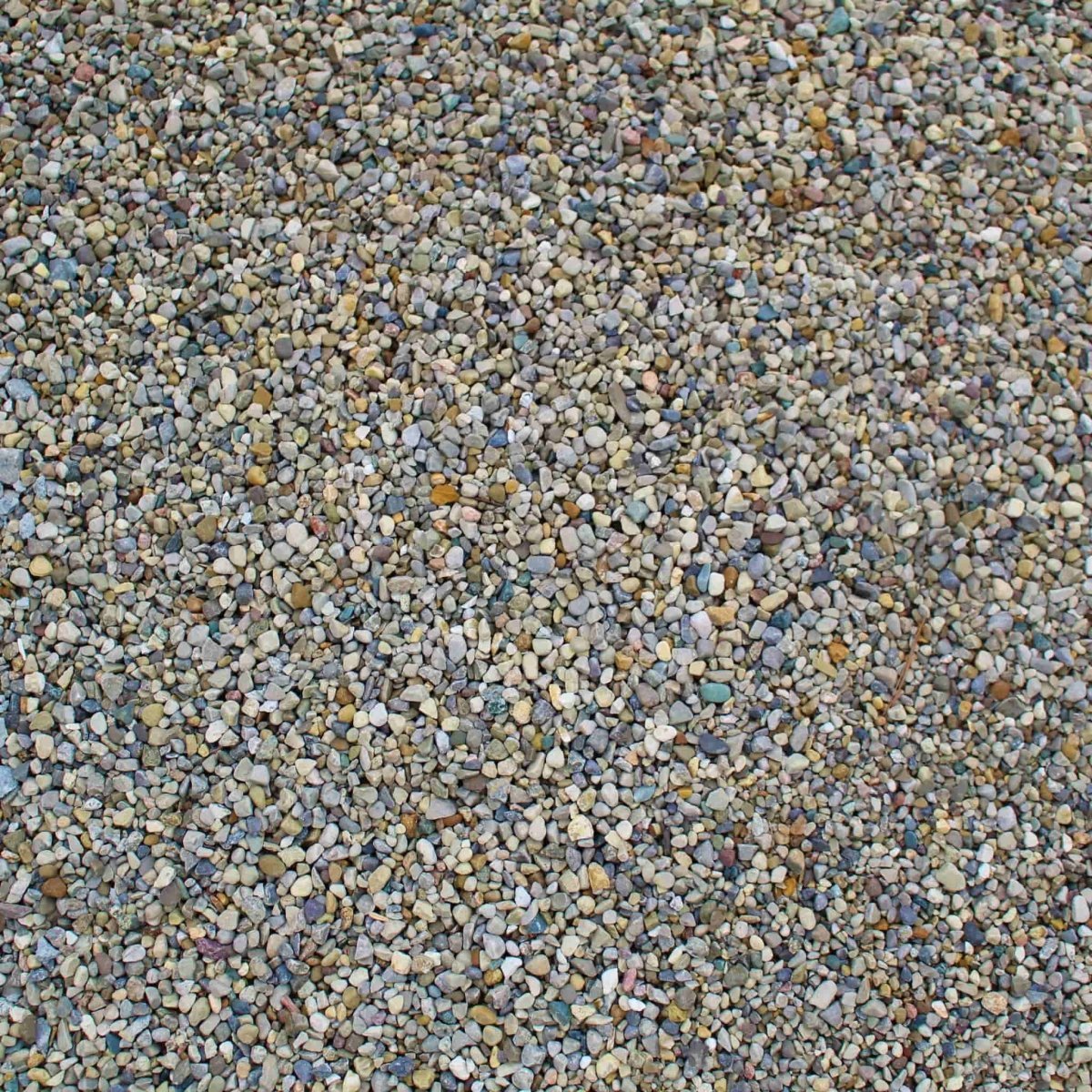
Number 57 crushed stone, angular limestone graded to about three quarters of an inch. The standard driveway, base and drainage gravel, it locks together under traffic and drains fast.
I used Mulch Mound to have 3 cubic yards of garden soil delivered. The process was easy and I love that I didn't have to call anyone. I placed my order online, picked my delivery date, laid out my tarp and the dirt was delivered. My delivery had to be pushed back, but I was ke...
Tell us what you're looking for
Thanks! We received your request.
Something went wrong. Please try again.
How Much Material Do I Need?
For decorative surface coverage in Roswell beds and pathways, a 2 to 3-inch depth of stone is typically sufficient over a weed barrier, while drainage trenches and French drain applications need a minimum of 6 to 8 inches of clean stone to function effectively over red clay. For erosion control on slopes, plan for a 4 to 6-inch layer to ensure the stone stays anchored during the intense summer storms common to the Roswell area.
Use our free gravel calculator
What is a yard?
A yard is approximately 27 cubic feet. As a general guideline, one yard of material can cover an area of about 100-160 square feet at a 2-3 inch depth.
We can't take orders for this right now. Tell us what you need and we'll get back to you.
What do you need?
Thanks! We received your request.
Something went wrong. Please try again.
Hand-picked local yards
4,000+ regional deliveries
Dedicated support
Why order through Mulch Mound
The best local stone, without the guesswork.
We hand-pick and partner with the best yards in your region, keep only the ones our buyers rate well, and back each load with our guarantee.
Mulch Mound Guarantee
If your stone isn't the quantity or quality you ordered, we'll make it right.
About this stone
Number 57 crushed stone, angular limestone graded to about three quarters of an inch. The standard driveway, base and drainage gravel, it locks together under traffic and drains fast.
I used Mulch Mound to have 3 cubic yards of garden soil delivered. The process was easy and I love that I didn't have to call anyone. I placed my order online, picked my delivery date, laid out my tarp and the dirt was delivered. My delivery had to be pushed back, but I was ke...
How Much Material Do I Need?
For decorative surface coverage in Roswell beds and pathways, a 2 to 3-inch depth of stone is typically sufficient over a weed barrier, while drainage trenches and French drain applications need a minimum of 6 to 8 inches of clean stone to function effectively over red clay. For erosion control on slopes, plan for a 4 to 6-inch layer to ensure the stone stays anchored during the intense summer storms common to the Roswell area.
Use our free gravel calculator
What is a yard?
A yard is approximately 27 cubic feet. As a general guideline, one yard of material can cover an area of about 100-160 square feet at a 2-3 inch depth.
I used Mulch Mound to have 3 cubic yards of garden soil delivered. The process was easy and I love that I didn't have to call anyone. I placed my o...
Read full review
I used Mulch Mound to have 3 cubic yards of garden soil delivered. The process was easy and I love that I didn't have to call anyone. I placed my order online, picked my delivery date, laid out my tarp and the dirt was delivered. My delivery had to be pushed back, but I was kept informed via text, which was great. So why not 5 stars? The description of garden soil on the website is "A balanced mix of topsoil and organic amendments ready for raised beds, flower gardens, and new planting areas. Good drainage, solid nutrients, easy to work with." What I got was more like fill dirt. It had a lot of gravel, a lot of clay, and random trash mixed in. I didn't test the soil to see if it actually had "amendments" because I already have compost and alpaca manure ready to add, but if I'd known the quality of the dirt was going to be the same as the bagged dirt I bought last year, I probably would have gotten 2 yards of top soil and a yard of leaf compost for better quality, especially since the leaf compost is cheaper. Photo of my mountain of dirt and just some of the trash I found in it.
Really appreciate the care and follow thru that this company had with our order. A hiccup came up but they were quick to respond and address all co...
Read full review
Really appreciate the care and follow thru that this company had with our order. A hiccup came up but they were quick to respond and address all concerns, which made our garden day a success! Thank you for your prompt care.
To estimate stone for a Roswell project, measure your area in square feet and decide on your target depth in inches, then divide square footage by 100 to get approximate cubic yards needed for a 3-inch layer. Stone is denser than mulch, so a little goes a long way in coverage, and ordering slightly more than your estimate ensures you have enough material to achieve consistent depth across uneven clay-based ground. For drainage projects, factor in the trench dimensions separately from any surface coverage calculations.
Stone Types We Deliver in Roswell
Mulch Mound delivers bulk stone by the cubic yard directly to homes and properties across Georgia's northern suburbs, making it simple to complete your landscaping project without multiple trips to a supply yard. If you have been searching for bulk gravel by the yard in Roswell, we offer flexible scheduling and drop-off right to your driveway. The region's red clay soil and warm, humid summers make quality stone a smart investment for drainage, erosion control, and outdoor living spaces.
Pea Gravel
Pea gravel's smooth, rounded stones and warm earth tones complement the traditional and craftsman-style homes common throughout this part of Georgia. It sheds water efficiently, helping manage runoff during humid Georgia summers, and works beautifully along garden beds, pathways, and patios. A dependable choice for both decorative and practical landscaping needs.
Complete Your Outdoor Stone Project
If you are installing stone pathways or borders, our bulk mulch pairs perfectly for the planted areas surrounding your stone work, giving you a finished landscape that handles Roswell's rainfall without erosion or weeds. Our garden soil is the ideal companion for any raised bed or planting area adjacent to your stone project, giving you a growing medium that works with your new drainage improvements rather than against them.
Before laying any stone in Roswell, take the time to address the grade of your project area first. Because red clay does not absorb water quickly, stone installed over a flat or inward-sloping surface will collect and hold water underneath it rather than drain away. A slight outward slope of about 1 inch per 8 feet ensures that Roswell's regular rainfall moves across and away from your stone surface rather than pooling beneath it.
Mulch Mound Pro Tip
Weed control under stone is significantly more effective when you use a quality non-woven landscape fabric rather than plastic sheeting. Plastic sheeting prevents any moisture movement through the soil, which worsens drainage issues in Roswell's already clay-heavy ground. Non-woven fabric blocks weeds while still allowing water to pass through, which keeps the stone layer from becoming a secondary drainage problem during the heavy rains Roswell receives through spring and early summer.
Mulch Mound Pro Tip
If you are using stone around foundation borders in Roswell, keep stone coverage at least 6 inches away from direct contact with siding, wood trim, or brick mortar. Roswell's clay soil can wick moisture from stone beds against building materials, and the combination of 53 inches of annual rainfall and poor drainage near foundations accelerates deterioration of wood and mortar over time. A clean gap between your stone border and the foundation structure protects your home while still giving you the low-maintenance landscaping look you are going for.
The Unique Landscape of Roswell
In Roswell, where red clay soil struggles to drain and 53 inches of annual rainfall create persistent erosion and runoff challenges, landscape stone serves a practical function far beyond aesthetics. Stone pathways, dry creek beds, and drainage channels give water somewhere to go without washing away soil or creating muddy low spots that plague clay-heavy yards. At 1,060 feet of elevation with rolling terrain throughout much of Roswell, slopes that lose ground cover to foot traffic or weather benefit enormously from stone coverage that holds the grade in place. Stone is also one of the lowest-maintenance landscape materials available, which matters in Zone 8a where weeds and plant growth are aggressive through the long warm season. Whether you are building a decorative border, a functional French drain, or a full stone pathway, bulk landscape stone gives Roswell homeowners durable results without constant seasonal upkeep.
Frequently Asked Questions
Click a question to see the answer
Answer
What size stone works best for drainage in Roswell's red clay soil?
For drainage applications over Roswell's red clay, a 1.5-inch to 2-inch washed river rock or clean crushed stone is the most effective size. Smaller pea gravel can migrate into the clay below and lose its drainage function over time, while larger stones leave too much void space that can trap debris. For French drain applications, wrapping the stone trench with filter fabric before filling keeps clay particles from migrating into the stone bed and clogging it over time.
Answer
Will stone help with the muddy areas in my backyard?
Stone is one of the best permanent solutions for chronically muddy areas in Roswell yards, especially where red clay holds moisture after heavy rain. A 3 to 4-inch layer of gravel or river rock over a fabric weed barrier can transform a problem area into a clean, usable space that stays firm even after significant rainfall. For high-traffic zones like side yards or areas near gates and outbuildings, stone holds up far better than mulch or ground cover plants over Roswell's heavy clay soil.
Answer
What type of stone should I use for a walkway in my Roswell yard?
For walkways in Roswell, crushed granite or decomposed granite compacts well and creates a stable surface that handles foot traffic without shifting. Pea gravel is a popular decorative option for garden paths but tends to scatter and requires edging to stay in place. If you want a more formal look, stepping stones set into a gravel base give you the cleanest path and can be adjusted easily if the ground settles after Roswell's heavy seasonal rains.
Answer
How deep should I lay gravel for a stone pathway?
For walkways over Roswell's red clay soil, a minimum of 4 inches of compacted gravel base is recommended to prevent the path from sinking or shifting after heavy rain. If your path area has poor drainage or sits in a low spot, increasing that base to 6 inches and adding a layer of larger base stone beneath the decorative top layer gives you a more stable result. Because Roswell's clay does not drain quickly, a deeper base is always a safer investment than going shallow.
Answer
I want to control erosion on a sloped area in my yard. What stone works best?
For erosion control on sloped areas in Roswell, larger flat fieldstone or rip rap is the most effective option because the irregular shapes interlock and resist movement during heavy runoff. Slopes that face downhill toward neighboring properties or drainage areas are common in Roswell's hilly terrain, and a properly placed stone layer anchors the soil beneath it while directing water flow without washing away. For moderate slopes, river jack stone in the 2 to 4-inch range provides a balance of stability and visual appeal.
Answer
Does stone get too hot in Roswell's summer temperatures?
Dark-colored stones like black Mexican beach pebble or dark granite can absorb and radiate significant heat during Roswell's summer months, which can be a concern in planting beds near heat-sensitive plants. Lighter-colored stone such as white marble chips or tan river rock reflects more heat and stays cooler to the touch. For foundation borders and areas where plants grow close to the stone, choosing a lighter-colored option reduces heat stress during the hottest weeks of July and August.
Answer
Can I use stone around my tree roots instead of mulch?
Stone is generally not recommended as the primary ground cover directly over tree root zones in Roswell. Unlike organic mulch, stone does not break down into the soil and does not contribute to improving the red clay structure around tree roots. Stone also absorbs and retains more heat than mulch, which can stress roots during Roswell's hot summers. A better approach is to use organic mulch in the root zone and reserve stone for the outer border or decorative ring around the mulch bed.
Answer
Is crush and run the same as crusher run?
Crush and run refers to crushed stone blended with stone dust that compacts into a solid, stable base, often used under driveways and pavers. With Roswell's red clay soil already struggling to drain, we deliver Crushed Stone #57 instead, since its washed, fines-free composition promotes drainage rather than trapping water against clay.
Answer
Is there a stone yard near Roswell?
Roswell's red clay drains slowly and 53 inches of yearly rain keeps water moving across the surface, so a firm crushed stone base works well under paths and drainage channels. Mulch Mound brings crushed stone to your driveway or yard by the cubic yard, so there is no stone yard or quarry run required.