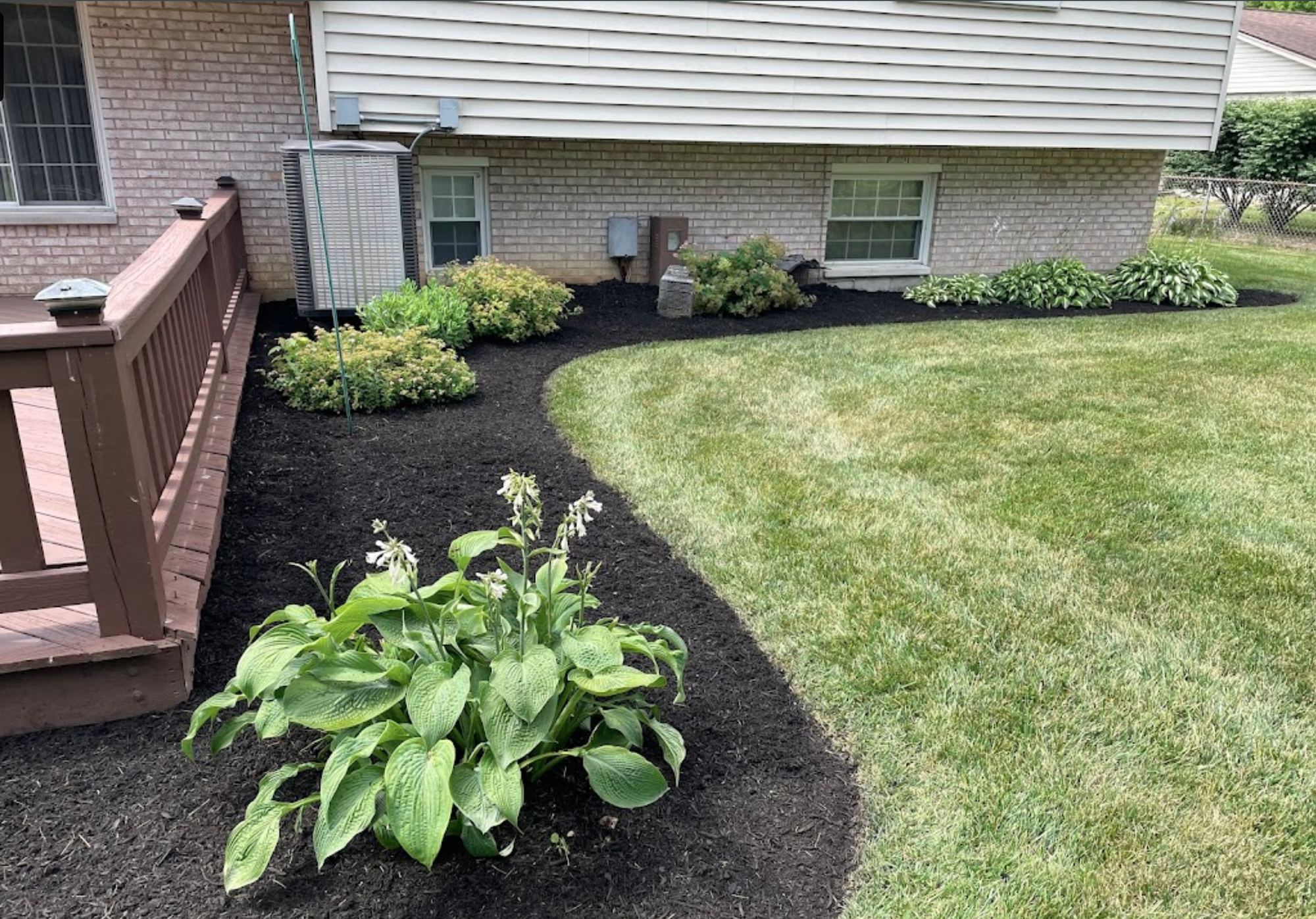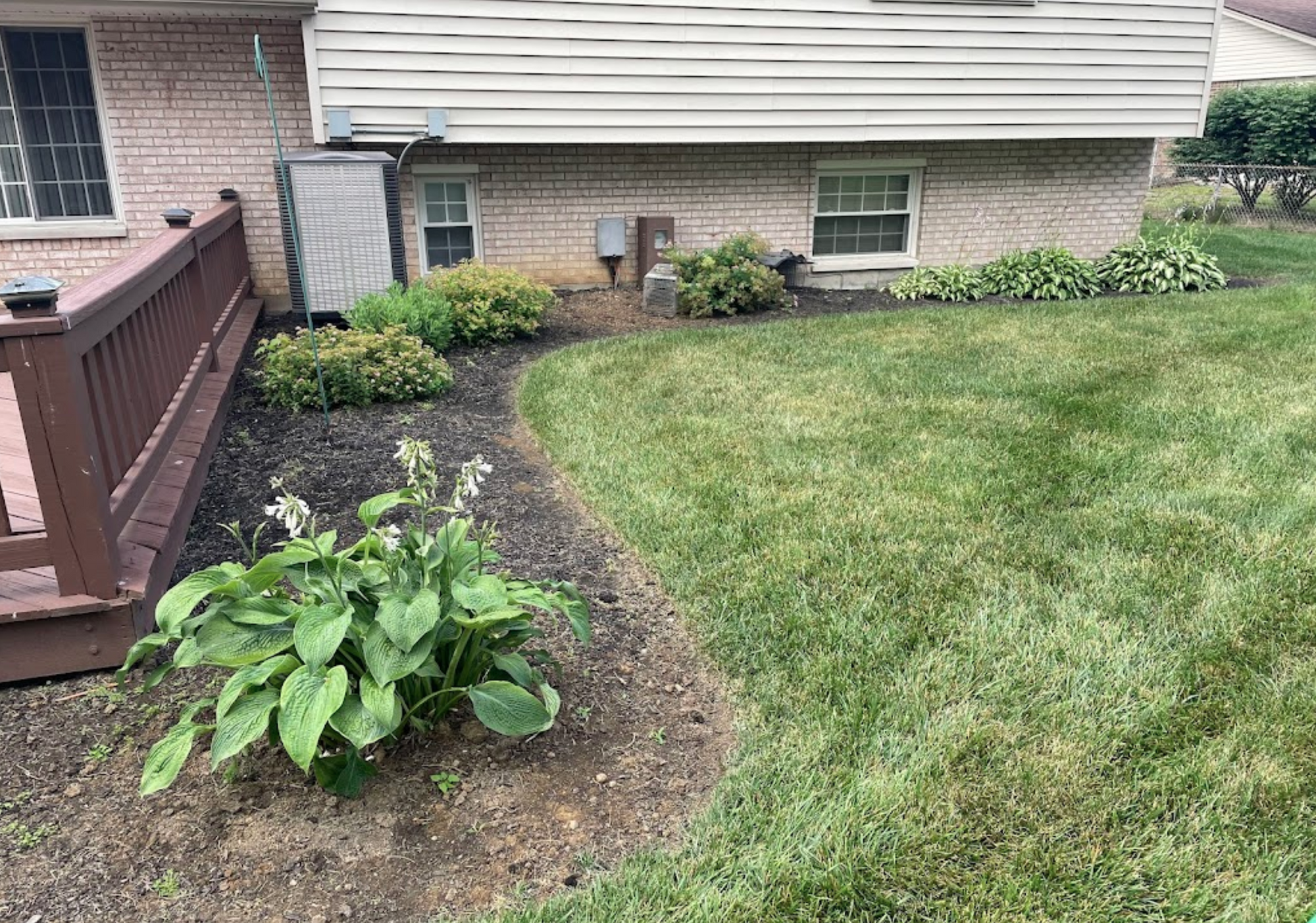
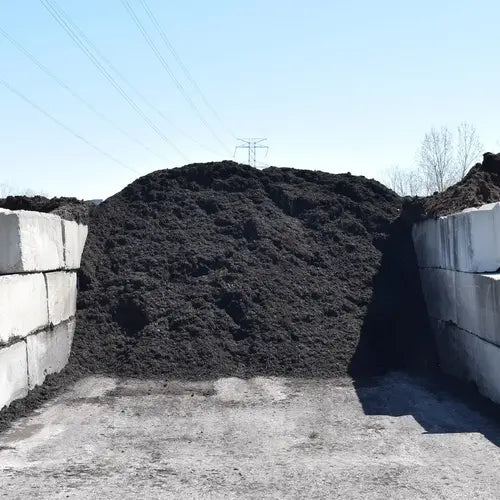
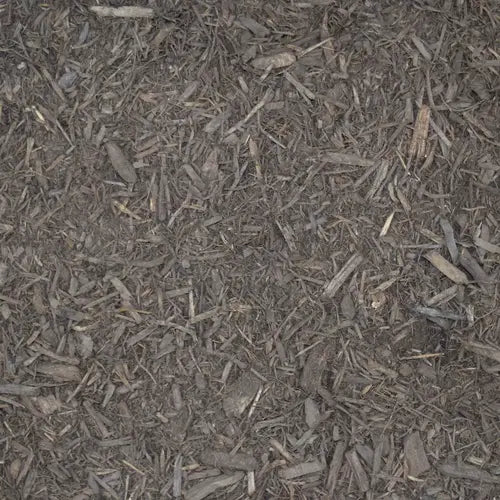
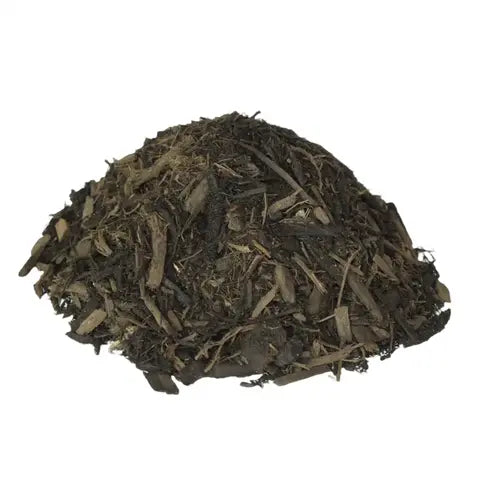
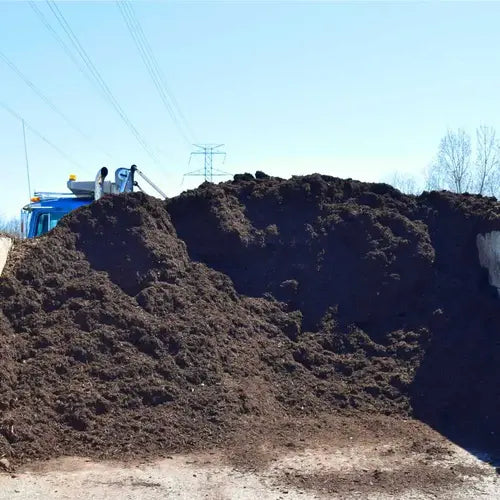


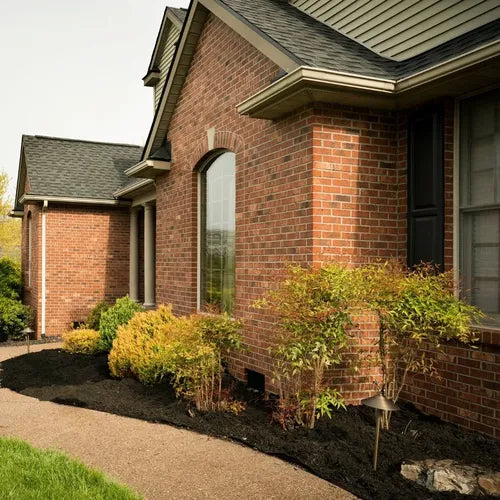
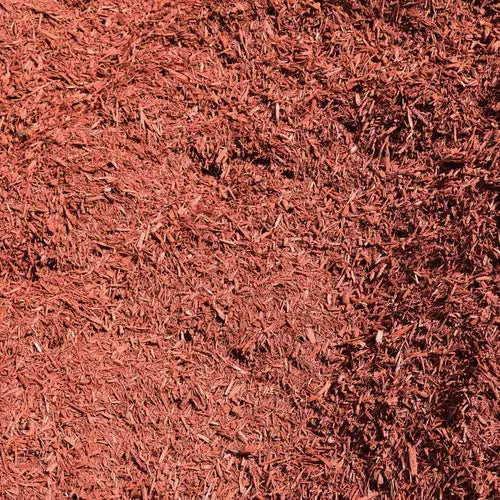
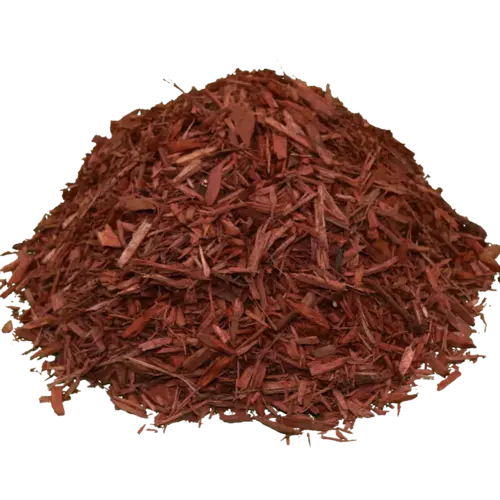
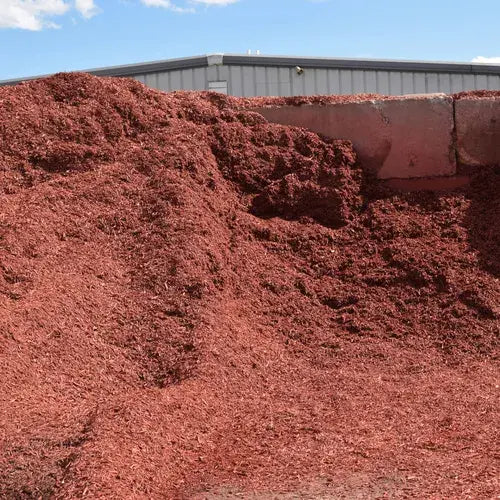


Delivery was smooth and on time! The triple shredded mulch was great quality and just what we were looking for.


Delivery was smooth and on time! The triple shredded mulch was great quality and just what we were looking for.
Thanks! We received your request.
Something went wrong. Please try again.
Couldn't load pickup availability
Delivery was smooth and on time! The triple shredded mulch was great quality and just what we were looking for.
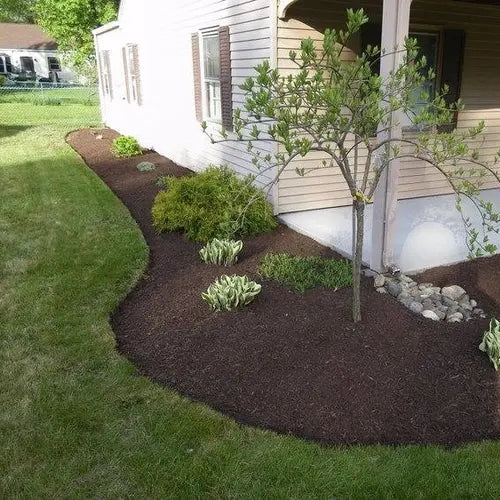
For most Roswell planting beds over red clay soil, a 3-inch application is the standard starting point, with a 4-inch layer recommended for new beds where the clay surface has not yet been broken in. Avoid going over 4 inches deep, especially in areas with Roswell's high annual rainfall, to prevent moisture buildup against plant stems.
Use our free mulch calculator
Thanks! We received your request.
Something went wrong. Please try again.
Getting started is easy — just follow these simple steps
Make sure you adjust the quantity to your home's needs. You can use our calculator to estimate how much you'll need.
Select a delivery date you'd like for the product to be dropped off at your home
Sit back, wait, and let us work our magic to make sure the highest quality product is delivered to your driveway.
Delivery was smooth and on time! The triple shredded mulch was great quality and just what we were looking for.
Great experience with mulch mound. Their online calculator made it easy to estimate how many yards of mulch I needed and delivery was quick. I woul...
Great experience with mulch mound. Their online calculator made it easy to estimate how many yards of mulch I needed and delivery was quick. I would definitely recommend them for your future projects.


We needed mulch for our HOA common areas. Local providers were all holding high prices even for 40 yards of mulch. Mulch mound was easy to wowith...
We needed mulch for our HOA common areas. Local providers were all holding high prices even for 40 yards of mulch. Mulch mound was easy to wowith & has great price for natural mulch + delivery schedule options. They called before delivery to ensure Delivery was exactly where we wanted it.


 +2
+2
For Roswell's Red Clay type of soil, we recommend 2-3 inches for best weed suppression and moisture retention
Try Our CalculatorTo estimate mulch for Roswell beds, measure the length and width of each bed in feet and multiply to get square footage, then divide by 100 to get the cubic yards needed for a 3-inch layer. Keep in mind that Roswell's red clay soil may have low or uneven spots that require a little extra material to establish a consistent depth. When in doubt, round up slightly since leftover mulch can always be used to top off thin areas after your first heavy rain.
Most yards in the Roswell area sit on Red Clay type of soil. Roswell's red clay soil is dense and low in organic matter, which means plant roots struggle to spread and water tends to pool on the surface rather than percolate down to the root zone.
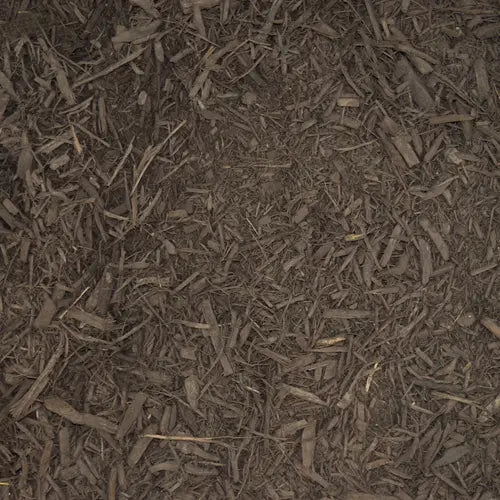
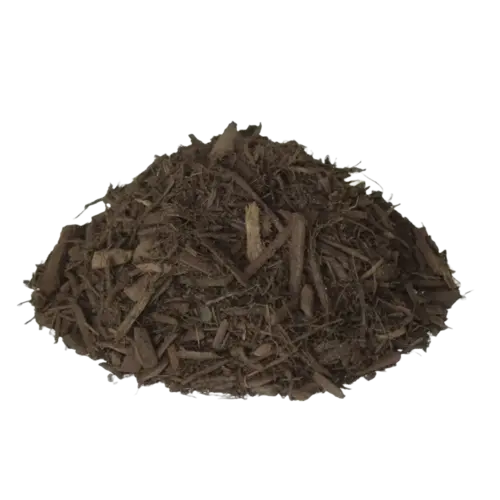
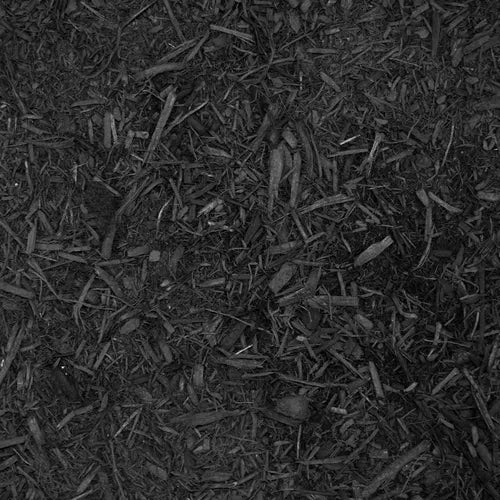
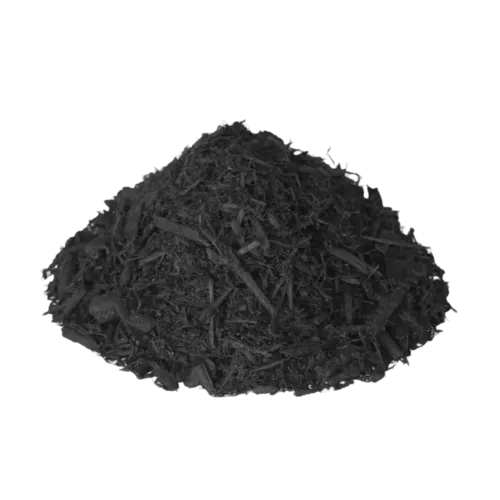
Hardwood Mulch
Hardwood mulch breaks down slowly into humus that integrates directly with Roswell's red clay, gradually improving its structure so water penetrates more evenly and roots can expand beyond the compacted surface layer.
If your beds need structure alongside your mulch, our bulk landscape stone makes a clean border that holds mulch in place through Roswell's summer downpours. Our premium garden soil is also a great addition when mixed into the top layer of red clay beds before mulching, giving roots a more workable environment right from the start.
Roswell's red clay has a tendency to form a hard surface crust when it dries, which can cause water to bead off rather than soak in. Before spreading mulch, loosen the top inch or two of soil with a garden fork so the clay surface is open and receptive to moisture. This small step makes a noticeable difference in how well your plants respond to watering and rainfall throughout the growing season.
Zone 8a means Roswell gardeners can push planting a little earlier than many southern suburbs, but late cold snaps can still arrive close to the April 15 frost date. A fresh layer of mulch applied in early April acts as an insulating blanket for shallow-rooted perennials and newly planted annuals, buffering soil temperature against unexpected cold nights and helping plants establish before the heat of May and June arrives.
With 53 inches of rain falling on Roswell each year, mulch does heavy lifting as a soil erosion shield, particularly on the rolling terrain common across the area. Apply mulch in a donut shape around individual trees and shrubs rather than piling it against the trunk, keeping a 2-inch gap at the base. This prevents crown rot while still protecting the surrounding root zone from being washed away during the intense summer thunderstorms that move through Roswell regularly.
Roswell's red clay soil is notoriously dense and slow to drain, which means plant beds can stay waterlogged after heavy rains and then crack and harden during dry summer stretches. A proper mulch layer acts as a buffer between that unforgiving clay and the roots of your plants, moderating soil temperature swings that come with Zone 8a's warm summers and unpredictable late frosts through mid-April. With 53 inches of annual rainfall hitting Roswell, unprotected beds lose topsoil quickly to runoff, and mulch holds that soil in place while slowing erosion on sloped lots. The growing season here stretches long, from last frost around April 15 through early November, so keeping moisture consistent under mulch helps plants thrive through the hottest weeks without constant irrigation. Mulch also gradually breaks down into organic matter, which is exactly what Roswell's nutrient-poor clay soil needs to become more workable over time.
Explore other options for landscape supply delivery in Roswell, Georgia