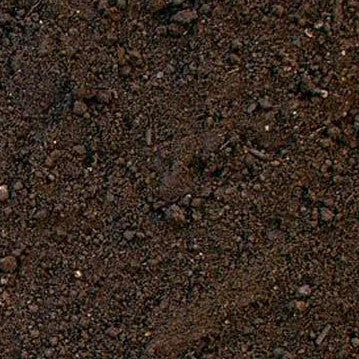
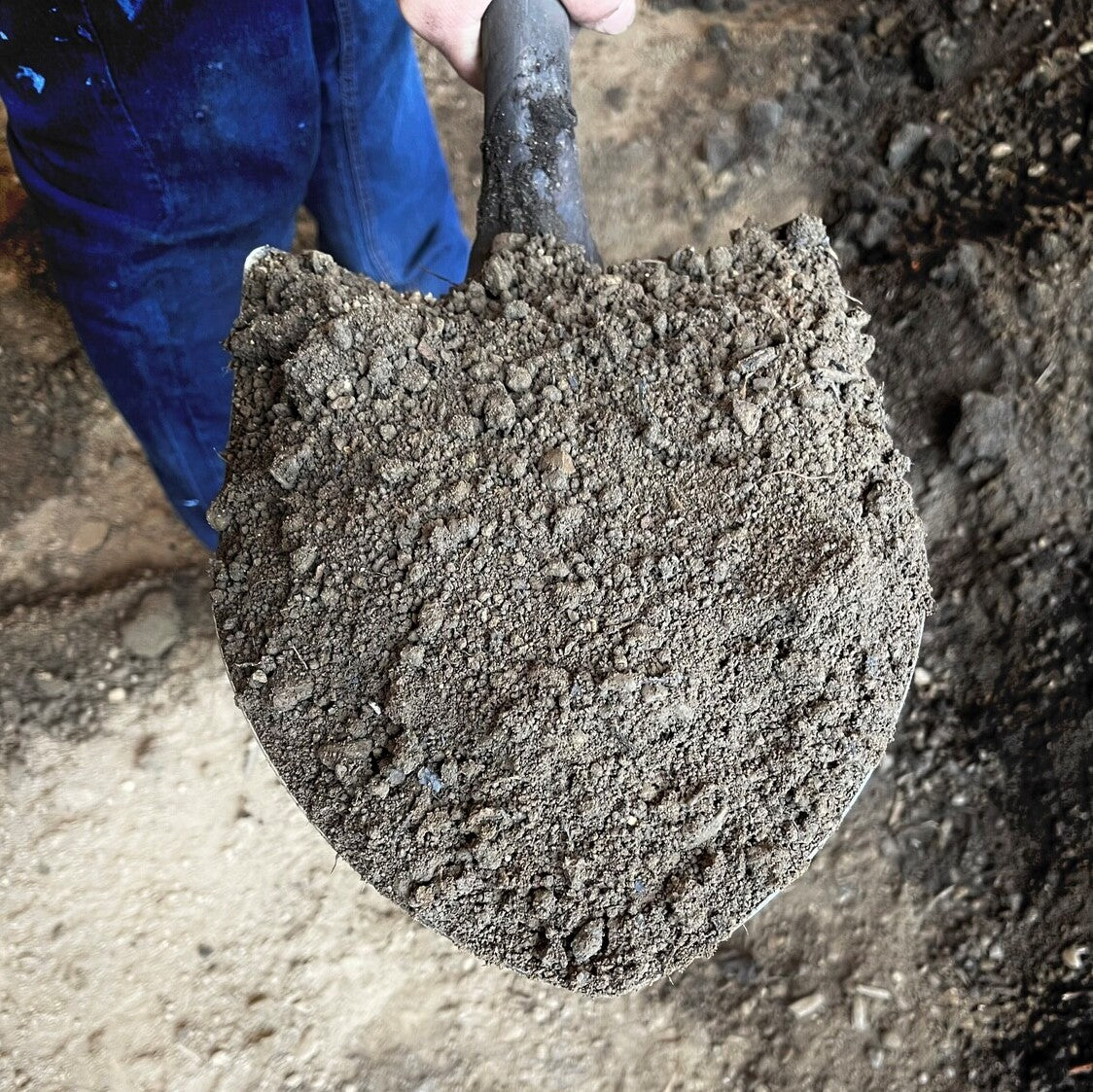
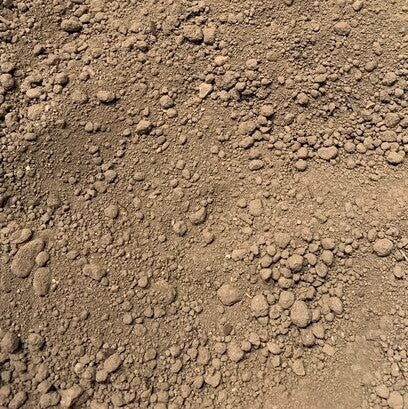
Quality topsoil for lawns, gardens, and landscape projects. Nutrient rich and ready to support strong root development and healthy plant establishment.
Ordered the planting mix with an early Saturday delivery. Super easy ordering experience. Dirt was delivered on time and delivery driver was kind enough to let us know I would take up more room than we though so we could pull cars out of the garage. Will be ordering again
Tell us what you're looking for
Thanks! We received your request.
Something went wrong. Please try again.
How Much Material Do I Need?
For new garden beds on Salem's silt loam, plan on 6 to 8 inches of quality topsoil tilled into the top layer of native soil to create a blended growing zone with good drainage and nutrient content. Lawn leveling projects typically use 1 to 2 inches of screened topsoil applied as topdressing to correct uneven settlement without smothering existing turf.
Use our free soil calculator
What is a yard?
A yard is approximately 27 cubic feet. As a general guideline, one yard of material can cover an area of about 100-160 square feet at a 2-3 inch depth.
We can't take orders for this right now. Tell us what you need and we'll get back to you.
What do you need?
Thanks! We received your request.
Something went wrong. Please try again.
Hand-picked local yards
4,000+ regional deliveries
Dedicated support
Why order through Mulch Mound
The best local soil, without the guesswork.
We hand-pick and partner with the best yards in your region, keep only the ones our buyers rate well, and back each load with our guarantee.
Mulch Mound Guarantee
If your soil isn't the quantity or quality you ordered, we'll make it right.
About this soil
Quality topsoil for lawns, gardens, and landscape projects. Nutrient rich and ready to support strong root development and healthy plant establishment.
Ordered the planting mix with an early Saturday delivery. Super easy ordering experience. Dirt was delivered on time and delivery driver was kind enough to let us know I would take up more room than we though so we could pull cars out of the garage. Will be ordering again
How Much Material Do I Need?
For new garden beds on Salem's silt loam, plan on 6 to 8 inches of quality topsoil tilled into the top layer of native soil to create a blended growing zone with good drainage and nutrient content. Lawn leveling projects typically use 1 to 2 inches of screened topsoil applied as topdressing to correct uneven settlement without smothering existing turf.
Use our free soil calculator
What is a yard?
A yard is approximately 27 cubic feet. As a general guideline, one yard of material can cover an area of about 100-160 square feet at a 2-3 inch depth.
Ordered the planting mix with an early Saturday delivery. Super easy ordering experience. Dirt was delivered on time and delivery driver was kind e...
Read full review
Ordered the planting mix with an early Saturday delivery. Super easy ordering experience. Dirt was delivered on time and delivery driver was kind enough to let us know I would take up more room than we though so we could pull cars out of the garage. Will be ordering again
To estimate soil needs, multiply the length by width by the fill depth in feet and divide by 27 to get cubic yards. For Salem lawn leveling projects, measure the depth of the lowest depressions and use that as your average fill depth across the uneven area. Silt loam compresses about 20 percent when watered in, so adding a slight buffer to your cubic yard estimate prevents you from coming up short after your first round of watering.
Soil Types We Deliver in Salem
Salem gardens and yards benefit from quality bulk soil delivery, whether you are establishing a new lawn, filling raised beds, or refreshing tired landscape areas. Our bulk topsoil by the yard in Salem is sourced and screened to give your plants the foundation they need to thrive in the Willamette Valley climate. We deliver by the cubic yard so you get exactly the amount your project calls for, with no waste.
Screened Top Soil
A clean, nutrient-rich topsoil screened to remove rocks and debris, making it easy to spread and grade across lawns, garden beds, and landscape areas. It supports strong root development and healthy plant establishment, and works especially well in the heavy clay conditions common throughout the Salem area.
Complete Your Outdoor Soil Project
Pairing bulk topsoil with a mulch order is the most efficient way to build and protect new beds in one delivery, giving Salem plants a nutrient-rich growing medium and a moisture-retaining surface layer from day one. Decorative stone is a great addition for edging raised beds or creating gravel paths between garden sections that handle Salem's rainy seasons without turning to mud.
My Salem backyard gets standing water every winter. Can bulk topsoil fix that?
Bulk topsoil can absolutely help when standing water is caused by low spots or poor grading, which is very common in Salem yards because silt loam settles unevenly over time. Filling depressions and regrading to slope away from the house redirects runoff instead of letting it pool. If the drainage problem is deeper, like a high water table or compacted subsoil below the silt loam, you may also need to add a drain, but grade correction with quality topsoil is the right first step.
Answer
What is the difference between topsoil and fill dirt for my Salem landscaping project?
Topsoil is the nutrient-rich upper layer of soil that supports plant growth, and it is what you want for garden beds, lawn repairs, and raised planting areas. Fill dirt is subsoil material without the organic content, used to build up elevation or fill large voids where plants will not grow. In Salem, most lawn leveling and bed construction projects call for screened topsoil because the native silt loam in disturbed areas lacks the structure roots need, and quality topsoil gives plants an environment they can actually thrive in.
Answer
How much topsoil do I need to build a raised vegetable bed in Salem?
A standard 12-inch deep raised bed requires about 1 cubic yard of soil per 27 square feet of bed area, but most Salem gardeners target an 8 to 12 inch fill depth to give vegetable roots room to develop above the native silt loam. For a typical 4 by 8 foot raised bed, plan on roughly half a cubic yard of soil. If you are building multiple beds, ordering in bulk is far more cost-effective and ensures all your beds get consistent soil quality from the same mix.
Answer
When should I add topsoil to my Salem lawn to fix uneven spots?
Early spring, around the time of Salem's last frost date of March 22, is the best window for lawn topdressing and leveling. The soil is workable after winter but the grass is just entering active growth, which means it will quickly push up through thin topdressing applications and knit the new soil into the existing turf. Avoid topdressing in the middle of Salem's wet winter when the ground is saturated, as working compacted silt loam in those conditions damages soil structure and makes the problem worse.
Answer
Will imported topsoil drain better than my native Salem silt loam?
A quality screened topsoil with added organic matter will generally drain better than heavily compacted native silt loam in disturbed Salem yards. Native silt loam in undisturbed areas actually drains reasonably well, but construction activity, foot traffic, and winter rains compact it quickly. A blended topsoil with compost amendments holds its structure longer and allows water to move through more freely, which is especially valuable in Salem yards that experience prolonged wet periods between November and March.
Answer
Can I use bulk topsoil to fill in around the foundation of my Salem home?
Yes, and grading around foundations is one of the most important ways to protect a home in a high-rainfall area like Salem. The goal is to create a positive slope away from the foundation so that Salem's heavy winter rains drain away from the structure rather than pooling against it. Use clean topsoil rather than high-organic planting soil for this application, as very organic mixes compress over time. A consistent slope of 1 inch per foot for the first 6 feet away from the foundation is the standard recommendation.
Answer
My Salem garden soil is compacted and barely grows anything. Should I add topsoil or just amend what I have?
In most Salem cases where beds are deeply compacted, bringing in fresh topsoil and blending it into the top 6 to 8 inches of existing soil gives better results than amending alone. Salem's silt loam, once compacted and depleted of organic matter, is slow to recover from light amendment because the physical structure has been compromised. Tilling in a 3 to 4 inch layer of fresh topsoil or a topsoil-compost blend rebuilds that structure faster and gives you a productive bed in the same growing season rather than waiting years for amendments to take effect.
Mulch Mound Pro Tip
Before spreading topsoil over a waterlogged low spot in your Salem yard, use a spade to check whether the standing water issue is limited to the top few inches or goes deeper into the subsoil. If the bottom of a 12-inch hole drains within an hour after digging, grade correction with topsoil will solve the problem. If water persists at the bottom of the hole, you may need a French drain before adding topsoil, or the new soil will simply hold water above the same slow-draining layer.
Mulch Mound Pro Tip
Salem's growing season starts in earnest after March 22, and the most productive vegetable gardeners in the valley have their raised beds filled and settled by mid-March. Fresh topsoil needs at least two weeks to settle and equilibrate before planting, especially if it was delivered moist. Order your bulk soil in late February or early March so it has time to warm slightly and for you to work in any additional compost before the planting window opens.
Mulch Mound Pro Tip
When topdressing an uneven Salem lawn, apply no more than half an inch of topsoil at a time over existing turf. Silt loam-based lawns in Salem can handle light topdressing without smothering the grass if done incrementally, but burying turf under 2 inches at once will kill it. For deep depressions greater than 2 inches, cut the sod, fill below it, and replace the sod on top so the grass roots stay intact and reestablish quickly in the spring growing window.
The Unique Landscape of Salem
Salem sits in the heart of the Willamette Valley where native silt loam soil is widespread, fertile, and well-suited to gardening but not always cooperative for landscaping projects that require precise grading or raised planting areas. Silt loam tends to settle and shift over time, leaving lawns lumpy and garden beds uneven after a wet winter. With 40 inches of annual rainfall pushing through the valley, low spots in yards become standing water zones that damage turf and root systems from October through March. Bringing in quality bulk topsoil allows homeowners to correct those grades, fill depressions, and build raised beds that drain reliably regardless of how much rain falls. Salem's growing season opens around March 22 after the last average frost, and having well-prepared nutrient-rich soil in place before that date gives vegetables, annuals, and perennials the best possible start. Whether the goal is lawn leveling, new bed construction, or backfilling around a new planting, clean bulk soil is the foundation every Salem landscape project starts with.