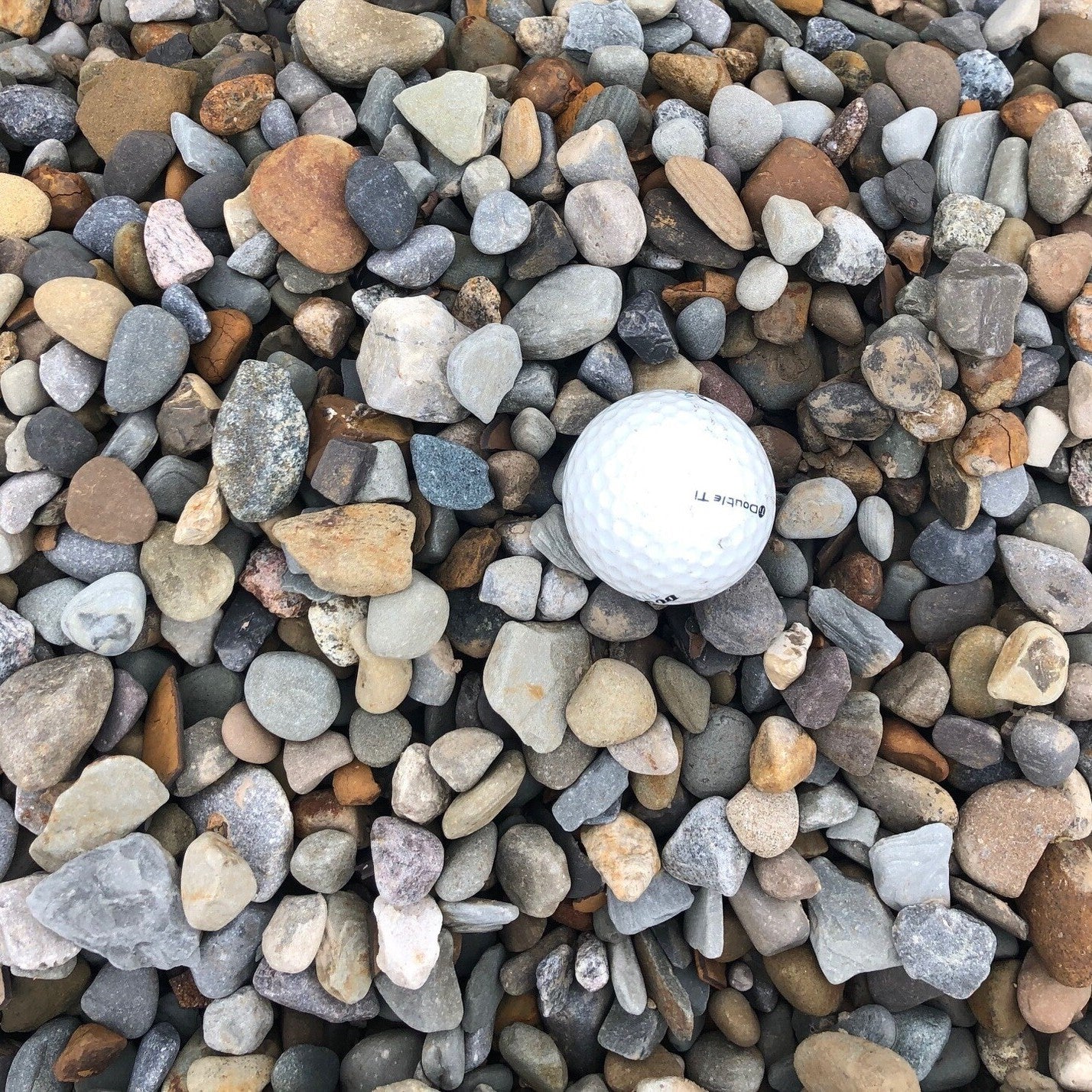
Number 57 crushed stone, angular limestone graded to about three quarters of an inch. The standard driveway, base and drainage gravel, it locks together under traffic and drains fast.
I contacted Mulch Mound for #57 river rocks and it was easy and fast to get a delivery right before the holiday weekend. Stone was delivered as promised and place exactly where I asked. Excellent service! I will be ordering mulch next!
Tell us what you're looking for
Thanks! We received your request.
Something went wrong. Please try again.
How Much Material Do I Need?
Most decorative stone applications in Salem work well at a 2 to 3 inch depth for ground cover beds and planting borders, while pathways, patios, and drainage features benefit from a 4 to 6 inch depth to maintain stability through Salem's wet winters. Gravel used in drainage swales or dry creek beds should be laid at least 4 inches deep to effectively manage the runoff volumes Salem's rainy season generates.
Use our free gravel calculator
What is a yard?
A yard is approximately 27 cubic feet. As a general guideline, one yard of material can cover an area of about 100-160 square feet at a 2-3 inch depth.
We can't take orders for this right now. Tell us what you need and we'll get back to you.
What do you need?
Thanks! We received your request.
Something went wrong. Please try again.
Hand-picked local yards
4,000+ regional deliveries
Dedicated support
Why order through Mulch Mound
The best local stone, without the guesswork.
We hand-pick and partner with the best yards in your region, keep only the ones our buyers rate well, and back each load with our guarantee.
Mulch Mound Guarantee
If your stone isn't the quantity or quality you ordered, we'll make it right.
About this stone
Number 57 crushed stone, angular limestone graded to about three quarters of an inch. The standard driveway, base and drainage gravel, it locks together under traffic and drains fast.
I contacted Mulch Mound for #57 river rocks and it was easy and fast to get a delivery right before the holiday weekend. Stone was delivered as promised and place exactly where I asked. Excellent service! I will be ordering mulch next!
How Much Material Do I Need?
Most decorative stone applications in Salem work well at a 2 to 3 inch depth for ground cover beds and planting borders, while pathways, patios, and drainage features benefit from a 4 to 6 inch depth to maintain stability through Salem's wet winters. Gravel used in drainage swales or dry creek beds should be laid at least 4 inches deep to effectively manage the runoff volumes Salem's rainy season generates.
Use our free gravel calculator
What is a yard?
A yard is approximately 27 cubic feet. As a general guideline, one yard of material can cover an area of about 100-160 square feet at a 2-3 inch depth.
I contacted Mulch Mound for #57 river rocks and it was easy and fast to get a delivery right before the holiday weekend. Stone was delivered as pro...
Read full review
I contacted Mulch Mound for #57 river rocks and it was easy and fast to get a delivery right before the holiday weekend. Stone was delivered as promised and place exactly where I asked. Excellent service! I will be ordering mulch next!
Measure the length and width of your project area in feet, then decide on your stone depth, typically 2 to 4 inches for decorative applications and 4 to 6 inches for pathways and patios in Salem. Multiply length by width by depth in feet and divide by 27 to get cubic yards. Because stone settles into silt loam more than it would over hardpan, add 10 to 15 percent to your estimate for Salem projects to account for that initial settlement after the first winter rains compact the base.
Stone Types We Deliver in Salem
Ordering bulk gravel by the yard in Salem is a practical way for homeowners and landscapers to complete everything from backyard patios to drainage channels along property lines. The Willamette Valley's wet winters and naturally heavy clay soils mean that choosing the right stone makes a real difference in how well a landscape holds up. We deliver natural stone by the cubic yard straight to your driveway or job site, with no need to haul or rent a truck.
Pea Gravel
Smooth, rounded, and available in warm earth tones, pea gravel suits yards where the region's clay soils benefit from improved drainage. It lays easily along walkways, garden borders, and patio edges, complements craftsman and cottage home styles common in this part of Oregon, and performs reliably through the area's long, wet winters.
Complete Your Outdoor Stone Project
Pairing stone with a bulk topsoil order lets you build up and stabilize new planting areas while adding durable stone borders and pathways in the same project, which is especially practical for Salem properties being renovated after a wet winter. Adding a layer of mulch to the planted sections alongside your stone installation ties the landscape together visually and helps retain moisture in the silt loam beds during Salem's dry summer stretch.
Before installing any stone pathway or patio in Salem, compact the subbase thoroughly after grading. Silt loam is prone to settling after the first heavy rains of fall, and stone laid over uncompacted soil will shift and develop uneven spots within the first winter. Rent a plate compactor, wet the subbase lightly to help compression, and run two passes before adding your gravel base. This extra step means your stone surface stays level and safe through multiple wet seasons without needing releveling.
Mulch Mound Pro Tip
For decorative gravel beds around ornamental plantings, choose a stone size that is proportional to the scale of your plants. Fine 3/8-inch chips look clean around low perennials and grasses in Salem cottage gardens, while larger 2 to 3 inch river rock suits bold shrubs and ornamental trees. Mixing sizes in one bed can look cluttered, so pick one size per bed zone and stay consistent. Stone also reflects heat back to plants, which slightly extends the effective growing season in Salem's mild zone 8b climate.
Mulch Mound Pro Tip
In Salem, one of the most practical uses for bulk stone is along fence lines and property borders where mowing and edging are difficult and silt loam stays wet all winter. A 2-foot wide strip of crushed gravel along the fence base eliminates the mowing, reduces slug habitat in the moist understory, and creates a clean visual edge that looks maintained even during the gray rainy months. Lay landscape fabric first and overlap it under the fence posts to prevent weeds from pushing through the gravel over time.
The Unique Landscape of Salem
Salem's combination of heavy winter rainfall and silt loam soil creates persistent challenges for pathways, borders, and outdoor living areas that organic materials simply cannot solve on their own. Silt loam compacts and shifts with moisture changes, and surfaces left bare or covered only in organic material can become muddy and unstable during the October through March wet season. Decorative and functional stone provides a stable, permeable surface that handles Salem's 40 inches of annual rain without deteriorating, washing away, or breeding the moss and algae that plague wooden surfaces in the valley's humid winters. Stone pathways and gravel beds also eliminate the mowing and trimming maintenance that low-growing ground covers require in Salem's long growing season, freeing up time for more rewarding garden tasks. From foundation drainage channels to fire pit surrounds and dry creek erosion features, stone is the most durable landscape material available to Salem homeowners. Its longevity means a single well-executed stone project can serve a Salem property for decades without replacement.
Frequently Asked Questions
Click a question to see the answer
Answer
What size gravel works best for walkways in a Salem yard?
A crushed 3/4-inch minus gravel, which includes fine particles that compact together, creates a firm stable walking surface that holds up well through Salem's wet winters. Pea gravel and larger rounded stones stay loose underfoot and can scatter, which is less ideal for high-traffic paths. For a secondary path through a garden where drainage is the main goal, a clean 3/8-inch chip works well and allows Salem's heavy rain to percolate straight through rather than running along the surface.
Answer
Will gravel solve the muddy areas in my Salem backyard?
Gravel is one of the most effective long-term solutions for chronically muddy areas in Salem yards, especially in silt loam zones where foot traffic quickly destroys any turf or organic cover. A 4-inch layer of clean drain rock or crushed gravel over landscape fabric creates a permeable surface that breaks up foot traffic and allows Salem's winter rain to pass through without pooling. High-traffic spots near gates, sheds, and play equipment respond especially well to gravel since those are the areas where silt loam compacts and stays wet the longest.
Answer
How do I use stone to manage rainwater runoff in my Salem landscape?
Dry creek beds and gravel-lined swales are popular and effective in Salem because they give the 40 inches of annual rainfall a directed path to drain without eroding soil or flooding beds. A dry creek uses larger river rock arranged in a naturalistic channel to carry water from high spots to a low drain point or rain garden. Gravel swales work better in tight spaces and along fence lines where a formal creek would feel out of scale. Both solutions blend naturally into Salem landscapes while doing real drainage work every rainy season.
Answer
Is stone a good low-maintenance option for the parking strip in front of my Salem home?
Stone is an excellent parking strip solution in Salem because parking strips are typically the hardest area in a yard to keep looking good. Silt loam compacts under foot traffic and vehicle vibration, turf struggles in the dry summer and gets muddy in winter, and ornamental plants require constant trimming near the sidewalk. A decomposed granite or crushed basalt surface with drought-tolerant accent plants and stone borders requires almost no maintenance, handles Salem rain without erosion, and stays attractive year-round without irrigation.
Answer
What kind of stone should I use around my Salem home's foundation?
A clean crushed gravel or river rock border 12 to 18 inches wide along the foundation serves two purposes in Salem's rainy climate. First, it creates a permeable drainage zone that carries roof runoff away from the foundation footing quickly rather than letting it soak into the adjacent silt loam. Second, it eliminates the moist organic layer against the house that attracts pests and promotes wood rot in the damp Willamette Valley winters. A 2 to 3 inch layer of clean stone over landscape fabric in that border zone is a practical investment for any Salem home.
Answer
How much stone do I need for a gravel patio in my Salem backyard?
For a gravel patio, plan on a 4-inch compacted base layer of crushed gravel topped with 2 inches of your decorative surface stone, bringing total depth to about 6 inches. To calculate cubic yards, multiply the patio's length by width in feet, multiply by 0.5 for the 6-inch depth, then divide by 27. In Salem, a deeper base layer is worthwhile because silt loam can shift slightly during wet winters, and a thicker compacted base resists settling and keeps the patio surface level season after season.
Answer
Can I use decorative river rock in areas where I have had erosion problems in my Salem yard?
River rock is well-suited for erosion control in Salem because the rounded stones interlock loosely and dissipate the energy of moving water without being carried away like soil or mulch. On slopes that catch concentrated flow from Salem's winter rain, a layer of 2 to 4 inch river rock acts as an armor layer over the silt loam below. For steep slopes, larger 4 to 6 inch cobbles provide even more stability. Pairing river rock with native groundcover plantings gives the slope both short-term erosion resistance and long-term root structure.
Answer
Is there a stone yard near Salem?
Salem's silt loam soil turns soft and shifts through the wet season from October to March, so paths and borders need a firm, permeable base like crushed stone. You can skip the stone yard entirely, because Mulch Mound delivers crushed stone by the cubic yard straight to your site, with no trip to a quarry needed.