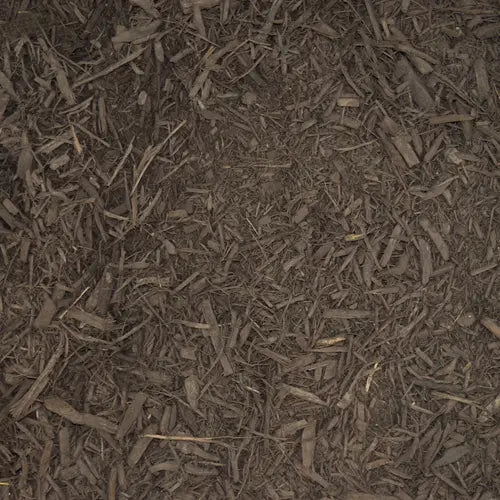
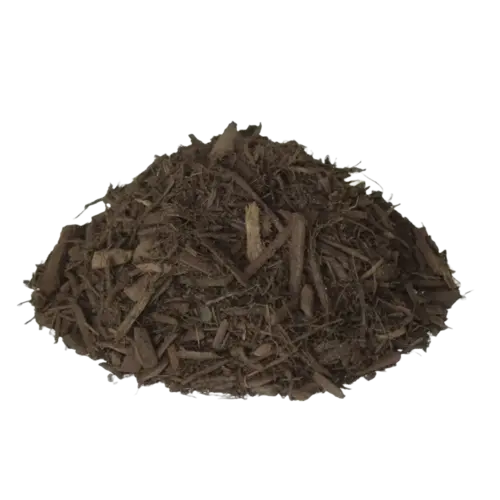
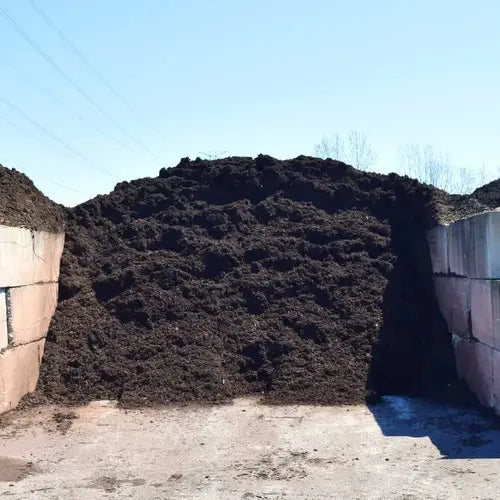
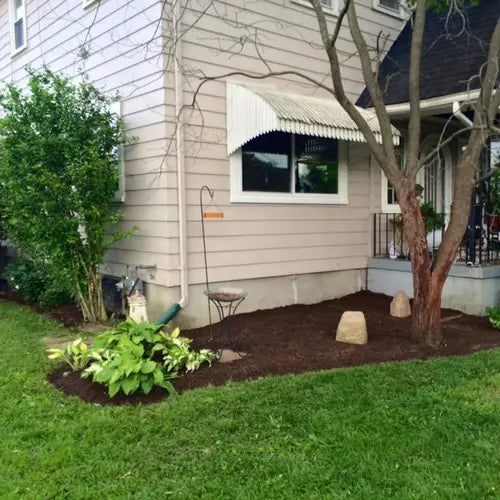
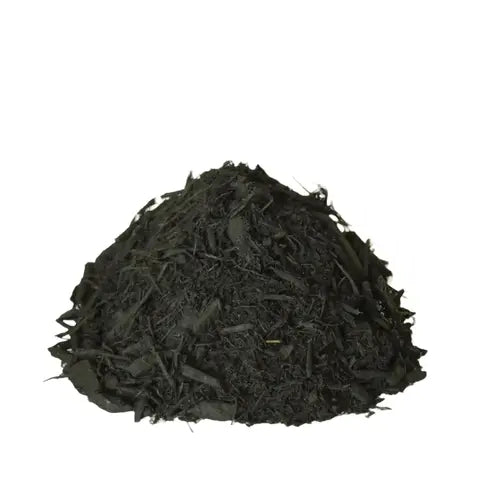
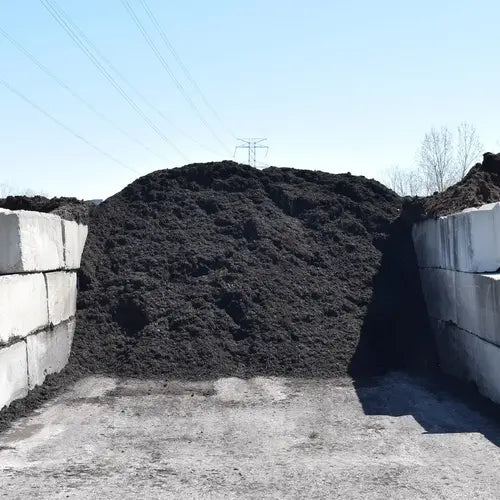
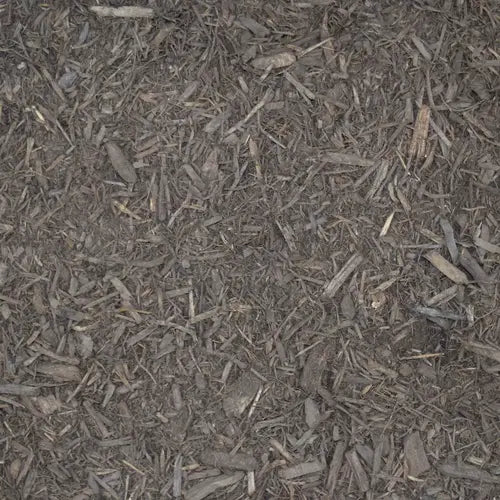
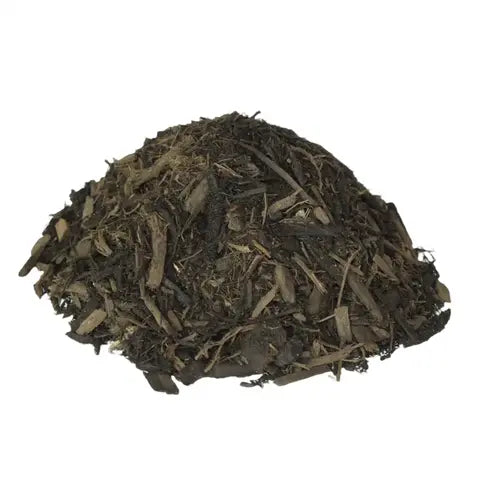
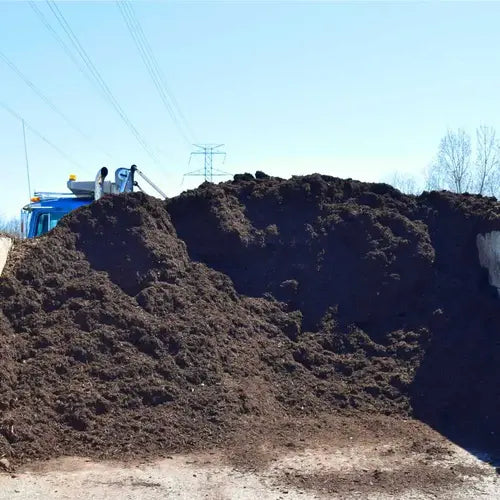
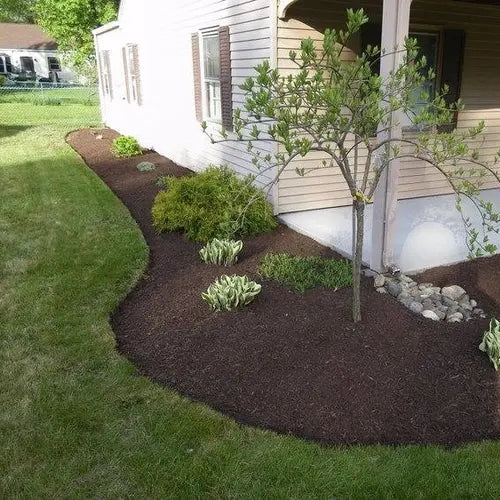
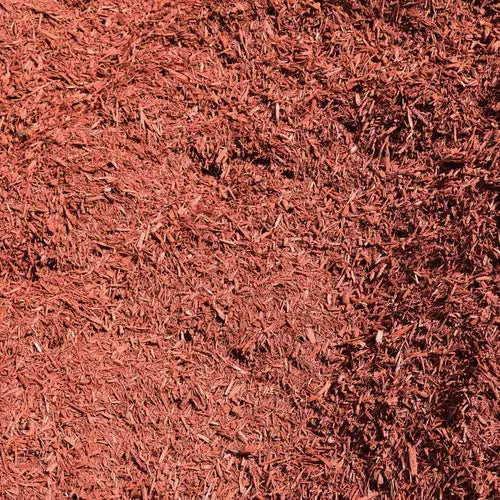
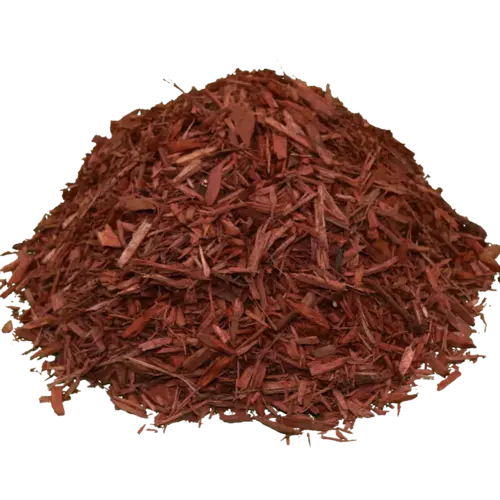
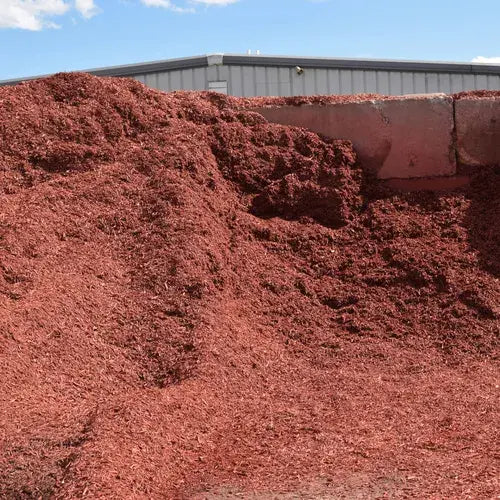
Warm brown double shredded mulch with lasting color that looks freshly applied for weeks. Spreads smooth, stays put, and gives beds a natural, polished appearance.
Delivery was on time and great quality Mulch. Got it done in a reasonable time and yard looks great. Couldn’t be happier!!! Thank you and will use again!!
Tell us what you're looking for
Thanks! We received your request.
Something went wrong. Please try again.
How Much Material Do I Need?
For San Marcos's alkaline clay soil, a 3 to 4 inch mulch layer is recommended to adequately slow moisture loss and suppress weeds through the long growing season. Thinner layers tend to dry out quickly and allow weed breakthrough during Zone 9a summers.
Use our free mulch calculator
What is a yard?
A yard is approximately 27 cubic feet. As a general guideline, one yard of material can cover an area of about 100-160 square feet at a 2-3 inch depth.
We can't take orders for this right now. Tell us what you need and we'll get back to you.
What do you need?
Thanks! We received your request.
Something went wrong. Please try again.
Hand-picked local yards
4,000+ regional deliveries
Dedicated support
Why order through Mulch Mound
The best local mulch, without the guesswork.
We hand-pick and partner with the best yards in your region, keep only the ones our buyers rate well, and back each load with our guarantee.
Mulch Mound Guarantee
If your mulch isn't the quantity or quality you ordered, we'll make it right.
About this mulch
Warm brown double shredded mulch with lasting color that looks freshly applied for weeks. Spreads smooth, stays put, and gives beds a natural, polished appearance.
Delivery was on time and great quality Mulch. Got it done in a reasonable time and yard looks great. Couldn’t be happier!!! Thank you and will use again!!
How Much Material Do I Need?
For San Marcos's alkaline clay soil, a 3 to 4 inch mulch layer is recommended to adequately slow moisture loss and suppress weeds through the long growing season. Thinner layers tend to dry out quickly and allow weed breakthrough during Zone 9a summers.
Use our free mulch calculator
What is a yard?
A yard is approximately 27 cubic feet. As a general guideline, one yard of material can cover an area of about 100-160 square feet at a 2-3 inch depth.
Delivery was on time and great quality Mulch. Got it done in a reasonable time and yard looks great. Couldn’t be happier!!! Thank you and will us...
Read full review
Delivery was on time and great quality Mulch. Got it done in a reasonable time and yard looks great. Couldn’t be happier!!! Thank you and will use again!!
Mulch Mound delivered a yard of pea gravel to us. Delivery was on time, driver was friendly and hit a bullseye on the “tarp target”. We used the ...
Read full review
Mulch Mound delivered a yard of pea gravel to us. Delivery was on time, driver was friendly and hit a bullseye on the “tarp target”. We used the pea gravel (which was diameter as specified) to fill several muskrat holes around our pond. I would definitely recommend Mulch Mound to a friend!
I can’t say enough good things about Mulch Mound! If you read my review below you will see I had a problem with my order. Mulch Mou...
Read full review
UPDATE!
I can’t say enough good things about Mulch Mound! If you read my review below you will see I had a problem with my order. Mulch Mound was quick to respond and solved the issue with my delivery. Will definitely be a customer next year.
First time purchase from Mulch Mound!! First what I liked! Easy to order online and straight forward pricing and delivery. The driver was on time and courteous and delivered my Mulch exactly where I requested! The product is of good quality and comparable to others I have purchased from before. Now what I DID’NT LIKE! I have been mulching the same house and yard for almost 20 years. I always order the same amount and don’t have any issues with covering the same area but this year I fell about a yard short. I was home when the mulch was delivered and when the driver dumped it I noticed that it seemed a bit less than I was used to. I didn’t apply it any thicker than usual and probably a bit thinner than usual because I was worried about running out.
Measure each bed area in feet and multiply length by width to get square footage, then plan for a depth of 3 to 4 inches given San Marcos conditions where summer evaporation is high. Irregular shaped beds can be broken into rectangles and added together before entering the total. Our calculator handles the conversion to cubic yards automatically so you know exactly how much to order.
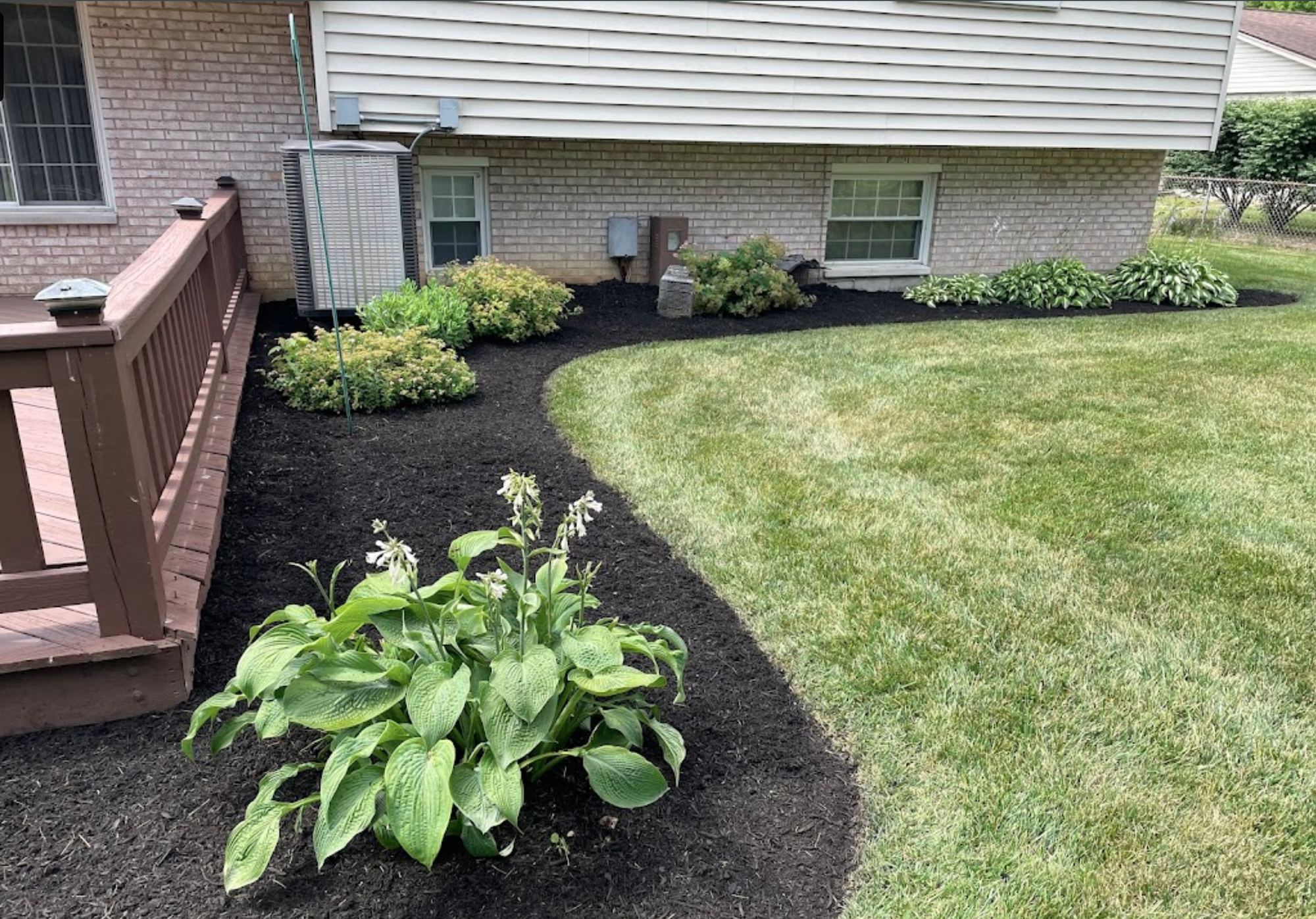
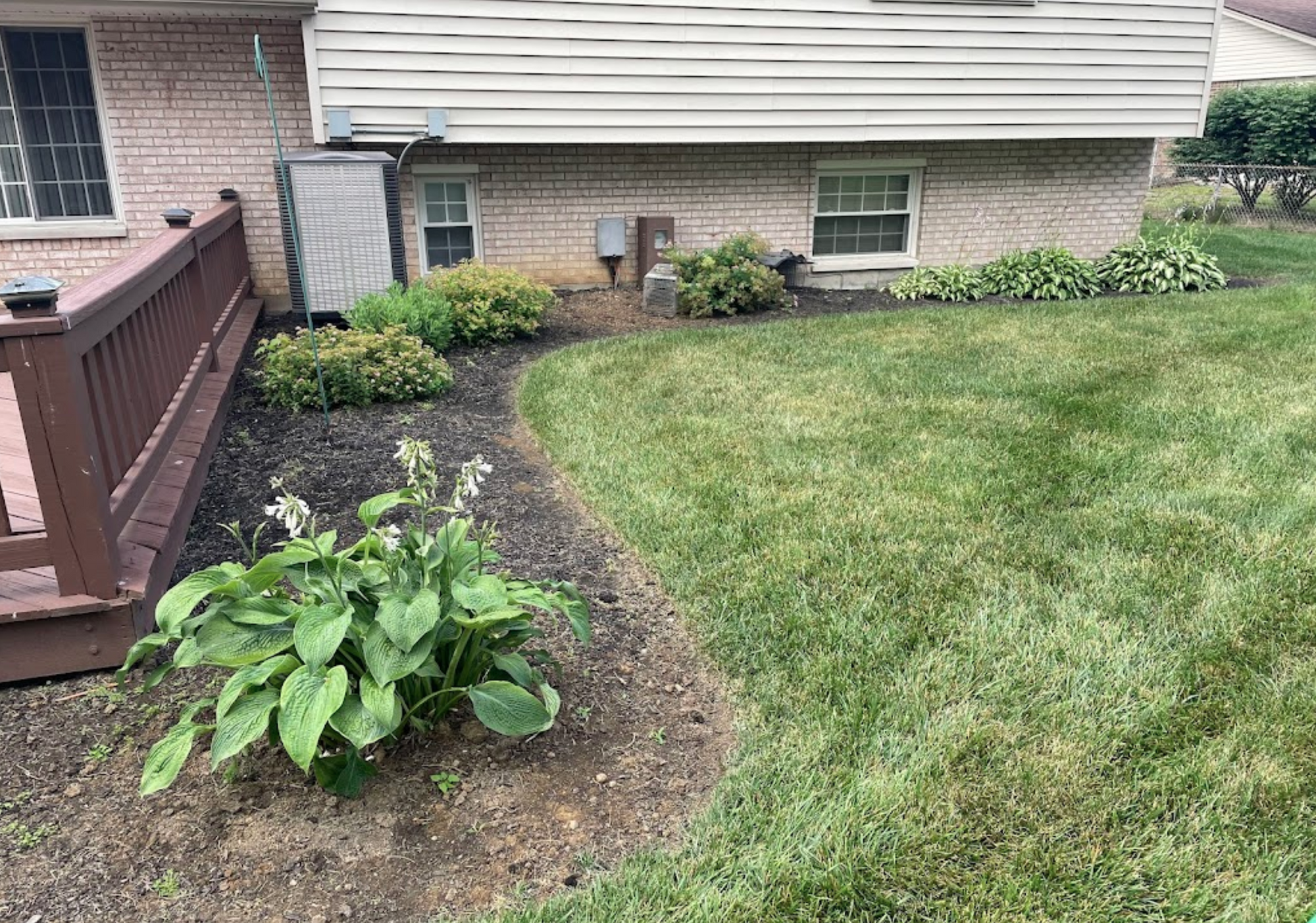
Mulch vs. No Mulch: The Difference
San Marcos's intense summer sun and Zone 9a heat cause dyed mulches to fade more quickly than they would in cooler climates, though premium dyed products still hold color well through a full season. Natural hardwood mulch, while it shows weathering sooner, actively contributes to improving the alkaline clay soil beneath as it decomposes over time. For beds where long-term soil health matters as much as curb appeal, natural hardwood is often the better investment.
Before
After
Best Mulch Choice for San Marcos Lawns
Most yards in the San Marcos area sit on alkaline clay type of soil. San Marcos's alkaline clay soil is naturally low in organic matter and tends to compact over time, which limits root development and water infiltration in plant beds.
Hardwood Mulch
Hardwood mulch breaks down into organic matter that works into the clay over time, gradually improving soil structure, introducing beneficial microbial activity, and very slightly reducing the high pH that makes San Marcos's native soil challenging for many ornamental plants.
Mulch Types We Deliver in San Marcos
Mulch Mound delivers fresh bulk mulch by the cubic yard to homes and properties throughout the area. If you have been searching for bulk mulch delivery in San Marcos, we carry varieties built to hold up in Central Texas heat, alkaline soils, and long dry spells. Every order is measured by the cubic yard and dropped right where you need it.
Dyed Black Mulch
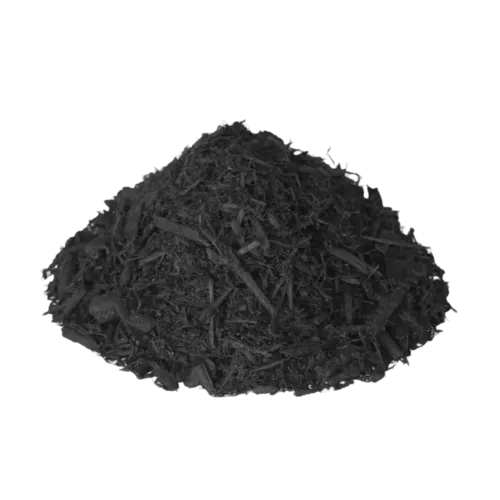
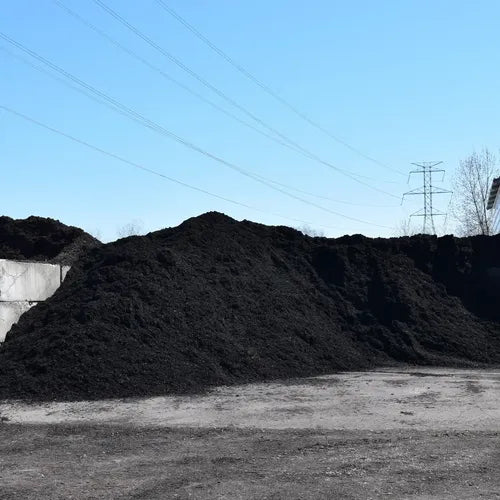
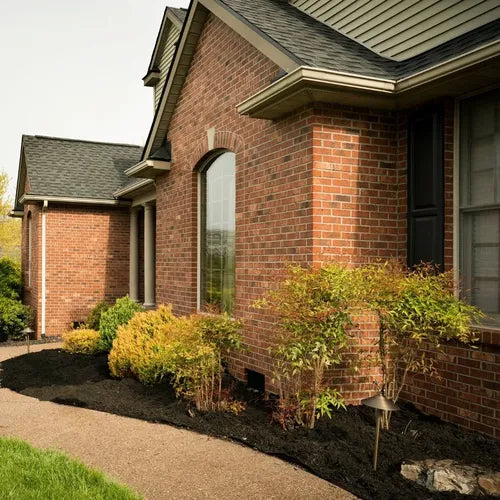
Double shredded for a smooth, even finish, this bold black mulch creates sharp contrast against limestone borders and native plantings. The color holds well through long Central Texas summers, making it a favorite for homeowners who want their beds to stay looking fresh between refresh cycles.
Dyed Brown Mulch
With a warm, natural appearance, our double shredded dyed brown mulch suits the earthy tones of Hill Country landscaping well. The color stays fresh for weeks after application and spreads cleanly across foundation beds, garden borders, and sloped areas where a polished finish matters.
Natural Brown Mulch
An undyed option with a clean, earthy tone straight from the wood, our double shredded natural brown mulch fits naturally into Central Texas landscapes. The fine texture retains soil moisture well, a real benefit during the dry stretches that mark summer here.
Cedar Mulch
Our double shredded cedar mulch lasts longer than standard wood mulches and its natural oils help deter insects, a useful quality in Central Texas where warm winters keep pest activity going throughout the year. A solid pick for foundation beds and established tree rings.
Complete Your Outdoor Mulch Project
Pair your mulch order with a quality garden soil to improve the alkaline clay beneath your beds, or add decomposed granite or limestone screenings along bed borders for a clean finished edge that suits the Hill Country aesthetic.
San Marcos clay soil becomes nearly impermeable when dry, so water your beds thoroughly before spreading mulch. Applying mulch to bone-dry clay traps that dryness in and forces roots to work harder to access moisture. A good pre-soak lets the soil absorb the first rain after mulching much more efficiently, giving plants a better start heading into the long summer months.
Mulch Mound Pro Tip
Pull mulch back a few inches from the base of shrubs and trees rather than piling it against the trunk or stem. This is especially important in San Marcos where warm, humid periods after summer storms can promote fungal growth at the soil line. A clean gap around stems allows air circulation and reduces rot risk throughout the extended Zone 9a growing season.
Mulch Mound Pro Tip
San Marcos receives about 35 inches of rain per year, but much of it arrives in heavy bursts rather than steady light showers. A properly applied mulch layer slows runoff during those intense rain events and gives water more time to soak into the clay soil below. This means less erosion in your beds and more moisture stored at root level between the storms that define the local rainfall pattern.
Frequently Asked Questions
Click a question to see the answer
Answer
How thick should I apply mulch in San Marcos given our summer heat?
In San Marcos, where summer temperatures regularly push into the high 90s and soil dries quickly, a 3 to 4 inch layer of mulch is ideal for most plant beds. Going thinner than 2 inches will not provide enough insulation to meaningfully reduce soil temperature or slow evaporation. Thicker applications help carry moisture through the dry stretches between rain events.
Answer
Will mulch help with the cracking clay soil we have here in San Marcos?
Yes, mulch is one of the best tools for managing the alkaline clay soil common in San Marcos. A consistent mulch layer slows moisture loss, which reduces the shrink-swell cycle that causes clay to crack during dry summer stretches. Over time, decomposing hardwood mulch also adds organic matter that gradually improves clay soil structure beneath the surface.
Answer
Does mulch need to be replaced every year with our climate?
In Zone 9a, the warm temperatures and moderate rainfall accelerate decomposition, so most organic mulches break down faster here than in cooler climates. Plan to replenish mulch once a year, typically in spring before the heat builds. If you applied a full 3 to 4 inch layer, you may get away with a lighter top-off rather than a full replacement.
Answer
What is the best time of year to apply mulch in San Marcos?
The two most strategic times are early spring, just after the last frost around March 14, and late fall, before the first frost arrives around November 8. The spring application protects roots as temperatures climb and conserves early-season rainfall. The fall application insulates roots through the mild but real freezes San Marcos experiences and sets the beds up well for the following growing season.
Answer
Should I use natural or dyed mulch around my San Marcos flower beds?
Both work well functionally, but natural hardwood mulch has the added benefit of enriching your alkaline clay soil as it decomposes, gradually improving pH and feeding soil biology. Dyed mulch holds its color longer through the intense sun San Marcos summers bring, making it a good choice for high-visibility curb appeal areas where appearance is the priority.
Answer
How much mulch do I need for a typical San Marcos backyard bed?
Measure the length and width of each bed in feet, multiply them together for total square footage, and then divide by 81 for a 4-inch application depth. For example, a 10 by 20 foot bed needs roughly 2.5 cubic yards at that depth. San Marcos clay soil benefits from the full 4-inch application to compensate for fast evaporation during the summer months.
Answer
Can mulch attract pests or termites near my home's foundation?
Keeping mulch 6 inches away from your home's foundation significantly reduces pest risk. In San Marcos, where termites are active year-round due to the warm climate, that buffer zone is especially important. Cedar mulch is a naturally pest-resistant option worth considering for beds placed close to the structure.
The Unique Landscape of San Marcos
San Marcos sits on the edge of the Hill Country where alkaline clay soil bakes hard in summer heat and cracks when dry, making moisture retention a constant battle for homeowners. The long growing season stretching from the last frost around March 14 all the way through early November means plant beds are actively competing with heat and evaporation for months at a stretch. With only 35 inches of annual rainfall spread unevenly across the year, mulch becomes essential for holding soil moisture between rain events. The alkaline clay also tends to crust over after rain, and a consistent mulch layer helps break the impact of raindrops and keep the soil surface workable. Weed pressure in Zone 9a is relentless year-round, and mulch is one of the most practical tools for suppressing germination without chemicals.