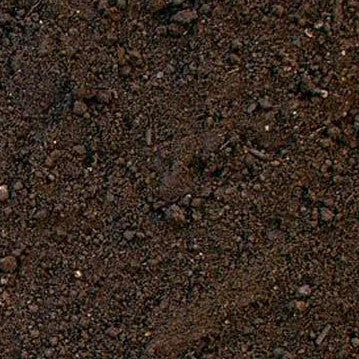
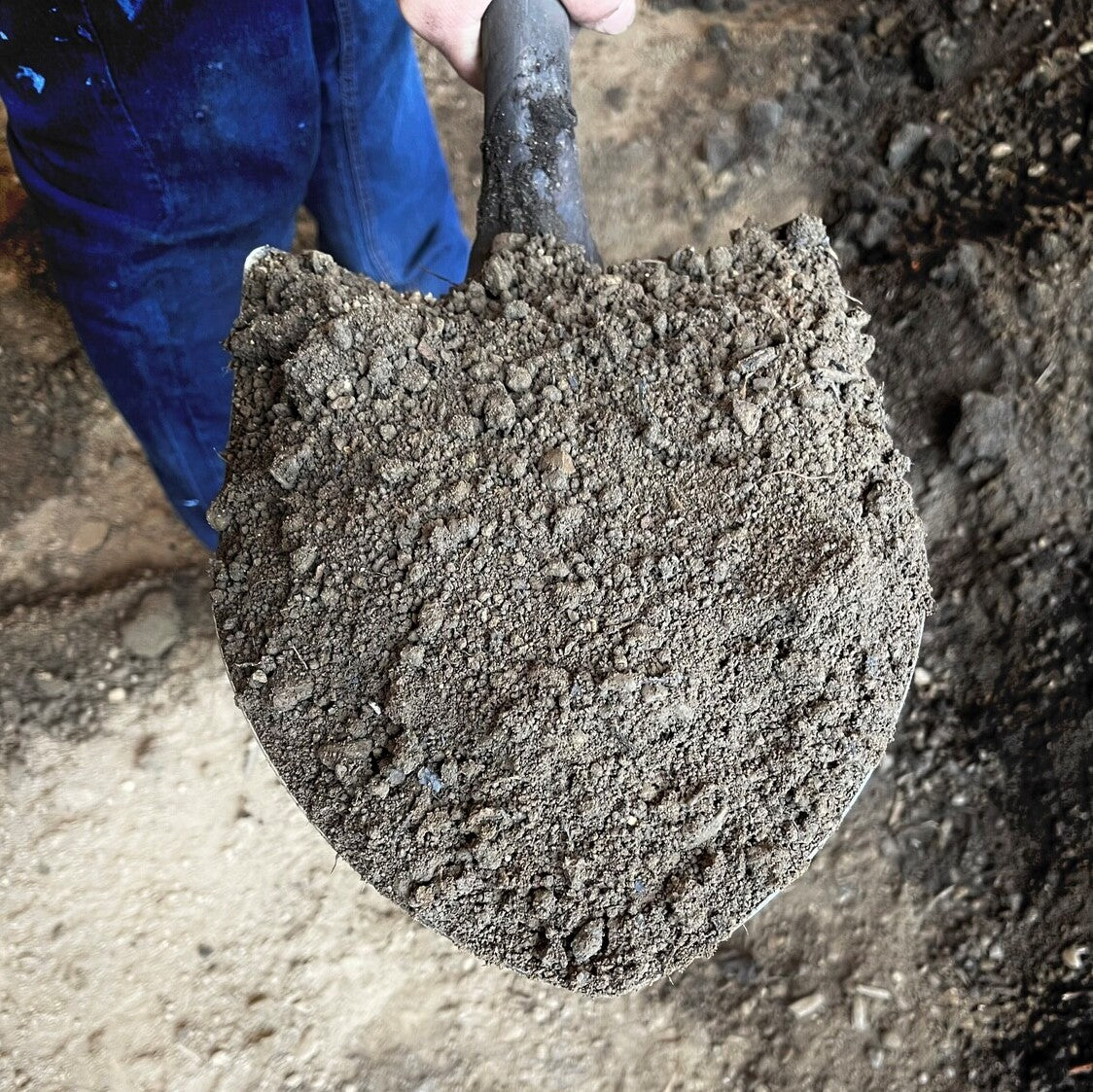
Our ready-to-use special blend garden mix provides the perfect, custom-balanced soil structure and nutrient profile for immediate planting of flowers, vegetables, and shrubs.
The website was intuitive and easy to navigate. The material was delivered the date and time it was scheduled, it was dropped off in the area i had specified on top of my tarp with no issues.
I ordered soil, the Gardening Blend that I received had too many plastic and m...
Tell us what you're looking for
Thanks! We received your request.
Something went wrong. Please try again.
How Much Material Do I Need?
For raised garden beds in San Marcos, a minimum depth of 12 inches of quality soil is recommended to keep roots fully above the alkaline clay base. For lawn topdressing or light grading, a 2 to 4 inch layer is typically sufficient to improve grade and surface soil quality.
Use our free soil calculator
What is a yard?
A yard is approximately 27 cubic feet. As a general guideline, one yard of material can cover an area of about 10 feet by 10 feet at a few inches deep.
We can't take orders for this right now. Tell us what you need and we'll get back to you.
What do you need?
Thanks! We received your request.
Something went wrong. Please try again.
Hand-picked local yards
4,000+ regional deliveries
Dedicated support
Why order through Mulch Mound
The best local soil, without the guesswork.
We hand-pick and partner with the best yards in your region, keep only the ones our buyers rate well, and back each load with our guarantee.
Mulch Mound Guarantee
If your soil isn't the quantity or quality you ordered, we'll make it right.
About this soil
Our ready-to-use special blend garden mix provides the perfect, custom-balanced soil structure and nutrient profile for immediate planting of flowers, vegetables, and shrubs.
The website was intuitive and easy to navigate. The material was delivered the date and time it was scheduled, it was dropped off in the area i had specified on top of my tarp with no issues.
I ordered soil, the Gardening Blend that I received had too many plastic and m...
How Much Material Do I Need?
For raised garden beds in San Marcos, a minimum depth of 12 inches of quality soil is recommended to keep roots fully above the alkaline clay base. For lawn topdressing or light grading, a 2 to 4 inch layer is typically sufficient to improve grade and surface soil quality.
Use our free soil calculator
What is a yard?
A yard is approximately 27 cubic feet. As a general guideline, one yard of material can cover an area of about 10 feet by 10 feet at a few inches deep.
The website was intuitive and easy to navigate. The material was delivered the date and time it was scheduled, it was dropped off in the area i had...
Read full review
The website was intuitive and easy to navigate. The material was delivered the date and time it was scheduled, it was dropped off in the area i had specified on top of my tarp with no issues.
I ordered soil, the Gardening Blend that I received had too many plastic and metal pieces for my liking thus lowering the score from a perfect 5/5 to a 4/5
Really appreciate the care and follow thru that this company had with our order. A hiccup came up but they were quick to respond and address all co...
Read full review
Really appreciate the care and follow thru that this company had with our order. A hiccup came up but they were quick to respond and address all concerns, which made our garden day a success! Thank you for your prompt care.
For raised beds and grading projects in San Marcos, measure length and width in feet and multiply by the desired depth in feet to get cubic feet, then divide by 27 for cubic yards. Remember that San Marcos's native clay can cause fresh topsoil to compress as it settles in, so adding 10 to 15 percent extra is a smart buffer for any project. Our calculator on the product page gives you an immediate estimate to work from.
Soil Types We Deliver in San Marcos
The native soils around San Marcos lean toward thin caliche and dense clay, making quality imported soil essential for most lawn and garden projects. Mulch Mound makes bulk topsoil delivery by the yard simple, with varieties matched to both residential improvements and large structural grading work.
Screened Top Soil
Central Texas yards often sit on shallow or dense clay native ground that drains poorly and limits healthy growth. This finely screened topsoil is fortified with organic nutrients, making it ideal for topdressing turf, filling low spots, and building a clean foundation for new sod or seed.
Sandy Loam
An economical option for large fills, grading, and drainage work, this unscreened sandy loam handles the scale of Central Texas residential and rural projects well. Its natural sandy texture promotes water movement and provides a solid working base for driveways, slopes, and construction sites.
Garden Compost
This premium screened compost builds organic matter directly into the thin, depleted soils common across Central Texas landscapes. Finely sifted and ready to blend into any bed or planter, it revitalizes tired ground, feeds microbial life, and accelerates plant establishment through the long, warm Central Texas growing season.
Planting Mix
Blended for immediate use, this balanced garden mix delivers the ideal soil structure and nutrition for flowers, vegetables, and shrubs. It combines fertility and drainage in a single ready product, giving homeowners and landscapers a reliable head start in the warm and often dry Central Texas climate.
Complete Your Outdoor Soil Project
After grading or filling beds with fresh soil, top the area with a quality hardwood mulch to protect the surface and retain moisture through San Marcos summers, or use decorative stone along borders to define edges and reduce ongoing maintenance.
Can I just amend my existing San Marcos clay soil or do I need to bring in new topsoil?
It depends on the project. For established garden beds, deep tilling with compost can improve the native clay enough for most plants. But for new raised beds, lawn leveling, or areas where the clay has been badly compacted by construction or foot traffic, bringing in quality topsoil gives you a clean and workable start. Many San Marcos homeowners find that a combination of both approaches, tilling in fresh topsoil while also amending, gives the best long-term results.
Answer
What kind of soil works best for vegetable gardening in San Marcos?
A blend of loamy topsoil and compost works well for vegetable gardening in San Marcos. The native alkaline clay holds nutrients but lacks the drainage and aeration that vegetables need, so filling raised beds with quality garden soil completely changes what you can grow. Look for a blend with visible organic content and a pH closer to neutral, since San Marcos's native soil often runs above 7.5.
Answer
How much soil do I need to fill a raised bed in my San Marcos backyard?
Multiply the length, width, and depth of your raised bed in feet to get cubic feet, then divide by 27 to convert to cubic yards. A common 4 by 8 foot raised bed that is 12 inches deep needs roughly 1.2 cubic yards. San Marcos gardeners often build beds 12 to 18 inches deep to give roots full clearance above the compacted alkaline clay below.
Answer
Will imported topsoil help with the drainage problems caused by our clay soil in San Marcos?
Yes, especially in raised applications where the new soil sits above the clay layer. When you fill a raised bed or grade a low area with quality topsoil, you create a zone where water can drain away from roots before hitting the slower-draining clay below. For in-ground planting, tilling the topsoil 6 to 8 inches deep and blending it into the existing clay improves drainage more than simply laying it on top.
Answer
When is the best time to bring in soil for lawn grading in San Marcos?
Early spring, just after the last frost around March 14, is an excellent time for lawn grading because warm-season grasses like St. Augustine and Bermuda begin actively growing and can quickly root into fresh topsoil. Fall, before the first frost around November 8, is also workable if you are overseeding or sodding. Avoid major grading during peak summer heat when establishing new grass across bare topsoil is much more difficult.
Answer
Should I order extra soil to account for settling after delivery?
For large grading or fill projects, it is almost always better to order slightly more than your calculation suggests. San Marcos clay soil often has uneven low spots that are hard to measure exactly, and topsoil compresses about 10 to 15 percent after settling and watering. Adding a small buffer to your order saves you from placing a second smaller delivery for the spots you underestimated the first time.
Answer
How do I keep newly installed topsoil from washing away after a heavy rain in San Marcos?
San Marcos sees heavy rain events that can move loose topsoil quickly on any slope. Applying mulch on top of newly graded soil areas immediately after installation is one of the best protections available. On steeper areas, consider erosion control netting until grass or ground cover establishes firmly. Finishing with a layer of mulch also helps the topsoil hold moisture between the intense rain events common to this part of Central Texas.
Mulch Mound Pro Tip
San Marcos's clay soil is high in calcium and magnesium but often deficient in organic matter and can have a pH that exceeds 8.0 in some areas. When filling raised beds or blending topsoil into native clay, mix in a quality compost to introduce the organic matter and microbial life that alkaline clay lacks. This gives transplants and seeds a dramatically better environment to establish in during the long Zone 9a growing season.
Mulch Mound Pro Tip
For lawn grading projects in San Marcos, always check the grade relative to your foundation before adding topsoil. The heavy clay soil in this area can direct water toward a home's foundation if the grade is not sloping away at the right angle. Even a gentle 1-inch drop per foot away from the house makes a significant difference in how rainwater moves across your yard after a storm.
Mulch Mound Pro Tip
Newly installed topsoil in San Marcos will settle, sometimes noticeably, after the first few heavy rains. When filling raised beds or leveling lawn areas, slightly overfill by an inch or two to account for this natural compaction. If you are installing sod directly on new topsoil, give the soil a good watering and a few days to settle before laying your first pieces to avoid uneven spots forming later.
The Unique Landscape of San Marcos
The native soil in San Marcos is predominantly alkaline clay, which compacts easily, drains poorly after heavy rain, and bakes into a near-concrete hardness during dry summer stretches. For homeowners trying to establish vegetable gardens, raised beds, or new lawn areas, the native ground often requires significant amendment or replacement to support healthy plant growth. With a growing season that runs from mid-March through early November, the window for productive gardening is long but demanding on soil quality. Importing quality topsoil or garden blend allows San Marcos residents to bypass the limitations of native clay and give plants the loose, nutrient-rich root environment they need. Even for lawn grading projects, a good screened topsoil provides a much better base than redistributing the local alkaline clay.