About this soil

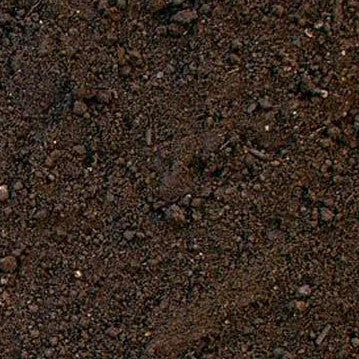
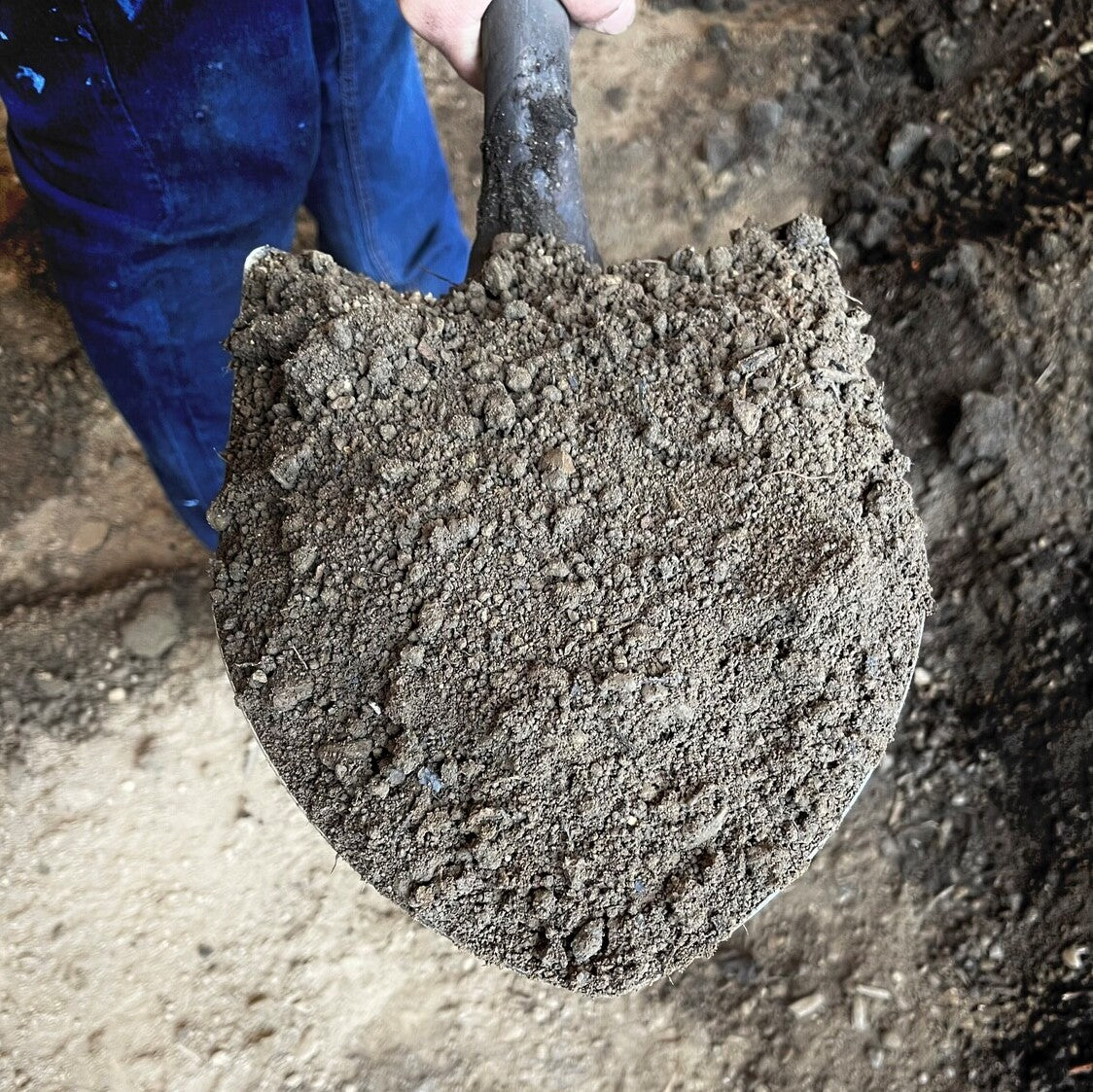
Screened topsoil with a fine, even texture. Ideal for new lawns, sod prep, and raised garden beds.

Ordered the planting mix with an early Saturday delivery. Super easy ordering experience. Dirt was delivered on time and delivery driver was kind enough to let us know I would take up more room than we though so we could pull cars out of the garage. Will be ordering again

Use 3 to 4 inches of screened topsoil when establishing a new lawn over stripped sandy loam, and 6 to 12 inches for a raised vegetable bed. For top dressing an existing lawn, a quarter to half an inch per application is plenty.
Use our free soil calculator

A yard is approximately 27 cubic feet. As a general guideline, one yard of material can cover an area of about 100-160 square feet at a 2-3 inch depth.

Saratoga Springs Soil Delivery

Saratoga Springs Soil Delivery

4.7
137 reviews
Regular price $64.00 per Yard
Regular price Sale price $64.00
Sale Sold out
Shipping calculated at checkout.
Type
Style
Hand-picked local yards
4,000+ regional deliveries
Dedicated support
Why order through Mulch Mound

The best local , without the guesswork.

We hand-pick and partner with the best yards in your region, keep only the ones our buyers rate well, and back each load with our guarantee.

Mulch Mound Guarantee

If your isn't the quantity or quality you ordered, we'll make it right.

About this soil

Screened topsoil with a fine, even texture. Ideal for new lawns, sod prep, and raised garden beds.

Ordered the planting mix with an early Saturday delivery. Super easy ordering experience. Dirt was delivered on time and delivery driver was kind enough to let us know I would take up more room than we though so we could pull cars out of the garage. Will be ordering again

Use 3 to 4 inches of screened topsoil when establishing a new lawn over stripped sandy loam, and 6 to 12 inches for a raised vegetable bed. For top dressing an existing lawn, a quarter to half an inch per application is plenty.
Use our free soil calculator

A yard is approximately 27 cubic feet. As a general guideline, one yard of material can cover an area of about 100-160 square feet at a 2-3 inch depth.

View full details

How It Works

Getting started is easy — just follow these simple steps

1

Choose your soil

Make sure you adjust the quantity to your home's needs. You can use our calculator to estimate how much you'll need.

2

Select your delivery date

Select a delivery date you'd like for the product to be dropped off at your home

3

Sit back and wait

Sit back, wait, and let us work our magic to make sure the highest quality product is delivered to your driveway.

What Saratoga Springs Customers Like About Our Soil

4.7
out of 5 based on 137 reviews
Google Reviews

Need Help Calculating How Much Soil You Need?

Use our NEW Trace from Satellite tool to get an estimate for your project based on an aerial view of your property

Try Our Calculator
📍

Measure the length and width of the area in feet and decide how deep you need to go, then let the calculator convert to cubic yards. Remember that loose delivered soil settles roughly 15 to 20 percent once it is spread, watered, and rained on, so order a bit more than the bare number. For garden beds, measure the inside dimensions of the box rather than the outside frame.

Complete Your Outdoor Soil Project

Pair your topsoil with compost to build organic matter into the sandy loam, and finish planted beds with hardwood mulch so the new soil does not wash out during a heavy Saratoga rain. Grass seed and a starter fertilizer round out any lawn renovation.

Frequently Asked Questions

Click a question to see the answer

Answer

Why does my new construction lot outside downtown grow such poor grass?

Builders here routinely strip the native sandy loam topsoil during excavation and spread back only an inch or two over compacted subsoil. Grass roots hit that pan and stop, so the lawn browns the moment we go a week without rain. Adding 3 to 4 inches of screened topsoil and tilling it into the top of the existing grade before seeding solves the problem permanently.

Answer

How much topsoil do I need to level the low spots in my yard?

For shallow low spots under an inch, screened topsoil can be spread directly over existing turf and raked in. For deeper settling, figure that 1 cubic yard covers about 324 square feet at 1 inch or 108 square feet at 3 inches. A typical Saratoga Springs quarter acre lot needing broad leveling usually takes 5 to 10 yards.

Answer

Should I amend my sandy loam or just replace it?

Amend it. Sandy loam is genuinely good soil structurally, it just lacks organic matter and nutrient holding capacity. Work 2 to 3 inches of compost into the top 6 to 8 inches and you get the drainage benefit of sand with the water and nutrient retention of a much richer soil. Wholesale replacement is rarely necessary anywhere in Saratoga County.

Answer

When can I start working soil in the spring here?

Sandy loam dries out and warms faster than clay, so many Saratoga Springs gardeners can work beds by mid to late April. Do the squeeze test first. Grab a handful, and if it forms a ball that will not crumble when poked, wait another week. Working saturated soil destroys structure even in a sandy loam.

Answer

Is our soil acidic, and will topsoil change the pH?

Soils in this part of the upper Hudson Valley tend to run slightly acidic, often in the 5.5 to 6.3 range, which suits blueberries and rhododendrons but is a little low for lawns and most vegetables. Screened topsoil and compost usually nudge pH toward neutral, but for a real correction you need pelletized lime. A Cornell Cooperative Extension soil test through the Saratoga County office is worth the small fee.

Answer

Can I build raised vegetable beds and fill them with straight topsoil?

Straight topsoil in a raised box tends to settle and compact, especially with our winter freeze and thaw cycling. Use a blend of roughly 60 percent screened topsoil and 40 percent compost, which stays friable and gives you a long enough window of fertility for the short Zone 5b growing season. Expect to top off each spring as the organic fraction breaks down.

Answer

How late in the fall can I spread soil and seed a lawn?

Aim to have topsoil spread and seed down by the third week of August through early September. That gives grass six to eight weeks of root growth before the September 30 average first frost and the cool nights that follow. Soil delivered in October is still useful for grading and bed prep, but hold the seed until a spring or dormant seeding.

Mulch Mound Pro Tip

Never lay topsoil over compacted ground without breaking the surface first. On Saratoga Springs new construction lots, heavy equipment leaves a dense pan that new soil will simply sit on top of, creating a perched water table and shallow roots. Rip or till the existing grade 3 to 4 inches deep before spreading, then blend the bottom inch of your new topsoil into it. The transition zone is what lets roots move down into the native sandy loam.

Mulch Mound Pro Tip

Feed the sand every year. Because sandy loam holds so few nutrients, a single big compost application will not carry you for a decade the way it might in heavier ground. Plan on top dressing beds with half an inch to an inch of compost each spring, right after the soil warms in early May. That annual habit steadily raises organic matter, improves water holding, and cuts your fertilizer needs across the whole growing season.

Mulch Mound Pro Tip

Grade away from the house before you plant anything. With 41 inches of rain a year plus a substantial snowmelt each March, Saratoga Springs foundations take on a lot of water. Set your finished soil grade so it drops at least 6 inches over the first 10 feet from the foundation wall, and account for settling by building the slope slightly steeper than your target. Fix drainage first, because no plant selection overcomes a wet basement wall.

The Unique Landscape of Saratoga Springs

Most Saratoga Springs properties sit on sandy loam left behind by glacial outwash, a soil that drains beautifully but holds very little organic matter or nutrition. That means lawns brown out fast in a dry August and vegetable beds burn through fertilizer long before harvest. Adding quality screened topsoil and compost is how homeowners here build a root zone that can actually carry plants through the swing from 41 inches of annual rain to a three week dry stretch. New construction lots around the city are often worse, with the good topsoil stripped and a thin skim spread back over compacted subsoil. With a growing season running roughly from the May 10 last frost to the September 30 first frost, there is no time to waste on soil that cannot feed a plant.